
What are those tiny flies in my kitchen? They are most likely fruit flies or drain flies, which are common household pests that feed on decaying matter, fermenting liquids, or moist organic sludge. Getting rid of them quickly needs a two-part plan: kill the adults you see and remove where they breed.
Dealing with tiny flies in the house can feel overwhelming. These little pests multiply fast. But don’t worry. We have many quick and easy ways to clear them out. This guide gives you simple steps to stop these tiny invaders for good. We will focus on fast fixes and long-term clean habits.
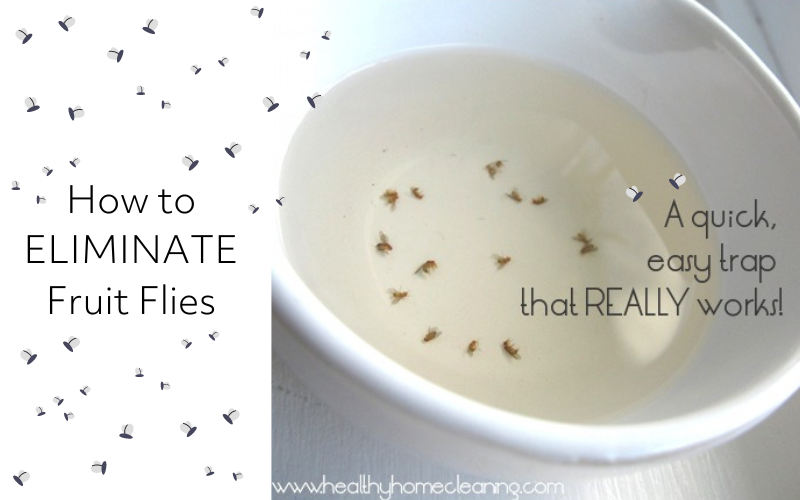
Image Source: healthyhomecleaning.com
Locating the Source: Where Do These Pests Come From?
Before you can stop the buzzing, you must find where the tiny flies live. If you just spray the air, more will come back soon. You need to find their home base.
Fathoming Fruit Flies vs. Drain Flies
Not all small flies are the same. Knowing what you have helps you pick the right tool.
| Fly Type | Appearance | Common Breeding Spot | Danger Level |
|---|---|---|---|
| Fruit Flies | Small, tan/brown, often near produce. | Ripe fruit, garbage cans, open soda cans. | Annoying, spread germs poorly. |
| Drain Flies (Moth Flies) | Fuzzy, look like tiny moths, often dark. | Slow drains, sludge buildup in pipes. | Minor nuisance, linked to plumbing issues. |
| Fungus Gnats | Black, thin legs, fly near soil. | Overwatered houseplant soil. | Harmful to plants, not usually attracted to food. |
If you see flies hovering around your fruit bowl, they are fruit flies. If they hang out near the sink, especially at night, they are likely drain flies. Finding the source is the first big step to a small flies in house solution.
Phase 1: Instant Action – Trapping and Killing Adult Flies
You need to stop the current population right away. These easy traps work fast to catch the adult flies buzzing around your kitchen.
The Classic Apple Cider Vinegar Trap
The vinegar trap for flies is a staple for a reason. Fruit flies love the smell of fermentation.
How to Build the Best Vinegar Trap:
- Get a small jar or glass.
- Pour about an inch of apple cider vinegar into the bottom.
- Add two drops of dish soap. The soap breaks the surface tension of the vinegar. Flies cannot land on the liquid and drown instead of floating away.
- Cover the top tightly with plastic wrap.
- Poke a few tiny holes in the plastic wrap with a toothpick. The flies get in but cannot find their way out.
- Place these traps near the areas where you see the most flies.
This trap is highly effective for catching fruit flies. Refresh the mixture every two days for best results. This is often the best way to eliminate fruit flies quickly.
Sticky Traps and DIY Fruit Fly Traps
If you want something even quicker than a homemade setup, look for commercial fruit fly traps. Many modern traps use attractive pheromones or colored gel.
You can also make a simple version using red wine:
- Leave a small amount of old red wine in the bottom of the bottle.
- The narrow neck acts as a natural funnel, trapping the insects.
Using Essential Oils to Repel Flies
While trapping kills the existing bugs, essential oils to repel flies can help keep new ones away from certain areas.
Flies dislike strong, sharp scents. Peppermint, lemongrass, and eucalyptus are great choices.
Application Methods:
- Mix 10 drops of oil with a cup of water in a spray bottle. Lightly mist countertops (avoiding food contact areas).
- Soak a cotton ball in pure oil and place it near windows or garbage bins.
Remember, essential oils are good deterrents, but they won’t eliminate a large breeding source. They work best alongside trapping and cleaning.
Phase 2: Deep Cleaning – Eliminating Breeding Grounds
Killing the adults is only half the battle. If you don’t remove where they lay eggs, they will keep coming back. Breeding sites are usually wet, dark, and full of decaying matter.
Attacking the Drains: How to Kill Drain Flies
If you suspect drain flies, you must clean deep inside your pipes. Pouring bleach or boiling water down the drain is often not enough. The flies breed in the slimy coating (biofilm) inside the pipes.
To effectively deal with drain issues, you need a specific approach for how to kill drain flies.
- Scrub the Opening: Use an old toothbrush or pipe brush to scrub the immediate opening of the drain opening and overflow areas. Remove any visible gunk.
- Use a Biological Cleaner: The best way to remove the sludge is using an enzymatic or bacterial drain cleaner. These products contain “good” bacteria that eat away the organic matter where the flies lay eggs. This is much more effective than harsh chemicals. Look for a specific drain cleaner for gnats or drain flies.
- The Overnight Treatment: Pour one cup of baking soda down the drain, followed by one cup of white vinegar. Let it foam and sit for 30 minutes. Flush with very hot (but not boiling) water. Do this before bed when the drains won’t be used for hours.
If the problem persists after deep cleaning, you might have a bigger plumbing issue requiring a professional plumber.
Garbage and Compost Control
Your kitchen trash can is a five-star resort for fruit flies.
- Empty Often: Take out the kitchen trash daily, especially if it contains meat scraps or overly ripe food.
- Rinse Cans: Wash the inside of your trash can with hot, soapy water or a diluted bleach solution once a week. Dry it completely. Flies love moisture residue.
- Compost Bins: If you keep a counter-top compost container, seal it tightly or keep it outside.
Produce Management
Ripe, rotting produce is the main draw.
- Refrigerate: Store bananas, tomatoes, and other soft fruits in the fridge until the infestation clears up.
- Inspect Closely: Check onions, potatoes, and other produce stored in dark cabinets. A single rotting potato at the bottom of a bag can host hundreds of eggs.
- Wash Immediately: Wash all new produce as soon as you bring it home. This washes off any potential eggs the flies laid at the store.
Phase 3: Addressing Houseplants – Eliminating Fungus Gnats
Sometimes, the tiny flies you see are not fruit flies but fungus gnats. These thrive in moist soil. They are common if you have houseplants in the kitchen area.
Steps for Eliminating Fungus Gnats in Kitchen Plants:
- Stop Watering: Let the top inch or two of soil dry out completely. Fungus gnat larvae need damp soil to survive. Cutting off their water source stops the cycle fast.
- Use Yellow Sticky Traps: Place small yellow sticky stakes directly into the soil of infected plants. The adults are attracted to the yellow color and get stuck.
- BTI Treatment: BTI (Bacillus thuringiensis israelensis) is a naturally occurring bacterium that kills gnat larvae in the soil but is safe for pets and humans. You can buy BTI dunks or pellets to mix into your watering can. This is one of the best natural remedies for flying insects affecting houseplants.
Long-Term Prevention: Keeping Flies Out of the Kitchen
Once you have cleared the current infestation, focus on making your kitchen unattractive to future pests. This is key to keeping flies out of the kitchen for good.
Sealing Entry Points
Flies can enter through very small gaps.
- Check Screens: Repair any holes in window or door screens immediately.
- Door Discipline: Try to keep external doors closed, especially during warmer months when flies are most active.
- Seal Cracks: Use caulk to seal any small cracks around window frames or utility pipe entries.
The Importance of Dryness
Flies need moisture and decaying matter. Keeping things dry is your best defense.
- Wipe Spills Right Away: Never leave standing water in the sink or on the counter, even for a short time.
- Dry Sponges and Rags: Wring out dishcloths and sponges completely after use. Do not leave them sitting in a wet pool.
- Check Under Appliances: Sometimes spills happen under the fridge or stove. Check these spots regularly.
Proper Storage Habits
Simple changes in how you store food greatly reduce fly appeal.
- Keep all sugars, syrups, and honey sealed tightly. A sticky jar rim is a magnet for fruit flies.
- Rinse cans and bottles before placing them in recycling bins. The residue inside attracts pests.
- Use tight-fitting lids on all food storage containers, including pet food bins.
Advanced Tactics and Lesser-Known Solutions
If the simple traps aren’t cutting it, try these more targeted methods. These often offer a stronger, more immediate knockdown effect.
Using Bleach for Hard-to-Reach Areas
While bleach isn’t the best for biofilm in drains (enzymes are better), it’s great for sanitizing surfaces where flies might rest.
Caution: Never mix bleach with ammonia or other cleaners! Use bleach only with water, and ensure good ventilation.
Use a 10% bleach solution (1 part bleach to 9 parts water) to wipe down garbage can interiors, the underside of the sink, and any damp corners. This kills eggs and larvae resting on surfaces.
The Old Funnel Trick
If you notice a large group of flies congregating in one specific spot—like near a specific window or light fixture—you can use a large paper funnel.
Roll thick paper into a cone shape. Place the wide end over the congregation area, making sure the small tip hangs down without touching the surface. Secure the paper around the area. Flies will fly up into the narrow part of the funnel and get trapped inside. You can then carefully take the funnel outside and shake the contents out far from your house.
Soap Water Spray for Instant Kill
For active flying pests, a simple soap spray is effective and non-toxic.
Mix a generous squirt of liquid dish soap into a spray bottle of water. When you see a cloud of flies, spray them directly. The soap coats their bodies and suffocates them quickly. This is a great, immediate response while you wait for your vinegar trap for flies to work its magic.
Comprehending Fly Life Cycles
To truly win the war, you must disrupt the life cycle. Tiny flies often complete their cycle—egg to adult—in about one to two weeks, depending on the temperature.
This means if you clean thoroughly today, but a few eggs survived and hatch tomorrow, you might think your cleaning didn’t work. They are just the next generation.
Key Timeline Insight: You must maintain the cleaning and trapping efforts for at least two full weeks after you see the last fly. This ensures you kill all subsequent hatches before they can reproduce. This persistence is vital for eliminating fungus gnats in kitchen plants and stopping fruit fly comebacks.
Reviewing Your Cleaning Tools
Are your cleaning supplies up to the task? Sometimes, the tools themselves harbor pests.
| Tool | Issue | Solution |
|---|---|---|
| Dish Sponges/Rags | Can hold decaying food particles and moisture. | Replace sponges often; sanitize rags daily in the dishwasher or by soaking in a bleach solution. |
| Garbage Disposal | Food particles can stick to blades/sides. | Grind ice cubes (to scrape sides) followed by lemon peels. Run the disposal with water frequently. |
| Bottle Brush | Moisture trapped in bristles. | Hang brushes to dry fully after each use. |
Keeping your tools clean helps prevent them from becoming secondary breeding sites.
Why Aren’t My Traps Working? Troubleshooting
If you have set up traps but still see many flies, check these common issues:
- Wrong Attractant: Are you using apple cider vinegar for drain flies? Drain flies prefer slime, not vinegar. Switch to an enzymatic drain cleaner instead.
- Traps Too Far Away: Are the traps placed exactly where the flies gather? They need to be right in the flight path.
- Alternative Food Source: Is there an unrinsed juice glass hiding under the counter? Find and remove the primary food source immediately.
- Scale of Infestation: If the breeding source is deep in the plumbing or hidden behind drywall, surface traps only catch the few adults that escape. You must focus intensely on the source removal first.
When dealing with persistent pests, remember that constant effort using a variety of methods—trapping, eliminating sources, and repelling—provides the best defense. A good strategy integrates natural remedies for flying insects with targeted chemical or biological treatments where needed, especially for deep pipe issues.
Frequently Asked Questions (FAQ)
Q1: Can I use bug spray to kill tiny flies in the kitchen?
A: While bug spray (aerosols) will kill flies on contact, it is generally not recommended for use where food is prepared. The residue can be harmful. It’s much safer and more effective to use non-toxic traps and cleaning methods first.
Q2: How long does it take for fruit flies to go away completely?
A: If you successfully remove the breeding source (like rotting fruit or standing liquid) and set effective traps, you should see a dramatic drop in the population within 2-3 days. To ensure complete elimination, maintain cleaning habits for about two weeks to catch all newly hatched flies.
Q3: Are drain flies dangerous to my health?
A: Drain flies are more of a nuisance than a health threat. They don’t bite, but because they breed in filth, they can carry bacteria and germs from the drain sludge, which they might transfer to clean surfaces. It’s best to get rid of them for sanitation reasons.
Q4: What is the strongest commercial product to kill drain gnats?
A: Products containing BTI (like Mosquito Dunks broken into pieces) are excellent for killing the larvae in the water source. For the immediate sludge build-up, look for professional-grade enzymatic drain cleaners specifically marketed for grease and organic waste removal, as these break down the biofilm where the flies live.
Q5: Do lights attract tiny flies?
A: Yes, some small flies, particularly fungus gnats, can be attracted to light sources. If you notice them buzzing around a specific kitchen light fixture, try keeping that light off, especially at night, or consider using yellow “bug lights” which are less attractive to many flying insects.
This comprehensive approach—from identifying the specific pest to aggressive source removal and consistent prevention—will ensure your kitchen remains free of unwanted tiny visitors. Stick to the cleaning schedule, and you will see quick results.