
If you are asking, “How do I replace a kitchen sink?”, the answer is that replacing a kitchen sink is a manageable DIY project, but it requires careful preparation and attention to detail, especially when dealing with plumbing. This detailed guide walks you through the entire process, from taking out the old unit to finalizing the install new kitchen sink. We will cover the specifics for both common types: the top-mount sink replacement (drop-in) and the more involved under-mount sink installation.
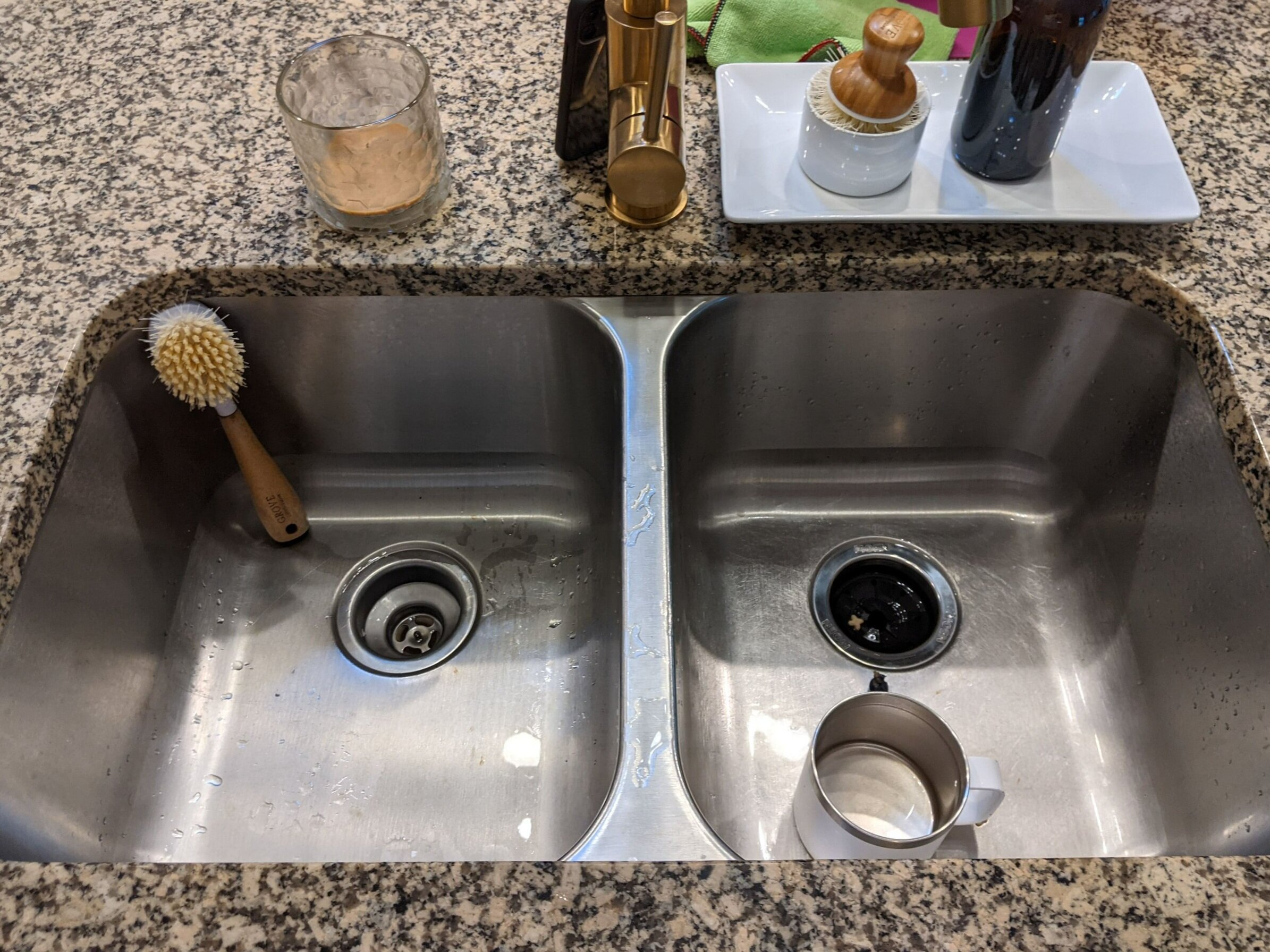
Image Source: images.squarespace-cdn.com
Assessing Your Project: Preparation and Planning
Before turning off the water, good planning saves time and money. Replacing a sink is often done when upgrading countertops or fixtures, and knowing what you have helps estimate the sink replacement cost.
Determining Your Sink Type
Your current sink style dictates much of the removal and installation effort.
- Top-Mount (Drop-In): This sink has a visible rim that rests right on top of the countertop. Removal is generally easier.
- Under-mount: This sink is attached to the underside of the countertop, offering a seamless look. Removal and securing are more complex, often requiring strong adhesives or clips.
Tools and Materials Checklist
Gather everything you need beforehand. Running to the store mid-project causes delays.
| Category | Essential Tools | Necessary Materials |
|---|---|---|
| Plumbing | Basin wrench, channel locks, adjustable wrench, bucket, old towels, Teflon tape, flexible supply lines (new), shut-off valves (if needed) | Sealant for kitchen sink (100% silicone caulk), plumber’s putty |
| Removal/Installation | Screwdriver set, utility knife, pry bar (small), safety glasses, headlamp or flashlight | New sink, mounting clips (usually come with the sink), mounting hardware (if required) |
| Disposal (If Applicable) | Screwdriver, pliers | New mounting ring/flange (if changing sinks) |
Estimating the Cost
The sink replacement cost varies. You might spend \$100 to \$400 on a basic stainless steel drop-in sink. High-end granite composite sinks can cost much more. Beyond the sink itself, budget for new supply lines (about \$20-\$50) and quality sealant for kitchen sink (around \$10-\$15). If you hire a plumber, expect labor costs to add several hundred dollars to the total.
Phase 1: Safely Removing Old Kitchen Sink
The first major step in any DIY sink installation is safely removing old kitchen sink components without flooding your cabinets.
Shutting Off Water Supply
This step is crucial for safety.
- Locate the shut-off valves under the sink cabinet. These control hot and cold water lines leading to the faucet.
- Turn both valves clockwise until they are completely tight.
- Turn on the faucet handles (hot and cold) in the sink basin. This releases built-up pressure and drains residual water from the lines.
Disconnecting the Plumbing
This is where the basin wrench becomes your best friend. Always place a large bucket directly under the connections to catch drips.
Disconnecting the Faucet and Sprayer
- Use the basin wrench to reach up behind the sink where the faucet lines connect to the supply lines.
- Loosen the nuts connecting the faucet supply lines to the shut-off valves.
- If you have a separate sprayer, disconnect its hose assembly as well.
Disconnecting the Drain and P-Trap
The drain pipe connects the sink basket strainer to the P-trap (the curved pipe that stops sewer gases).
- Use channel locks to loosen the slip nuts on the P-trap. Be ready for water to spill out when you remove the trap section.
- Once the P-trap is removed, you need to detach the drain tailpiece from the basket strainer assembly, which is still attached to the sink itself.
Connecting Garbage Disposal to Sink (If Applicable)
If you have a garbage disposal, you must disconnect it before lifting the sink out.
- Unplug the Disposal: Always ensure the unit is unplugged from the wall outlet.
- Remove Mounting Screws: Most disposals hang from a mounting ring secured to the bottom of the sink flange. Locate the three mounting screws on the ring. Loosen these screws until the disposal drops down. Support the weight as you twist and lower it.
- Remove the Flange: Once the disposal is free, unscrew the large mounting ring nuts underneath the sink to release the old sink flange. Scrape off any old putty remaining on the underside of the old sink.
Cutting the Sealant and Lifting the Sink
The old sink is held to the countertop by caulk or sealant.
- Put on safety glasses.
- Use a utility knife to carefully cut all around the perimeter where the sink meets the countertop. Cut deep to sever all the old sealant for kitchen sink.
- For Top-Mount Sinks: Gently slide a pry bar between the sink rim and the countertop. Apply slow, upward pressure. Have a helper assist you. Once free, lift the sink straight up and out.
- For Under-Mount Sinks: This is trickier. You must locate and remove any mounting clips underneath. Then, use firm but gentle pressure with the pry bar to break the adhesive bond. Be extremely careful not to chip the stone or laminate countertop.
Cleaning Up the Opening
Once the old sink is out, clean the cutout thoroughly. Scrape off all old caulk, putty, or adhesive residue from the countertop opening. A clean surface is vital for a good seal on your new unit.
Phase 2: Preparing the New Sink
Before putting the new sink into the hole, you must install the fixtures that are easiest to reach when the sink is accessible—namely, the faucet, spray nozzle, and basket strainers.
Installing Faucet Hardware
It is much easier to put the faucet onto the sink while it is upside down on a workbench or protected floor than when it is already set in the counter.
- Place the new faucet base gasket onto the faucet body.
- Feed the faucet lines and mounting hardware (if necessary) through the appropriate holes in the sink deck.
- Flip the sink over. Secure the faucet from the bottom using the washers and mounting nuts provided. Tighten firmly with a basin wrench, ensuring the faucet is perfectly aligned facing forward.
Installing Strainer Baskets and Drains
You will use plumber’s putty for this step, not silicone sealant, to ensure a waterproof seal under the drain flange.
- Roll a thin rope of plumber’s putty (about pencil thickness). Press this putty around the underside lip of the strainer basket flange.
- Press the flange firmly into the drain opening from the top side of the sink basin.
- From underneath, slide on the rubber gasket, friction washer, and then the mounting nut.
- Hand-tighten the nut, then use channel locks to tighten it a bit more until the putty squeezes out slightly around the edge.
- Wipe away the excess putty immediately.
Preparing for Garbage Disposal Mounting Ring
If you are connecting garbage disposal to sink, install the new mounting ring now.
- Apply a ring of plumber’s putty beneath the new disposal flange.
- Press it into the disposal opening.
- Secure the mounting assembly (snap ring, backup ring, mounting ring) tightly from below according to the disposal manufacturer’s instructions.
Phase 3: Installing the New Sink into the Countertop
The installation method depends entirely on whether you have a drop-in or under-mount sink installation.
Top-Mount Sink Replacement (Drop-In)
This is the simpler installation path.
- Test Fit: Gently lower the sink into the opening to ensure it sits flush and straight. Adjust the placement slightly if needed.
- Apply Sealant: Lift the sink out again. Run a continuous, thick bead of 100% silicone caulk around the entire edge of the countertop opening where the sink rim will sit. This bead acts as your primary sealant for kitchen sink.
- Seating the Sink: Carefully lower the sink straight down into the opening, pressing firmly to set it into the caulk.
- Securing Clips: Working from underneath, install the mounting clips provided with the sink. Space them evenly around the perimeter. Use a screwdriver or basin wrench to tighten these clips gradually. Tighten them in a cross pattern (like tightening lug nuts on a tire) to ensure even pressure distribution.
- Wipe Excess Sealant: Immediately wipe away any silicone caulk that squeezes out around the rim using a damp cloth or mineral spirits (check your sealant instructions). Let the remaining caulk cure as directed (usually 12–24 hours) before heavy use.
Under-Mount Sink Installation
This procedure requires more precision and support structure. If your countertop is laminate, it cannot typically support an under-mount sink installation; these sinks require solid surfaces like granite, quartz, or butcher block.
- Using the Template: Many under-mount sinks come with an undermount sink template. Place this template onto the countertop surface and mark the exact placement, ensuring it leaves enough overhang for the mounting clips to secure to the underside of the counter material.
- Applying Adhesive: Apply a thick, continuous bead of 100% silicone caulk to the top rim of the sink that will contact the underside of the countertop.
- Lifting and Positioning: With a helper, carefully lift the sink and push it up into position against the underside of the counter opening. Ensure it lines up perfectly with your template marks.
- Clamping/Bracing: This is the most critical step. You must hold the sink firmly against the counter while the silicone cures.
- Clips: Attach the metal mounting clips around the perimeter, tightening them slowly and evenly.
- Bracing: For stone counters, you may need specialized mounting hardware or bracing struts installed from below to bear the weight until the adhesive cures completely. Some DIYers use wooden beams braced from the floor up to the bottom of the sink for temporary support.
- Curing Time: Allow the silicone to fully cure—often 24 hours—before applying any significant weight or moisture to the sink basin.
Phase 4: Final Plumbing Connections
Now that the sink is physically secured, it’s time to complete the plumbing for kitchen sink connections.
Reconnecting the Disposal
If you removed a disposal, reattach it now.
- Lift the disposal body up onto the installed mounting ring.
- Twist the disposal clockwise until the three mounting tabs lock securely into the grooves of the mounting ring.
- Tighten the locking screw on the mounting ring slightly to secure the connection.
Reconnecting the P-Trap and Drains
- Reassemble the drain tailpieces to the strainer baskets in the new sink.
- Connect the P-trap assembly. Align the curved section correctly. Hand-tighten the slip nuts first.
- Use channel locks to give the slip nuts a final quarter-turn. They should be snug, but do not overtighten plastic pipes, as they can crack.
Connecting the Faucet Supply Lines
- Take your new flexible supply lines (highly recommended during replacement).
- Wrap the threads of the faucet shanks sticking down through the sink deck with Teflon tape (pipe dope).
- Connect the hot and cold lines from the faucet to the corresponding shut-off valves beneath the sink. Tighten securely with an adjustable wrench.
Phase 5: Testing and Final Checks
Never skip the leak test. A small drip now can cause massive damage later.
The Water Test
- Make sure the faucet handles are in the “off” position.
- Slowly turn the hot and cold water shut-off valves back on (counter-clockwise). Listen for any hissing.
- Turn on the faucet (both hot and cold) and let the water run for several minutes. Check under the sink immediately.
- Use a dry paper towel to wipe around every joint you touched: faucet connections, drain nuts, and the disposal mounting area. If the towel stays dry, you have a good seal.
- Plug the sink basin and fill it completely with water. Pull the plug and watch the drain connections as the surge of water rushes down. Check for leaks under the P-trap and around the basket strainer again.
Final Sealant Inspection
Check the perimeter where the sink meets the countertop. If the sealant for kitchen sink has cured sufficiently, it should look clean and tight. If there are small gaps or voids that you missed, you can carefully run a bead of fresh silicone caulk along the seam and smooth it with a damp finger.
Congratulations, you have completed your DIY sink installation! You successfully managed the plumbing for kitchen sink and finished the job.
Frequently Asked Questions (FAQ) About Kitchen Sink Replacement
Q: How long does it take to replace a kitchen sink?
A: For an experienced DIYer replacing a standard top-mount sink replacement, the process can take 3 to 5 hours, including curing time for sealant (though reattaching plumbing is quick). If you are performing an under-mount sink installation or replacing a disposal, budget a full day, including the 24-hour cure time for the silicone sealant before heavy use.
Q: Do I need a plumber for sink replacement?
A: Not necessarily. If you are comfortable with basic plumbing tasks like disconnecting and reconnecting supply lines and the P-trap, DIY sink installation is achievable. If you have complex plumbing, are installing a new garbage disposal for the first time, or are nervous about potential leaks, hiring a plumber is a wise investment to prevent costly water damage.
Q: What is the main difference between installing a top-mount versus an under-mount sink?
A: The primary difference is securing the unit. A top-mount sink replacement relies on clips tightening against the underside of the counter and a sealant rim on top. An under-mount sink installation requires strong adhesive and clips to hold the sink firmly flush against the underside of the countertop material, often needing temporary bracing until the silicone cures.
Q: What sealant should I use for the kitchen sink rim?
A: You should always use 100% silicone caulk for the exterior rim where the sink meets the countertop. Silicone provides the best waterproof, flexible seal. For drain flanges, always use plumber’s putty under the flange itself.
Q: Can I reuse my old faucet supply lines?
A: While you technically can, it is strongly discouraged. If you are replacing the sink, it is the perfect time to swap out old, possibly corroded supply lines for new flexible braided stainless steel lines. This proactive measure helps ensure there are no leaks immediately after your install new kitchen sink job is done.