
Can I clean my kitchen sink drain pipe myself? Yes, you absolutely can clean your kitchen sink drain pipe yourself using simple tools and common household items. Cleaning your kitchen sink drain pipe fast is often easier than you think, especially with the right know-how. This guide will show you quick and effective methods for unclogging kitchen sink drain pipe issues and keeping your pipes flowing freely. We will cover everything from simple fixes to deeper cleaning methods, ensuring you have all the kitchen sink drain cleaning tips needed for a smooth drain.
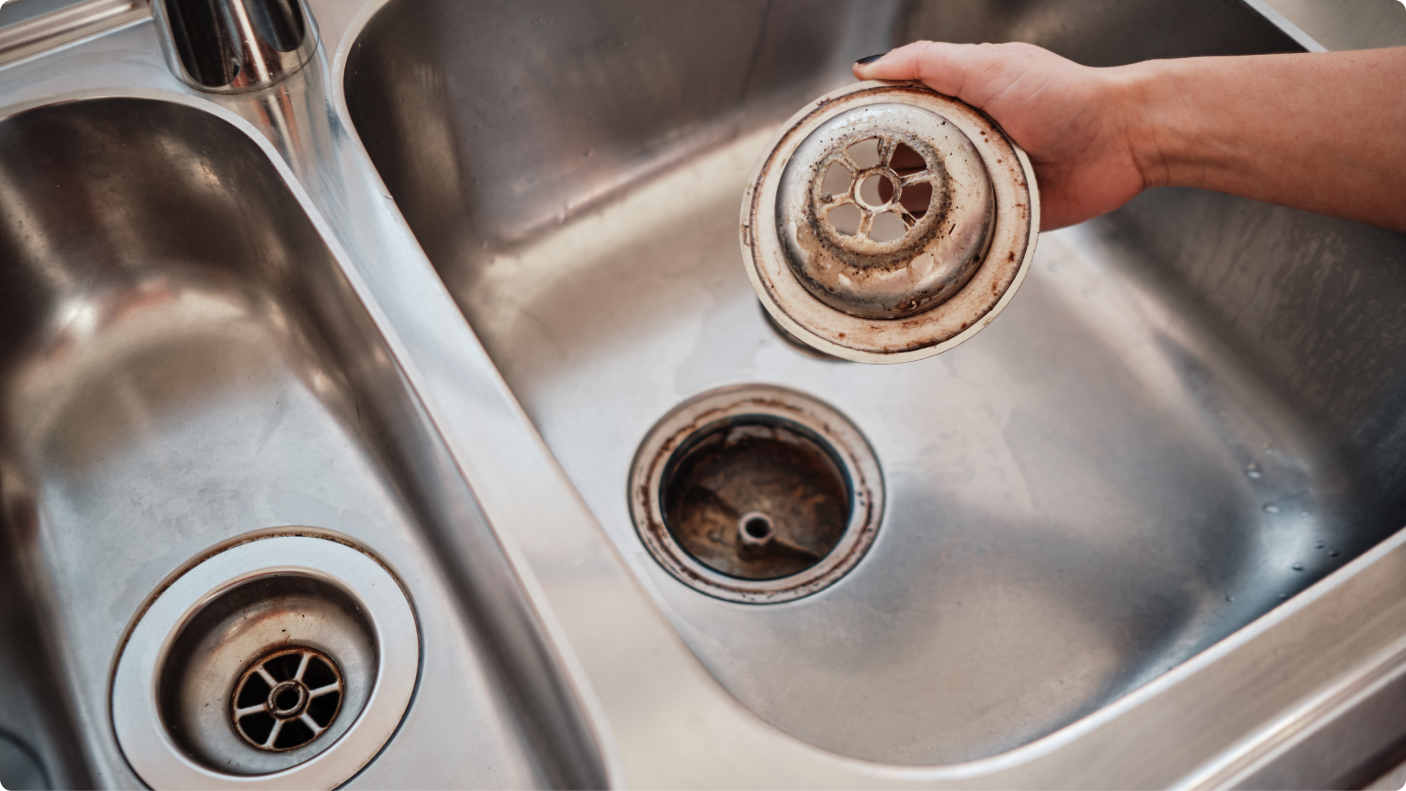
Image Source: images.ctfassets.net
Why Kitchen Drains Get Slow and Clogged
Kitchen sinks handle a lot of things. Grease, soap scum, food scraps, and coffee grounds build up over time. This mix forms a sticky, hard mass inside your pipes. This causes slow draining or complete blockages. Knowing what causes the mess helps prevent it.
Immediate Fixes for a Slow Drain
When water stops moving quickly, you need a fast fix. These initial steps often clear minor issues right away.
Initial Steps Before Deep Cleaning
Stop using the sink right away. Do not pour more water down, as this just makes the clog worse.
- Remove Visible Debris: Check the drain opening. Pull out any large food pieces you see.
- Use Hot Water (Carefully): If the water is barely moving, boiling water can sometimes melt soft grease clogs. Pour it slowly, not all at once. Be careful if you have plastic pipes, as very hot water might warp them slightly. Lukewarm water is often safer to start with.
Using a Plunger for Quick Results
A simple cup plunger is a great tool for removing kitchen sink clogs. It uses water pressure to push the clog back and forth until it breaks up.
Steps for Plunging Success
- Fill the sink with enough hot water to cover the rim of the plunger cup. This creates a seal.
- Place the plunger cup firmly over the drain opening.
- If you have a double sink, you must seal the other drain opening tightly with a wet rag or stopper. If you don’t, the pressure will just escape there.
- Plunge firmly and quickly straight up and down about 10 to 15 times. Do not lift the cup away from the drain fully when plunging.
- On the last push, pull the plunger up sharply to break the seal and suck the clog loose.
- Check if the water drains faster. Repeat if needed.
Natural Drain Cleaner for Kitchen Sink Solutions
Many people prefer gentler methods before resorting to harsh chemicals. A natural drain cleaner for kitchen sink works wonders on minor buildup and odor. These methods are safer for your pipes and the environment.
The Baking Soda and Vinegar Powerhouse
This method is excellent for routine maintenance and mild clogs. Pouring baking soda down kitchen sink followed by vinegar creates a fizzy reaction that scrubs the pipe walls.
How to Use This Natural Combo
- Prep the Drain: Remove standing water from the sink.
- Add Baking Soda: Pour about one cup of baking soda directly down the drain opening. Use a spoon to push it in if needed.
- Add Vinegar: Follow up immediately with one cup of white distilled vinegar.
- Wait and React: The mixture will bubble and foam vigorously. Cover the drain opening with a plug or plate to keep the pressure down in the pipe. Let it sit for at least 30 minutes, or longer if you have time.
- Rinse: Flush the drain with a large pot of very hot (but not boiling) water.
This reaction helps break down grease and soap scum, making it one of the best way to clean kitchen sink pipes without chemicals.
Using Salt for Gritty Cleaning
Salt acts as a mild abrasive. When mixed with hot water, it can help scrape away built-up grime.
- Mix half a cup of table salt with a gallon of very hot water.
- Slowly pour the solution down the drain. Let it sit for about 15 minutes, then flush with plain hot water.
Tackling Stubborn Clogs: Mechanical Removal
When natural methods fail, you need a mechanical approach to physically pull or push the blockage out. This is often the key to fixing slow kitchen sink drain problems quickly.
The Drain Snake (or Auger)
A drain snake is a flexible cable that you feed into the pipe to snag or push the clog. This is essential for unclogging kitchen sink drain pipe deep within the trap or main line.
Snake Operation Steps
- Feed the tip of the snake into the drain opening. If you can access the P-trap underneath the sink, it’s often easier to snake from there.
- Gently push the cable until you feel resistance—that’s likely the clog.
- Turn the handle of the snake clockwise. This helps the tip grab onto the blockage (hair, food mass, etc.).
- Pull the snake back out slowly. Be prepared for a messy retrieval of the debris.
- Run hot water to see if the drain clears. Repeat if necessary.
Note on Safety: Always wear gloves when using a snake, as the debris removed is unpleasant.
Dealing with the P-Trap
The P-trap is the U-shaped pipe directly beneath your sink. It’s designed to hold water to block sewer gases, but it’s also the most common spot for kitchen clogs. Cleaning the P-trap is a surefire way to remove solid obstructions.
P-Trap Cleaning Guide
- Preparation: Place a bucket directly under the P-trap. This will catch water and debris.
- Loosen Connections: Use channel-lock pliers to gently loosen the slip nuts connecting the trap to the horizontal and vertical drain pipes. If they are plastic, you might be able to turn them by hand.
- Remove the Trap: Carefully lower the P-trap into the bucket.
- Clean Out: Use an old toothbrush or wire hanger to scrape out all the gunk inside the trap.
- Inspect the Pipes: Shine a flashlight into the pipe openings connected to the trap to ensure nothing is stuck just beyond the joint.
- Reassemble: Put the trap back in place. Hand-tighten the nuts first, then use pliers for a final snug turn—do not overtighten, especially on plastic pipes.
- Test: Run water slowly at first, checking underneath the sink for leaks. If it doesn’t leak, run a full flow of water to test the drainage speed.
When to Use Chemical Drain Cleaner Kitchen Sink Products
Sometimes, a clog is too tough for plunging or natural methods, especially if it’s a stubborn combination of grease and soap residue. This is where a chemical drain cleaner kitchen sink product might be needed.
Cautions Regarding Chemical Cleaners
Chemical cleaners use powerful ingredients like lye (sodium hydroxide) or sulfuric acid. They work by dissolving organic materials, but they can also damage old, corroded, or weak pipes if used incorrectly.
- Read Labels Carefully: Always follow the directions precisely.
- Ventilation is Key: Open windows and turn on the exhaust fan. The fumes can be hazardous.
- Never Mix Chemicals: Mixing different drain cleaners can cause dangerous chemical reactions, releasing toxic gases.
- Use as a Last Resort: Since they are harsh, reserve these for serious clogs only after natural and mechanical methods have failed.
Types of Chemical Cleaners
| Cleaner Type | Active Ingredient | Best For | Speed | Pipe Safety Note |
|---|---|---|---|---|
| Caustic | Sodium Hydroxide (Lye) | Grease, soap scum | Medium (several hours) | Generally safe on most pipes if used correctly. |
| Acidic | Sulfuric Acid | Hair, paper (less common for kitchens) | Fast | Very harsh; use sparingly on metal pipes. |
| Enzymatic | Bacteria/Enzymes | Slow drains, buildup | Slow (overnight) | Safest option; breaks down organic matter slowly. |
Cleaning the Garbage Disposal Drain
If your kitchen sink has a cleaning garbage disposal drain attachment, the clog might be right there. Garbage disposals don’t actually grind everything up; they just push soft material down the pipe. Hard items or too much fibrous food can still cause issues near the disposal outlet.
Disposal Cleaning Steps
- Ensure Power is Off: Unplug the disposal unit or flip the breaker switch for safety.
- Physical Removal: Shine a flashlight inside. Use tongs or pliers (never your hand) to remove any lodged items like silverware, bottle caps, or large food chunks.
- Ice and Salt Scrub: Run the disposal with a cup of ice cubes and half a cup of rock salt. The ice acts like a scrubbing agent against the blades and disposal walls.
- Citrus Refresh: Grind up lemon or orange peels with cold water running. This cleans away odors and leaves a fresh scent.
- Flush: Run hot water for a minute after cleaning.
If the disposal is humming but not turning, or if the reset button is tripped, the disposal blades might be jammed. Reset the unit first (usually a small red button on the bottom) before assuming the drain pipe itself is the issue.
Advanced Maintenance for Long-Term Clear Pipes
Preventing clogs is much faster than removing kitchen sink clogs. Good plumbing maintenance kitchen sink habits keep the water flowing reliably.
Regular Flushing Schedule
Even without a visible clog, residue builds up. Implement a weekly or bi-weekly maintenance flush.
- The Hot Water Flush: Once a week, boil a large kettle of water and slowly pour it down the drain while running the cold water tap simultaneously (this helps temper the heat so it doesn’t overly shock the pipes).
What NOT to Put Down the Kitchen Drain
This simple rule saves the most time and money. Many people think running water washes everything away, but this is false, especially for fats, oils, and grease (FOG).
Never Put Down the Kitchen Drain:
- Fats, Oils, and Grease (FOG): They solidify when they cool down in the pipe walls.
- Coffee Grounds: They don’t dissolve; they clump together, especially with grease.
- Pasta, Rice, Eggshells: These expand or form a sticky paste.
- Starchy Foods (e.g., potato peels): They turn pasty when mixed with water.
- Fibrous Materials (e.g., celery strings, onion skins): They wrap around blockages like netting.
Using a Drain Screen
A simple mesh drain screen placed over the opening catches food particles before they enter the pipe. Clean this screen after every use. This is a small step that significantly helps in fixing slow kitchen sink drain issues caused by debris accumulation.
When to Call a Professional Plumber
While this guide covers most DIY solutions for how to clean kitchen sink drain pipe fast, some situations require expert help.
Call a plumber if:
- Multiple Fixtures Back Up: If the kitchen sink, dishwasher, or nearby bathroom sink are all draining slowly or backing up, the clog is likely deep in the main sewer line, not just the branch pipe.
- Chemicals Fail After Use: If you used a strong chemical cleaner and the drain still won’t clear, trying to snake or plunge after chemicals can be dangerous.
- Persistent Gurgling/Smells: Continuous gurgling, even after cleaning, can indicate a serious venting issue or a major deep blockage.
- Water Intrusion: If you notice water leaking or pooling under the sink after you’ve tightened the P-trap, you might have a cracked pipe that needs replacement.
Summary of Fast Drain Cleaning Methods
To recap, here is a quick checklist for rapid drainage improvement:
| Situation | Recommended Fast Action | Primary Goal |
|---|---|---|
| Slightly Slow Drain | Hot Water Flush followed by Baking Soda/Vinegar | Soften light grease/soap film. |
| Moderate Clog | Plunging (ensuring seal on double sinks) | Use hydraulic force to dislodge the mass. |
| Stubborn Clog | Drain Snake or P-Trap Cleaning | Physically remove the obstruction. |
| Disposal Issue | Turn off power, check for lodged items | Clear the immediate disposal exit point. |
By utilizing these methods—starting mild and escalating only as necessary—you can efficiently handle most common kitchen drain problems, keeping your plumbing maintenance kitchen sink routine simple and effective.
Frequently Asked Questions (FAQ)
Q: How long should I wait before repeating a natural drain cleaner treatment?
A: For the baking soda and vinegar method, you can usually repeat the process immediately if the first attempt didn’t fully clear the drain. If you are using enzymatic cleaners, they require time to work, often needing an overnight treatment. Do not repeat harsh chemical treatments back-to-back; always wait several hours and check the result first.
Q: Is it safe to pour bleach down the kitchen sink drain?
A: It is generally discouraged. Bleach is corrosive and can damage some types of pipes over time. More importantly, if you happen to have residual vinegar or another cleaner in the pipe, mixing bleach with those chemicals can release dangerous chlorine gas. Stick to baking soda and vinegar as your primary natural drain cleaner for kitchen sink.
Q: What is the difference between using a snake and a drain bladder?
A: A snake (auger) physically breaks up or retrieves the clog. A drain bladder attaches to a hose and inflates inside the pipe, using pressurized water to blast the blockage loose. Bladders are great for long, straight runs of pipe, but snakes are often better when you suspect the clog is right at the P-trap or a joint.
Q: Why does my kitchen sink gurgle after I clean it?
A: Gurgling usually means air is struggling to move through the water barrier in the pipe system. This often points to a clog deep in the main line or an issue with the plumbing vent stack on your roof. If it happens after a major cleaning effort, a professional check might be wise to rule out venting problems.