
What is the first step in designing a kitchen remodel? The first step in designing a kitchen remodel is establishing a clear vision and setting a realistic kitchen renovation budget planning. This sets the stage for all subsequent decisions, from kitchen layout design to final finishes.
A kitchen remodel can be exciting. It is often the heart of the home. Planning well saves time, money, and stress later. This guide will walk you through every phase. We aim to help you create a beautiful and highly useful space.
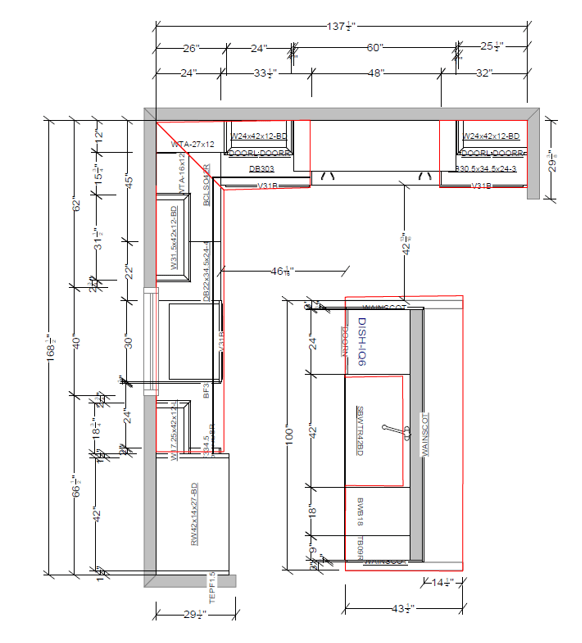
Image Source: www.seapointe.com
Setting the Foundation: Vision and Budget
Before picking out tiles, you must know what you need and what you can spend. This initial phase is crucial for creating a functional kitchen.
Defining Your Kitchen Needs
Think about how you use your current kitchen. What works well? What causes problems? Make a wish list.
- Do you cook daily or occasionally?
- How many people use the kitchen at once?
- Do you need a large area for homework or socializing?
- What is the main style you like (modern, farmhouse, traditional)?
This self-assessment helps guide all choices. It ensures the final design serves your life, not just trends.
Establishing Your Kitchen Renovation Budget Planning
Be honest about your spending limit. A good kitchen renovation budget planning includes a 10% to 20% contingency fund. Unexpected issues always pop up during construction.
Typical Budget Breakdown (Estimates Only):
| Category | Estimated Percentage of Total Budget |
|---|---|
| Cabinets and Hardware | 30% – 40% |
| Appliances | 15% – 20% |
| Installation/Labor | 15% – 20% |
| Countertops | 10% – 15% |
| Flooring and Backsplash | 5% – 10% |
| Lighting and Plumbing | 5% – 10% |
| Contingency | 10% – 20% |
Stick to this plan closely. Going over budget often happens when people change their minds late in the process.
Phase Two: Mastering Kitchen Layout Design
The layout is the backbone of your remodel. A smart kitchen layout design improves workflow and makes the space feel bigger. The layout dictates where the sink, fridge, and stove (the “work triangle”) will sit.
The Work Triangle Concept
The work triangle connects the three main work areas: the sink, the refrigerator, and the stove/cooktop. Efficient movement between these spots saves steps.
- Keep the total distance of the three legs between 13 feet and 26 feet.
- Do not let a walkway cut through the triangle.
Common Kitchen Layout Options
Your room size and shape guide the best layout.
Galley Kitchen
Two parallel walls form the space. This is great for long, narrow rooms. It maximizes efficiency for one cook.
L-Shaped Kitchen
Cabinets and appliances are arranged along two adjoining walls. This is very popular. It leaves a large open area for an island or dining space.
U-Shaped Kitchen
Cabinets line three walls. This provides tons of storage and counter space. It works well in square or slightly rectangular rooms.
Island Kitchens
An island adds prep space, storage, or seating. It works best in larger areas to keep the work triangle functional. A clear path of at least 42 inches should surround the island.
Peninsula Kitchens
Similar to an island, but one end is attached to a wall or existing cabinet run. This is a good solution for smaller spaces needing extra counter space.
Phase Three: Choosing Your Cabinets and Storage
Kitchen cabinet planning is perhaps the most significant visual and functional choice you will make. Cabinets take up the most space.
Cabinet Construction Types
Cabinets generally come in three types:
- Stock: Ready-made sizes. Cheapest and fastest.
- Semi-Custom: Offer more size/finish options than stock. A good middle ground.
- Custom: Built specifically for your space. Most expensive but offer the perfect fit and features.
Door Styles Matter
The door style affects the overall look of your kitchen.
- Shaker: Simple, clean lines. Very versatile. Fits modern or traditional looks.
- Slab (Flat Panel): No details. Very sleek and modern.
- Raised Panel: Features a center panel higher than the frame. Traditional look.
Maximizing Interior Storage
Think beyond just shelves. Good storage makes creating a functional kitchen easy.
- Drawers over Doors: Drawers are better for lower cabinets. You can see everything easily.
- Pull-Out Shelves: Great for deep cabinets to avoid losing items in the back.
- Corner Solutions: Lazy Susans or pull-out ‘magic corners’ utilize awkward corner spaces.
- Pantry Storage: Consider a tall pantry with roll-out trays for easy access to food items.
When planning, measure carefully! Poor kitchen cabinet planning leads to wasted space or ill-fitting units.
Phase Four: Selecting Surfaces and Finishes
Surfaces take a lot of wear and tear. Choosing the right countertop material selection and flooring options for kitchens is key to longevity and style.
Countertop Material Selection
Countertops need to resist heat, scratches, and stains. Your budget also plays a big role here.
Countertop Comparison:
| Material | Pros | Cons | Cost (Relative) |
|---|---|---|---|
| Granite | Very durable, heat resistant, unique patterns | Needs periodic sealing, can chip if hit hard | $$$ |
| Quartz (Engineered Stone) | Non-porous (no sealing needed), uniform look, strong | Can be sensitive to very high heat, costly | $$$$ |
| Laminate | Very budget-friendly, huge color range | Scratches easily, sensitive to heat, hard to repair | $ |
| Butcher Block (Wood) | Warm look, can be sanded/refinished | Needs regular oiling, susceptible to water damage | $$ |
| Marble | Elegant, classic look | Soft, stains easily, etching from acids is common | $$$$$ |
Choose a material that matches your lifestyle. If you bake often, quartz or granite might be better than marble.
Flooring Options for Kitchens
The floor must handle spills, foot traffic, and dropped items. Flooring options for kitchens should balance looks with durability.
- Ceramic or Porcelain Tile: Highly durable, water-resistant, and comes in endless styles (even looking like wood). Can be cold and hard underfoot.
- Luxury Vinyl Plank (LVP): Very popular. Looks like wood or stone but is waterproof and softer than tile.
- Hardwood: Offers warmth but needs protection from major water spills. Requires maintenance.
Phase Five: Designing for Light and Airflow
Proper lighting and ventilation dramatically affect comfort and safety in the kitchen. Good kitchen lighting design involves layers.
Layered Kitchen Lighting Design
A single overhead fixture is not enough. You need three types of light.
- Ambient Lighting: General room illumination. Use recessed lights or flush-mount fixtures. Space them evenly across the ceiling.
- Task Lighting: Essential for safety. This shines directly onto work surfaces. Use under-cabinet lighting for counters. Pendants over an island also serve this function.
- Accent Lighting: Used to highlight features, like a glass cabinet display or unique backsplash. Use small spotlights or strip lighting inside cabinets.
Ventilation and Air Quality
Proper ventilation removes smoke, grease, and odors. Always choose a range hood that vents outside.
- Sizing: The hood should be at least as wide as your cooktop.
- Power (CFM): High-powered gas ranges need higher CFM (Cubic Feet per Minute) extraction rates, often 400 CFM or more.
Phase Six: Kitchen Appliance Placement
Where you put your major items impacts your daily use. Smart kitchen appliance placement supports the work triangle.
Refrigerator Location
Place the fridge near the entry point of the kitchen. This allows people to grab drinks without walking through the main cooking zone. Consider placing it near a wall so the door opens fully without hitting cabinets.
Cooktop and Oven
If you have a large kitchen, consider separating the cooktop and wall ovens. This allows two people to prep and cook simultaneously without bumping elbows. Always ensure adequate landing space (counter space) next to the stove for hot pans.
Dishwasher Placement
The dishwasher should sit right next to the sink. This minimizes drips when loading dishes. Ensure there is space on either side for racking dirty and clean plates.
Phase Seven: Enhancing Details: Backsplashes and Hardware
These smaller details tie the whole design together. They are often easier and cheaper to update later if you change your style.
Kitchen Backsplash Ideas
The backsplash protects the wall behind sinks and stoves. It is also a major decorative element.
- Subway Tile: Classic, affordable, and timeless. Works with almost any kitchen cabinet planning style.
- Natural Stone Slabs: Using the same material as the counter creates a seamless, high-end look.
- Mosaics: Small tiles create texture and visual interest but can be harder to clean due to more grout lines.
When choosing, consider grout color. Dark grout hides stains better than white grout.
Hardware Choices
Knobs and pulls anchor the look of your cabinetry. Finish matters—brushed nickel, matte black, or brass all give different feelings.
- For modern looks, long, slim pulls work well.
- For traditional kitchens, detailed knobs or cup pulls feel appropriate.
Test hardware sizes. A large drawer looks better with a long pull than two small knobs.
Phase Eight: Utilizing Technology in Your Design
Modern tools make planning easier and help visualize the final result.
Exploring Kitchen Design Software
Using kitchen design software lets you test layouts without knocking down walls. Many cabinet manufacturers offer free tools based on their product lines. Online 3D planners allow you to place cabinets, appliances, and even sample colors. This helps catch spatial errors early on.
Smart Appliances and Functionality
Consider smart appliances. Refrigerators that track inventory or ovens controlled by phone can boost efficiency. Voice-activated lighting controls add convenience when your hands are full.
Finalizing Your Kitchen Renovation Budget Planning
Once all materials are chosen, revisit your kitchen renovation budget planning. Get final quotes from your contractors. Confirm lead times for custom cabinets and specific appliances. Delays in these areas are common budget killers. Always pay deposits only when contracts are signed and start dates are confirmed.
A well-designed kitchen blends form and function perfectly. By focusing on layout, quality materials, and layered lighting, you ensure your remodel is successful for years to come.
Frequently Asked Questions (FAQ)
How long does a typical kitchen remodel take?
A basic cosmetic update (new paint, hardware, possibly new appliances) might take 1–3 weeks. A full gut renovation involving moving plumbing and electrical, new cabinets, and new layout can take anywhere from 6 to 12 weeks, or longer if custom items are involved.
What is the most durable countertop material for busy families?
Quartz is often considered the most durable choice for busy families because it is non-porous, meaning it resists stains very well and never needs sealing. Granite is a close second but requires annual sealing maintenance.
Should I prioritize the kitchen layout design or the finishes first?
You must prioritize the kitchen layout design first. Changing the layout later (moving walls, plumbing, or gas lines) is very expensive. Finishes (like tile and paint) can be swapped more easily once the core structure is set.
Can I save money by doing the demolition myself?
Yes, DIY demolition can save on labor costs. However, be extremely careful if you are removing walls. Always confirm the location of electrical wires or plumbing pipes before swinging a sledgehammer. If you are unsure, hire professionals for the risky parts.
What is the biggest mistake homeowners make in kitchen design?
The biggest mistake is poor kitchen layout design, specifically ignoring the work triangle or failing to allow enough circulation space around islands or peninsulas. Another common error is underestimating the need for sufficient task lighting.