
You can buy kitchen appliances from a variety of places, including big-box stores, specialized appliance dealers, online retailers, and warehouse clubs. Choosing the right spot depends on what you need, like price, service, and delivery options.
Buying new kitchen appliances is a big step for any homeowner. You need reliable machines that work well for years. Picking the right store is just as important as picking the right refrigerator or oven. This guide will walk you through the top places to shop, helping you find the best kitchen appliance stores for your needs. We will look at the pros and cons of each option so you can make a smart choice.
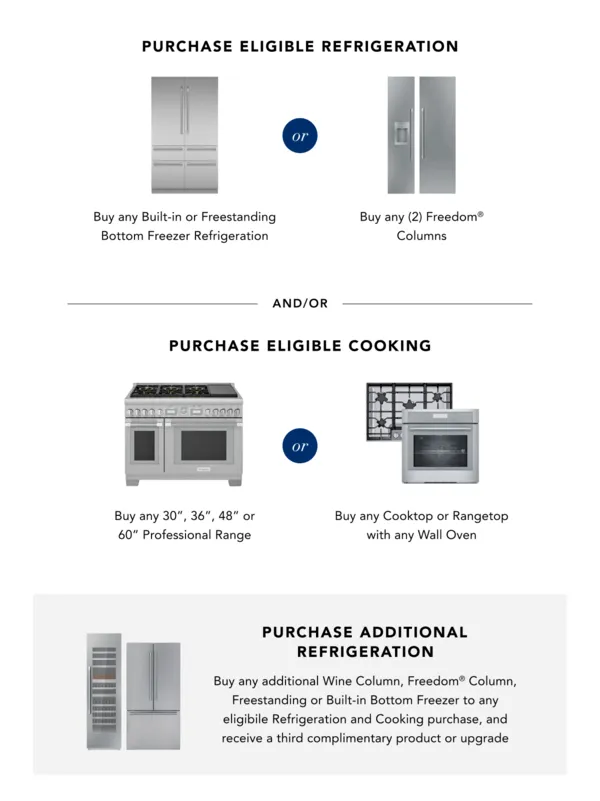
Image Source: media3.bsh-group.com
Major Retail Chains: The Big Box Experience
Big box stores offer a wide selection of brands under one roof. They often have competitive pricing and immediate stock for popular models. These stores are great if you want to see the appliances in person before buying.
Advantages of Big Box Stores
These large stores make shopping easy. They often run big sales events throughout the year.
- Wide Selection: They stock major brands like Whirlpool, Samsung, LG, and GE.
- Convenience: Many locations mean you can visit easily.
- Financing Options: They usually offer store credit cards with special financing deals.
Things to Watch Out For
Service quality can vary greatly between locations. Delivery times might be longer if the item isn’t in stock. Make sure to check reviews of kitchen appliance stores before you commit to a purchase here.
Specialty Appliance Dealers: Service and Expertise
These stores focus only on selling home appliances. They often provide a higher level of customer service and technical knowledge. These shops are excellent if you need help deciding between complex models or require specialized installation. They aim to be reputable kitchen appliance dealers.
Expert Guidance and Installation Support
Staff at specialty dealers usually have deep product knowledge. They can explain the fine details of features and compare energy efficiency.
- Knowledgeable Staff: Salespeople often know the technical specs well.
- Better Post-Sale Support: They frequently manage their own delivery and installation teams.
Finding Local Kitchen Appliance Showrooms
Visiting a local kitchen appliance showroom lets you touch and open the boxes. You can check the depth of a fridge or how easily an oven rack slides out. This hands-on experience is invaluable.
Online Retailers: Shopping from Home
Buying kitchen appliances online has become extremely popular. The internet offers unmatched price transparency and convenience. You can shop 24/7 from your living room.
The Appeal of Buying Kitchen Appliances Online
Price comparison is simple when you shop digitally. You can quickly see who offers the best prices for new kitchen appliances.
- Price Comparison: Easy to shop around for the best prices for new kitchen appliances.
- Customer Reviews: Access to thousands of user reviews helps guide your decision.
- Delivery Options: Many online sellers offer white-glove delivery and setup.
Caveats of Online Appliance Shopping
You cannot physically inspect the appliance before it arrives. Damage during shipping can happen. Always verify the return policy carefully. Look for sellers who are authorized kitchen appliance sellers to ensure you receive valid warranties.
Comparison Table: Online vs. Brick-and-Mortar
| Feature | Online Retailers | Brick-and-Mortar Stores |
|---|---|---|
| Price Visibility | Very High; easy to compare. | Varies; requires visiting multiple sites/stores. |
| Hands-On Inspection | None before delivery. | Excellent in showrooms. |
| Immediate Availability | Often requires shipping time. | High for in-stock items. |
| Customer Support | Chat/Email based, sometimes slow. | In-person, immediate feedback. |
| Installation | Often outsourced or an extra fee. | Frequently handled directly by the store. |
Warehouse Clubs: Hunting for Deals
Warehouse clubs, like Costco or Sam’s Club, are well known for bulk goods, but they also sell major appliances. They attract customers looking to find where to buy cheap kitchen appliances.
Value Proposition at Warehouse Clubs
These stores often offer competitive pricing on specific, curated models. Their return policies are usually very generous, which offers peace of mind.
- Good Deals on Select Models: They often feature specific promotions.
- Strong Return Policies: Membership often comes with robust buyer protection.
Limitations of Warehouse Club Appliance Sections
The selection is usually much smaller than at specialized stores. You might find a great deal on a specific range, but not the exact model you need to match your existing suite. They might not have dedicated appliance experts on staff.
Discount and Outlet Retailers: Saving Big Money
If budget is your main concern, discount kitchen appliance retailers and factory outlets are excellent places to check. These stores offer ways to buy appliances for less.
Where to Buy Cheap Kitchen Appliances
Outlet centers are prime spots for finding reduced prices. They stock items that might be floor models, have slight cosmetic damage, or are older versions of current models.
- Scratch and Dent Sales: Appliances with minor cosmetic flaws sell for much less.
- Floor Models: Display units are often discounted heavily.
The Trade-Off for Lower Prices
You must accept imperfections. If a small scratch on the side of the fridge bothers you, an outlet deal might not be right. Always confirm the warranty coverage; sometimes, outlet items have shorter or voided manufacturer warranties. This is why comparing kitchen appliance retailers based on warranty is crucial here.
Authorized Sellers and Warranty Coverage
When purchasing high-value items like refrigerators or dishwashers, ensuring you are buying from an authorized kitchen appliance seller is vital for warranty validity.
Why Authorization Matters
Manufacturers provide warranties based on where the product was purchased. If you buy from an unauthorized third party (sometimes seen on very obscure online marketplaces), the manufacturer might refuse service if the appliance breaks down.
- Warranty Protection: Only authorized dealers ensure the full manufacturer warranty applies.
- Authentic Products: You are guaranteed to receive genuine, new products, not refurbished or grey-market goods.
Verifying Authorized Status
Most major brands list their authorized dealers on their official websites. Before making a large purchase, take a minute to check the store against the manufacturer’s list. This protects your investment, especially when looking for the best prices for new kitchen appliances—a super low price from an unauthorized seller isn’t a bargain if the warranty is useless.
Deciphering the Best Deals: Price vs. Value
Finding the best prices for new kitchen appliances is more than just seeing the lowest sticker price. True value includes delivery, installation, and post-sale support.
Total Cost of Ownership
Think about everything involved in getting that oven into your kitchen and working perfectly.
- Base Price: The advertised cost.
- Delivery Fee: Some stores charge a lot for this; others include it.
- Installation Charge: Hooking up gas lines or complex plumbing adds cost.
- Haul-Away Fee: Removing your old unit can cost extra.
- Warranty/Protection Plans: Extended plans add to the total.
A specialty dealer might have a slightly higher base price but include free delivery and installation, making their total cost lower than an online store that charges separately for every step. This is why comparing kitchen appliance retailers requires a holistic view.
Sales Cycles and Timing Your Purchase
Appliance prices fluctuate based on seasonal demand and new model releases. Knowing when stores are motivated to sell can save you hundreds.
Peak Discount Times:
- Holiday Weekends: Memorial Day, Labor Day, and Black Friday are huge sales periods.
- New Model Year Launches: Typically in the late summer or early fall, stores deeply discount the outgoing models.
- End of Quarter/Month: Sales staff often push hard to meet internal quotas.
If you are not in a rush, tracking prices through various channels—checking big box stores, looking at specialty dealers, and browsing major online portals—will reveal the best moment to strike.
Evaluating Customer Service and Installation
The purchase is only half the battle; getting the appliance installed correctly is crucial, especially for built-in units like wall ovens or gas cooktops.
Installation Quality Checks
Poor installation can void warranties or lead to dangerous situations (like gas leaks). Always ask retailers:
- Who performs the installation? Is it their trained, in-house team, or a third-party subcontractor?
- What is their licensing/insurance? They should be able to prove they are insured for electrical or gas work.
- What happens if it leaks or doesn’t work after install? The dealer must take responsibility.
When looking at reviews of kitchen appliance stores, prioritize comments about installation and how problems were resolved post-delivery.
Handling Returns and Defects
If an appliance arrives damaged or stops working within the first few weeks, a good retailer makes the exchange process smooth. Reputable kitchen appliance dealers handle these issues quickly. If you buy from a site with poor customer support, you could be stuck arguing with a manufacturer weeks later.
The Role of Independent Sellers and Third-Party Platforms
Beyond the main channels, there are other places to find appliances, though caution is advised.
Social Marketplaces and Used Appliances
Platforms like Facebook Marketplace or Craigslist offer the chance to buy used appliances very cheaply, often allowing you to find where to buy cheap kitchen appliances for cash.
Caveat: Used appliances have almost no recourse if they fail immediately. They rarely come with a warranty unless explicitly stated by a small independent reseller who fixes and resells them. This is generally only recommended for very simple, inexpensive units like a small secondary refrigerator.
Manufacturer Direct Sales
Some larger manufacturers sell directly to consumers via their own websites. This guarantees authenticity and warranty adherence but often limits your ability to compare kitchen appliance retailers side-by-side on price. They might also have limited inventory compared to major retailers.
Key Considerations When Choosing Your Retailer
To simplify your decision-making, focus on these three pillars: Price, Product, and People (Service).
Price Focus
If your goal is strictly securing the best prices for new kitchen appliances, you should focus your search on:
- Outlet stores (for slight imperfections).
- Large online retailers during major sales (for deep discounts).
- Warehouse clubs (for membership-based value).
Product Focus
If you need a niche or high-end integrated appliance, focus on:
- Specialty dealers (for expert knowledge).
- Authorized sellers (to ensure factory availability).
People Focus (Service)
If installation, service, and long-term support are paramount, focus on:
- Local kitchen appliance showrooms known for good service teams.
- Established, reputable dealers with strong track records.
A good retailer bridges the gap between these three areas. They offer competitive pricing while backing it up with reliable service.
Finalizing Your Purchase Strategy
After comparing kitchen appliance retailers across the board, you may find that the best strategy is a hybrid approach.
- Research Online: Use websites to find the model numbers you like and check baseline pricing across several authorized kitchen appliance sellers.
- Visit Showrooms: Go to your local kitchen appliance showrooms or best kitchen appliance stores to test the models physically.
- Negotiate Locally: Take the lowest online price you found to your preferred local dealer. Sometimes, they will match the price to earn your installation business. This is often the best way to get both a competitive price and excellent local service.
This layered approach ensures you benefit from the low prices available when buying kitchen appliances online while mitigating risks through the expertise and support offered by physical locations. Remember, the cheapest option isn’t always the best option when dealing with large, complex machinery that requires professional setup.
Frequently Asked Questions (FAQ)
Q1: Is it better to buy appliances online or in a store?
It depends on your priority. Online shopping is generally better for finding the best prices for new kitchen appliances quickly through comparison. In-store shopping is better if you need hands-on inspection, immediate expert advice, or guaranteed installation service from the seller.
Q2: How can I find out if a seller is an authorized kitchen appliance seller?
The easiest way is to visit the official website of the appliance brand (like KitchenAid or Bosch). They usually have a “Where to Buy” or “Find a Dealer” locator that lists all authorized kitchen appliance sellers in your area.
Q3: Are discount kitchen appliance retailers trustworthy?
Many are. Outlets and “scratch and dent” operations run by reputable dealers are generally trustworthy, provided you accept the cosmetic flaws and confirm the warranty terms. Be highly cautious of unknown third parties selling deeply discounted items, as they may not be authorized.
Q4: What is the best time of year to purchase new appliances?
The best times are major holiday weekends (especially Labor Day and Black Friday) and when manufacturers release new models (often late summer/early fall). Shopping at the end of the month or quarter can also yield better negotiations.
Q5: Should I always buy an extended warranty?
Extended warranties are optional and can be expensive. If you buy from a retailer with a poor reputation for post-sale support, an extended warranty from them might be necessary. However, if you purchase from a top-tier, reputable kitchen appliance dealer, their excellent service might make the retailer’s warranty less valuable than the manufacturer’s standard coverage. Read the terms closely.