
The standard kitchen table height is generally around 28 to 30 inches tall. This range is considered the comfortable kitchen table height for most adults when paired with a standard dining table size chair, which typically has a seat height of 17 to 19 inches.
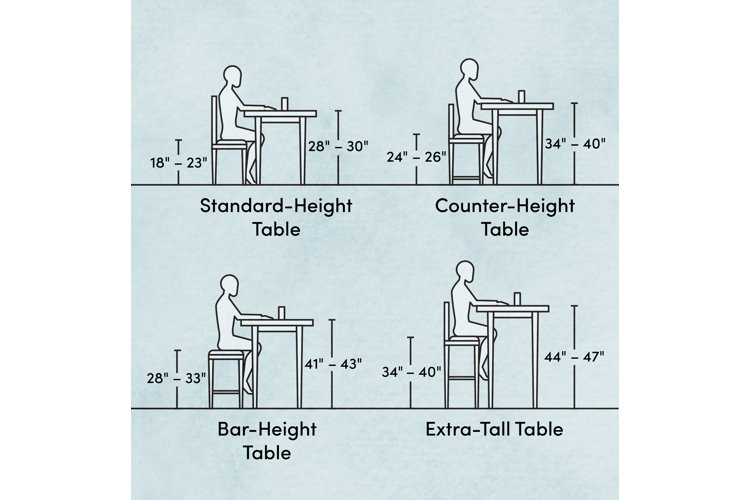
Image Source: secure.img1-fg.wfcdn.com
Determining the Right Fit: A Deep Dive into Kitchen Table Heights
Choosing the right height for your kitchen table is vital. It impacts comfort, functionality, and even the look of your eating space. People often wonder, what is the right height for a kitchen table in their own homes? The answer depends on how you plan to use the table and who will be using it most often.
We will explore the common sizes, from low dining tables to high bars. This guide will help you find the perfect fit. We look at the average dining table dimensions and compare them to other popular options.
Standard Dining Table Sizes: The Classic Choice
Most homes feature a standard dining table size. This height is proven over many years to work well for everyday meals. These tables are meant to be used with regular dining chairs.
Typical Height of Kitchen Tables
The typical height of kitchen tables falls within a narrow band. This consistency helps furniture makers and buyers.
| Table Type | Standard Height Range (Inches) | Standard Height Range (CM) | Recommended Chair Seat Height (Inches) |
|---|---|---|---|
| Standard Dining Table | 28″ to 30″ | 71 cm to 76 cm | 17″ to 19″ |
| Counter Height Table | 34″ to 36″ | 86 cm to 91 cm | 24″ to 26″ |
| Bar Height Table | 40″ to 42″ | 102 cm to 107 cm | 28″ to 30″ |
The key factor here is the space between the chair seat and the tabletop. You need about 10 to 12 inches of space for your legs to fit comfortably underneath. This space is crucial for good posture while eating.
Components of a Standard Table Setup
When discussing standard kitchen table height, we must look at the whole setup.
- Tabletop Thickness: Thicker tops raise the overall height slightly. A standard top might add 1 to 3 inches to the leg length.
- Leg Structure: The design of the legs and base can affect how easily chairs slide in and out.
- Fixed Height Kitchen Table: Most residential tables are fixed height kitchen table designs. They do not adjust. This means getting the height right the first time is important.
Moving Up: Counter Height Tables
Not all kitchens use the standard kitchen table height. Many modern designs use taller tables. These are called counter height tables. They match the height of standard kitchen counters.
Counter Height Table Dimensions
Counter height table dimensions are taller than dining tables. This offers a different feel in the kitchen. It suits casual eating and socializing.
Why choose this height?
- Better Use of Space: Taller tables can sometimes fit better in smaller, open-plan kitchens.
- Matching Counters: They line up nicely with existing kitchen counters, making the space feel unified.
- Standing Comfort: They are easier to use while standing for quick snacks.
If you choose this route, you need taller stools. These stools are often called counter stools. They are higher than dining chairs. This keeps the necessary 10-12 inch gap between the seat and the table.
Going Tall: Bar Height Tables
At the tallest end of the spectrum are bar height tables. These mimic the height of a traditional home bar or pub table.
Bar Height Table Measurements
Bar height table measurements place the surface significantly higher than a standard table. These require specialized, tall bar stools.
Think about the use case for these very tall tables:
- Social Hubs: They work great as gathering spots separate from the main dining area.
- Views: If you have a nice view from a window, a bar height table allows you to see over the counter easily.
- High Traffic Areas: Their height can make them feel less obstructive in busy walkways.
If you opt for a bar height setup, ensure the bar stools have footrests. Your feet need a place to rest when seated this high.
Measuring for Comfort: What Is the Right Height for a Kitchen Table?
The decision about what is the right height for a kitchen table comes down to ergonomics. Ergonomics is how well the table fits the human body. Poor height leads to bad posture, strained shoulders, and aching backs.
The Key Measurement: Knee and Elbow Clearance
The most important factor for comfort is the space available for your legs and elbows.
- Knee Space: Aim for 10 to 12 inches of space between the seat and the bottom of the tabletop.
- Elbow Height: When seated, your elbows should rest slightly above the table surface. This means your forearms can rest naturally while eating.
If the table is too low, you hunch over. If it is too high, your shoulders rise uncomfortably toward your ears.
Factors Affecting Your Choice
Several things dictate the best typical height of kitchen tables for your home:
- User Height: Taller people might prefer a slightly higher standard table (closer to 30 inches). Shorter individuals might be more comfortable closer to 28 inches.
- Primary Use: Is this just for quick breakfasts, or formal sit-down dinners? Quick meals might suit counter height better.
- Chair Style: Do you plan to use armless chairs, or chairs with arms? Chairs with arms need more side clearance, which a slightly taller table might offer if the chairs are bulky.
Adapting to Your Space: Size and Shape
Height is not the only dimension to consider. The overall size and shape matter too. While this guide focuses on height, the width and length affect how many people fit comfortably.
Standard Dining Table Size by Shape
The shape impacts the dining experience, even if the height is standard (28-30 inches).
- Round Tables: Good for conversation. A 48-inch round table seats four well.
- Square Tables: Ideal for four people. Standard sizes are often 36″ x 36″ or 48″ x 48″.
- Rectangular Tables: The most versatile for seating capacity. A 60-inch long table usually seats six.
When pairing a table with a taller height, like counter height, you often need slightly more surface area per person because the seating feels less formal and people might sprawl out more.
Custom Heights and Adjustments
While many tables are fixed height kitchen table models, some options allow for flexibility.
Adjustable Height Tables
Some specialized tables offer adjustable legs. These are great for households with children who are growing or for people with mobility issues who need varying seat heights. However, these are less common and often more expensive than a standard height model.
Using Different Seating to Change Perceived Height
You can slightly alter the functional height without buying a new table by changing the chairs.
- Raising a Low Table: If your table is slightly too low (say, 27 inches), you can use chairs with slightly thicker legs or add small risers under the chair legs. This is tricky and not usually recommended for long-term stability.
- Lowering a High Table: If a counter height table feels too high, you can use stools with shorter legs or add thick seat cushions to raise the sitter closer to the top.
Remember the golden rule: maintain that 10 to 12-inch clearance gap for optimal use.
The Aesthetic Impact of Table Height
The height you select greatly influences the look of your kitchen or dining area.
Low Tables (Standard Height)
Standard height tables create a more traditional, intimate dining setting. They ground the room and feel familiar. They work best in dedicated dining rooms or larger kitchens where the table is the primary eating spot.
Medium Tables (Counter Height)
Counter height tables bridge the gap between the kitchen workspace and the dining area. They offer a more relaxed, café-like atmosphere. They help define zones in open-concept living spaces. They pair well with open shelving or tall cabinetry.
Tall Tables (Bar Height)
Bar height tables make a bold, modern statement. They often feel less formal and more energetic. They look best in spaces with high ceilings or when used specifically as a secondary gathering area rather than the main eating spot.
Comparing Counter Height Table Dimensions and Bar Height Table Measurements
It is easy to confuse counter height table dimensions and bar height table measurements. Here is a simple way to keep them separate:
- Counter Height: Think of your standard kitchen counter. It is the height where you chop vegetables or mix dough. The table matches this.
- Bar Height: Think of a commercial bar or pub where you sit on a tall stool to order a drink. The table is noticeably taller than the counter.
If you have standard height counters (36 inches), a counter height table will be 34–36 inches tall. A bar height table will be 40–42 inches tall. This extra 4 to 6 inches makes a big difference in seating feel.
Kitchen Table Height in Inches: Standardizing the Numbers
When shopping internationally or looking at online specifications, dimensions are always given in inches. Recalling the key numbers helps when comparing products.
The standard kitchen table height is consistently 29 inches in many guides, but a range from 28 to 30 inches covers most manufacturer specifications for a standard dining table size.
For practical purposes, when designing a kitchen, plan for these dimensions:
- Dining: 28″–30″ table height.
- Counter: 34″–36″ table height.
- Bar: 40″–42″ table height.
Always check the recommended seating height to ensure compatibility. A good rule of thumb is to check the chair seat height plus 11 inches; that should equal your table height for ideal comfort.
Ergonomic Considerations for All Ages
The perfect height changes based on who is using the table most often.
Tables for Children
If young children use the table daily, a standard height might be too tall for them, even with booster seats. Some families opt for smaller, lower tables just for kids. A fixed height kitchen table might not serve a family with very young children well unless they use substantial, stabilizing booster seats or high chairs that fit underneath.
Tables for Seniors or Those with Mobility Issues
For older adults or those using wheelchairs, the table height needs careful planning. Wheelchair users require more clearance underneath (often 27–30 inches of clear knee space). This often means choosing a table that is slightly taller than standard (perhaps 30–32 inches) but ensuring the chairs used by others are compatible, or selecting an adjustable model.
If you must buy a standard table, measure the actual clearance between the apron (the wood panel under the tabletop) and the floor. This determines if a wheelchair can slide under properly.
Finding the Right Seat for Your Table Height
The table is only half the equation. The chair or stool must match perfectly to achieve a comfortable kitchen table height.
Dining Chair Specifications
Standard dining chairs have seats between 17 and 19 inches high. This supports the standard 28–30 inch dining table.
Counter Stool Specifications
Counter stools must accommodate the 34–36 inch counter height table dimensions. Look for seats in the 24–26 inch range. Check for comfortable back support, as these are often used for less formal, shorter periods of sitting.
Bar Stool Specifications
Bar stools are the tallest. They need seats around 28–30 inches high to suit the 40–42 inch bar height table measurements. Footrests are mandatory for comfort at this height.
Summary of Height Choices
To summarize your options when selecting the average dining table dimensions or alternative heights:
- Standard Dining: Best for formal meals and general comfort across most adults. It’s the default choice.
- Counter Height: Great for casual, modern kitchens. It blends with work surfaces.
- Bar Height: Best for entertaining or as a secondary, stand-up-friendly surface.
When you are measuring your space, remember to account for the typical height of kitchen tables plus the necessary space around the perimeter for pulling chairs out. You need about 3 feet of clear space around the entire table edge for comfortable movement.
Frequently Asked Questions (FAQ)
How much space should be between the seat and the table?
For ideal comfort, there should be 10 to 12 inches of space between the top of the chair seat and the bottom of the tabletop. This allows enough room for your thighs and provides elbow clearance.
Can I use dining chairs with a counter height table?
No, you should not. Dining chairs are too low for a counter height table (34″-36″). You will have inadequate leg space, forcing you to hunch over the table, making it uncomfortable. You must use counter stools (24″-26″ seat height).
Are kitchen tables taller than dining tables?
Traditionally, a kitchen table referred to a standard 28″-30″ table. However, today, “kitchen table” often refers generally to any table in the kitchen. This includes taller counter height tables (34″-36″). So, yes, some tables labeled for the kitchen are taller than traditional dining tables.
What height is considered bar height for tables?
Bar height tables are typically 40 to 42 inches tall. This requires bar stools with seat heights around 28 to 30 inches.
If I buy a standard dining table, what is its height in inches?
A standard dining table size is usually between 28 and 30 kitchen table height in inches. This measurement refers to the height of the tabletop surface from the floor.