
Yes, you can remove your kitchen sink sprayer yourself with basic tools and a little patience. This guide will walk you through the simple steps for detaching sink sprayer attachment, whether you are looking to replace a faulty unit or upgrade your setup. Many people wonder about kitchen faucet sprayer replacement or the process for old sink sprayer disconnect, and we will cover it all here.
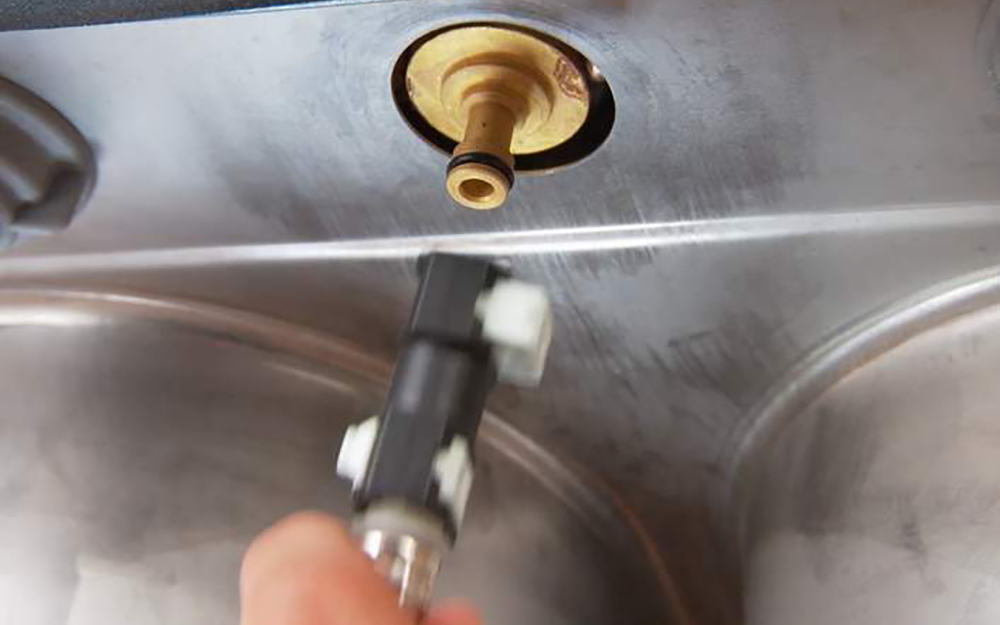
Image Source: contentgrid.homedepot-static.com
Why You Might Need to Remove Your Kitchen Sink Sprayer
There are several good reasons to take out your existing sprayer. Perhaps it’s leaking, spraying everywhere, or you simply want a change. Sometimes, fixing leaky kitchen sprayer issues means replacing the whole assembly, not just a small part. Other times, the hose might be damaged, making installing new sink sprayer hose necessary, which often means removing the old unit first. If you have a pull-down sprayer head that is acting up, replacing pull-down sprayer head might be the goal. Even if you just need to clean hard-to-reach spots, disassembling kitchen faucet sprayer can help access tight areas under the sink.
Gathering Your Tools Before You Start
Having the right tools makes the job much faster and safer for your plumbing. Do not start until you have everything ready.
| Tool Category | Specific Tool Needed | Purpose |
|---|---|---|
| Bucket and Towels | Small bucket, old rags | Catching water that drains out. |
| Wrench Set | Adjustable wrench, basin wrench | Loosening tight nuts under the sink. |
| Pliers | Channel-lock pliers | Gripping hoses and connections firmly. |
| Safety Gear | Safety glasses | Protecting your eyes from drips or falling parts. |
| Lighting | Flashlight or headlamp | Seeing clearly in the dark cabinet space. |
| Other | Utility knife (for zip ties), penetrating oil (if rusted) | Cutting ties or freeing stuck metal parts. |
Step 1: Shutting Off the Water Supply
This is the most critical first step. Never work on plumbing without turning the water off.
Locating the Shut-Off Valves
Look directly under the sink cabinet. You should see two small knobs or handles connected to the hot and cold water lines going up to the faucet.
- Turn the Valves: Turn both the hot and cold shut-off valves clockwise until they stop. Turn them firmly but do not force them excessively.
- Test the Water: Turn on the main kitchen faucet handle and the sprayer (if accessible) to release any remaining pressure and ensure the water is truly off. Only a small dribble should come out.
- Prepare for Spills: Place your small bucket right under the sprayer hose connection point, which is usually accessible from under the sink. Lay towels around the area too.
Step 2: Accessing the Underside Connections
Most of the work happens under the sink. This area is often tight and dark, so take your time.
Working with Undermount Sink Sprayer Removal
If you have an undermount sink sprayer removal task, the process is similar to a standard mount, but access might be trickier depending on how tight the space is around the sink basin mounting hardware.
- Clear the Cabinet: Take everything out from under the sink. This gives you room to move and see.
- Find the Hose Connection: Trace the sprayer hose down from where it enters the cabinet space. It will connect to the main faucet body or sometimes directly to the water supply lines, depending on the sprayer type.
- Identify the Main Connection Point: This is where the sprayer hose links to the fixture that controls the water flow to the spray head. This is often a threaded connection or a quick-connect fitting.
Step 3: Disconnecting the Old Sprayer Hose
The actual removal depends on the type of sprayer you have: a traditional side sprayer or a modern pull-down style.
For Traditional Side Sprayers (Separate Unit)
Traditional sprayers have a hose running separately from the main faucet body.
- Locate the Nut: There will be a large coupling nut connecting the sprayer hose to the faucet shank or valve assembly under the sink.
- Use the Wrench: Use your adjustable wrench or channel-lock pliers to grip this nut firmly. Turn it counter-clockwise to loosen it. Be prepared for a small amount of water to spill into your bucket.
- Detaching Sink Sprayer Attachment: Once the nut is loose, you can detach the old hose completely. If the connection is very old or corroded, a little penetrating oil sprayed on the threads might help before you try wrenching it.
For Pull-Down Sprayers (Integrated Hose)
If you are replacing pull-down sprayer head or the entire pull-down unit, you will encounter a different connection.
- Locate the Hose Weight (If Applicable): Pull-down sprayers often have a weight clipped onto the hose loop underneath the sink. Remove this weight first; it usually unclips easily.
- Find the Quick Connect: Modern faucets often use a quick-connect fitting. These usually have a locking tab or ring you need to press down or pull back before the hose will separate from the main faucet line. Consult your faucet manual if you have trouble disassembling kitchen faucet sprayer components here.
- Hose Disconnection: If it is not a quick connect, it will be a threaded connection, similar to the traditional style. Loosen the nut counter-clockwise. This is key for old sink sprayer disconnect.
Dealing with Sink Sprayer Hose Troubleshooting Connections
If you are trying to fix the leak by sink sprayer hose troubleshooting, sometimes the leak isn’t in the hose itself but at the connection point. When disconnecting:
- Check the rubber washer or O-ring inside the female fitting. If it’s cracked or missing, that caused the leak, and replacing it might solve your issue without needing a full replacement.
Step 4: Removing the Sprayer Head from the Countertop
The sprayer head (or the separate side spray base) is held in place by mounting hardware beneath the sink deck.
For Side Sprayers
- Look for the Mounting Nut: Directly beneath the hole where the sprayer handle sits, you will find a large threaded shank or a retaining nut holding the sprayer base in place.
- Use a Basin Wrench: This specialized tool is excellent for reaching up behind the sink basin to loosen these nuts in tight spaces. If you don’t have one, a deep socket wrench might work, but it is often challenging.
- Unscrew and Lift: Turn the nut counter-clockwise. Once it’s fully unscrewed, you can lift the entire old side sprayer assembly straight up and out of the countertop hole.
For Pull-Down Faucets
If you are only replacing pull-down sprayer head, you might only need to detach the hose underneath. However, if you are removing the entire faucet structure to address fixing leaky kitchen sprayer from the main body, you will need to disconnect the supply lines and lift the whole faucet deck plate.
If you are simply removing the head for a dish spray head removal due to clogging or damage:
- Check the Hose End: Look at where the hose enters the spray head. Some heads screw directly onto the hose end, while others use a simple clip or collar.
- Unscrew or Unclip: Turn the head counter-clockwise if it screws on. If it’s clipped, gently push the clip inward while pulling the head off.
Step 5: Cleaning Up the Area
Once the old sprayer is completely removed, take a moment to clean up the area where it sat.
- Scrape Away Debris: Use a plastic scraper or a soft cloth to remove old plumber’s putty, silicone, or grime from around the hole in the sink or countertop.
- Dry Thoroughly: Make sure the surface is completely dry before installing any new components or covering the hole.
Step 6: Preparing for Installation (If Replacing)
If you are preparing for installing new sink sprayer hose or a whole new sprayer setup, follow these tips before putting the new part in.
Inspecting the Faucet Body
If the old unit was leaking badly, look closely at the threaded connection points on the main faucet body that you just disconnected from.
- Are the threads corroded?
- Is the fitting cracked?
If the main faucet body threads are damaged, kitchen faucet sprayer replacement might mean replacing the entire faucet, not just the hose and sprayer head.
Checking New Hardware
Lay out all the parts for your new sprayer. Ensure you have the new gaskets, washers, and mounting nuts that came with the replacement kit. Do not reuse old, compressed washers if new ones are provided.
Step 7: Installing the New Sprayer (Reverse Procedure)
Installing the new sprayer is essentially doing everything you just did, but in reverse.
Mounting the New Sprayer Head or Side Sprayer Base
- Apply Sealant (If Needed): If your new side sprayer or faucet base requires it, apply a thin bead of plumber’s putty or silicone around the base edge that touches the sink deck. This prevents water from seeping underneath.
- Insert and Secure: Feed the hose down through the hole. From underneath, slide the gasket and then the mounting nut onto the threaded shank.
- Hand-Tighten First: Hand-tighten the nut. Then, use your basin wrench to snug it up firmly. It should be tight enough not to wiggle but avoid over-tightening, which can crack the sink material or the sprayer base.
Connecting the Hose
This is crucial for preventing future leaks.
- Attach to Faucet: Connect the new sprayer hose to the corresponding connection point on the main faucet body.
- Quick-Connect: If it’s a quick-connect system, push the two ends together until you hear or feel a solid click. Tug gently to confirm it is locked.
- Threaded Connection: If it uses a threaded nut, slide the new washer into the female connector. Screw the coupling nut on by hand first to ensure it threads straight. Then, use your wrench to tighten it about a quarter to a half turn past finger-tight. A slight turn is usually enough; plumbing connections rarely need extreme force.
Reattaching the Hose Weight (For Pull-Downs)
Clip the new weight onto the lowest part of the new hose loop, ensuring it allows the sprayer head to retract smoothly back into the spout when released.
Step 8: Testing for Leaks
This final step confirms your success in old sink sprayer disconnect and new installation.
- Slowly Restore Water: Go back under the sink. Very slowly, turn the hot and cold shut-off valves counter-clockwise to turn the water back on. Listen for any unusual sounds.
- Check Underneath: Watch all the new connection points for any drips. If you see a leak at a threaded connection, turn the water off and give that nut another slight snug turn (about 1/8th of a turn).
- Test Operation: Turn on the faucet. Test the sprayer function. Run water through the dish spray head removal area for a few minutes at full pressure. Check under the sink again immediately after running the water to be certain everything is dry.
If you performed a kitchen faucet sprayer replacement, the new sprayer should feel responsive and leak-free.
Common Sprayer Removal Challenges and Fixes
Sometimes, removal isn’t as easy as turning a wrench.
Difficulty with Rusted Connections
If the metal fittings are old, they can seize up due to rust or mineral deposits.
- Solution: Soak a rag with white vinegar or spray a quality penetrating oil (like WD-40 or PB Blaster) onto the joint. Let it sit for 15–30 minutes. The acid or lubricant can break down the rust, allowing the wrench to work better.
Inability to Reach Connections
If you are dealing with a tight cabinet space, especially with an undermount sink sprayer removal:
- Solution: A basin wrench is your best friend here. It has a long handle and a pivoting jaw that grips nuts in awkward positions perfectly. If you cannot get a basin wrench in, consider removing the entire sink pedestal or base cabinet drawer if possible, just to get better access for the initial disconnection.
Stuck Quick-Connect Fittings
Sometimes, the collar on a quick-connect fitting gets stuck or resists pressing.
- Solution: Look closely at the collar. Often, you need to push it toward the faucet body while pulling the hose connection away. Do not use excessive force; sometimes a thin flathead screwdriver gently pressed against the locking tabs can release the tension.
Summary of Key Removal Points
| Task | Key Action | Important Note |
|---|---|---|
| Shutting Off Water | Close hot and cold supply valves fully. | Release pressure by briefly opening the faucet. |
| Disconnecting Hose | Use a wrench to loosen the coupling nut counter-clockwise. | Expect a small amount of residual water. |
| Removing Head/Base | Use a basin wrench to loosen the mounting nut under the sink. | Ensure you clean the area thoroughly post-removal. |
| Troubleshooting Leaks | If you see drips, check the O-rings/washers first. | Re-tightening slightly often stops minor leaks. |
Removing your kitchen sink sprayer is a manageable DIY task. By following these steps methodically—shutting off the water, using the right tools to loosen the fittings, and working slowly in the tight space under the sink—you can successfully complete old sink sprayer disconnect and prepare for an upgrade or repair, whether it involves a kitchen faucet sprayer replacement or just a simple dish spray head removal.
Frequently Asked Questions (FAQ)
Q: Do I need to turn off the main water supply to my house?
A: Usually, no. You only need to turn off the hot and cold shut-off valves located directly under the kitchen sink. If those valves are old and leak when you try to close them, then you must turn off the main water supply to the house first.
Q: What if my sprayer hose is leaking, but I don’t want to replace the whole faucet? Can I just replace the hose?
A: Yes, absolutely. If the leak is confined to the hose or the sprayer head, you can often perform installing new sink sprayer hose or replacing pull-down sprayer head without touching the main faucet body. Just ensure you buy the correct hose length and fitting type for your faucet model to ensure successful sink sprayer hose troubleshooting or replacement.
Q: How tight should I make the connection when installing a new sink sprayer hose?
A: For threaded connections, tighten it until it is snug using your wrench, and then give it about a quarter to a half turn more. Do not overtighten, as this can strip the plastic or metal threads, leading to a worse leak. For quick-connect fittings, you should only need to push until they click securely into place.
Q: I can’t reach the nut under my sink. What is the best tool for undermount sink sprayer removal?
A: The best tool for reaching tight spots under a sink is a basin wrench. It has a long shaft and a swiveling jaw designed specifically to reach and grip nuts located far back behind the basin or tight against the sink deck.
Q: My sprayer head is clogged. Is disassembling kitchen faucet sprayer necessary, or can I soak it?
A: For minor clogs, you can often soak the spray head in white vinegar for several hours to dissolve mineral buildup. If soaking doesn’t work, you may need to perform a dish spray head removal and check for damage inside the head itself or flush the hose while the head is detached.