
Can I replace a kitchen sink sprayer hose myself? Yes, you can absolutely replace a kitchen sink sprayer hose yourself; it is a common DIY plumbing repair that most homeowners can handle with basic tools and a little patience.
If your kitchen sprayer is leaking, spraying everywhere but down, or has completely detached, you likely need a kitchen sink sprayer hose replacement. This guide will walk you through the whole process, whether you are dealing with a standard side sprayer or a modern pull-down faucet hose change. We will cover everything from choosing the right part to the final setup, making replacing sink sprayer line simple.
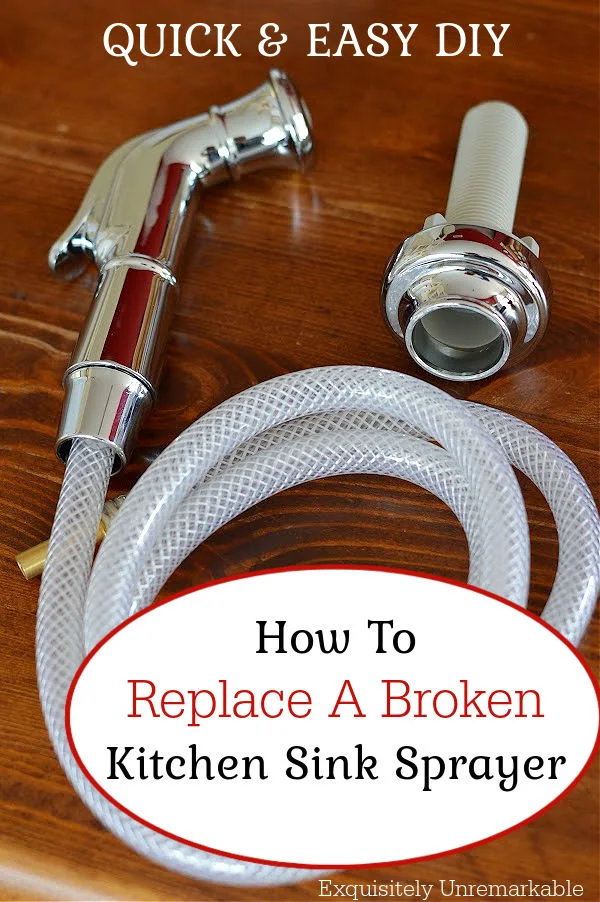
Image Source: blogger.googleusercontent.com
Gathering Your Supplies Before You Start
Before you get under the sink, having the right tools and parts makes the job much faster. Don’t start until you have everything ready. This prevents unnecessary trips to the hardware store later.
Essential Tools Needed
You will need a few basic tools for this job. Make sure they are clean and handy.
- Adjustable Wrench or Basin Wrench: A basin wrench is often best for tight spots under the sink, especially if you have a deep basin or an undermount sink sprayer hose installation.
- Pliers: Channel-lock pliers can help grip stubborn nuts.
- Bucket and Old Towels/Rags: Water will drip out when you disconnect the old line. Have a bucket ready to catch the water and plenty of rags to wipe up spills.
- Safety Glasses: Protect your eyes from falling debris or drips.
- Flashlight or Headlamp: It is very dark under the sink! Good light is crucial.
- Utility Knife or Scissors: Needed if you have to cut any zip ties or remove old sealant.
Selecting the Replacement Hose
The most crucial step is getting the right part. Not all sprayer hoses are the same.
Identifying Your Faucet Type
Is your sprayer attached separately or is it part of the main faucet head?
- Side Sprayer System: If you have a separate sprayer unit mounted next to the faucet, you need a dedicated side sprayer hose. These usually connect via threaded fittings.
- Pull-Down/Pull-Out Faucet: If your sprayer head pulls directly out of the main spout, you need a pull-down faucet hose change. These often use specialized connectors, sometimes a quick connect sprayer hose replacement.
Measuring and Compatibility
Take a picture of your old hose connections before you remove them.
- Hose Length: Measure the length of your old hose from the connection point under the sink to the sprayer head. Get a new hose that is the same length or slightly longer.
- Connection Type: Check the ends of the hose. Do they screw on (threaded)? Do they snap together (quick connect)? If you are connecting kitchen faucet hose components, note the threading size (e.g., 1/2 inch).
- Weight Location: For pull-down models, note where the replacing faucet sprayer weight attaches to the hose. You will need to transfer this weight or install a new one.
Step-by-Step Guide to Replacing the Hose
This process is similar whether you are doing a detached kitchen sprayer hose fix or a complete replacement. We will focus on the steps needed when working under the sink.
Step 1: Shut Off the Water Supply
Safety first! You must turn off the water before disconnecting anything.
- Look under the sink cabinet. You will see two shut-off valves: one for hot water and one for cold water.
- Turn both valves clockwise until they stop. This shuts off the water flow to the faucet.
- Turn on the existing faucet (and sprayer, if possible) to drain any remaining water pressure in the lines. Let it drip until the water stops completely.
Step 2: Accessing the Work Area
Get comfortable! This is often the hardest part due to limited space.
- Clear everything out from under the sink cabinet.
- Place your bucket and towels directly under the connections you plan to undo.
- Use your flashlight or headlamp to clearly see the underside of the faucet base and the sprayer connection point.
Step 3: Disconnecting the Old Sprayer Hose
The method here depends heavily on your faucet style.
For Separate Side Sprayers
The hose usually connects to a small spout or a specialized adapter coming from the main faucet body.
- Use your adjustable wrench or pliers to loosen the nut connecting the sprayer hose to the faucet supply line or adapter. Remember: righty-tighty, lefty-loosey. Turn counter-clockwise to loosen.
- Be ready for a small amount of water to spill into your bucket.
- Once the connection is loose, pull the old hose free.
For Pull-Down Faucets (The Hose Swap)
In modern faucets, the sprayer hose runs up through the main body and connects, often with a quick connector, near the base or sometimes deep inside the faucet housing itself.
- Look for the main hose connection. If it is a quick connect sprayer hose replacement, there is usually a small plastic clip or tab you need to press down or pull back to release the connection. Do not just yank on the hose.
- If it is a threaded connection, use your basin wrench to carefully turn the nut counter-clockwise until it separates.
- If you have to remove the entire sprayer head assembly from the spout, check if the hose is attached there. Sometimes, replacing sink sprayer line means swapping the whole spout if the hose is permanently attached internally.
Step 4: Removing the Old Sprayer Head and Weight (If Applicable)
If you are only changing the hose, you might leave the head attached. However, if the head is also old, you might remove it now.
- If you have a side sprayer, pull the old sprayer head out of its mounting hole in the sink deck.
- If it is a pull-down model, the hose is already mostly free, but you need to deal with the counterbalance weight.
- Locate the clip or screws holding the replacing faucet sprayer weight onto the old hose. Remove the weight. You will attach this to the new hose later.
Step 5: Installing the New Sprayer Hose
Now, reverse the process with the new hose.
Attaching the Hose to the Faucet Base
- If you have a quick connect sprayer hose replacement, line up the new hose end with the faucet connector. Push firmly until you hear or feel a distinct click. Tug gently to ensure it is locked in place.
- If you have threaded connections, apply a few wraps of plumber’s tape (Teflon tape) clockwise around the male threads before screwing the new hose onto the faucet adapter.
- Use your wrench to tighten the connection. Make it snug, but do not overtighten, as this can strip plastic threads or damage fittings.
Connecting Kitchen Faucet Hose Components (Pull-Down Models)
This is where the weight comes in for modern faucets.
- Determine the correct height for the sprayer head to retract fully into the spout. This is critical for proper function.
- Attach the counterbalance weight to the new hose. Most weights clip onto the hose itself, usually about 6 to 10 inches below the connection point at the faucet base. A good rule of thumb is to position it so the weight rests just above the bottom of the sink cabinet when the hose is pulled out halfway.
- Make sure the weight is securely fastened so it does not slip. This weight provides the necessary tension for the pull-down faucet hose change mechanism to work smoothly.
Step 6: Installing the New Sprayer Head (Side Sprayers Only)
If you removed a side sprayer, reinstall it now.
- Feed the new hose through the mounting hole in the sink deck.
- From underneath, thread the mounting nut onto the sprayer base, securing it tightly to the sink.
- Attach the sprayer head handle to the end of the hose connection underneath the sink.
Step 7: Testing for Leaks and Final Check
Do not put your tools away yet! Testing is essential to confirm you successfully completed the fixing leaky sink sprayer hose.
- Ensure both the sprayer head (if applicable) and the faucet nozzle are pointed down into the sink basin.
- Slowly turn the hot and cold water shut-off valves back on (counter-clockwise). Listen for running water or hissing sounds.
- Turn on the main faucet handle, starting with low pressure. Check all connections underneath the sink where you worked for any drips.
- Test the sprayer function. Pull the sprayer head out and activate the spray.
- Check the connection point again while the sprayer is running under full pressure. If you see drips, turn the water off immediately and tighten that specific connection slightly more.
- If you have a pull-down faucet, check that the hose retracts smoothly all the way back into the spout without snagging on the weight or cabinet sides.
Special Considerations for Different Faucet Setups
While the general steps apply, certain faucet types require specialized attention during kitchen sink sprayer hose replacement.
Working with Pull-Down Faucets
Modern pull-down faucets are more complex because the hose usually runs inside the faucet body. Replacing sink sprayer line on these often involves pulling the entire faucet assembly slightly away from the countertop to access the main connection points hidden beneath.
The Importance of the Retraction Weight
The counterbalance weight is the “muscle” of a pull-down system.
- Too Low: If the weight is too low, the hose will pull too hard, making the sprayer head difficult to manage or potentially damaging the connection point.
- Too High: If the weight is too high, the hose will not retract fully, leaving the sprayer head hanging out of the spout.
- Snagging: Ensure the hose path is completely clear of drain pipes, garbage disposal casings, or cabinet shelves when the weight moves.
Dealing with Older, Fixed Hoses
Some very old sink setups, especially those where the sprayer is a separate unit, might have hoses that are permanently crimped onto the fitting. If you find this situation during your detached kitchen sprayer hose fix, you generally cannot replace just the hose segment. You must purchase a complete new side sprayer assembly, which includes the hose already attached.
Tips for Undermount Sink Sprayer Hose Installation
When you have an undermount sink, space is even tighter, and visibility is worse.
- Use a Mirror: A small inspection mirror on a telescoping handle can be invaluable for seeing the exact position of the nuts and fittings without contorting your body completely.
- Work on a Mat: Lay down a thick pad or blanket on the floor of the cabinet space to support your back while you lean in.
- Lubrication: If a threaded fitting is old and corroded, a quick spray of penetrating oil (like WD-40) on the threads before trying to turn it can save you a lot of frustration. Wipe off any excess before turning the water back on.
Troubleshooting Common Issues After Replacement
Even when you follow the steps carefully, plumbing can sometimes be tricky. Here are solutions for the most common problems encountered after replacing faucet sprayer weight or the entire hose.
| Problem | Likely Cause | Solution |
|---|---|---|
| Sprayer Head Won’t Retract | Weight is positioned incorrectly or snagging. | Turn off water, empty the sink, and adjust the position of the counterbalance weight until it retracts fully when released. |
| Water Leaking at Faucet Base Connection | Connection nut is not tight enough or plumber’s tape is missing/improperly applied. | Turn off water. Tighten the connection nut slightly more. If it still leaks, disconnect, reapply plumber’s tape (3-4 wraps, clockwise), and reconnect. |
| Weak Water Flow from Sprayer | Debris stuck in the sprayer head screen. | Unscrew the sprayer head from the hose end. Clean out any mineral deposits or grit from the screen inside the nozzle using a toothpick or small brush. |
| Leak at the Quick Connect Fitting | Clip is not fully engaged or the internal O-ring is damaged. | Check the connection point again. If it’s a quick connect sprayer hose replacement, ensure you hear the positive click. If the leak persists, the internal seal (O-ring) might be bad—sometimes these hoses come with spare seals. |
| Fittings are Stuck/Won’t Turn | Corrosion or overtightening from the previous installation. | Apply penetrating oil. Use the correct tool (basin wrench works best) and try turning slowly and steadily. If necessary, heat application (briefly, carefully) can sometimes help loosen old metal connections. |
Preventing Future Leaks
The key to a long-lasting repair, especially when fixing leaky sink sprayer hose connections, is attention to detail during assembly.
- Use Plumber’s Tape: Always use Teflon tape on threaded metal connections. This fills microscopic gaps, ensuring a watertight seal.
- Don’t Over-Tighten: Plastic fittings crack easily if forced. Tighten until snug, then give it just a small extra nudge with the wrench.
- Check the Seals: When using quick-connects or push-fit systems, ensure any rubber O-rings or gaskets are seated perfectly straight before locking the pieces together. A crooked seal is a guaranteed leak source.
Fostering Proper Maintenance for Longevity
Routine care helps prevent the need for emergency kitchen sink sprayer hose replacement.
Quarterly Cleaning
Mineral buildup causes reduced flow and stresses the hose connections.
- De-scaling the Head: At least every three months, unscrew the sprayer head from the hose. Soak the head in a cup of white vinegar for several hours. Use an old toothbrush to scrub away any calcium or lime deposits from the spray nozzles. Rinse thoroughly before reattaching.
Checking the Weight Movement
For pull-down systems, check the hose path monthly.
- Ensure nothing is blocking the hose or the weight. If you store cleaning supplies in the cabinet, make sure they are not leaning against the hose path. A clean, unrestricted path ensures the hose lasts longer and functions correctly.
Inspecting Connection Points
Twice a year, look under the sink with a flashlight.
- Visually inspect all connections you made during the replacing sink sprayer line process. If you see any slight dampness or mineral residue (white crustiness), gently tighten the corresponding nut.
By replacing the hose correctly and maintaining the system, you ensure your faucet remains a functional centerpiece in your kitchen for years to come, avoiding the frustration of constant drips or sprayer malfunctions.
Frequently Asked Questions (FAQ)
How long should a new kitchen sink sprayer hose be?
The hose length depends entirely on your specific faucet design and the distance between the connection point under the sink and the sprayer head opening. Always measure the old hose or consult your faucet manufacturer’s diagram. For pull-down faucets, the hose needs to be long enough to fully extend to the edges of your sink bowl comfortably.
Can I use a universal hose for a quick connect sprayer hose replacement?
Sometimes, but it’s risky. While some universal kits exist, most modern faucets, especially pull-down models, use proprietary connection systems. If you have a quick connect system, buying a hose specifically designed for your faucet brand and model is the safest way to guarantee a proper fit and seal.
What is the purpose of the weight on a pull-down faucet hose?
The weight, often called a counterbalance weight, is essential for the automatic retraction of the sprayer head back into the spout. It counteracts the weight of the hose itself, providing the necessary tension to pull the hose back in smoothly when you let go of the sprayer head.
My new hose is leaking right where I connected it. What did I do wrong?
This usually means the connection is loose or the sealant (Teflon tape) was not applied correctly. Turn the water off. If it is a threaded connection, remove it, apply 3-4 wraps of new plumber’s tape clockwise onto the threads, and reattach firmly, but not excessively tight. If it is a quick connect, ensure the parts are fully seated until you hear the locking mechanism engage.
How do I deal with old, corroded nuts when replacing faucet sprayer weight connections?
Corroded nuts require patience and a penetrating lubricant. Spray the nut threads lightly with a product designed to break down rust. Wait 10 to 15 minutes. Use a high-quality basin wrench or channel-lock pliers to apply steady, increasing pressure counter-clockwise until the nut turns. Be careful not to slip and damage the sink or surrounding pipes.