
Yes, you can absolutely change your kitchen cupboard doors. This is a popular way to give your kitchen a fresh look without the huge cost or mess of a full remodel. Many homeowners choose kitchen cabinet door replacement to boost their home’s style and value.
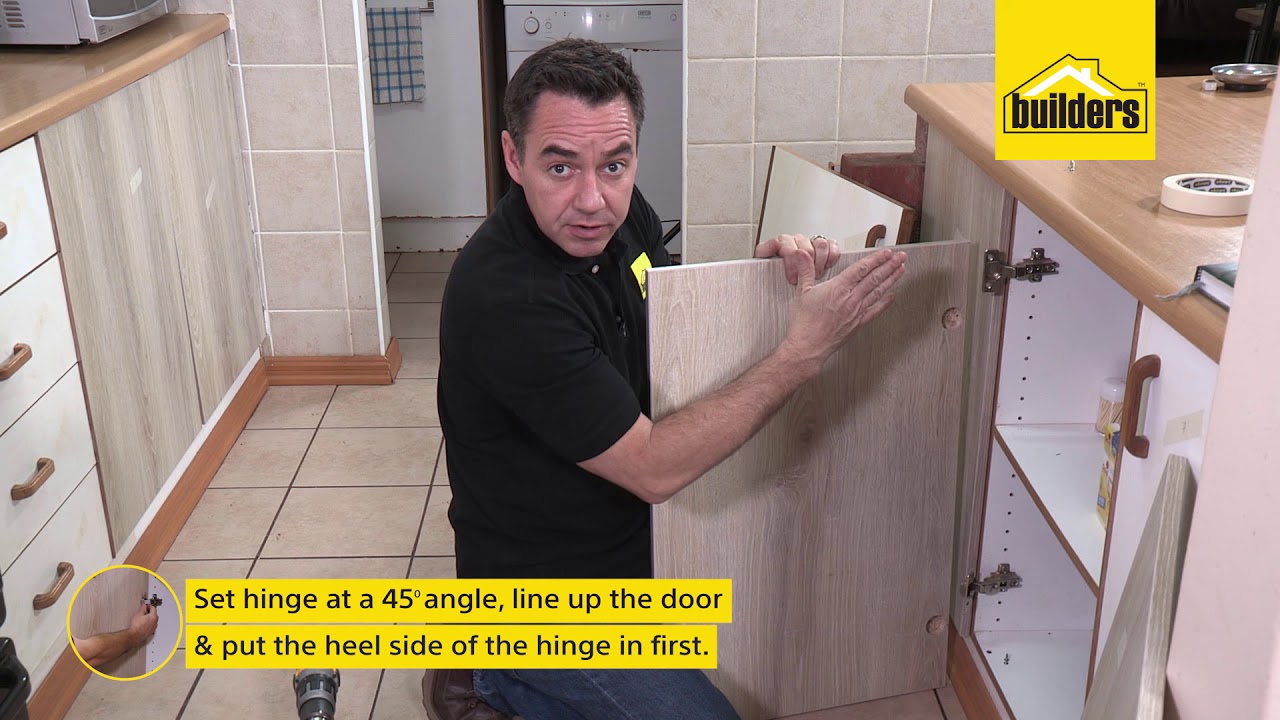
Image Source: i.ytimg.com
Why Homeowners Choose New Kitchen Door Styles
Kitchens often look dated simply because the doors seem old or worn. Changing the doors is often the quickest and most effective fix. It lets you modernize the space easily.
The Appeal of a Face-Lift Without the Fuss
A full kitchen remodel is disruptive. You have to live without a kitchen for weeks. Update kitchen cupboard fronts offers a middle ground. You get a big visual change fast. It usually takes just a few days, not weeks.
This option is great when the cabinet boxes (the structure holding the doors) are still sturdy. If the frames are solid, why replace them? You just swap out the visible part.
Factors Driving the Decision to Change Doors
People decide to change their doors for several reasons:
- Aesthetic Update: Moving from an old style (like arched or heavily routed doors) to something modern (like flat slab doors).
- Damage Repair: Existing doors might be warped, chipped, or peeling. Replacing them is easier than trying to patch up lots of small damages.
- Style Shift: Maybe you want a lighter color, or you want to switch from painted wood to a laminate finish.
- Improving Function: New doors often come with better hardware options, improving how they open and close.
Refacing Kitchen Cabinets: What It Really Means
The term refacing kitchen cabinets often causes confusion. It’s important to know the difference between simple door replacement and full refacing.
Door Replacement vs. Full Refacing
Door Replacement (Swap Out): This is the simplest method. You remove only the doors and drawer fronts. You keep the existing cabinet boxes, shelves, and hinges (though replacing hinges is often recommended).
Full Refacing: This is a more involved process. Refacing usually means keeping the boxes, but adding a thin layer of wood or laminate veneer over the existing cabinet faces, boxes, and sides. Then, new doors and drawer fronts are installed. This is done when the existing cabinet box frames are damaged or when you want to change the box color completely without building new boxes.
If your boxes are in good shape, simple kitchen cabinet door replacement is the way to go.
When is Refacing Necessary?
Refacing might be needed if:
- The current cabinet boxes are made of particleboard and are starting to sag or crumble.
- You want a completely different layout or the current box configuration is awkward.
- You want a perfectly uniform look across all visible cabinet box surfaces.
For most cosmetic upgrades, focusing on new kitchen door styles is enough.
Exploring Different Kitchen Door Materials
The material you choose affects the look, durability, and the cost to replace kitchen doors. Different materials suit different budgets and lifestyles.
Common Materials for New Doors
| Material Type | Pros | Cons | Best For |
|---|---|---|---|
| Solid Wood (Oak, Maple, Cherry) | High quality, can be painted or stained multiple times, very durable. | Most expensive, expands and contracts with humidity changes. | Traditional or high-end modern kitchens. |
| MDF (Medium-Density Fiberboard) | Stable (won’t warp), excellent for painting, very smooth finish. | Cannot be stained, susceptible to water damage if the finish cracks. | Modern, painted looks (e.g., shaker style). |
| Thermofoil (Vinyl Wrap) | Very budget-friendly, easy to clean, uniform color. | Can peel or bubble over time, especially near heat sources like ovens. | Rental properties or tight budgets. |
| Acrylic/Laminate | Highly durable, scratch-resistant, modern glossy look. | Can sometimes look less premium than wood, fingerprint magnets. | Ultra-modern, high-gloss kitchens. |
Deciphering Door Finishes
The finish dramatically changes the door’s appearance.
- Painted: Offers a huge color range. Quality hinges and smooth door surfaces are key for a good paint job.
- Stained: Shows off the natural wood grain. Requires choosing solid wood or wood veneer doors.
- Wrapped/Lacquered: Provides a very smooth, often high-gloss, solid color finish.
If you plan on doing the finish yourself, consider kitchen door spray painting for the smoothest result, though this takes significant skill and ventilation.
The Financial Side: Cost to Replace Kitchen Doors
One of the main draws of this project is the lower price tag compared to a full installation. However, the total cost to replace kitchen doors varies widely.
Factors Affecting the Price
- Material: Solid wood doors cost significantly more than MDF or thermofoil.
- Style: Highly detailed, carved doors take longer to make and cost more than simple flat slab doors.
- Customization: Off-the-shelf sizes are cheaper. Bespoke kitchen doors require custom measurements and manufacturing, raising the price.
- Hardware: Do you reuse your old handles and hinges, or do you buy new soft-close hinges and designer handles? Hardware can add 10-20% to the total cost.
- Installation: Doing it yourself saves money. Hiring a professional tradesperson adds labor costs.
Comparing Costs (Estimate Only)
A full new kitchen might cost $15,000 – $30,000+. Changing just the doors can range from $1,500 to $8,000, depending on the size of the kitchen and the material quality chosen.
| Project Scope | Estimated Cost Range (Mid-Range Doors) |
|---|---|
| Supply Only (DIY Installation) | $1,200 – $5,000 |
| Supply and Professional Installation | $2,500 – $8,000+ |
This pricing structure highlights why many homeowners see kitchen cupboard door upgrade as a smart investment.
Getting Started: How to Measure for New Kitchen Doors
Accurate measurement is the most critical step when ordering replacement doors. Mistakes here lead to doors that don’t fit or hang correctly. This is essential for kitchen cabinet door replacement.
Step-by-Step Measurement Guide
You must measure the door opening, not the existing door itself. This ensures the new door overlaps the frame correctly.
1. Tools Needed
- A reliable metal tape measure (flexible cloth tapes can stretch).
- A reliable pencil and paper.
- A helper to hold the tape steady.
2. Measuring Height
Measure from the very top edge of the existing cabinet opening down to the very bottom edge. Take this measurement in three places: left side, center, and right side. Use the smallest measurement for the official height.
3. Measuring Width
Measure the opening across the top, middle, and bottom. Use the smallest measurement for the official width.
4. Calculating Overlay (The Overlap)
This is where you decide how much the new door will hang over the cabinet frame.
- Full Overlay: The door covers almost the entire face frame. This is common for modern, handle-less designs or where you want to hide the frame entirely. Usually a 1/2 inch to 3/4 inch overlap on all sides.
- Partial Overlay: The door overlaps the frame by a smaller amount (e.g., 1/2 inch), leaving some of the frame visible between doors.
Crucial Tip: If you are ordering bespoke kitchen doors, confirm with the supplier whether they expect the exact door size or the opening size plus their required overlay calculation. Always double-check their specific guidance on how to measure for new kitchen doors.
5. Drawer Fronts
Drawer fronts are usually measured the same way as doors—measuring the rectangular opening they cover. If you have frame-style cabinets, you might need slightly smaller measurements for the drawer fronts than the doors to ensure they don’t rub when opening.
Installation Options: DIY vs. Professional Help
Once you have your new doors, you need to decide who will put them up.
The DIY Route: Fitting Your Own Doors
Installing new doors is very achievable for a competent DIY enthusiast.
- Hinge Selection: Modern soft-close European-style hinges are popular. They usually mount directly to the inside of the cabinet box. You may need to drill new mounting holes if your old hinges are different.
- Attaching: Attach the hinges to the door first, then attach the hinge plate to the cabinet box.
- Adjustment: The beauty of modern hinges is adjustability. You can move them up/down, left/right, and in/out to get perfect alignment gaps between doors. This fine-tuning takes patience.
Hiring Professionals
Hiring someone speeds up the process and ensures perfect alignment from the start. Look for fitters or kitchen specialists familiar with fitting aftermarket doors. They are often faster at adjusting the hinges than a first-timer.
If you are opting for refacing kitchen cabinets rather than just door replacement, professional help is often recommended because it involves veneering the cabinet boxes too.
Advanced Upgrade: Kitchen Door Spray Painting
Sometimes, your current doors are the right shape, but the color is wrong. If the doors are solid wood or high-quality MDF, kitchen door spray painting can revive them beautifully.
Why Spray Painting is Better Than Brushing
Brushing paint onto cabinet doors almost always leaves visible brush strokes, especially on flat surfaces. Spraying atomizes the paint, letting it flow out smoothly. This creates that desirable factory-like, flawless finish.
Preparation is Everything
This process is highly technical:
- Removal: Take all doors and drawers off the cabinets.
- Hardware Removal: Remove all hinges, handles, and knobs.
- Cleaning: Thoroughly degrease every surface. Use sugar soap or a strong cabinet cleaner.
- Sanding: Lightly sand all surfaces (around 180-220 grit) to give the primer something to grip onto.
- Priming: Use a high-adhesion primer suitable for the material (especially important for glossy laminates or oily woods).
- Spraying: Apply several thin coats of high-quality cabinet paint using a professional sprayer setup.
- Curing: Allow the paint to cure fully before reattaching hardware or hanging them back up.
This is a messy job due to overspray. If you don’t have a well-ventilated space or proper spraying gear, it is much simpler and often more cost-effective in the long run to order pre-finished doors.
Creating a Cohesive Look: Hardware and Style Matching
Changing doors is the perfect time to refresh the hardware. New handles drastically change the perceived style of the kitchen.
Style Coordination
When choosing new kitchen door styles, keep your existing appliances and countertops in mind.
- Modern/Slab Doors: Pair well with minimalist bar pulls or handleless profiles. Brushed metals or matte black look great.
- Shaker/Traditional Doors: Classic knobs or cup handles (for drawers) work well. Brushed nickel or antique brass complement these styles.
The Importance of New Hinges
If you are getting thicker or different style doors, your old hinges might not work. Even if they do, replacing old, squeaky hinges with new soft-close mechanisms is a fantastic, affordable kitchen cupboard door upgrade that enhances daily use immensely.
Exploring Bespoke Kitchen Doors for Unique Spaces
What if you have an older kitchen with non-standard cabinet sizes? Standard replacement doors won’t work perfectly. This is where bespoke kitchen doors come in handy.
Advantages of Custom Sizing
- Perfect Fit: They are made precisely to the dimensions you provide, eliminating gaps or rubbing issues.
- Unique Designs: You can often specify a particular thickness or a less common profile that stock suppliers don’t carry.
- Matching Odd Units: If you have a freestanding dresser unit or an old pantry that needs matching doors, bespoke is the only reliable solution.
While more costly than off-the-shelf solutions, custom doors provide a seamless, high-end finish that factory sizes often cannot match in unique layouts.
Weighing the Decision: When to Replace Everything
While door replacement is excellent, there are times when a full renovation is the wiser path.
When a Full Remodel Makes More Sense
- Cabinet Box Failure: If the boxes are visibly warped, water-damaged, or showing severe sagging in the shelves. New doors won’t fix structural issues.
- Layout Changes Required: If you need to move the sink, add a dishwasher space, or change the overall flow of the kitchen, new cabinets are necessary.
- Major Appliance Changes: If you are swapping a freestanding cooker for an integrated oven stack, the surrounding cabinetry dimensions will likely need to change.
- Outdated Cabinet Construction: Very old cabinets might use poor construction methods (like stapled particleboard) that won’t support heavy, high-quality new doors well over time.
For most kitchens built in the last 15-20 years where the structure is sound, kitchen cabinet door replacement offers fantastic return on investment and style improvement.
Summary of Key Steps for Success
Changing your cupboard doors is a manageable project that dramatically improves kitchen appeal. Follow these steps for a successful kitchen cupboard door upgrade:
- Assess Condition: Check if the cabinet boxes are strong enough to support new doors.
- Style Choice: Select your new kitchen door styles based on your home’s overall aesthetic.
- Material Selection: Choose the different kitchen door materials that fit your budget and durability needs.
- Precise Measurement: Follow how to measure for new kitchen doors carefully, or rely on a professional template service if ordering custom.
- Hardware Update: Plan for new hinges and handles to complete the refreshed look.
- Installation: Decide between DIY installation or hiring a fitter for refacing kitchen cabinets components.
By focusing on the doors, you achieve a stunning transformation without the major upheaval of a full tear-out.
Frequently Asked Questions (FAQ)
Q: Do I have to replace the hinges when I replace my kitchen doors?
A: Not always, but it is highly recommended. If you are switching from an older, external hinge style to modern, concealed European hinges (which fit inside the cabinet), you must replace them. Even if the new doors fit the old hinges, new soft-close hinges are a relatively small expense that dramatically improves the user experience.
Q: Can I order replacement doors for IKEA cabinets?
A: Yes. Companies specialize in making doors specifically sized to fit popular IKEA cabinet systems like SEKTION or METOD. This is an easy way to get bespoke kitchen doors look for standard box dimensions.
Q: How long do new cabinet doors typically last?
A: High-quality solid wood or durable MDF doors with good paint or lacquer finishes can easily last 15 to 20 years or more. Cheaper thermofoil options might only last 5 to 10 years before peeling, especially in steamy areas like above a kettle or dishwasher.
Q: Is it cheaper to paint my existing doors or buy new ones?
A: This depends heavily on the quality of your existing doors and your labor costs. If you hire someone for professional kitchen door spray painting, the cost can often approach the price of mid-range new doors. If you do the spraying yourself, it is usually cheaper, but you risk a lower quality finish. Buying new doors often offers a better, guaranteed finish for a predictable price.
Q: What is the most durable material for kitchen doors?
A: High-quality painted solid wood or doors made from moisture-resistant MDF with a high-grade lacquer are generally considered the most durable. Avoid vinyl wraps in areas with high, direct heat.