
What is the best way to make a kitchen look bigger? You can make a small kitchen appear much larger by using light colors, smart storage, good lighting, and visual tricks. This post shares many helpful tips to expand your space visually.
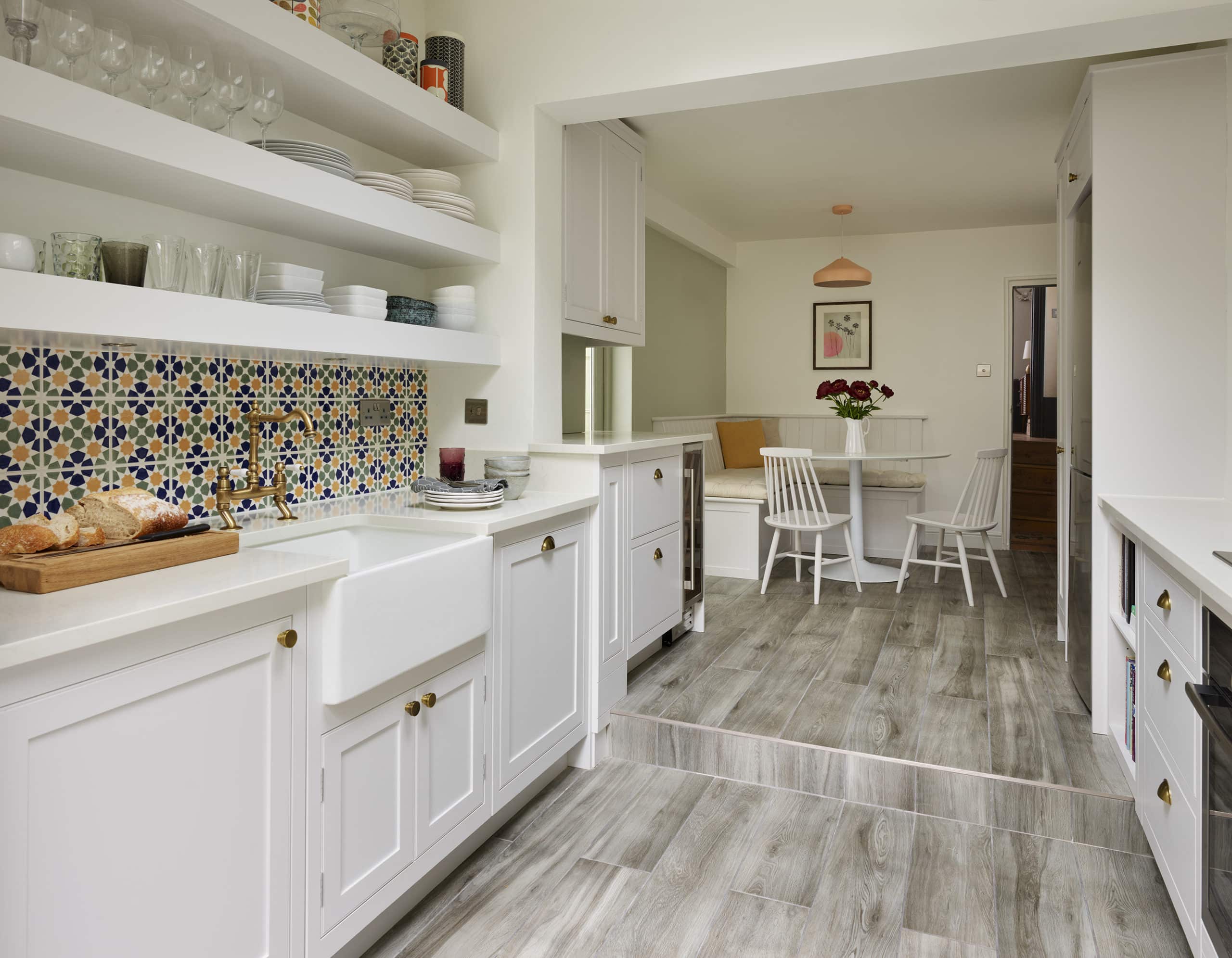
Image Source: www.harveyjones.com
Transforming Cramped Spaces: Core Design Principles
When space is tight, every choice matters. We need to use tricks that fool the eye. These tricks make walls look farther away and ceilings look higher. Good small kitchen design ideas focus on both looks and function.
Embracing Light Colors for Small Kitchens
Color choice is key to making a room feel open. Light colors for small kitchens are your best friends. Light shades reflect more light. This reflection pushes walls away visually, making the room feel airy.
Whites, Creams, and Pastels
Think about bright white. It bounces the most light around. Pale gray and soft cream also work well. They offer a bit of warmth without closing in the space. Avoid dark, heavy colors on large surfaces like cabinets or walls.
- Walls: Use flat or eggshell paint in bright white.
- Cabinets: Choose white, light gray, or very light wood tones.
- Backsplash: Keep it light and reflective, like glossy white subway tile.
Maintaining Color Continuity
A big mistake is using too many different colors. When colors chop up the space, it looks busy and small. Try to use a limited palette. Keep the color flow smooth from the walls to the cabinets. This continuity tricks the eye into seeing one large, open area.
Maximizing Small Kitchen Space with Visual Flow
To feel big, a room needs clear sight lines. When you can see through the space easily, it feels less confined. This is vital for maximizing small kitchen space.
Choosing the Right Flooring
Floor color and pattern affect the perceived size. Use lighter flooring materials. If possible, use the same flooring material across connecting rooms. This seamless look extends the visual boundary of the kitchen.
- Run planks lengthwise: If using wood or plank tile, lay the planks running toward the longest part of the room. This draws the eye outward, adding perceived length.
- Large tiles: Fewer grout lines mean less visual clutter. Large format tiles look cleaner than many small tiles.
Using Reflective Surfaces
Reflective surfaces bounce light and views around. They add depth. This is a core part of creating optical illusions for small kitchens.
- Glossy finishes: Use high-gloss paint on cabinets or a polished stone countertop.
- Mirrored accents: A mirrored backsplash (use caution around heat) can double the visual depth instantly. Even reflective hardware helps.
Clever Cabinetry and Storage Strategies
Cabinets often take up the most wall space. How you handle them drastically changes the feel of the room. Smart storage is non-negotiable in compact kitchen design.
Cabinet Height and Style Choices
Tall cabinets can draw the eye upward, emphasizing ceiling height. This is great for making the room feel taller.
Going to the Ceiling
If possible, take cabinets all the way to the ceiling. Even if the top shelf is hard to reach, it eliminates that dust-collecting gap above the cabinet. This continuous vertical line makes the room feel grander.
Sleek, Minimalist Doors
Cabinet fronts should be simple. Avoid overly detailed paneling (like heavy raised panels). Flat-panel or simple shaker styles work best. Heavy hardware also adds visual weight. Opt for minimal handles or sleek bar pulls.
Rethinking Wall Storage with Open Shelving
While closed storage hides mess, open shelving small kitchen designs can make the space feel lighter.
When you remove bulky upper cabinets, you expose the wall behind them. This immediately opens up the sight line, making the kitchen feel wider.
- Use sparingly: Don’t replace all upper cabinets with shelves. Keep some closed storage for appliances and messy items.
- Display curated items: Only put attractive, uniform items on open shelves (e.g., matching white dishes). Clutter defeats the purpose.
- Thinner shelves: Use thick, robust shelves on the lower runs. For upper runs, use thinner shelves so they don’t block light as much.
Integrating Appliances Seamlessly
Bulky, freestanding appliances eat up valuable visual real estate. Aim for integrated solutions whenever possible.
- Panel-ready appliances: Dishwashers and refrigerators that take custom cabinet fronts blend right in.
- Slimline options: Look for slimline dishwashers (18 inches instead of standard 24 inches) or counter-depth refrigerators.
Mastering Small Kitchen Storage Solutions
Visual space opens up when clutter disappears. Effective small kitchen storage solutions hide the necessary chaos of cooking.
Utilizing Vertical Space Aggressively
When you can’t go out, go up. Vertical storage is crucial for maximizing small kitchen space.
| Storage Area | Solution Idea | Benefit |
|---|---|---|
| Above Doorway | Shallow built-in shelf | Extra storage for seldom-used items. |
| Inside Cabinet Doors | Spice racks, foil/wrap holders | Keeps narrow items off main shelves. |
| Under Cabinets | Mug hooks, paper towel holders | Frees up counter space instantly. |
| Tall Pantry Units | Pull-out rolling drawers | Maximizes access to deep storage. |
Drawer Organization Over Cupboards
Drawers are superior to standard base cabinets in tight spaces. Why? You pull the drawer out to see everything at once. In a deep cupboard, items get lost in the back.
- Use drawer dividers extensively for utensils, spices, and food storage lids.
- Consider installing shallow drawers directly under your main countertop level for silverware or measuring cups.
The Magic of Rolling Carts and Islands
If your kitchen layout for small spaces lacks a central island, a rolling cart is an excellent substitute.
- Choose a cart with wheels that lock.
- Use it as prep space when needed, then roll it against a wall or into a nearby closet when not in use.
- Opt for models with built-in shelves or drawers for added function.
Optical Illusions for Small Kitchens: Tricking the Eye
Designers use visual tricks to manipulate how large a space feels. These optical illusions for small kitchens focus on line direction and visual breaks.
Vertical Lines for Height
Tall, narrow elements make ceilings seem higher.
- Pendant lighting: Choose long, slender pendant lights rather than short, squat ones.
- Vertical tiling: If you run subway tiles vertically instead of horizontally, the wall appears much taller.
Horizontal Lines for Width
If your kitchen feels too narrow (like a galley kitchen), use horizontal lines to make it feel wider.
- Cabinet hardware: Place handles horizontally on drawers and doors.
- Countertops: Use lighter colored countertops that contrast slightly with the cabinets. A horizontal line where the two meet can visually stretch the space.
See-Through Elements
Anything that lets light and sight pass through it helps expand the room.
- Glass cabinet doors: If you must have upper cabinets, use clear or frosted glass doors instead of solid wood.
- Open shelving: As mentioned, this exposes the wall, creating depth.
- Light fixtures: Choose fixtures with minimal bulk. Wireframe or clear glass fixtures work well.
The Role of Lighting: Small Kitchen Lighting Tips
Poor lighting makes even a large room feel gloomy and small. Good illumination is critical. Follow these small kitchen lighting tips for an airy feel.
Layered Lighting Approach
A single overhead light creates shadows, making corners seem to close in. Use three types of light: ambient, task, and accent.
- Ambient (General) Lighting: Use recessed LED pot lights. These sit flush with the ceiling, drawing the eye up and taking up no visual space.
- Task Lighting: Essential under cabinets. This illuminates the main work surface (the counter). Without it, shadows from your head make the workspace dark and cramped. Use slim LED strips that hide completely from view.
- Accent Lighting: Use this sparingly, perhaps focused on open shelving or a small piece of art.
Maximizing Natural Light
Natural light is the best tool for making a room feel big. Do not block windows.
- Window Treatments: Avoid heavy drapes. Use sheer roller blinds or simple Roman shades that pull completely up and out of the way.
- Window Frame Color: Paint the window trim the same color as the wall. Contrasting trim visually “frames” the window, making it look smaller. Blending it in makes the window look like an opening in the wall itself.
Optimizing Layouts for Small Kitchen Spaces
The kitchen layout for small spaces often dictates success or failure. Consider these common challenging footprints.
Galley Kitchen Strategies
Galley kitchens (two parallel walls of cabinets) can feel like hallways. To combat this:
- Keep one side lower: If codes allow, use only base cabinets on one side and open shelving or a narrow built-in on the other.
- Consistent surfaces: Use the same color or material for the floor, counters, and cabinet fronts on both sides. This creates visual unity, making the narrow space read as one continuous volume.
L-Shaped Kitchen Fixes
L-shapes are usually more forgiving, but corners can become dead zones.
- Corner solutions: Invest in high-quality lazy Susans or pull-out “magic corner” hardware. If the corner storage is inefficient, you lose usable space that could have been open shelving.
- Don’t over-stuff the peninsula: If you have a small peninsula or island, keep the top clear. Use it only for quick seating or prep work.
Single-Wall Kitchen Optimization
This layout is the most challenging visually. All appliances and storage are on one plane.
- Go Vertical: Push storage to the absolute maximum height allowed.
- Use the opposite wall: If there is wall space opposite the cabinets (perhaps in a dining nook), use it for low, shallow storage (like a buffet or shallow bookshelf). This provides visual balance without interfering with the primary work zone.
Decluttering Small Kitchens: The Essential First Step
No design trick can fix a cluttered space. Successful decluttering small kitchens requires ruthless honesty about what you actually use.
The Countertop Purge
Counter space is prime real estate. If it’s covered, the kitchen feels tiny.
- Daily Items Only: Keep only items used every single day (e.g., coffee maker, knife block).
- Appliance Garage: Find a home for things used weekly (blender, toaster). This might be a deep pantry drawer or a dedicated cabinet. If it’s too large for a drawer, consider if you truly need it.
- Vertical Storage for Counter Items: If you must keep the knife block out, choose one that stores vertically against the wall or has a small footprint.
The “One In, One Out” Rule
To maintain the newly gained space, adopt a strict policy. When you buy a new gadget, mug, or piece of cookware, an old, seldom-used item must be donated or tossed. This keeps inventory stable.
Hiding the Clutter Visually
Even with good storage, sometimes things spill over. Use design to hide this overflow.
- Attractive Baskets: Use matching, opaque baskets on open shelves or the tops of cabinets to corral miscellaneous items (e.g., cleaning supplies, take-out menus). Matching the basket color to the shelf color helps them blend.
- Drawer Organization Aesthetics: Even if the drawer is full, neatly organized contents look less chaotic than jumbled items.
Summary of Key Visual Expansions
To tie these concepts together, remember the main ways you create visual expansion:
| Goal | Technique Used | Effect |
|---|---|---|
| Increase Perceived Height | Tall cabinets, vertical lines, slim pendants | Draws the eye upward, making ceilings look higher. |
| Increase Perceived Width | Horizontal lines, continuous flooring, light colors | Pushes walls outward, making the room feel broader. |
| Increase Depth | Reflective surfaces, clear sight lines, task lighting | Creates an illusion of space beyond the actual walls. |
By focusing on light, continuity, and efficient vertical storage, even the smallest space can become a functional and visually appealing kitchen. These compact kitchen design elements work together to deliver maximum impact.
Frequently Asked Questions (FAQ)
Q1: Should I use tile or wood for the flooring in a small kitchen?
Use whatever material allows for the fewest interruptions. If you use tile, choose large formats with minimal, light-colored grout. If you use wood or laminate, run the planks in the longest direction of the room. Consistency with adjoining rooms is the biggest benefit for size perception.
Q2: Are dark cabinets ever okay in a small kitchen?
Dark cabinets can work, but only if the room has excellent natural light and you balance them heavily. If you choose dark lower cabinets, ensure the upper cabinets, walls, and ceiling are bright white to reflect light upward. This creates a visual grounding without closing in the ceiling plane.
Q3: How much counter space can I afford to lose for open shelving?
In a very small kitchen, aim to replace only one section of upper cabinets with open shelving small kitchen style. If you replace too much, you lose crucial storage space, forcing clutter onto the remaining counter space, which defeats the goal of making the room look bigger.
Q4: What is the best color for small kitchen lighting fixtures?
Choose fixtures that are visually light. Polished chrome, brushed nickel, or clear glass are excellent choices. Avoid heavy, dark metal fixtures that visually anchor the ceiling downward. Recessed lighting is ideal as it minimizes visual distraction entirely.
Q5: Can I use curtains on my kitchen window if the space is small?
If you need privacy, use the sheerest fabric possible, or opt for shades that disappear completely when raised. Heavy, dark curtains absorb light and create heavy vertical lines that box the window in. Transparency is the goal.