
You can use several simple, effective methods to unclog your kitchen sink, ranging from natural household solutions to specialized tools. Often, baking soda and vinegar work wonders first. If that fails, try using a plunger or mechanical tools like a plumbing snake. Before resorting to harsh liquids, it is best to try the gentler options first.
Kitchen sinks get clogged for common reasons. Food scraps, grease, soap scum, and coffee grounds build up over time. This buildup slows the water down until it stops draining completely. Knowing what caused the clog helps you choose the best way to fix it.
This guide will walk you through safe and effective steps to clear that annoying blockage. We will look at easy home remedies and discuss when you might need to bring out the heavy-duty sink clog removal tools.
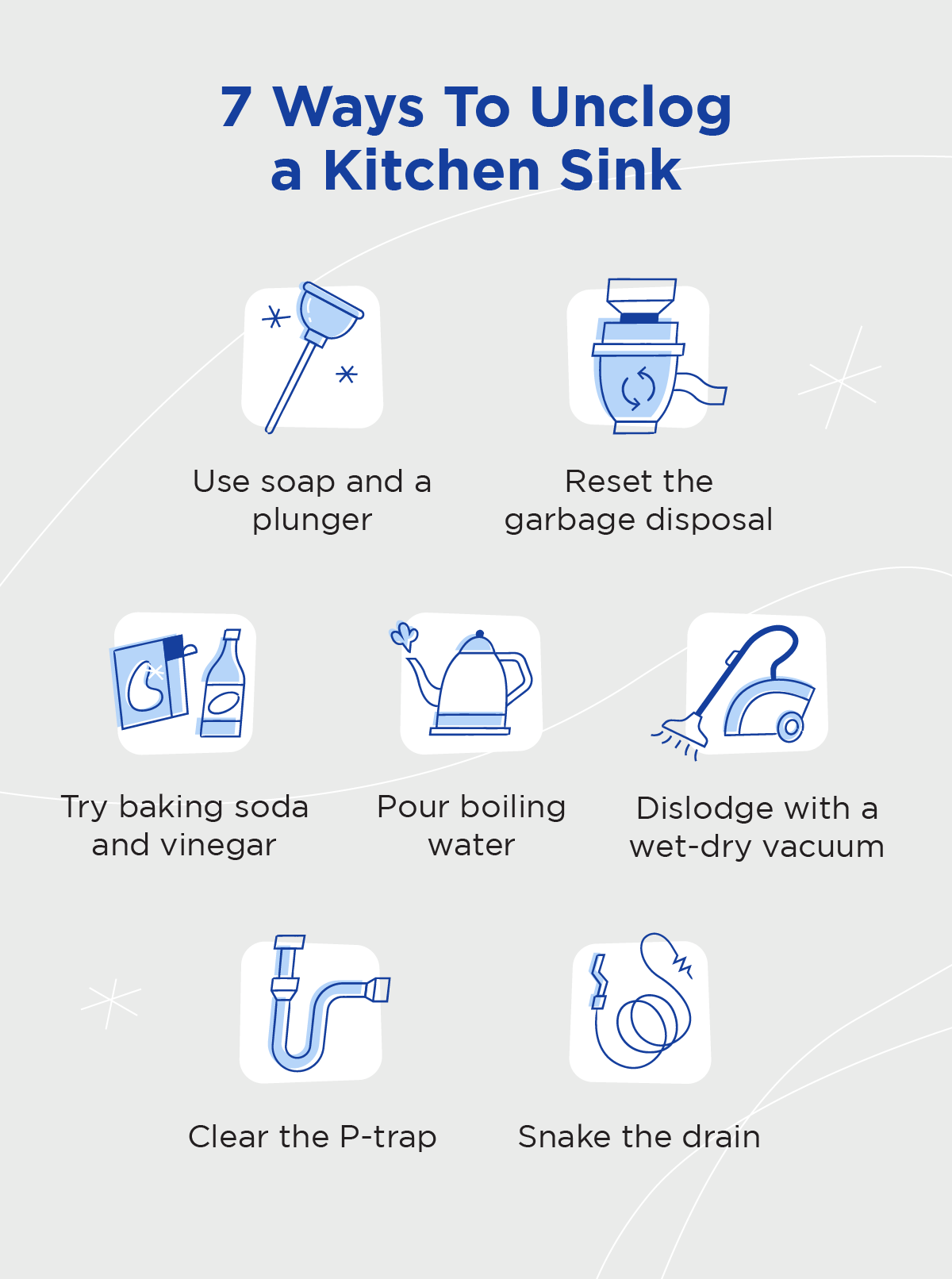
Image Source: www.mrrooter.com
Initial Steps Before Trying Any Unclogging Method
Before you pour anything down the drain or start shoving tools in, take these important preliminary steps. These actions can sometimes clear a minor blockage without extra work.
Checking for Simple Blockages
Sometimes the problem is not deep in the pipes. Look closely at the drain opening itself.
- Remove the Drain Stopper or Strainer: Take out the sink strainer or stopper. Food debris often catches right here. Clean this part thoroughly.
- Look Down the Drain: Use a flashlight. Can you see anything stuck near the opening? If you see something loose, try to pull it out gently with gloved fingers or tongs. Be careful not to push it further down.
Safety First When Working with Drains
Safety is key, especially if you plan to use commercial products later.
- Always wear rubber gloves. This protects your hands from grime and harsh chemicals.
- Wear safety glasses. This prevents splashes from reaching your eyes.
- Never mix different chemicals. Mixing products can create dangerous, toxic fumes.
Easy Home Remedies That Often Work
Many small clogs respond well to common kitchen items. These methods are safe for your pipes and the environment.
Using Boiling Water
Boiling water is excellent for breaking down soft clogs, like built-up grease or soap residue. This is often the first, easiest step.
How to Use Boiling Water:
- Heat the Water: Bring a large pot of water (about half a gallon) to a rolling boil on the stove.
- Pour Carefully: Pour the boiling water slowly, in stages, directly down the drain opening. Do not pour it all at once. Pour a bit, wait a minute, then pour more. This allows the heat time to work on the grease.
- Test the Drain: After pouring all the water, run the hot tap water to see if the drain flows freely.
Caution: If you have PVC pipes, especially older ones, use very hot tap water instead of actively boiling water. Extreme heat can sometimes damage weak joints in older plastic plumbing.
The Power of Baking Soda and Vinegar
The combination of baking soda and vinegar creates a fizzing chemical reaction. This action helps break apart sludge stuck to the pipe walls. This is a non-toxic alternative to harsh chemicals.
Step-by-Step Baking Soda and Vinegar Method:
- Remove Standing Water: If the sink is full, bail out as much water as possible.
- Add Baking Soda: Pour about 1 cup of dry baking soda down the drain. Try to get most of it down the hole.
- Add Vinegar: Follow the baking soda with 1 cup of white distilled vinegar.
- Cover the Drain: Quickly cover the drain opening with a stopper or a rag. This forces the fizzing reaction down into the pipe, not up into the sink.
- Wait: Let the mixture sit and work for at least 30 minutes, or even an hour for a tough clog. You will hear fizzing sounds.
- Flush: After waiting, pour another pot of very hot or boiling water down the drain to flush everything away.
This fizzing action is safer than using a chemical drain opener right away.
Hot Water and Dish Soap
For grease-heavy clogs, sometimes hot water and dish soap provide the necessary lubrication to push the blockage through. Dish soap is designed to cut through grease.
- Add Soap: Squirt a generous amount (about half a cup) of grease-cutting dish soap directly down the drain.
- Add Hot Water: Follow the soap with a kettle full of very hot (but not necessarily boiling) water.
- Wait and Flush: Let it sit for 15 minutes, then flush with more hot tap water.
Mechanical Solutions: When Chemistry Fails
If household remedies do not work, the clog is likely physical—a solid mass or heavy buildup. Now it is time to use mechanical sink clog removal tools.
Using a Plunger
A plunger creates hydraulic pressure to push and pull the blockage, forcing it to move. For a kitchen sink, you need a cup-style plunger, which creates a tight seal over the drain opening.
Effective Plunging Technique:
- Seal the Overflow (If Applicable): Many kitchen sinks have a second drain (an overflow drain) or are connected to a double sink. If you have a double sink, seal the unclogged side tightly with a stopper or a wet rag. This ensures all the pressure goes toward the clog.
- Add Water: Fill the sink basin with enough hot water to completely cover the rubber bell of the plunger. This water helps create a strong seal.
- Position the Plunger: Place the plunger firmly over the drain opening, ensuring no air leaks around the edges.
- Plunge Vigorously: Push down sharply, then pull up sharply. Repeat this motion about 10 to 15 times. The upstroke is often as important as the downstroke, as it pulls the blockage loose.
- Check: Remove the plunger and see if the water drains. If it drains slowly, repeat the plunging process.
Employing the Plumbing Snake or Drain Auger
When the clog is too deep or too solid for a plunger, you need a physical tool to break it up or pull it out. A plumbing snake, often called a drain auger, is the professional go-to tool for this job.
A drain auger is a long, flexible metal cable with a corkscrew tip. It is designed to navigate the bends in your pipes.
Using a Drain Auger (Plumbing Snake):
- Access Point: For a kitchen sink, you usually feed the plumbing snake directly down the drain opening. If the clog is stubborn, it might be easier to work through the P-trap under the sink (see section below).
- Insert the Snake: Gently push the tip of the drain auger into the pipe. Do not force it. Feed the cable in until you feel resistance—this is usually the clog.
- Engage the Clog: Once you hit the obstruction, lock the cable near the opening. Turn the handle of the drain auger clockwise. This causes the corkscrew tip to bore into the blockage, either breaking it apart or snagging it.
- Retrieve or Push Through: Once you feel it break through, you can either slowly retract the plumbing snake (if you snagged debris) or push forward a bit more to ensure the path is clear.
- Flush Thoroughly: Run hot water for several minutes to wash away any loosened debris.
Using a drain auger requires a bit of finesse. Too much force can scratch the inside of your pipes.
Addressing the P-Trap
The P-trap is the U-shaped pipe directly under your kitchen sink. It is designed to hold water to block sewer gases, but it is also the most common place for solid debris and grease to accumulate.
If surface methods fail, dismantling the P-trap is the next best mechanical step before using harsh chemicals or calling a plumber.
Cleaning Out the P-Trap
- Preparation: Place a large bucket directly under the P-trap. Open the clean-out plug or prepare to unscrew the slip nuts that hold the trap in place.
- Loosen Connections: Use channel-lock pliers or your hands to carefully loosen the slip nuts on both sides of the U-bend. Be prepared for water and gunk to fall into the bucket!
- Remove and Inspect: Take the curved section of the pipe off. Inspect it for the blockage. Use an old rag or wire hanger to scrape out any residue inside.
- Reassemble: Put the P-trap back in place. Hand-tighten the nuts, then give them a slight snugging with the pliers. Do not overtighten, as this can crack the plastic or cause leaks.
- Test for Leaks: Run the water slowly at first, checking underneath the sink for drips. Tighten connections slightly more if you see any leaks.
When to Consider Chemical Solutions
Chemical solutions should be used cautiously. They can dissolve organic matter effectively but pose risks to plumbing materials, septic systems, and your health.
Chemical Drain Opener vs. Enzyme Drain Cleaner
There are two main types of liquid drain treatments:
| Type of Cleaner | How It Works | Best For | Risks |
|---|---|---|---|
| Chemical Drain Opener (Caustic/Acidic) | Uses strong acids or bases (like lye) to rapidly dissolve hair, grease, and soap scum through heat and chemical reaction. | Severe, immediate organic clogs. | Can damage older pipes, septic systems, and rubber seals if used often. Dangerous fumes. |
| Enzyme Drain Cleaner | Uses non-pathogenic bacteria and enzymes that “eat” organic waste (food, grease) over time. | Slow drains, preventative maintenance. | Works slowly (often overnight). Not effective for hard blockages like objects. |
Using a Chemical Drain Opener
If you decide to use a chemical drain opener, follow the directions precisely.
- Wear Full Protection: Gloves, eye protection, and good ventilation are mandatory.
- Pour the Recommended Amount: Never use more than recommended.
- Wait: Allow the specified time for the chemical reaction to occur.
- Flush Heavily: Flush with large amounts of cold water (check product instructions—some advise against hot water immediately after use).
Warning: If the chemical drain opener fails to clear the drain, do not follow up with a plumbing snake or another chemical immediately. You risk splashing concentrated chemicals onto yourself or mixing ingredients.
Choosing an Enzyme Drain Cleaner
An enzyme drain cleaner is the gentlest liquid approach. It is an excellent choice if you have slow drains rather than a complete stoppage. These cleaners work best when used overnight when the sink won’t be used for hours, giving the enzymes time to work on the biofilm lining the pipes.
Preventative Maintenance: Keeping Drains Flowing
The best way to unclog a kitchen sink is to never let it clog in the first place. Good habits save time, money, and frustration.
What Never to Put Down a Kitchen Drain
The primary enemies of your kitchen drain are grease, starchy foods, and fibrous materials.
- Fats, Oils, and Grease (FOG): Never pour cooking oil, bacon grease, or melted butter down the drain. They solidify when they cool, coating the pipes. Wipe greasy pans with a paper towel before washing.
- Coffee Grounds: While small, coffee grounds clump together when wet and are dense enough to cause serious blockages over time.
- Starchy Foods: Pasta, rice, and potato peels swell up when absorbing water, creating sticky masses in the pipes.
- Fibrous Vegetables: Celery, onion skins, and carrot peelings do not break down easily in garbage disposals or pipes.
- Non-Food Items: Never flush paper towels, cigarette butts, or plastic down the sink.
Routine Maintenance Schedule
Integrate simple cleaning routines into your weekly schedule to prevent buildup.
| Frequency | Action | Benefit |
|---|---|---|
| Daily | Scrape plates well before rinsing. | Reduces food debris entering the system. |
| Weekly | Pour 1 cup of very hot tap water down the drain. | Keeps grease melted and moving. |
| Monthly | Perform the baking soda and vinegar treatment. | Clears mild sludge buildup naturally. |
| Quarterly | Use an enzyme drain cleaner. | Digests built-up organic matter before it hardens. |
Advanced Tool Check: When to Call a Professional
Sometimes, despite all your efforts with a plumbing snake, plunger, or home remedies, the water still won’t drain. This indicates a blockage located further down the main line, possibly where the kitchen line connects to the house’s main sewer line.
When should you call a licensed plumber?
- Multiple Fixtures Back Up: If your kitchen sink is clogged and the toilet or bathtub is also draining slowly, the problem is deep in the main sewer line, requiring professional equipment like a motorized drain auger or hydro-jetting.
- The Snake Won’t Go Further: If your manual plumbing snake hits a hard stop and you cannot turn it past that point, forcing it might damage the pipe.
- Sewage Smell Persists: A strong sewage smell after clearing a clog suggests a blockage is preventing proper venting or flow.
- Recurring Clogs: If the drain clogs every few weeks despite preventative care, there may be an underlying pipe issue, like tree root intrusion or corrosion.
Professional plumbers have powerful motorized drain auger systems that are more robust than consumer models, ensuring deep blockages are cleared safely without damaging your home’s plumbing structure.
Comprehending Drain Clog Causes Based on Location
The location of the clog dictates the best tool.
Clogs Near the Drain Opening
If water drains slowly but eventually goes down, the clog is likely near the top, caught in the strainer or the first bend of the pipe.
- Best Tools: Fingers, tongs, or a small, flexible wire hanger.
- Best Solution: Boiling water or baking soda and vinegar.
Clogs in the P-Trap
This is the most common spot for household clogs, usually a combination of congealed grease and food particles.
- Best Tools: Plunger (if you can seal the drain properly) or manual dismantling of the P-trap.
- Best Solution: Manual cleaning or using a short plumbing snake fed from the sink opening or after removing the trap.
Deep Line Clogs
Blockages far down the line often cause the sink to back up completely, and they may affect other fixtures.
- Best Tools: Long, heavy-duty drain auger or professional equipment.
- Best Solution: Professional service, perhaps after a preliminary attempt with a high-quality household plumbing snake.
FAQ About Kitchen Sink Clogs
Q: How long should I wait before using a chemical drain opener?
A: If you just used baking soda and vinegar or poured boiling water, wait at least an hour. If the clog remains, you can try a non-caustic enzyme drain cleaner. Only consider a strong chemical drain opener if gentler methods have failed completely, and always ensure all previous chemicals have been flushed out completely first.
Q: Can I use a plunger on a double sink?
A: Yes, but you must seal the second drain opening tightly. If you do not seal the other side, the hydraulic pressure created by the plunger will just escape up the open drain instead of pushing against the blockage.
Q: Is a plumbing snake safe for all pipes?
A: A manual plumbing snake or drain auger is generally safe for metal and plastic (PVC) pipes when used correctly. The danger comes from excessive force. If you feel rigid resistance, stop pushing and try turning the handle. Forcing it can puncture or crack old, brittle pipes.
Q: What is the difference between a drain cleaner and an enzyme drain cleaner?
A: A standard chemical drain opener uses harsh agents (acids/bases) for fast results. An enzyme drain cleaner uses beneficial bacteria to slowly break down organic waste over many hours. Enzymes are much safer for long-term pipe health.
Q: My sink is slow, should I use hot water and dish soap or boiling water?
A: Start with hot water and dish soap first, as the soap specifically targets grease. If that doesn’t help, follow up with very hot tap water. Save boiling water for when you suspect a hardened grease clog, but use caution with older PVC.