
The standard kitchen garbage can size generally falls between 10 and 13 gallons (about 40 to 50 liters) for most average households. This size is often considered the best size kitchen trash can for typical daily use.
Finding the right size for your kitchen trash can is more than just guessing. It affects how often you take out the trash, how tidy your kitchen looks, and even how much space you have around your counters. Getting the kitchen trash can dimensions right means less mess and fewer trips to the curb. This guide will help you figure out exactly how big is a kitchen trash can you really need. We will look at capacity, space, and your family’s habits to help with choosing kitchen garbage can size.
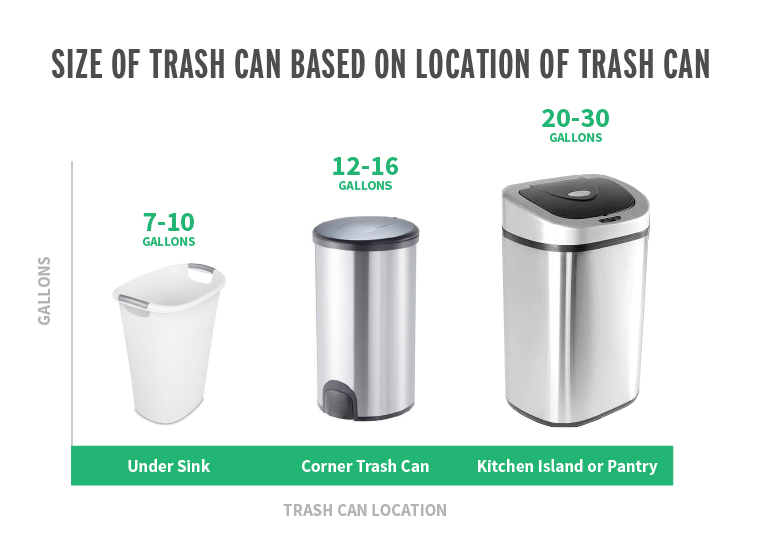
Image Source: trashcansunlimited.com
Why Trash Can Size Matters in the Kitchen
Your kitchen is the busiest room in the house. It makes a lot of trash—food scraps, packaging, and paper towels. The size of your waste bin plays a huge role in your daily clean-up routine.
Impact on Convenience and Cleanliness
A can that is too small fills up fast. You end up tying off bags constantly. This means more work for you. It can also mean trash sitting on the counter waiting for a bag change. This is not neat.
On the flip side, a can that is too big might sit half-empty for days. This can lead to smells, especially in warm weather. Very large cans also take up valuable floor space in smaller kitchens. You need a balance. This balance comes from knowing the right trash can volume for kitchen needs.
The Role of Capacity Measurement
When shopping, you will see sizes listed in gallons or liters. Knowing the capacity of kitchen trash cans in gallons helps you compare models easily. Most people shop using gallons because it is the common way to measure these cans in many places.
Deciphering Kitchen Trash Can Dimensions and Capacity
Trash can sizes are usually described by their volume. This volume directly relates to the physical space the can takes up.
Common Kitchen Trash Can Sizes
Sizes range from very small for apartments to very large for big families. Here is a look at typical ranges and what they mean for your kitchen.
| Size Category | Capacity Range (Gallons) | Capacity Range (Liters) | Best For |
|---|---|---|---|
| Small Kitchen Trash Can Size | 4 – 8 Gallons | 15 – 30 Liters | Singles, small apartments, secondary bins |
| Standard Kitchen Garbage Can Size | 10 – 13 Gallons | 38 – 49 Liters | Average 1-4 person household |
| Large Kitchen Trash Can Capacity | 16 – 20+ Gallons | 60 – 75+ Liters | Large families, heavy recyclers, big kitchens |
Close Look at Small Cans
A small kitchen trash can size is great for specific spots.
- 4-8 Gallons: These are often used under sinks or in small apartments where space is tight. If you live alone and rarely cook, this might work. They require very frequent emptying, sometimes daily.
Focusing on the Standard Size
The standard kitchen garbage can size of 13 gallons is popular for a reason.
- It fits most standard kitchen trash bags perfectly. These bags are often labeled as “Tall Kitchen” bags.
- It holds about 3 to 5 days’ worth of average household trash before needing to be changed. This offers a good mix of space and frequency of emptying.
Exploring Large Capacity Options
For bigger needs, you look toward large kitchen trash can capacity.
- 18-20 Gallons: These are for busy homes. If you have five or more people, or if you do a lot of cooking and meal prep, a larger bin reduces the hassle of taking out trash multiple times a week. Always check the kitchen waste bin measurements before buying, as these cans take up significant floor space.
Measuring Your Space: Key Kitchen Trash Can Dimensions
It is not just about how much trash it holds. It is about where it fits. You must measure the spot where the can will live.
Height is Crucial
The height of the can determines if it fits under a counter overhang or near a door swing.
- Measure the available vertical space. If you plan to put the can inside a cabinet, measure from the floor up to the bottom of the shelf or opening.
- Tall cans often look sleek, but they might not fit in tight nooks. Check the height to ensure the lid can open fully, especially if you get a step-on model.
Width and Depth: The Footprint
The width and depth determine the can’s footprint on your floor.
- Depth: This is how far the can sticks out from the wall or cabinet. If you have a narrow walkway, a deep can can become a tripping hazard.
- Width: This is how wide the can is side-to-side. Many round or square cans take up less space than rectangular ones, but rectangular cans can sit flush against a wall better.
Considering Lid Styles
The lid style changes the overall required space.
- Swing Top: These often require less overhead space since the lid just tilts in.
- Step-On/Lid Lift: These need clear space above them for the lid to swing up fully. If your can sits right under a low shelf, this lid style might not work well.
- Motion Sensor Lids: These also require overhead clearance.
When looking at kitchen garbage can dimensions, always look at the manufacturer’s listed height and width, and check if those measurements include the lid when open.
Fathoming Household Waste Output: How Much Do You Actually Throw Away?
To find the best size kitchen trash can, you need to look at your family’s habits. How much trash do you generate daily?
Factors Affecting Trash Volume
Several things make one family’s trash output different from another’s:
- Number of People: More people equal more waste. A family of four generates much more trash than a single person.
- Cooking Habits: Do you cook every meal from scratch? Fresh food preparation creates more scraps (peels, trimmings) than heating up pre-packaged food.
- Recycling Habits: If you recycle heavily—cardboard, plastic bottles, glass—your main trash can will fill up much slower. You might only need a small kitchen trash can size for the non-recyclable items.
- Use of Compost: If you compost food scraps, this greatly reduces the volume going into your main kitchen bin.
Quick Guide to Estimating Needs
Try this simple test for three days:
- Use your current kitchen trash bag as normal.
- At the end of the third day, note how full the bag is.
- If it is stuffed full and smells bad, you need a bigger can. If it is only half full, you could go smaller or stretch the time between changes.
If you find you are filling a 13-gallon can every two days, you should strongly consider moving to a 16-gallon model to maintain a three-to-four-day cycle. This helps keep smells down.
Navigating Trash Bags and Size Compatibility
The size of the can must match the bags you use. Using the wrong size leads to messy situations.
Standard Bag Sizes Explained
Most trash bags are sold based on the maximum volume they can hold, but this does not always line up perfectly with the can size.
- 13-Gallon Bags (Tall Kitchen): These are designed to fit cans up to 13 gallons. They are extra tall so they can fold over the rim easily, preventing slippage.
- 30-33 Gallon Bags (Contractor/Large): These are used for the very large 18+ gallon cans. If you use these in a standard 13-gallon can, the bag will collapse down into the can, creating a waste of plastic and potentially trapping trash in a tight space.
The Problem of Oversized Bags
Never use a bag that is too big for your can. Excess bag material bunches up inside the bin. This wastes bag space and makes it hard to pull the full bag out without tearing it. Always check the recommended bag size for the specific kitchen trash can dimensions you purchase.
Eco-Friendly Bag Choices
Many people look for compostable or recycled plastic bags. These are great options. However, check their thickness (mil rating). Very thin eco-bags might tear easily when dealing with heavy or sharp kitchen waste.
Trash Can Types and How They Affect Size Choice
The style of the can influences how efficiently the volume is used and what kitchen waste bin measurements you should prioritize.
Step-On Cans (Step Cans)
These are the most common type. You step on a pedal to open the lid.
- Pros: Hands-free operation is great for messy cooks.
- Cons: The pedal mechanism takes up internal space, meaning a 13-gallon step can might hold slightly less actual trash than a simple open-top 13-gallon can. They are usually rectangular or D-shaped to fit against counters well.
Motion Sensor/Automatic Cans
These open automatically when they sense your hand nearby.
- Pros: Very hygienic; no touching required.
- Cons: Require batteries. The sensor mechanism often adds to the overall height and bulk. They are usually round or slightly oval, which affects placement.
Slim/Vertical Cans
These focus on being narrow rather than wide.
- Pros: Excellent for fitting between a refrigerator and a wall, or near a doorway. They prioritize depth over width.
- Cons: Because they are narrow, they might fill up quickly from front to back, requiring frequent tying off, even if the total trash can volume for kitchen seems adequate.
Dual Compartment Cans (Trash and Recycle)
These cans divide the total volume into two sections, usually for trash and recycling.
- Size Consideration: If you buy a 16-gallon dual can, each side might only hold 8 gallons. You need to evaluate the waste stream for both trash and recycling separately. If you produce much more trash than recycling, the smaller trash side might fill up too fast.
Special Situations: When You Need a Non-Standard Size
Not every kitchen follows the norm. You might need to go outside the 10-13 gallon range based on your living situation.
For Studio Apartments or Tiny Homes
If space is extremely limited, you must look at small kitchen trash can size.
- 4-6 Gallon Options: These are often called wastebaskets rather than full trash cans. They are perfect for sliding right into a cabinet door or a very narrow gap. Expect to take the trash out every day or two.
For Large Families or Home Businesses
If you run a home-based food business or have a very large family (6+ people), a standard can will be overwhelmed.
- 18-20 Gallon Cans: These provide the necessary large kitchen trash can capacity. Be sure to confirm the kitchen trash can dimensions will not block high-traffic pathways. Sometimes, it is better to have two smaller, matching bins (one for trash, one for recycling) than one enormous bin that obstructs flow.
Hidden vs. Visible Cans
If your can will be fully hidden inside a pantry or large pull-out cabinet, you have more freedom with size and shape. If the can sits proudly next to the island, aesthetics matter. Sleek stainless steel models often look better but might have slightly different kitchen waste bin measurements compared to standard plastic bins.
Maintenance and Material Impact on Size Perception
The material of the can and how you maintain it can influence how you feel about its size.
Plastic vs. Stainless Steel
- Plastic: Generally lighter, often cheaper, and comes in a wider variety of shapes and smaller sizes.
- Stainless Steel: More durable and easier to clean, often chosen for visibility. They tend to hold their shape better, which helps maintain the rated volume.
Liner Rings and Mechanisms
Some high-end cans feature an internal ring that holds the trash bag in place and hides the excess plastic liner over the rim.
- This ring takes up space inside the can. If a can advertises 13 gallons but has a very thick liner mechanism, the actual usable trash can volume for kitchen might be closer to 12 or 12.5 gallons. Always check user reviews regarding how much trash truly fits before the lid won’t close.
Odor Control and Size
If you live in a warm climate or generate smelly waste (lots of meat trimmings), using a standard kitchen garbage can size that you empty every two days might be better than using a large kitchen trash can capacity that sits for a week, allowing odors to build up, even with charcoal filters. Frequent emptying often beats large storage capacity for odor management.
Summary Checklist for Choosing Your Perfect Fit
Before clicking “buy,” run through this final check to ensure you select the right size for your space and lifestyle. This aids in the process of choosing kitchen garbage can size.
| Consideration | Question to Ask | Goal |
|---|---|---|
| Family Size/Waste Output | How often do we currently take out the trash? | Determine necessary capacity of kitchen trash cans in gallons. |
| Space Availability | What are the exact height, width, and depth measurements of the spot? | Ensure the kitchen trash can dimensions fit without blocking traffic. |
| Bag Compatibility | What size bags (e.g., Tall Kitchen) do I want to use? | Match the can’s volume to readily available, affordable bags. |
| Lid Operation | Does the lid need to open fully in this spot? | Verify overhead clearance for step-on or sensor lids. |
| Aesthetics | Will this can be visible or hidden? | Balance function (size) with form (material and shape). |
By carefully weighing your family’s needs against the physical space you have, you can confidently select the perfect size, ensuring your kitchen remains clean and functional. Whether you need a compact small kitchen trash can size or robust large kitchen trash can capacity, the right fit is out there.
Frequently Asked Questions (FAQ)
What is the typical height for a 13-gallon kitchen trash can?
The typical height for a standard 13-gallon kitchen trash can (without the lid open) is usually between 24 and 28 inches. This measurement is important when placing it under countertops or in cabinets. Always confirm the specific kitchen trash can dimensions provided by the seller.
Can I use small trash bags in a large kitchen trash can?
Yes, you can use smaller bags in a larger can, but it is inefficient. The bag will crumple at the bottom, reducing the effective trash can volume for kitchen use. It is best to use bags rated for the can’s capacity or slightly larger, folded over the rim.
Is a 10-gallon can too small for a family of three?
For a family of three who cooks regularly, a 10-gallon can might be slightly small, leading to daily trash removal. A 13-gallon can is usually the better choice for this size household to aim for changing the trash every 2-3 days. If you recycle heavily, 10 gallons might suffice.
How do I measure the capacity if the seller only lists the kitchen waste bin measurements?
If only dimensions (H x W x D) are listed, you can estimate the capacity of kitchen trash cans in gallons using online volume calculators. However, for accuracy, it is always better to look for a listed volume in gallons or liters, as the shape (round vs. square) heavily influences usable volume even with the same external measurements.
What defines a “Tall Kitchen” trash bag size?
“Tall Kitchen” trash bags are generally designed for cans up to 13 gallons. They are tall enough (usually around 30 inches high) to allow about 4-6 inches of excess material to fold securely over the rim of the can, preventing slippage.