
What should I put in kitchen cabinets? You should store items based on how often you use them, placing frequently used things in easy-to-reach spots and less-used items higher up or further back.
When space is tight, every inch inside your kitchen cabinets counts. Small kitchens pose a big challenge for storage. You need smart ideas to keep things neat. Good kitchen cabinet organization saves time and stress. This guide will help you make the most of your limited space. We focus on smart placement and simple tools to achieve amazing results.
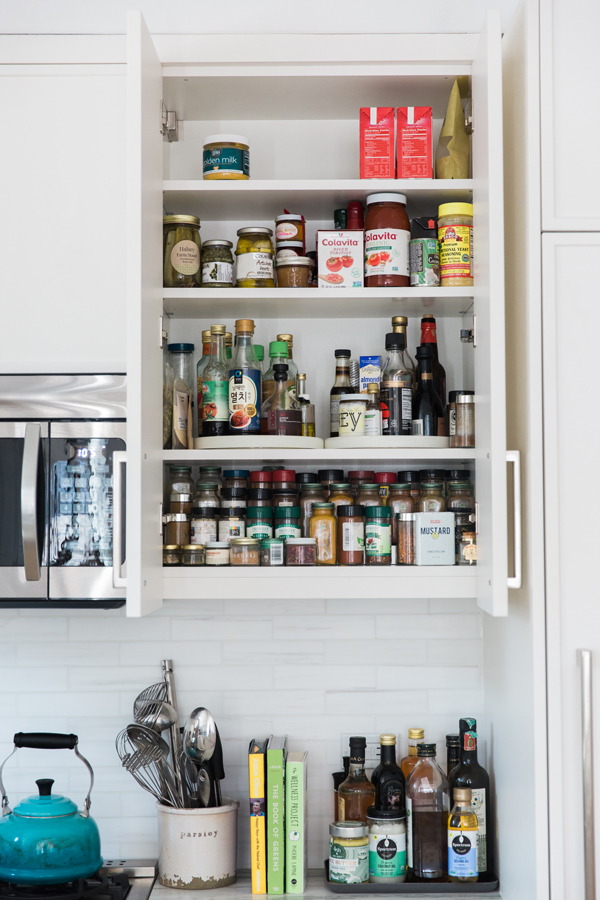
Image Source: feedmephoebe.com
Rethinking Cabinet Zones: A Placement Strategy
Before you start putting things away, think about how you use your kitchen. Divide your cabinets into zones based on activity. This logical layout is key to maximizing kitchen cabinet space.
The Daily Use Zone (Eye Level and Waist Level)
These are your prime real estate spots. Items here should be things you grab multiple times a day.
- Everyday Dishes: Plates, bowls, and mugs belong here. Keep them close to the dishwasher or sink for easy unloading.
- Basic Glassware: Water glasses and everyday drinking cups.
- Essential Cutlery: Silverware, if stored in a drawer, should be in the top drawer near the prep area.
The Cooking Zone (Near the Stove/Oven)
Cabinets directly surrounding your cooktop are perfect for cooking tools.
- Spices and Oils: Keep frequently used spices within arm’s reach. This is where spice rack organization really shines.
- Pots and Pans: Store these heavy items in lower, deep cabinets. Learn organizing pots and pans effectively below.
- Baking Sheets and Trays: Use vertical dividers here.
The Prep Zone (Near the Main Counter Space)
This area needs tools for chopping, mixing, and measuring.
- Cutting Boards: Store them vertically using tension rods or file holders.
- Mixing Bowls and Measuring Cups: Nest these items together.
- Small Appliances: If you use your blender or toaster often, keep it accessible here.
The Infrequent Use Zone (High Shelves or Deep Corners)
Save the top shelves and the very back of deep cabinets for things you rarely need.
- Seasonal Serving Dishes: Holiday platters or specialty serving bowls.
- Extra Linens: Tablecloths or rarely used aprons.
- Specialty Gadgets: Things like a turkey baster or an ice cream maker used only once a year.
Tools to Unlock Hidden Cabinet Potential
You cannot maximize space without the right tools. Investing in organizers makes a huge difference, especially for small kitchen storage solutions.
Shelf and Cabinet Maximizers
These simple additions create levels where there were none before.
Stacking Solutions
| Tool Type | Best For | How It Helps |
|---|---|---|
| Wire Shelves (Stackable) | Dishes, Mugs, Canned Goods | Doubles the vertical storage capacity on one shelf. |
| Cabinet Shelf Inserts | Spices, Small Bowls | Lifts items up for better viewing and access. |
| Under-Shelf Baskets | Foil, Wraps, Small Towels | Utilizes the empty space beneath a shelf. |
Mastering Drawers: The Importance of Inserts
Drawers often become junk piles without structure. Drawer dividers for kitchen items are essential for organization.
- Cutlery Trays: Use tiered or adjustable trays for silverware. This keeps knives, forks, and spoons separated neatly.
- Utensil Organization: For long tools like spatulas, use long, narrow drawers with deep kitchen drawer inserts. Lay them flat, separated by dividers.
- Tool Caddies: Small, movable bins within a larger drawer can hold miscellaneous items like bag clips or twist ties.
Vertical Storage: Thinking Upwards
When floor space is limited, go vertical. This technique is vital for maximizing kitchen cabinet space.
- Pot Lid Organizers: Use racks mounted on the inside of a cabinet door or standing racks on the shelf to hold lids upright. This stops the clatter and searching.
- Baking Pan Racks: Slotted dividers let you stand up cookie sheets, muffin tins, and cutting boards. They are easy to pull out one by one.
Specialized Storage: Tackling Tricky Items
Certain kitchen items are inherently bulky or awkward. They need specific approaches.
Organizing Pots and Pans
This is often the biggest storage headache. Heavy, bulky items can easily cause cabinet chaos.
- Nest Wisely: Stack pots and pans from largest to smallest. Place a soft cloth or paper towel between non-stick surfaces to prevent scratching.
- Lower Cabinets First: Because they are heavy, these should go in lower cabinets. This prevents strain and injury when pulling them down.
- Use Pull-Out Systems: If you can install or retrofit deep cabinets with pull-out drawers, this is the ultimate solution for organizing pots and pans. Everything comes to you.
- Handle Removal: If you have a very small space, consider removable handle systems for specialized cookware. Store the handles separately in a drawer.
Conquering the Pantry Space
Whether you have a dedicated walk-in or just a few shelves, pantry storage ideas focus on visibility and accessibility.
- Decanting for Uniformity: Transfer dry goods like flour, sugar, pasta, and cereal into clear food storage containers for cabinets. Uniform containers stack better and look tidier. This also helps keep pests out.
- Lazy Susans (Turntables): These are fantastic for corner cabinets or deep shelves holding bottles (oils, vinegars) or small jars. A simple spin brings the back items forward.
- First In, First Out (FIFO): Always place newer items behind older ones. This ensures you use food before it expires.
Spice Rack Organization Secrets
Spices are small but numerous. A messy spice drawer is useless.
- Door Mounted Racks: If your cabinet door is flat and strong enough, use a slim, tiered rack attached to the back of the door.
- Drawer Inserts for Spices: Lay spice jars flat in a drawer using slanted spice drawer inserts. This lets you read all the labels at once.
- Uniform Jars: Transferring spices to matching small jars (even just square ones) allows for tighter, neater packing on shelves.
Cabinet Door Interiors: Untapped Storage Potential
Don’t ignore the back of your cabinet doors. They offer excellent, slim storage space perfect for small kitchen storage solutions.
Door-Mounted Must-Haves
- Hooks for Measuring Cups/Spoons: Install small adhesive hooks to hang sets of measuring tools.
- Shallow Racks for Lids/Wraps: Mount narrow racks to hold aluminum foil, plastic wrap boxes, or pot lids vertically.
- Back-of-Door Cutting Board Storage: Use over-the-door hooks designed for towel racks to secure thin cutting boards vertically.
Smart Solutions for Dishes and Glassware
Dish rack placement is important, whether you use a drying rack inside or rely on open shelving.
- Sturdy Shelves for Stacks: If stacking plates, ensure the shelf is strong. Use plate storage racks that allow you to pull out a single plate without disturbing the stack.
- Glassware Management: Store delicate stemware upside down on shelves if you lack stemware racks. For everyday glasses, use a small shelf riser to create two levels of storage for short tumblers.
- Mug Hooks: Consider installing screw-in mug hooks under shelves to hang mugs by their handles. This frees up valuable shelf space instantly.
Food Storage Containers for Cabinets: Taming the Plastic Pile
The nesting lids and bodies of food storage containers can create significant clutter.
- Contain the Lids: This is the main issue. Use a vertical file organizer or a deep drawer divider to store all lids upright, like files in a cabinet.
- Nest the Bases: Stack the container bases from largest to smallest inside a separate cabinet or deep drawer.
- Limit the Collection: Be ruthless. If you have 20 containers but only use five regularly, donate or toss the rest. Keep only the sizes you truly need.
Deciphering Cabinet Depth: Deep vs. Shallow Spaces
Not all cabinets are created equal. Maximizing kitchen cabinet space means treating deep and shallow cabinets differently.
Deep Cabinets (The Black Hole Risk)
Deep cabinets tempt us to push things to the back, where they are forgotten.
- Use Pull-Outs: Roll-out shelves or drawers are the best investment for deep cabinets. They bring the back items to you.
- Tiered Risers: In the pantry section, tiered risers help you see cans and jars stacked in the back.
- Turntables: For oils, vinegars, and sauces, a Lazy Susan ensures nothing gets lost behind the front row.
Shallow Cabinets (Great for Visibility)
Shallow cabinets are easier to organize because everything is visible.
- Spice Racks: These are perfect here, especially door-mounted ones.
- Vertical Stacking: Use narrow racks for spices or small bowls.
- Everyday Items: Since they are easy to access, use them for frequently grabbed items like coffee supplies or small snacks.
Organizing Small Kitchen Drawers Effectively
Drawers are workhorses. Proper organization prevents “drawer drift” where everything mixes together.
Utilizing Kitchen Drawer Inserts
Modern kitchen drawer inserts go beyond simple plastic trays.
- Adjustable Dividers: These allow you to customize the size of compartments based on the tools you need to store (e.g., wide space for whisks, narrow space for peelers).
- Knife Blocks (In-Drawer): Safe storage for knives inside a drawer protects blades and fingers while keeping the counter clear.
- Dedicated Junk Drawer (If Necessary): If you must have one, use small grid organizers within that drawer to give every random item a home (batteries here, tape there).
Storing Prep Tools
Keep mixing spoons, spatulas, and ladles together, but keep them tidy.
- Use long, deep drawer organizers.
- Lay larger tools flat rather than piling them up.
Simple Maintenance for Lasting Organization
Organization isn’t a one-time event; it’s a habit. Regular checks keep your space working well.
- The Quarterly Purge: Every three months, take everything out of one zone (e.g., the spice cabinet). Check expiration dates and toss anything unused or expired.
- One In, One Out: When you buy a new gadget or container set, try to donate or discard an old, similar item. This prevents clutter creep.
- Label Everything: If you decant items into food storage containers for cabinets, label them clearly with contents and expiration dates. This speeds up finding things immensely.
By implementing zone planning, utilizing smart tools like vertical racks and drawer dividers for kitchen organization, and consistently maintaining your space, even the smallest kitchen can feel spacious and highly efficient. Focus on making the most of vertical space and keeping frequently used items front and center to streamline your cooking routine.
Frequently Asked Questions (FAQ)
Q: Where should I store heavy items like cast iron skillets?
A: Heavy items should always go in the lowest, most accessible cabinets, usually near the stove. This prevents strain when lifting them out. Use pull-out shelving if possible for easier access.
Q: How can I stop my plastic food container lids from creating a mess?
A: The best method is to store all lids vertically. Use an upright file organizer, tension rods, or specialized lid racks mounted inside a cabinet door. This treats the lids like files, making them easy to grab individually.
Q: Is it better to store food items on shelves or in drawers?
A: This depends on the item. Dry goods and bulk items like cereal often do well on deep shelves using tiered risers or turntables. Ingredients you use during prep (like spices or cooking utensils) are better suited for drawers closer to the work surface, utilizing kitchen drawer inserts.
Q: What is the best way to organize baking supplies like cookie cutters and frosting tips?
A: Small items like these thrive in small containers or dedicated drawer inserts. Use clear, divided craft storage boxes within a drawer or cabinet. You can stack these small bins if you need to save shelf space.
Q: How do I organize my spice rack organization effectively in a tiny kitchen?
A: For minimal space, utilize the back of the cabinet door with a slim, tiered rack. Alternatively, if you have a shallow drawer, use slanted spice inserts so all labels face up, making viewing easy. Uniform jars also help save space.