
Can I remove a kitchen faucet by myself? Yes, you absolutely can remove a kitchen faucet by yourself with the right tools and steps. This guide will show you how to take out your old faucet, making it much easier when you decide to replace kitchen faucet. We will walk you through every step to remove leaky faucet or prepare for a new setup.
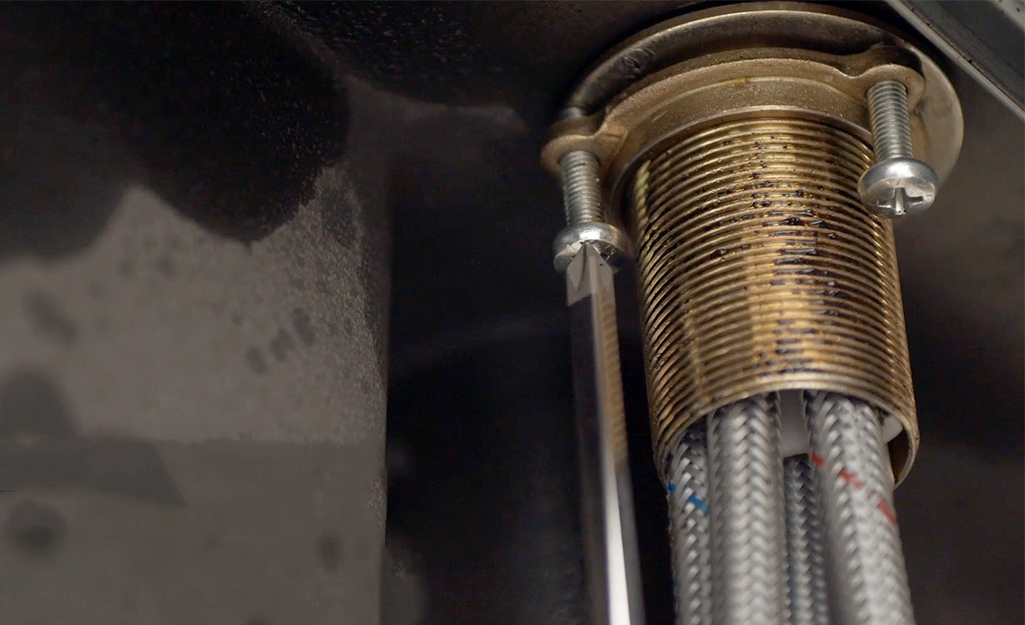
Image Source: contentgrid.homedepot-static.com
Pre-Removal Steps: Getting Ready for the Job
Before you grab any tools, preparation is key. Working on plumbing means dealing with water, so you must shut it off first. Being organized prevents frustration later.
Securing the Water Supply
The first and most important step is stopping the water flow. If you skip this, you will have a big mess.
- Locate Shut-Off Valves: Look directly under the sink cabinet. You should see two small valves connected to the water lines—one for hot water and one for cold water.
- Turn Off the Water: Turn these valves clockwise until they stop. Do not force them too hard, or you might break them.
- Test the Faucet: After closing the valves, turn the faucet handles on above the sink. A small amount of water might drip out, but it should stop quickly. This proves the water supply is off.
Clearing the Workspace
You need room to work safely and see what you are doing. Space under a sink is often tight.
- Empty the Cabinet: Take everything out from under the sink. Empty cleaning supplies, trash cans, or anything else stored there.
- Prepare Lighting: It is usually dark under the sink. Bring a good flashlight or a battery-powered work light. Good light helps you see the small parts clearly.
- Protect the Floor: Place old towels or a shallow bucket directly below the pipes. Even if you turn the water off, some residual water will leak out.
Locating the Faucet Connections
To disconnect sink faucet, you must find where it connects to the countertop and the water lines.
Observing the Faucet Base
Look up at the faucet handles from below. You will see where the faucet body meets the sink deck.
- Identify Mounting Hardware: Modern faucets often use long bolts or large faucet mounting nuts that hold the entire unit tight against the sink. Older faucets might use screws or specialized clamps.
- Trace the Supply Lines: You will see flexible hoses running from the faucet base down to the shut-off valves. These are the hot and cold supply lines.
Tools You Will Need
Having the best tools for faucet removal makes the job fast and less painful. Do not try to use pliers if a basin wrench is needed.
| Tool | Primary Use | Notes |
|---|---|---|
| Adjustable Wrench | Loosening supply line connections. | Use on the nuts connecting hoses to valves. |
| Basin Wrench | Reaching and turning nuts in tight spaces. | Essential for deep nuts holding the faucet down. |
| Safety Glasses | Protecting your eyes. | Always wear them when working overhead. |
| Utility Knife or Scraper | Cutting old caulk or sealing putty kitchen faucet. | Helps separate the faucet base from the sink. |
| Screwdriver Set (Flathead/Phillips) | Removing access plates or certain mounting screws. | Necessary for some older models. |
| Towels/Bucket | Managing spills. | Keep the area dry. |
Step-by-Step Guide to Disconnecting the Lines
Now that you are prepped and tooled up, it is time to break the plumbing connections.
Removing the Supply Lines
The supply lines connect the faucet to the water valves. These usually have small nuts that are easy to reach.
- Use the Adjustable Wrench: Place the adjustable wrench carefully around the nut where the flexible line meets the shut-off valve.
- Turn Counter-Clockwise: Turn the nut to the left (counter-clockwise) to loosen it. Be ready for a small dribble of water when the connection breaks free.
- Disconnect Both Lines: Repeat this process for both the hot and cold lines.
- Inspect Hoses: If you plan to install new kitchen faucet, you might be able to reuse the supply lines if they are new or in great shape. Often, it is best practice to replace them entirely to avoid future leaks.
Handling Sprayers and Soap Dispensers
If your setup includes a separate sprayer or a soap dispenser, these need to be removed too.
- Sprayer Hose: If there is a separate side sprayer, trace its hose back. It often connects to a diverter body under the main faucet base. Loosen the connection there. Some sprayers simply pull through the sink hole once the base is removed.
- Soap Dispenser: Soap dispensers usually thread on with a plastic nut underneath. Spin this nut off to free the dispenser.
Loosening the Faucet Mounting Nuts
This is often the hardest part of the kitchen faucet replacement guide. The nuts become corroded or seized due to water exposure and age. This is where the basin wrench shines.
Navigating the Tight Space
You need to look straight up at the underside of the sink deck where the faucet comes through.
- Position the Basin Wrench: Slide the jaws of the basin wrench up around the large faucet mounting nuts. These nuts might be made of plastic or brass.
- Apply Force Carefully: Position the wrench handle so you can push up or down firmly. Turn the nut to the left (counter-clockwise). You may need significant force if the nut is stuck.
- Work Slowly: If the nut starts to turn, keep working it until it comes off completely. If it seems frozen, try spraying a small amount of penetrating oil (like WD-40) on the threads and wait 15 minutes. Always wipe away excess oil before proceeding.
Tip: If you are struggling to reach deep nuts, a specialized tool called an under-sink wrench, or a socket wrench with a long extension, might offer better leverage than a standard basin wrench.
Separating the Faucet from the Sink
Once the nuts are gone, the faucet is only held down by gravity and whatever material was used to seal it to the sink.
Cutting the Seal
Most faucets use some kind of sealant to keep water from running down the edges and into the cabinet below. This could be plumbers putty or silicone caulk.
- Locate the Edge: Find where the base of the faucet touches the metal or composite sink surface.
- Use a Utility Knife: Carefully slide the tip of a utility knife between the faucet base and the sink deck. Make small, shallow cuts to slice through any caulk or old sealing putty kitchen faucet. Be very careful not to scratch the sink surface.
- Scrape Residue: Use a plastic scraper or the dull side of a putty knife to gently scrape away any remaining putty or caulk residue. Removing this buildup ensures the new faucet seats perfectly later.
Lifting the Old Faucet
With the nuts off and the seal cut, the faucet should lift straight up.
- Pull Upward: From above the sink, grip the faucet body firmly. Pull straight up and out of the mounting holes.
- Clean the Area: Once the old faucet is out, clean the mounting surface thoroughly. Use rubbing alcohol or mineral spirits to remove any final traces of grease or old sealant. A clean surface is vital if you install new kitchen faucet.
Addressing Different Faucet Types
Not all faucets mount the same way. Here is a quick look at variations you might find when removing older units or preparing to replace kitchen faucet.
Single-Hole Faucets
These are the simplest. They pass through one hole. They usually rely on one large mounting nut or a bracket secured by two screws underneath. The removal process focuses mainly on loosening that central nut or bracket.
Three-Hole Faucets (Widespread)
These have separate handles and a spout. Each component is mounted through its own hole and secured by its own small nut. You must loosen three separate sets of mounting nuts, which means more time spent in the cramped plumbing under sink access area.
Faucets with Deck Plates (Escutcheons)
If your sink has three holes but only one central faucet body, it is covering the extra holes with a decorative base plate. You must remove the faucet first. Then, lift the plate. You might find additional mounting screws or clips holding this plate down.
Completing the Removal and Cleanup
You have successfully removed the faucet. Now, finalize the area.
- Inspect the Holes: Look closely at the holes in your sink or countertop. Ensure no debris or corroded metal remains.
- Inspect Water Valves: While you are under there, check the hot and cold shut-off valves. If they look rusty, are dripping, or are hard to turn, now is the perfect time to replace them before you install new kitchen faucet. Worn-out valves are a common cause of future sink issues.
- Store Parts: Keep the old supply lines or mounting hardware until you are 100% sure the new faucet fits and works perfectly.
Tips for Easier Removal
Some jobs are tougher than they look. Use these tips to make the process smoother, especially if you are dealing with an old, stiff fixture.
Dealing with Rust and Corrosion
If the faucet mounting nuts have rusted onto the threads, brute force might break the threads or the supply line.
- Heat Application (Use Extreme Caution): For metal nuts only, a small amount of focused heat from a heat gun (not a torch!) can sometimes expand the nut just enough to break the rust bond. Warning: Never use heat near plastic lines or flammable materials.
- Penetrating Oil Soak: Apply penetrating oil liberally. Cover the threads and let it soak for several hours, or even overnight. Reapply several times. This oil seeps into the microscopic spaces of the rust.
Maximizing Space
Limited space under the sink is the biggest hurdle for anyone trying to disconnect sink faucet.
- Knee Pads: Protect your knees. You will be leaning on the cabinet floor a lot.
- Pillow or Pad: Place a folded towel or a small piece of foam under your back or neck for comfort while you are lying down looking up.
- Ask for Help: If you have a helper, have them stand above the sink to hold the light steady or pass tools down to you. This lightens the physical strain immensely.
Post-Removal Preparations for Installation
Once the old unit is out, the area needs to be prepped for the next phase: installing the new fixture.
Cleaning the Deck Surface
A clean seal is crucial for preventing leaks when you install new kitchen faucet.
- Remove Old Putty: Scrape off every trace of the old sealing putty kitchen faucet or silicone caulk. Use a plastic scraper, not metal, to avoid scratching stainless steel or acrylic sinks.
- Degrease: Wipe the area down with a mild degreaser or rubbing alcohol. This ensures the new sealant sticks properly.
Pre-Assembling the New Faucet (Outside the Sink)
Many new faucets are easier to assemble on a workbench or the floor before installing them into the sink hole.
- Read the New Manual: Look at the instructions for your new faucet. It might tell you to attach the supply lines or the base plate before you feed the lines through the sink hole. This saves precious minutes working cramped underneath.
By following these detailed steps to remove leaky faucet or prepare for an upgrade, you minimize potential damage and make the eventual installation process much simpler. Removing the old hardware is the foundation of a successful upgrade.
Frequently Asked Questions About Faucet Removal
Q: How long does it typically take to remove an old kitchen faucet?
A: For an experienced DIYer, removing a standard faucet might take 30 minutes to an hour. If the nuts are heavily corroded or you have to fight tight plumbing under sink access, it could take two to three hours. The time spent preparing (clearing the cabinet, finding tools) is often as important as the removal itself.
Q: What if I cannot reach the faucet mounting nuts?
A: If you cannot reach the nuts, you likely need a specialized tool. The basin wrench is designed for this exact purpose, as its long handle and swiveling head allow you to grip nuts deep within the sink basin area. If even a basin wrench fails, you may need to consider loosening the pipes connected to the basin or, in extreme cases, hiring a plumber to access the area with specialized inspection cameras or tools.
Q: Can I reuse my old supply lines when I replace kitchen faucet?
A: It is highly recommended that you do not reuse old supply lines. Supply lines are often stressed during removal. Even if they look fine, old lines are prone to failure sooner than new ones. Always buy new, braided supply lines when you install new kitchen faucet.
Q: What is the purpose of sealing putty kitchen faucet?
A: Sealing putty, usually plumbers putty, is used to create a watertight seal around the base of the faucet where it meets the sink deck. It prevents water that splashes around the faucet base from seeping down into the cabinet and causing damage. When removing the old faucet, you must break this seal, often by cutting it with a knife.
Q: Are the tools for removal the same as the tools for installation?
A: Mostly, yes. The best tools for faucet removal like the basin wrench and adjustable wrenches are also essential for tightening the faucet mounting nuts when you install new kitchen faucet. Having these tools ready ensures you are prepared for both tasks.