
The average price for new kitchen cabinets can range widely, typically from \$4,000 to over \$30,000 for a full kitchen remodel, depending heavily on the type of cabinet you choose—stock, semi-custom, or fully custom—along with material quality and installation complexity.
When planning a kitchen renovation, few decisions impact the final price tag as much as selecting new cabinetry. Cabinets take up the largest visual space in your kitchen. Therefore, they greatly influence both the look and the final expense. This guide breaks down the various factors that determine kitchen cabinet pricing so you can set a realistic budget for new kitchen cabinets.
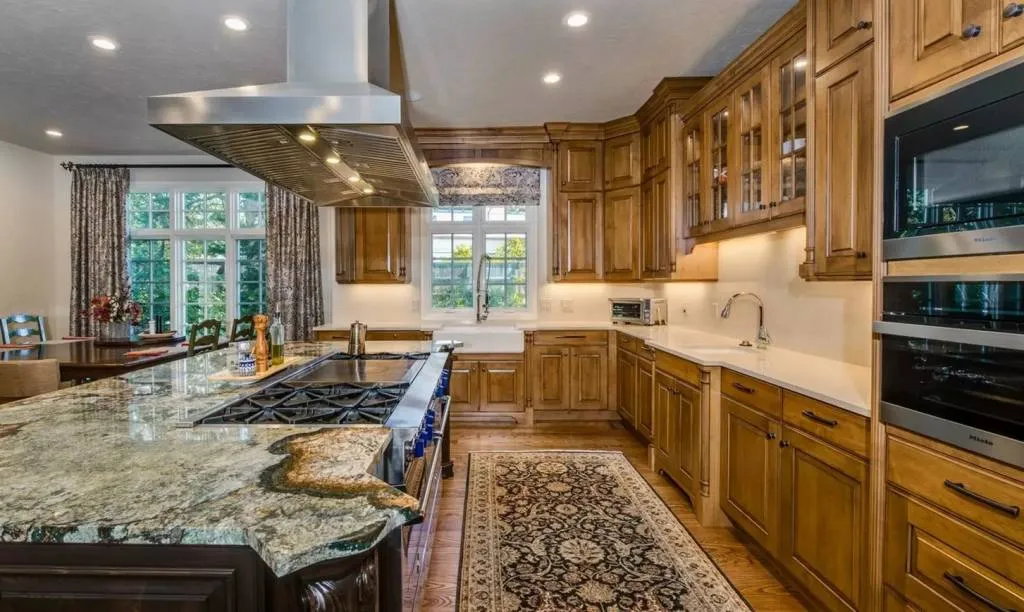
Image Source: www.bkckitchenandbath.com
Deciphering Cabinet Quality Tiers and Their Costs
Not all cabinets are made equal. The primary way costs differ is based on the manufacturing and customization level. Knowing these tiers is the first step in figuring out the cost to replace kitchen cabinets.
Stock Kitchen Cabinet Pricing: The Budget-Friendly Option
Stock cabinets are pre-built in standard sizes and finishes. Think of them like buying furniture “off the shelf.” They are mass-produced, which keeps the price low.
- Pros: Lowest initial cost, quick availability.
- Cons: Limited style and size choices, less durable construction often.
For a standard-sized kitchen, stock kitchen cabinet pricing might range from \$150 to \$400 per linear foot. If you have a very small kitchen, the total cabinet box might start around \$3,000 for the materials alone.
Semi-Custom Kitchen Cabinet Cost: Finding the Balance
Semi-custom cabinets offer a sweet spot between price and personalization. They start with standard sizes but allow for moderate modifications. You can often choose different depths, specific finishes, or minor adjustments to width.
This level often involves better materials and construction methods than stock options. Expect the semi-custom kitchen cabinet cost to fall between \$250 and \$650 per linear foot. This is where many homeowners find the best balance of quality and price.
Custom Kitchen Cabinet Prices: Unlimited Possibilities
When you opt for custom work, you get exactly what you want. These cabinets are built to order specifically for your space. This means perfect fits, unique dimensions, and specialized storage solutions.
Because they involve detailed design, superior materials, and specialized labor, custom kitchen cabinet prices are the highest. They often start at \$500 per linear foot and can easily climb past \$1,200 per linear foot for exotic woods or intricate designs.
| Cabinet Type | Average Price Range (Per Linear Foot) | Customization Level | Typical Lead Time |
|---|---|---|---|
| Stock | \$150 – \$400 | Very Low | 2 – 4 Weeks |
| Semi-Custom | \$250 – \$650 | Moderate | 4 – 8 Weeks |
| Custom | \$500 – \$1,200+ | High/Unlimited | 8 – 16+ Weeks |
Fathoming the Variables That Impact Cabinet Quotes
When you receive cabinetry quotes, many factors beyond the basic cabinet type influence the final number. It is vital to look closely at these details.
Cabinet Box Construction Material
The core material of the cabinet box strongly affects durability and price.
- Plywood: High-quality plywood boxes are durable and moisture-resistant. They cost more than particleboard.
- Furniture Board/Particleboard: This is often used in budget or stock cabinets. It is less expensive but can swell if exposed to water.
Door Style and Material
The door fronts are the most visible part of your kitchen, and their construction drives much of the style cost.
- Material: Solid wood (maple, cherry, oak) costs more than thermo-foil or laminate doors.
- Style: Simple Shaker styles are usually cheaper than ornate raised-panel doors with intricate detailing. Glazed or glass inserts add significant expense.
Drawer and Hardware Quality
Do not overlook the insides of your cabinets. High-quality hardware makes a huge difference in daily use.
- Runners: Soft-close, full-extension drawer slides are much better than basic metal runners and cost more upfront.
- Hinges: Soft-close hinges are standard in better cabinets. Poor quality hinges fail quickly.
Finish Quality
Factory finishes are generally more durable than custom finishes applied on-site. Hand-applied glazes or specialized stains increase the price significantly.
Installation: A Major Component of the Total Cost
Getting the price of the cabinets themselves is only half the battle. The new kitchen cabinet installation cost can add 15% to 50% on top of the material price.
Factors Affecting Installation Labor
- Complexity of Layout: Kitchens with many angles, non-standard wall placements, or custom features require more skilled labor time.
- Cabinet Type: Installing stock cabinets is usually fast. Custom cabinets require meticulous fitting, adding labor hours.
- Site Preparation: If old cabinets need removal, or if walls are uneven, installation time increases.
- Location: Installation rates vary widely based on regional labor costs.
On average, expect the new kitchen cabinet installation cost to run between \$100 and \$250 per cabinet box, though this is highly variable. Get several detailed cabinetry quotes that separate the material cost from the labor cost for clarity.
Comparing Refacing vs. Buying New
Many homeowners wonder if saving money is possible through kitchen cabinet refacing cost vs new. Refacing involves keeping the existing cabinet boxes but replacing the doors, drawer fronts, and sometimes the visible side panels.
When Refacing Makes Sense
Refacing is an option only if your existing cabinet boxes are structurally sound and made of quality material (usually wood). It is faster and usually cheaper than a full replacement.
- Cost Savings: Refacing can save you 40% to 60% compared to buying new mid-range cabinets.
- Speed: The project finishes much faster as there is less demolition and construction.
When Buying New is Necessary
If your boxes are water-damaged, warped, poorly constructed (thin particleboard), or if you need to completely change the kitchen layout, refacing is not viable. In these cases, the cost to replace kitchen cabinets entirely becomes the necessary expenditure. A full replacement allows for better space utilization and modern storage solutions.
Building Your Budget for New Kitchen Cabinets
Setting a realistic budget for new kitchen cabinets requires looking at the whole picture, not just the sticker price. For a mid-sized kitchen remodel (around 10 feet by 10 feet), here is a generalized cost breakdown for materials only:
| Cabinet Tier | Estimated Material Cost Range | Typical Total Kitchen Cost (Including Installation & Mid-Range Countertops) |
|---|---|---|
| Stock | \$3,500 – \$7,000 | \$9,000 – \$15,000 |
| Semi-Custom | \$7,000 – \$15,000 | \$15,000 – \$25,000 |
| Custom | \$15,000 – \$35,000+ | \$25,000 – \$45,000+ |
Note: These figures are estimates. They exclude appliances, flooring, and backsplash, which are separate costs.
Tips for Managing Cabinet Expenses
- Prioritize Where It Counts: If your overall budget is tight, spend more on the most used items—the base cabinets and drawers—where durability matters most. You might save on upper cabinets or use simpler finishes there.
- Mix and Match Tiers: Use stock cabinets for hard-to-fit areas, but invest in semi-custom for the main cooking zone. This hybrid approach can reduce overall kitchen cabinet pricing.
- DIY Where Possible (Carefully): If you are handy, managing the demolition and painting/finishing yourself can cut labor costs, but leave complex installation to professionals.
Comprehending Quotes: What to Look For
When soliciting cabinetry quotes from different suppliers or contractors, you must compare apples to apples. A low initial number can hide significant extra charges later.
Key Items to Verify in Every Quote
- Inclusions: Does the price include tax, delivery fees, and hardware (knobs/pulls)?
- Installation Details: Is the quoted installation price for installation only, or does it include demolition and debris removal?
- Material Specificity: Ensure the quote lists the exact material (e.g., “1/2-inch plywood box with dovetail drawer joints” rather than just “quality cabinets”).
- Warranty: What warranty is offered on both the materials and the installation work?
If one quote is dramatically lower than the others, ask specific questions to pinpoint where they cut costs, as this often relates to thinner materials or less experienced installers.
Modern Cabinet Features That Affect Price
Today’s kitchens feature specialized storage. While amazing, these features raise the price.
Specialized Inserts and Accessories
- Pull-Out Pantries: Tall units that pull entirely out of the cabinet space are efficient but expensive.
- Spice Drawer Inserts: Small, dedicated storage units add to the component list.
- Trash/Recycling Pull-Outs: Essential for modern kitchens, these add labor and hardware cost.
Dovetail vs. Butt Joints
High-quality cabinets use dovetail joints to connect drawer boxes. These are sturdy and durable. Cheaper cabinets use simple butt joints or even staples. If you see dovetail construction listed, it generally means you are looking at semi-custom or custom pricing because it takes skilled labor to produce.
Maximizing Value in Your Kitchen Cabinet Investment
New cabinets are a long-term investment. To maximize the return on your spending, focus on timeless design and functionality.
Timeless Style Over Trendy Finishes
While bright colors are popular now, they may date your kitchen quickly. Choosing classic colors (white, gray, natural wood tones) and simple door profiles (like Shaker) ensures your cabinets look great for years, protecting your investment against rapid depreciation in style. This longevity helps justify the initial average price for new kitchen cabinets.
Layout Efficiency
Spend extra time with your designer optimizing the workflow triangle (sink, stove, refrigerator). Well-placed cabinets reduce frustration daily. If you have to pay more for a custom piece that perfectly fits a tricky corner, that cost is often justified by increased usability.
Maintenance Considerations
If you select very dark, glossy finishes or stark white cabinets, you will see every fingerprint, smudge, and speck of dust. Choosing a medium tone or a painted finish with a subtle texture can drastically reduce daily cleaning effort, making the initial price feel more worthwhile over time.
Frequently Asked Questions (FAQ) About Cabinet Costs
Q: How much does it cost to paint existing cabinets versus buying new ones?
A: Painting existing cabinets (a form of refacing/refinishing) typically costs between \$2,000 and \$6,000 for materials and professional labor, depending on the size and finish quality. This is significantly less than the cost to replace kitchen cabinets entirely, which usually starts closer to \$7,000 for budget options.
Q: Are IKEA cabinets considered stock cabinets?
A: Yes, IKEA cabinets are classified as stock cabinetry. They are pre-sized components that must be assembled by the installer. While they are affordable, many people choose to upgrade the internal hardware and hinges to improve longevity.
Q: Do the quotes always include sales tax?
A: Not always. Always check your cabinetry quotes to see if the sales tax on the materials is included. Labor is usually not taxed, but materials often are.
Q: What is the price difference between wood and MDF for cabinet doors?
A: Solid wood doors are more expensive than Medium-Density Fiberboard (MDF) doors. MDF is more stable and resists warping, especially when painted, making it a popular choice for painted semi-custom cabinets. However, solid wood usually commands a higher premium, especially for natural stain finishes.
Q: Can I save money by installing the cabinets myself?
A: Yes, DIY installation will eliminate the new kitchen cabinet installation cost. However, improper installation can void manufacturer warranties and lead to poor alignment or damaged walls. This is a trade-off between saving money and ensuring a professional result.