
The average kitchen remodel price in the UK can range from £5,000 for a basic refresh to over £30,000 for a high-specification overhaul. Knowing the cost to fit a new kitchen depends heavily on the size of your space, the quality of materials you choose, and whether you keep the existing layout.
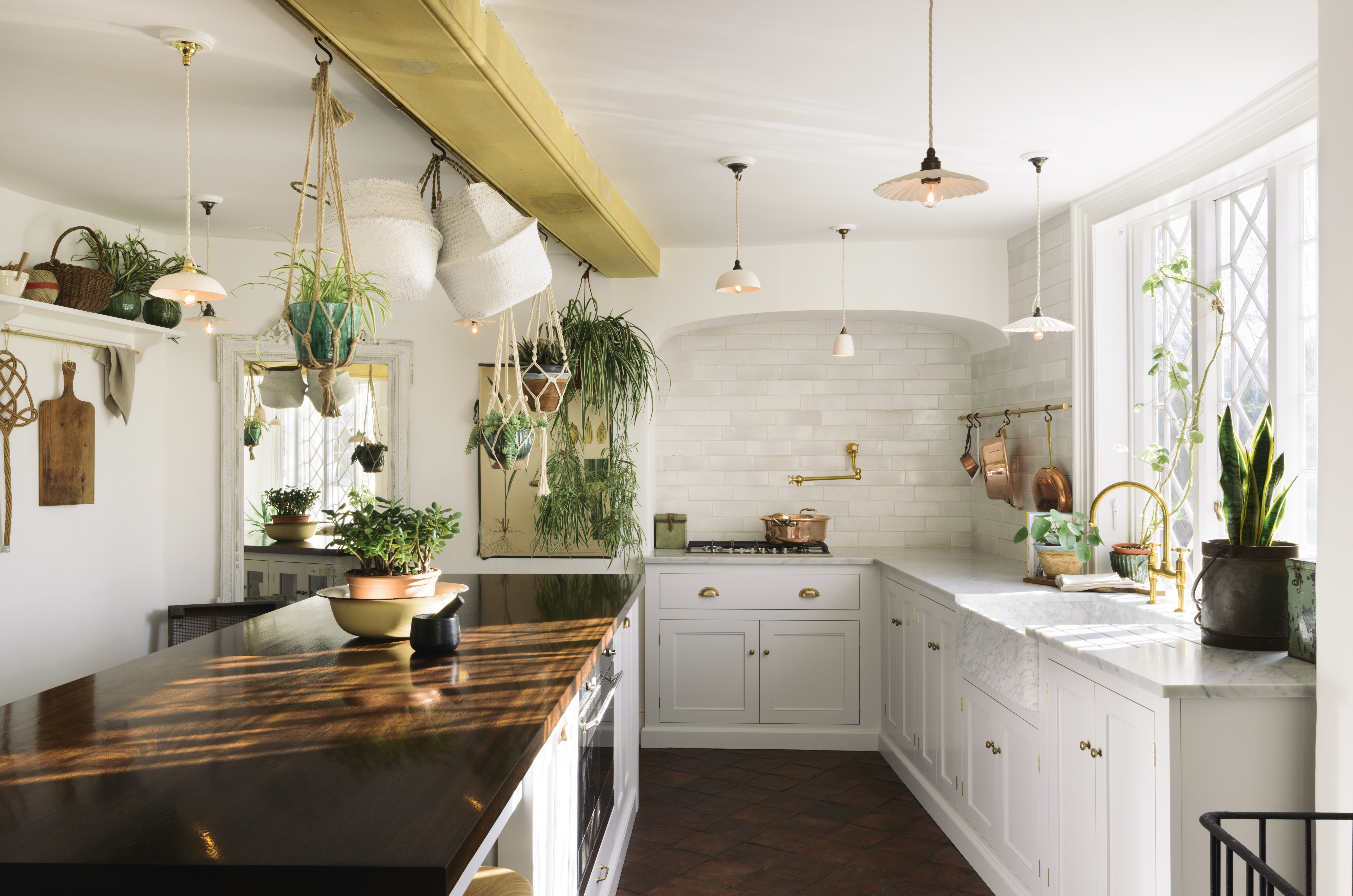
Image Source: cdn.mos.cms.futurecdn.net
Deciphering the Total New Kitchen Budget
Planning a new kitchen involves many moving parts. It is not just about the cabinets. The final bill covers everything from design fees to plumbing and electrical work. To set a realistic new kitchen budget, you must break down the total cost into key areas.
Core Cost Components of a Kitchen Renovation
Most kitchen renovation costs are split across four main areas:
- Cabinets and Doors (The Shell): This is often the largest single expense.
- Worktops and Appliances: These significantly impact the overall feel and price.
- Installation Labour: Paying the fitters, plumbers, and electricians.
- Finishing Touches: Flooring, tiling, lighting, and decoration.
When budgeting for a complete kitchen replacement cost, it is wise to keep a contingency fund. Unexpected issues, like hidden plumbing problems or outdated wiring, often pop up once the old kitchen is removed. Aim for a 10% to 15% buffer for these surprises.
Comparing Fitted Kitchen Prices UK by Project Size
The size of your kitchen is the biggest driver of cost. A small galley kitchen needs much less material than a large open-plan family kitchen. Here is a guide to help you estimate costs based on typical project scales in the UK.
| Kitchen Size | Typical Scope of Work | Estimated Budget Range (Excluding Major Building Work) |
|---|---|---|
| Small (Galley or Single Wall) | Basic units, laminate worktops, standard appliances. | £5,000 – £9,000 |
| Medium (Standard U or L Shape) | Mid-range cabinets, granite/quartz worktops, integrated appliances. | £10,000 – £18,000 |
| Large/Open Plan | Custom layouts, solid wood or premium stone tops, high-end integrated appliances, extra features (island). | £20,000 – £35,000+ |
These figures provide a starting point for your new kitchen budget. Remember, these are averages. Your final spend could be lower or much higher.
Factors Affecting Kitchen Cost Significantly
Many elements will push the kitchen renovation costs up or down. Knowing these can help you make smart choices when planning.
Cabinetry Quality and Style
The quality of your cabinets has a major impact on fitted kitchen prices UK.
- Economy Cabinets: These often come in standard sizes. They use cheaper materials like foil-wrapped MDF. They are the cheapest option.
- Mid-Range Cabinets: These feature better construction, often solid wood frames or higher-density particleboard. They offer more choices in colours and styles.
- Bespoke/High-End Cabinets: These are custom-made for your exact space. They use premium materials like solid oak or walnut. This pushes you toward the high-end kitchen installation cost bracket.
Worktops Matter Greatly
The surface you choose for preparing food drastically changes the price.
- Laminate: The most affordable option. Easy to install and maintain.
- Solid Wood (Butcher Block): Mid-range pricing. Needs regular oiling.
- Engineered Stone (Quartz): Very popular. Durable and mid-to-high cost.
- Natural Stone (Granite, Marble): High cost. Each slab is unique. This is a key component in luxury kitchen installation cost.
Appliances: The Hidden Budget Buster
Integrated appliances (hidden behind cabinet doors) generally cost more than freestanding ones. Choosing brand names versus own-brand appliances also makes a big difference to the final bill. If you opt for premium features like induction hobs, steam ovens, or built-in coffee machines, expect the cost to fit a new kitchen to rise sharply.
Layout Changes and Building Works
Simple room refreshes cost less. These projects usually focus on replacing like-for-like. If you move sinks, gas hobs, or major extractor points, the labour costs increase significantly. Major structural changes, like knocking down walls to create an open-plan space, add substantial costs for planning permission, structural engineers, and builders.
Budgeting for Different Renovation Tiers
To help refine your new kitchen budget, let’s look at three typical renovation tiers: budget, mid-range, and luxury.
The Budget Kitchen Renovation Ideas
If you need a facelift but have tight funds, focus on making the biggest visual impact for the least money. This involves budget kitchen renovation ideas.
- Keep the Layout: Do not move plumbing or gas lines. This saves labour costs.
- Reface, Don’t Replace: If the cabinet boxes are still structurally sound, just replace the doors, handles, and kickboards. This saves thousands compared to a complete kitchen replacement cost.
- Laminate Worktops: Choose modern, realistic-looking laminate finishes.
- DIY Where Possible: Painting walls and handling basic decoration yourself reduces labour bills.
- Standard Appliances: Choose good quality, reliable standard appliances rather than top-of-the-line integrated models.
A very tight budget kitchen renovation ideas project might land you in the £4,000 to £7,000 range, mainly covering supply of budget materials and basic fitting.
Mid-Range Kitchen Investment
This tier is where most homeowners spend their money. It offers a good balance between quality, longevity, and price. This aims for the average kitchen remodel price.
- New Cabinets: Fully new fitted units from a reputable supplier.
- Better Worktops: Quartz or good quality solid wood.
- Integrated Appliances: Mid-range, energy-efficient, integrated models are common here.
- Professional Installation: You hire experienced fitters for a clean, seamless job.
For a medium-sized kitchen, expect the cost to fit a new kitchen in this category to be between £12,000 and £18,000, depending on your choice of tiling and flooring.
The Luxury Kitchen Installation Cost
This is for homeowners seeking premium materials, bespoke design, and the latest technology. This category defines the high-end kitchen installation cost.
- Bespoke Cabinetry: Custom-made units designed perfectly for the space, often featuring high-end materials like lacquer or exotic veneers.
- Premium Surfaces: Thick-cut natural stone, sintered stone, or high-end solid surfaces.
- Top-Tier Appliances: Sub-Zero, Gaggenau, or Wolf appliances. Often including wine coolers, warming drawers, and smart technology integration.
- Complex Installation: May include significant structural changes, complex lighting schemes, and specialist fitting.
A luxury kitchen installation cost project frequently starts at £25,000 and can easily exceed £50,000, especially in larger homes or when installing specialist features like multi-zone boiling water taps or full in-frame cabinetry.
Labour Costs: The Cost to Fit a New Kitchen
Labour is a significant part of the overall expense. How much you pay for installation depends on your location and the complexity of the job.
Breaking Down Installation Fees
The labour component usually covers several tradespeople.
- Kitchen Fitter: This person manages the installation of the cabinets, worktops, and sink/taps.
- Electrician: Required for new sockets, dedicated appliance circuits, and installing lighting. Building regulations require that much of this work is certified.
- Plumber: Needed for connecting the sink, dishwasher, and potentially moving gas lines (if applicable).
- Tiler/Decorator: For splashbacks, floors, and final painting.
In the UK, a full kitchen installation team might charge between £2,000 and £5,000 for labour alone on a standard mid-range project, assuming the layout stays the same. If major changes are involved, this figure can double quickly.
Getting Quotes for Labour
Always get at least three detailed quotes. A good quote will break down the labour into stages: demolition, plumbing rough-in, electrics rough-in, cabinet fitting, and final connections. This transparency helps you manage your new kitchen budget effectively and spot any hidden costs before signing up.
Appliances and Fittings: Major Spending Areas
Appliances and fittings often account for 20% to 30% of your kitchen renovation costs. Choosing wisely here can save substantial amounts.
Appliance Selection Tiers
| Tier | Oven Type Example | Refrigerator Example | Cost Impact |
|---|---|---|---|
| Entry Level | Standard Built-In Electric | Freestanding Fridge Freezer | Low |
| Mid-Range | Multifunction Pyrolytic Oven | Integrated Tall Fridge Freezer | Medium |
| Premium | Steam Oven, Warming Drawer | Wine Cooler, Sub-Zero Fridge | High |
When you are looking at fitted kitchen prices UK, check what is included. Some suppliers bundle basic appliances, which can offer good value. However, if you are buying items separately, always compare prices online against the price quoted by your kitchen supplier.
Sinks, Taps, and Lighting
These details finish the look but can inflate the bill.
- Sinks: Stainless steel undermount sinks are standard. Ceramic or granite composite sinks look premium but cost more.
- Taps: Standard mixer taps are cheap. Boiling water taps or professional-style pull-out spray taps are significantly more expensive.
- Lighting: Simple ceiling lights are budget-friendly. Adding plinth lighting (under the cabinets) and in-cabinet LED strips adds atmosphere but increases electrical work and material costs.
The Impact of Choosing a Supplier Type
Where you buy your kitchen from directly affects your new kitchen budget.
Design Showroom vs. Online Retailer vs. Independent Installer
- National Showroom Chains:
- Pros: Wide range of styles, established warranties, often offer finance deals.
- Cons: Prices are often higher to cover overheads. Sales pressure can lead to overspending.
- Independent Kitchen Designers/Installers:
- Pros: Often provide more personal service and can source different brands. They might be more flexible with bespoke elements.
- Cons: Reputation varies greatly; check testimonials carefully.
- Online/DIY Retailers:
- Pros: Lowest cabinet prices available. Great for budget kitchen renovation ideas.
- Cons: You are responsible for assembly and finding separate fitters, increasing coordination effort.
When budgeting for the complete kitchen replacement cost, remember to factor in design fees if you use a dedicated designer who isn’t tied to selling you their specific cabinets.
Smart Ways to Reduce Your New Kitchen Budget
If your initial estimates are too high, strategic compromises can save significant money without sacrificing too much quality.
Prioritise Spending
Decide what is most important for your daily life.
- Spend More On: Worktops (as they get the most use) and durable appliances (which last 10+ years).
- Save Money On: Wall tiles (use simple, cheaper tiles or paint instead of expensive bespoke ceramic), cabinet handles (easy and cheap to upgrade later), and lighting fixtures (use simple recessed spots initially).
The Magic of Layout Consistency
The single greatest cost-saving measure is keeping the existing layout. Moving a sink requires new plumbing connections and potentially new waste lines underground or through walls. Keeping the sink, cooker, and main drainage in the same area dramatically reduces plumbing and labour time, directly lowering the cost to fit a new kitchen.
Choosing Your Worktop Material Carefully
If a luxury kitchen installation cost is out of reach, consider Quartz. It mimics the look of high-end stone but is often cheaper and easier to maintain than marble or granite. Avoid complex curves or multiple hob cut-outs, as these require more skilled labour and increase material waste, pushing up the price.
Calculating the Full Complete Kitchen Replacement Cost
To finalise your plan, use this table to see how different choices map onto your potential spend. This helps you adjust your expectations based on the factors affecting kitchen cost.
| Item/Service | Budget Option | Mid-Range Option | High-End Option |
|---|---|---|---|
| Cabinets (Supply Only) | Flat-pack, foil-wrapped | High-quality modular units | Fully bespoke, solid wood frames |
| Worktops (Supply Only) | Laminate (£30/m) | Quartz/Solid Wood (£100/m) | Granite/Sintered Stone (£250+/m) |
| Appliances (Supply Only) | Own-brand freestanding | Mid-range integrated (e.g., Beko/Hotpoint) | Premium integrated (e.g., Miele/Neff) |
| Labour/Fitting | Basic fit, DIY decorating | Full professional fit, standard tiling | Specialist fitting, complex electrics |
| Estimated Total Cost | £5,000 – £9,000 | £12,000 – £18,000 | £25,000 – £45,000+ |
Note: These estimates assume an average 10-12 square metre kitchen area.
Frequently Asked Questions About Kitchen Costs
Q: Can I renovate a kitchen for under £5,000?
A: Yes, it is possible, but it requires strict adherence to budget kitchen renovation ideas. This usually means only replacing doors/handles, reusing existing appliances, and doing most of the painting and tiling yourself. Major fitting work will likely be outside this range.
Q: How much do I need to save for installation labour?
A: For a standard kitchen replacement where plumbing and electrics are not heavily moved, budget around 20% to 30% of your total material cost for professional fitting labour.
Q: Does a new kitchen add value to my home?
A: Generally, yes. A modern, well-finished kitchen is one of the most desirable features for potential buyers. A mid-range renovation often sees a good return on investment, sometimes recovering 75% or more of the cost when selling. A very high-end kitchen installation cost, however, might not yield a full return unless you live in an expensive area.
Q: What are the most common hidden costs in kitchen remodels?
A: The most common hidden costs are not structural but relate to finishing. These include waste disposal fees, unexpected electrical certification costs, high labour rates for tricky worktop templating or installation, and upgrading ventilation systems to meet current standards. Always ask if waste removal is included in the quote for the cost to fit a new kitchen.
Q: How long does it take to fit a new kitchen?
A: For an average-sized kitchen replacement without structural changes, the fitting process (cabinets, worktops, appliance installation) typically takes 5 to 10 working days. Allow an extra week for tiling, decorating, and final snagging, making the total project time around 2 to 3 weeks.