
Can you take off a kitchen faucet yourself? Yes, you certainly can! This guide will show you exactly how to remove kitchen faucet parts step-by-step. Taking off an old sink faucet is a common DIY task. Many homeowners choose to do this when they are replacing a kitchen faucet or fixing a leak. We will cover everything you need to know, from finding the right tools to the final steps of getting old kitchen faucet off.
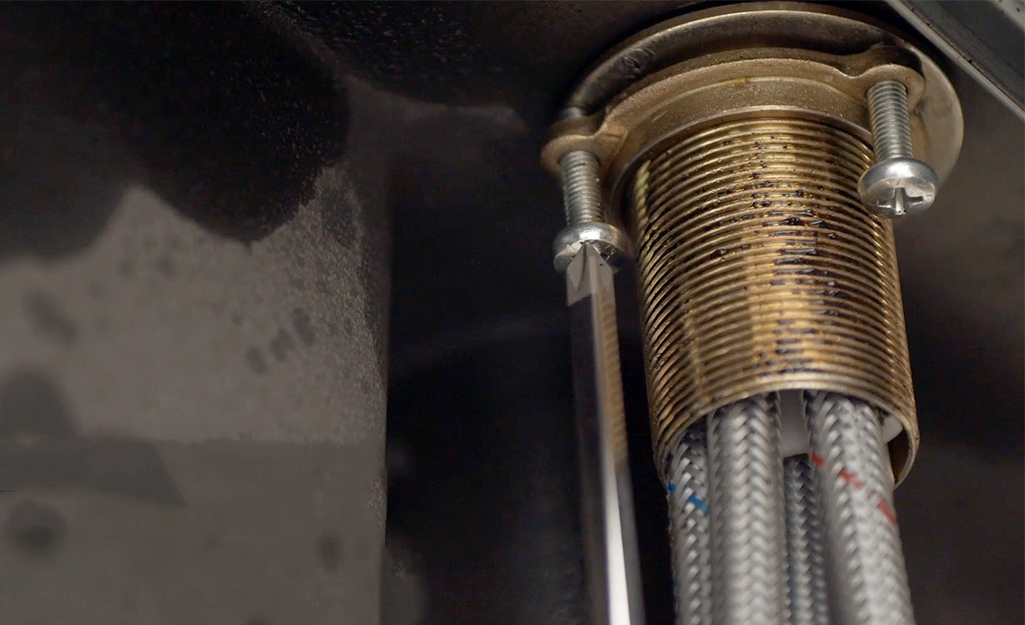
Image Source: contentgrid.homedepot-static.com
Preparing for Faucet Removal
Before you start pulling things apart, good preparation saves time and headaches. Working under the sink means dealing with tight spaces and standing water sometimes. Taking the proper precautions ensures safety and a smoother job.
Essential Tools for Taking Off a Sink Faucet
Having the correct equipment makes the faucet removal process much faster. You will need a few basic tools. Check your local hardware store if you do not have these items.
| Tool Name | Purpose | Notes |
|---|---|---|
| Adjustable Wrench | To loosen supply line nuts and large fittings. | A basin wrench is often better for tight spots. |
| Basin Wrench | Specifically designed for reaching nuts under sinks. | Highly recommended for the main mounting nuts. |
| Screwdrivers (Flathead and Phillips) | For removing handle screws or securing plates. | |
| Utility Knife or Putty Knife | To cut old caulk or sealant around the faucet base. | Use gently to avoid scratching the sink surface. |
| Safety Glasses | To protect your eyes from falling debris or drips. | Always wear these when working overhead. |
| Bucket and Rags/Towels | To catch water when disconnect water lines under sink. | You will need a few old towels. |
| Penetrating Oil (Optional) | To loosen rusted or stuck mounting nuts. | Spray 15 minutes before you try to loosen them. |
Shutting Off the Water Supply
This is the most crucial safety step. You must turn off the water before you disconnect water lines under sink. Look under the sink cabinet for two valves. These control the hot and cold water going to the faucet.
Locating the Plumbing Shut-off Valve for Faucet
- Find the Valves: Look behind the sink cabinet. You should see a supply line going from the wall or floor up to the faucet. Each line will have a small valve, usually with a round or oval handle.
- Turn Off the Water: Turn both valves clockwise until they stop. This stops water flow to the faucet entirely.
- Test the Shut-off: Turn the faucet handles on fully (both hot and cold sides). Only a little water should drip out. If a lot of water still flows, the shut-off valve for the faucet is not working correctly, or you need to turn off the main house water supply.
- Main Shut-off (If Needed): If you cannot find or use the local shut-off valves, you must find the main water shut-off for your home. This is usually near the water meter or where the main line enters the house. Turn this off completely before continuing.
Step-by-Step Guide to Faucet Removal
Now that the water is off and you have your tools ready, we can begin the faucet removal process. Take your time here; rushing can cause damage to the sink or plumbing.
Disconnecting the Water Supply Lines
The supply lines connect the shut-off valves to the bottom of the faucet body. They are usually braided metal hoses or copper tubing.
How to Disconnect Water Lines Under Sink
- Position Your Bucket: Place a small bucket or pan directly beneath the connections. Even with the water off, some water remains in the lines.
- Loosen Supply Nuts: Use your adjustable wrench. Fit the wrench snugly onto the nut connecting the supply line to the faucet shank (the pipe coming down from the faucet).
- Turn Counter-Clockwise: Turn the wrench gently counter-clockwise to loosen the nut. Hold the faucet shank steady with your other hand if it starts to spin.
- Remove Hoses: Once loose, you can usually finish unscrewing the nuts by hand. Let any remaining water drain into your bucket. Repeat this for both the hot and cold lines.
If you are getting old kitchen faucet off, these connections might be heavily corroded. Applying penetrating oil and letting it sit for ten minutes can help loosen these stubborn connections before using the wrench.
Dealing with Sprayers and Other Attachments
Many modern faucets have a side sprayer or a pull-down spray head. These require extra steps before the main faucet can be taken out.
Detaching the Sprayer Hose (If Applicable)
If you have a separate side sprayer, a hose runs from it down under the sink.
- Locate the Connection: Find where the sprayer hose connects to the main faucet body assembly underneath. It is often a plastic quick-connect fitting or a threaded brass nut.
- Disconnect: If it is a quick-connect, press the release tabs and pull the hose away. If it is threaded, use a wrench to unscrew the nut connecting the hose.
If you are working on a pull-down faucet, the hose runs through the spout. You will likely need to disconnect a weight attached to the hose first, then detach the main hose connection from the faucet base.
Removing the Faucet Mounting Hardware
This is often the hardest part. The faucet is held onto the sink deck (the top surface) by large nuts underneath. These nuts secure the entire assembly tightly.
Tools for Taking Off a Sink Faucet: Focusing on Basin Wrenches
For single-hole faucets or widespread models, the mounting nuts are often located in a very cramped space behind the sink basin. This is where the basin wrench shines.
- Locate Mounting Nuts: Shine a flashlight up underneath the faucet base. You will see large nuts or a mounting bracket held by bolts.
- Use the Basin Wrench: Fit the jaw of the basin wrench onto the largest nut or bolt head. The long handle allows you to reach up and grip securely.
- Loosen Faucet Mounting Nuts: Turn the basin wrench counter-clockwise. This takes effort, especially if the nuts are plastic and cross-threaded, or if they are metal and rusted tight. If you struggle to loosen faucet mounting nuts, try spraying them with penetrating oil first.
- Remove All Hardware: Continue loosening until the nuts are completely off. Keep track of any washers or metal plates you remove; you will need them if you are replacing a kitchen faucet with a similar setup.
Note on Single-Handle Faucets: Many newer single-handle faucets use a large mounting plate held by one or two long mounting bolts. You must completely unscrew these bolts to free the faucet.
Removing the Old Faucet Body
Once all supply lines and mounting hardware are off, the faucet assembly should lift straight up.
- Check for Caulk/Putty: Old faucets often use plumber’s putty or silicone caulk around the base where it meets the sink. This seals out water.
- Breaking the Seal: Use a putty knife or utility knife to gently slice through the caulk all the way around the base of the faucet. Work slowly to avoid scratching the sink surface.
- Lift Out the Faucet: Grip the faucet body from above and pull straight up. If it sticks, wiggle it gently side to side while pulling. Sometimes, mineral deposits glue the faucet base to the sink over many years. Patience is key here.
- Clean the Sink Surface: Once the old faucet is free, use a plastic scraper and some rubbing alcohol or mineral spirits to completely clean off all old putty, silicone, or mineral deposits from the sink surface. A clean surface is essential for installing a new faucet correctly.
Special Considerations for Different Faucet Types
The faucet removal process changes slightly based on what kind of faucet you have.
How to Detach a Bathroom Faucet (Similarities and Differences)
While this guide focuses on the kitchen, the basic principles apply to sinks everywhere. How to detach a bathroom faucet follows the same core steps: shut off water, disconnect water lines under sink, and loosen faucet mounting nuts.
However, bathroom sinks often have less space underneath, making the basin wrench even more critical. Furthermore, older bathroom faucets might require you to unscrew faucet handles completely before you can even access the main mounting hardware.
Steps to Unscrew Faucet Handles
If you need to unscrew faucet handles to access set screws or mounting components:
- Find the Screw: Look for a decorative cap on top of the handle (often marked H or C). Pry this off gently with a small flathead screwdriver or utility knife.
- Access the Set Screw: Under the cap, you will find a small hex screw or Phillips head screw. This is the set screw holding the handle onto the stem.
- Remove the Handle: Use the correct screwdriver or Allen wrench to loosen this screw completely. Lift the handle straight off.
Dealing with Widespread vs. Single-Hole Faucets
- Single-Hole Faucets: These are easiest. Everything—spout, handles (if separate)—comes up as one unit. The mounting is usually a single large nut underneath.
- Widespread Faucets (Three Holes): These have separate hot handle, cold handle, and spout. You must disconnect the supply lines and mounting nuts for each component individually underneath the sink. This means more connections to trace and disconnect.
Troubleshooting Common Removal Problems
Even with the best preparation, older plumbing systems present challenges. Here is how to handle typical roadblocks when getting old kitchen faucet off.
Stuck or Corroded Mounting Nuts
Metal nuts can seize onto the brass shank of the faucet due to corrosion or mineral buildup over decades.
- Penetrating Oil is Your Friend: Soak the nut and threads thoroughly with a product like WD-40 or Kroil. Give it at least 15 minutes, or even an hour, to work its way into the threads.
- Heat (Use Extreme Caution): If oil fails, sometimes a little heat can break the bond. Use a hairdryer on the highest setting aimed only at the nut (do not use a torch near plastic lines or wood cabinets). Heat expands the metal slightly, which can help release the grip. Be extremely careful not to scorch cabinet materials or melt nearby plastic parts.
- Impact Wrench (Last Resort): For truly impossible nuts, a small, low-power impact wrench used carefully can sometimes shock the threads loose.
Water Leaks During Disconnection
If water starts flowing freely when you disconnect water lines under sink, it means the plumbing shut-off valve for faucet did not work fully.
- Immediately Turn Off Main Water: If this happens, stop disconnecting and go turn off the main house water supply right away.
- Drain Down: Once the main supply is off, return to the sink and open the faucet handles again to release pressure and drain residual water from the lines before proceeding with removal.
Stripped Screw Heads
If the set screw holding the handle is stripped (the screwdriver keeps slipping out), you have a few options before you can proceed with unscrew faucet handles:
- Rubber Band Trick: Place a wide, thick rubber band over the screw head, then press the screwdriver tip firmly onto the band and the screw. The rubber fills the stripped gaps and might give you enough grip to turn it.
- Screw Extractor Kit: These specialized bits are designed to bite into stripped metal. They are cheap and very effective for this specific issue.
Final Checks After Faucet Removal
Once the old faucet is completely out of the sink deck, take a moment to inspect the area.
- Inspect the Sink Holes: Check the holes where the faucet was mounted. Ensure the surface is clean and free of debris.
- Check for Damage: Look for any scratches or cracks in the sink material caused during removal. Address small scratches now before installing the new unit.
- Examine Existing Supply Lines: If your existing supply lines (the ones running from the wall/floor to the faucet) look old, brittle, or corroded, it is a perfect time to replace them while everything is accessible. This preventative maintenance ensures your new faucet setup is leak-free for years.
If your goal was just maintenance or cleaning, congratulations! You have successfully taken apart the plumbing and can now clean and reassemble. If your goal was replacing a kitchen faucet, you are now perfectly set up for the installation phase of your project.
Frequently Asked Questions (FAQ) About Faucet Removal
Q: How long does it usually take to remove a kitchen faucet?
A: For an experienced DIYer, it might take 30 minutes. For a beginner, especially with old or stuck fittings, expect it to take between one and three hours, mainly due to cleanup and dealing with stubborn mounting nuts.
Q: Do I need to turn off the water to the whole house?
A: Ideally, no. You should only need to use the local plumbing shut-off valve for faucet located under the sink. Only turn off the main house water if the local valves fail to stop the flow or if you are unsure where they are located.
Q: My faucet has no visible nuts underneath; how is it attached?
A: Many modern faucets use a large mounting bracket system secured by one or two long mounting bolts that you must loosen faucet mounting nuts or bolts on. Sometimes, they use a specialized quick-connect locknut system that requires a specific wrench tool, but the basin wrench can often handle these as well.
Q: Can I take off the handles before disconnecting the water lines?
A: Sometimes yes, sometimes no. If you need to unscrew faucet handles to access the mounting hardware underneath the deck, you should do that first. If the handles are just decorative covers, they might come off easily. Always check for set screws beneath the handle cap first.
Q: What if I cannot loosen the old faucet mounting nuts?
A: Try penetrating oil first. If that fails, you might need a dedicated, heavy-duty basin wrench or consider hiring a professional plumber for this single step to avoid damaging your sink trying to force it. Sometimes, cutting the shank (the pipe connecting the faucet to the nuts) with a small rotary tool can be an option if you are certain you are replacing a kitchen faucet.