
You need a core set of essential kitchen equipment to cook comfortably and efficiently at home. This list focuses on the basic cooking utensils and essential cookware that every cook, especially beginners, should own to handle most daily meal preparation.
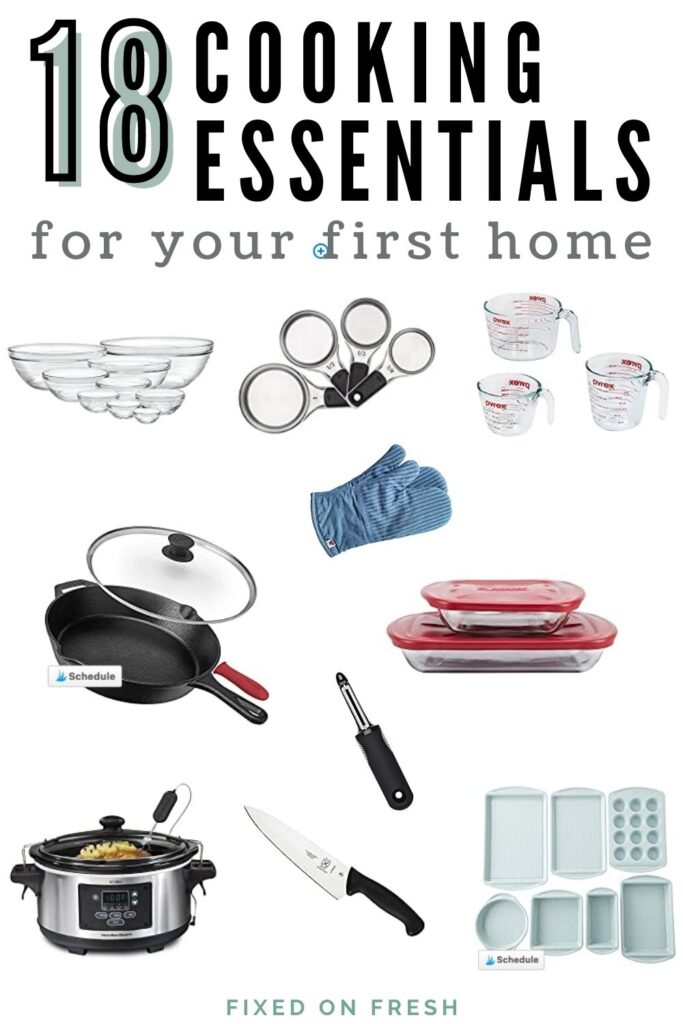
Image Source: fixedonfresh.com
Building Your Kitchen Setup Checklist
Setting up a kitchen can feel huge. Start small. Focus on quality over quantity for your necessary kitchen supplies. This guide breaks down the must-haves into core categories. Having the right gear makes cooking fun, not a chore. These are the foundational kitchen items you will use almost every day. We will explore the best starter kitchen tools to get you cooking right away.
Core Cookware: The Heat Holders
Cookware is where you apply heat. You don’t need twenty pots and pans. A few high-quality pieces do most jobs well. These are vital for your kitchen setup checklist.
Frying and Sautéing Pans
You need pans that heat evenly. Nonstick is great for eggs. Stainless steel handles high heat well.
- 10-inch Skillet (Nonstick): Perfect for breakfast, searing small cuts of meat, or simple sautés. It’s one of the most used basic cooking utensils.
- 12-inch Skillet (Stainless Steel or Cast Iron): This is your workhorse. It handles searing steaks, making pan sauces, and cooking larger batches. Cast iron holds heat like nothing else.
Saucepans
These pots are deep with high sides. They keep liquids from splashing out.
- 1.5-Quart Saucepan: Good for warming soup, boiling a few eggs, or making small amounts of rice.
- 3-Quart Saucepan: The go-to for pasta, larger batches of grains, or simmering sauces.
Stock Pot
This big pot is for volume.
- 6-to-8-Quart Stock Pot: Needed for making large batches of soup, chili, or boiling a full batch of pasta for a crowd.
Essential Cookware Summary Table
| Item | Size/Type | Main Use | Why It’s Essential |
|---|---|---|---|
| Skillet | 10-inch Nonstick | Eggs, simple frying | Easy cleanup for delicate foods. |
| Skillet | 12-inch Stainless/Cast Iron | Searing, large sautéing | Versatile, handles high heat. |
| Saucepan | 1.5-Quart | Warming, small sauces | Good for single servings or small sides. |
| Saucepan | 3-Quart | Boiling pasta, main sauces | Standard size for everyday meals. |
| Stock Pot | 6–8 Quarts | Soups, boiling large items | Necessary for batch cooking. |
Cutting Tools: Your Sharpest Friends
Good knives make cooking safer and faster. Dull knives slip and cause accidents. Investing in quality here is key for your foundational kitchen items.
Knives
You do not need a 20-piece knife block. Three good knives cover 95% of cutting tasks. These are truly fundamental cooking tools.
- Chef’s Knife (8-inch): This is the MVP. Use it for chopping vegetables, slicing meat, and general prep work. Spend the most money here.
- Paring Knife (3-4 inch): Small jobs need small knives. Use it for peeling apples, trimming small items, or detailed work.
- Serrated Knife (Bread Knife, 9-10 inch): Essential for slicing bread without squashing it. Also works well on tomatoes or tough-skinned items.
Knife Care
- Honing Steel: Use this often (before every use) to realign the blade edge. It keeps your knives working well between professional sharpenings.
- Cutting Boards: You need at least two. Use one for raw meat (color-coded if possible) and one for produce and bread. Wood or sturdy plastic works well.
Mixing, Measuring, and Prep Tools
These smaller tools help you execute recipes correctly. Accuracy matters in the kitchen. These fall under beginner kitchen tools.
Measuring Implements
Baking requires precision. Even savory cooking benefits from correct measurements.
- Dry Measuring Cups (Set): Cups for flour, sugar, etc.
- Liquid Measuring Cups (Glass or Plastic): Must have a spout and clear markings. The 2-cup size is a good start.
- Measuring Spoons (Set): Essential for spices, extracts, and small liquid amounts.
Mixing and Serving Bowls
Get bowls that nest for easy storage.
- Mixing Bowls (Set of 3): Get one small (1.5 quart), one medium (3 quart), and one large (5 quart). Stainless steel or glass are great choices.
Essential Gadgets for Prep
These must-have kitchen gadgets save time and effort.
- Colander or Strainer: Needed for draining pasta, rinsing vegetables, or washing beans. A large, sturdy one is best.
- Can Opener: A reliable manual can opener is a core component of your basic cooking utensils. Do not rely on electric ones; they break often.
- Vegetable Peeler: A Y-shaped peeler is usually faster and safer than a swivel peeler for most people.
- Grater/Zester: A box grater provides large shredding (cheese), medium shredding, and a fine side for zesting citrus.
Stirring, Flipping, and Serving Implements
You need the right tools in your hand to manipulate food while cooking. These are key essential kitchen equipment items.
Utensils
Avoid cheap plastic that melts on hot pans. Look for heat-safe silicone or sturdy nylon for nonstick pans. Wood is excellent for stirring soups.
- Silicone Spatulas (2): One large, one small. They scrape bowls clean and mix ingredients without scratching surfaces.
- Wooden Spoons (2): Non-reactive, great for stirring sauces on the stove. They do not conduct heat.
- Tongs (12-inch): Incredibly versatile. Use them to flip meat, toss salads, or move hot items. Locking tongs are often easier to store.
- Slotted Spoon: Good for lifting solids out of liquids, like cooked vegetables from water.
- Ladle: Necessary for serving soups and stews neatly.
Baking and Roasting Gear
Even if you do not bake often, you need gear for roasting vegetables or heating frozen items. These are part of a good kitchen setup checklist.
Baking Sheets and Pans
- Half Sheet Pan (Baking Sheet): The most versatile item here. Use it for roasting vegetables, baking cookies, or heating pizza. Get two if you use your oven often. Use parchment paper for easy cleanup.
- 9×13 Inch Baking Dish (Glass or Ceramic): Perfect for casseroles, brownies, or roasting a small chicken.
- Loaf Pan: For quick breads or meatloaf.
Specialized Tools Worth Considering
Once you have the absolute foundational kitchen items, these add capability without breaking the bank.
Small Appliances
Small appliances take up counter space. Only buy what you will use frequently.
- Blender (Standard or Immersion): A standard blender handles smoothies and purees. An Immersion Blender (stick blender) is space-saving and excellent for blending soups right in the pot. This is one of the best starter kitchen tools if you make a lot of soup.
- Toaster Oven or Standard Toaster: A toaster oven often replaces a microwave for reheating small items, saving energy.
- Coffee Maker: Choose based on your habit—drip machine, French press, or pour-over cone.
Gadgets That Simplify Tasks
These items are time savers and make cooking more enjoyable.
- Whisk (Balloon Whisk): Essential for incorporating air into eggs or smoothing out lumps in sauces. A medium size (10-12 inches) works best.
- Instant-Read Thermometer: Stop guessing if meat is done. This device ensures food safety and perfect doneness. It is one of the most important must-have kitchen gadgets.
- Garlic Press or Microplane Zester: A Microplane does much more than just zest lemons; it grates hard cheese (like Parmesan) finely and turns garlic into a fine paste instantly. This dramatically changes texture in recipes.
- Kitchen Shears (Heavy Duty): Use these for spatchcocking poultry, trimming herbs directly into a pot, or cutting parchment paper. They are more precise than knives for certain tasks.
Deciphering Materials: What Should I Buy?
The material of your tools affects performance, longevity, and cost. Here is a brief look at common materials among your necessary kitchen supplies.
Cookware Materials
- Stainless Steel: Durable, excellent for browning, and non-reactive. Can stick if not used with enough fat.
- Cast Iron: Heavy, retains heat incredibly well, and lasts forever if cared for. Needs seasoning. Great for searing.
- Nonstick (PTFE/Ceramic): Easiest for delicate foods (eggs). Must be replaced when the coating scratches. Avoid very high heat.
Utensil Materials
- Silicone: Heat resistant, flexible, and safe for all surfaces.
- Wood: Inexpensive, does not scratch, and does not transfer heat. Can absorb odors or stain.
- Stainless Steel: Durable, but can scratch nonstick pans and conduct heat up the handle.
Organizing Your New Tools: A Practical Approach
Once you have your foundational kitchen items, organization matters. Clutter slows you down.
Drawer Organization
Use dividers in your drawers. Keep knives safely sheathed or in a block. Keep whisks, peelers, and thermometers together. Separate mixing spoons from serving spoons if possible. This makes finding your basic cooking utensils fast.
Counter Space Management
Limit what lives on the counter. Only keep items you use daily or multiple times a week there (e.g., knife block, salt/pepper, main cutting board). Store appliances elsewhere if possible.
The Spice Rack: Flavor Foundations
Spices are crucial. You cannot cook well without them. Start with the basics. These are fundamental cooking tools for flavor building.
- Salt (Kosher or Sea Salt)
- Black Peppercorns (and a grinder)
- Garlic Powder
- Onion Powder
- Dried Oregano
- Dried Basil
- Cumin
- Chili Powder
- Red Pepper Flakes
Buy whole spices when possible and grind them yourself for better flavor. Keep them away from heat sources like the stove, as heat degrades flavor quickly.
Assessing Needs: Beyond the Basics
What you need next depends entirely on what you cook most often.
If You Cook Mostly Meat and Roasts
If you plan on cooking larger proteins, upgrade your knife game and thermometer quality. Consider adding:
- Meat Thermometer (Leave-in style): For monitoring roasts in the oven over long periods.
- Roasting Pan with a Rack: Elevates the meat for even cooking and allows fat to drip away.
- Butcher’s Twine: For trussing poultry or tying roasts.
If You Love Soups and Stews
Volume is important here. Expand your pot selection.
- Dutch Oven (5-7 Quarts, Enameled Cast Iron): The ultimate piece for slow simmering, braising, and baking bread. It transitions beautifully from stovetop to oven. This is one of the essential kitchen equipment items many cooks splurge on early.
If You Bake Frequently
Baking requires precision tools. Skip the tiny plastic measuring cups.
- Digital Kitchen Scale: Measures ingredients by weight, offering the highest accuracy for flour and sugar.
- Rolling Pin (French style or traditional): Needed for pastry and cookie dough.
- Oven Thermometer: Ovens rarely maintain the temperature shown on the dial. An external thermometer checks the actual heat.
Comprehending Value: Quality vs. Cost
When looking at your kitchen setup checklist, decide where to save and where to spend.
Where to Spend More Money
- Chef’s Knife: A good knife feels balanced and holds an edge. This impacts safety and enjoyment every day.
- Cast Iron/Dutch Oven: High-quality cast iron lasts lifetimes. It is an investment.
- Instant-Read Thermometer: Accuracy here is non-negotiable for safe, tasty food.
Where to Save Money
- Gadgets: Specialty gadgets that only do one thing (like avocado slicers or specific corers) can often be replaced by a good knife or a multi-tool like a Microplane.
- Mixing Bowls: Basic stainless steel bowls perform just as well as expensive glass sets.
- Plastic Utensils: Basic silicone spatulas perform identically across most price points, as long as they are heat-rated.
These are the best starter kitchen tools because they offer the highest functional return for the dollar spent.
Maintenance: Making Your Tools Last
Having the tools is step one. Keeping them in good shape is step two. Proper care ensures your foundational kitchen items serve you for years.
Knife Care Rules
Never put good knives in the dishwasher. The harsh detergent and rattling damage the edge. Wash immediately after use with soap and water, and dry right away to prevent rust. Store them safely.
Cookware Longevity
- Nonstick: Use only wood or silicone utensils. Never use abrasive scrubbers. Replace them when they look heavily scratched.
- Stainless Steel: Can handle tough scrubbing, but avoid steel wool if you want a pristine finish.
- Cast Iron: Never use soap on seasoned cast iron (unless absolutely necessary), and always dry it immediately on the stovetop over low heat before applying a thin layer of oil for storage.
Taking care of your essential cookware means less money spent replacing items later.
Finalizing Your Beginner Kitchen Tools List
If you are starting completely from scratch, this compact list covers the fundamental cooking tools needed to prepare 90% of common recipes—from simple weeknight dinners to basic baking projects.
The Absolute Minimum Kitchen Setup Checklist (The Core 15)
- 8-inch Chef’s Knife
- Paring Knife
- Serrated Knife
- 10-inch Nonstick Skillet
- 12-inch Stainless/Cast Iron Skillet
- 3-Quart Saucepan with Lid
- Cutting Board (Plastic or Wood)
- Dry Measuring Cups and Spoons
- Liquid Measuring Cup
- Mixing Bowl Set (3 sizes)
- Silicone Spatula and Wooden Spoon
- Tongs
- Colander
- Can Opener
- Ladle
This list ensures you have the essential kitchen equipment ready to go. You can add specialized must-have kitchen gadgets as your cooking style evolves.
Frequently Asked Questions (FAQ)
Q: Do I really need a specialized bread knife if I buy pre-sliced bread?
A: Even if you buy pre-sliced bread, a serrated knife is very useful for slicing tomatoes, soft fruits, or cutting through the crust of rolls without crushing the soft interior. It is a worthwhile addition to your basic cooking utensils.
Q: What is the difference between Kosher salt and table salt?
A: Kosher salt has larger, flakier crystals than fine table salt. This makes it easier to pinch and control when seasoning food by hand. Table salt is finer and dissolves faster, making it less ideal for cooking where you might want to adjust seasoning slowly. Both are necessary kitchen supplies, but Kosher salt is preferred by most chefs for cooking control.
Q: Can I use my stainless steel skillet to cook eggs without them sticking?
A: Yes, but you must master heat control. Preheat the pan gently over medium-low heat before adding fat. Let the fat heat up until shimmering, then add the eggs. A nonstick pan is easier for beginners, but stainless steel is more durable and can achieve a better sear when cooking other items.
Q: How often should I sharpen my knives?
A: Sharpening (using a whetstone or professional service) should happen yearly or when the knife feels dull even after honing. Honing (using the steel rod) should happen frequently—ideally before every use—to keep the edge straight between full sharpenings. Proper knife care protects your investment in these fundamental cooking tools.
Q: Are electric can openers better than manual ones?
A: Manual can openers are often more reliable, cheaper, and take up less counter space. Electric models can be bulky and prone to mechanical failure. For a beginner kitchen tools setup, a high-quality manual opener is perfectly sufficient.