
A ghost kitchen is a professional kitchen facility set up solely to prepare meals for delivery only. These operations do not have a traditional storefront or dining area for customers to walk into.
The world of food service is changing fast. New ideas are popping up everywhere. One of the biggest changes is the rise of the ghost kitchen. These kitchens cook food, but you can only get it through apps or direct delivery. They are sometimes called a dark kitchen or a cloud kitchen. They are changing how restaurants work and how we get our dinner.
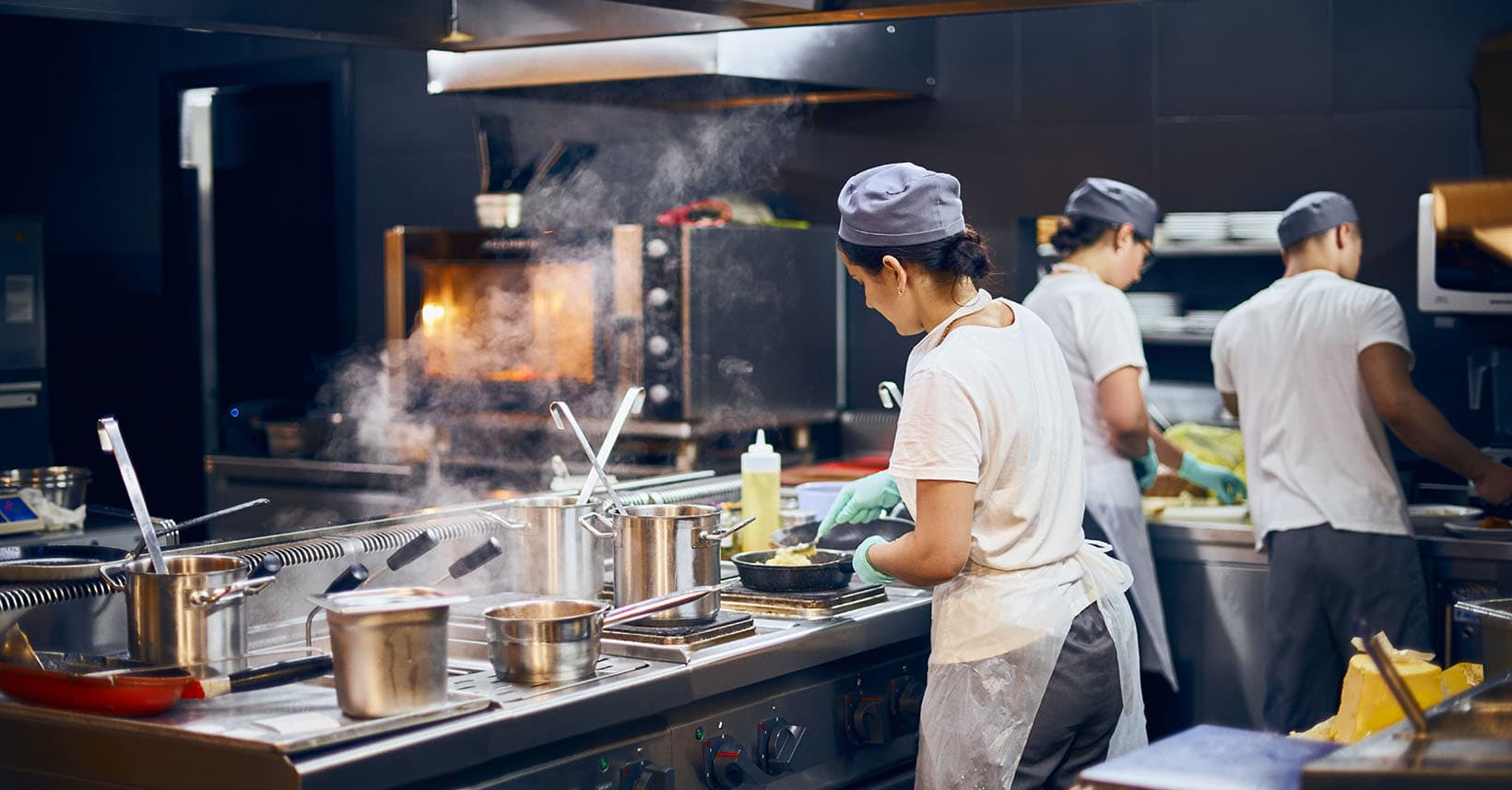
Image Source: info.ehl.edu
Deciphering the Ghost Kitchen Model
A ghost kitchen is a modern take on the restaurant. Think of it as a cooking factory built just for take-out. Since there is no need for fancy dining rooms, prime retail locations, or serving staff, these kitchens save a lot of money.
The core function is simple: food preparation for delivery. Customers place orders using online food ordering apps like DoorDash, Uber Eats, or their own websites. The kitchen staff cooks the food. Then, a delivery driver picks it up and takes it straight to the customer’s door.
Key Features of a Ghost Kitchen
- No Front of House: Zero seating, waiters, or décor costs.
- Delivery Focused: 100% reliant on third-party or in-house delivery services.
- Low Overhead: Reduced rent and labor costs compared to standard restaurants.
- Digital Presence: Success depends on strong online visibility.
Different Names for the Same Concept
The industry uses several terms interchangeably for these delivery-focused cooking spots. It is important to know these names because they all point to the same core business idea: cooking without dining.
| Term | Common Focus |
|---|---|
| Ghost Kitchen | General term for delivery-only setups. |
| Dark Kitchen | Often implies a less visible, industrial location. |
| Cloud Kitchen | Emphasizes the reliance on digital platforms. |
| Virtual Restaurant | Focuses on the brand having no physical presence. |
The Rise of the Virtual Restaurant
The virtual restaurant model is central to the ghost kitchen idea. A single dark kitchen facility might house multiple brands, all operating under different names. This is a powerful strategy.
Imagine one kitchen space preparing food for three distinct brands: “Speedy Sushi,” “Burger Bliss,” and “Vegan Victory.” To the customer on the app, these appear to be three separate restaurants. In reality, the same team might be doing the food preparation for all three, using shared equipment and ingredients.
This flexibility is a huge advantage. If “Speedy Sushi” suddenly becomes less popular, the operators can shift resources quickly to promote “Burger Bliss” without having to close down a physical shop. They are testing the market with low risk.
Types of Ghost Kitchen Operations
Not all ghost kitchens operate the same way. They fall into several main categories based on ownership and use of space.
Commissary Kitchen Setup
A commissary kitchen is a large, licensed, commercial kitchen space. It is often owned by a third party. This owner then rents out cooking stations or dedicated kitchen areas to different food businesses.
This model is ideal for small entrepreneurs or new restaurant concept testing. Renting space in a commissary kitchen lowers the initial investment needed to start selling food. It’s like renting a booth at a trade show, but for cooking.
Single-Brand Ghost Kitchen
Some established chains use the ghost kitchen model to expand their reach into new neighborhoods without building a full restaurant.
- Example: A successful downtown burger chain opens a cloud kitchen ten miles away. They don’t need a dining room there. They just need a place to cook burgers quickly for delivery drivers serving that new zone.
Multi-Brand (or Multi-Concept) Ghost Kitchen
This is where one operator runs several virtual restaurant brands out of one physical location. This maximizes efficiency.
- Benefit: If one brand gets a huge order during peak lunch, the kitchen staff can handle it while still managing orders for the smaller, slower brands. This balances the workflow.
Aggregator/Operator Owned Kitchens
Large companies often manage huge warehouses filled with dedicated cooking stations. These companies handle the infrastructure, utilities, and sometimes even the management software. They rent the space to various independent food businesses looking to enter the delivery only market quickly.
Why Are Ghost Kitchens So Popular Now?
Several major trends have fueled the rapid growth of the ghost kitchen model over the last decade.
1. The Delivery Boom
The biggest driver is consumer preference. More people order food in than ever before. Food delivery apps made it easy and fast. This created massive demand for kitchens that could fulfill large volumes of delivery orders efficiently.
2. Lower Barrier to Entry
Starting a traditional restaurant costs a fortune. You need high-end real estate, expensive interior design, and many servers. A dark kitchen cuts most of that immediately. This allows chefs and food innovators to launch a restaurant concept with much less capital.
3. Real Estate Efficiency
Prime retail locations are expensive. Ghost kitchens can operate from cheaper industrial areas or less flashy locations because customers never see the building. They only see the food when it arrives. This drastically cuts operating costs.
4. Data-Driven Operations
Ghost kitchens rely heavily on technology and data. They track which items sell best on which apps, at what times, and in which specific zip codes. This data helps them adjust menus, pricing, and even which virtual restaurant brand to promote next.
The Technology Powering the Model
The ghost kitchen cannot exist without powerful technology linking everything together.
Online Food Ordering Systems
These apps are the storefront. They handle order intake, payment processing, and customer tracking. A single kitchen might be listed across five different apps, each sending orders to a central management system.
Kitchen Display Systems (KDS)
Instead of paper tickets, KDS screens display incoming orders digitally. In a multi-brand setup, the KDS must clearly flag which virtual restaurant the order belongs to, even if the cooking process is the same. This ensures the correct packaging and branding are used.
Delivery Logistics Management
Managing a stream of drivers from different services (DoorDash, Uber Eats, etc.) requires smart dispatching. Some larger operations use specialized software to coordinate driver arrivals, ensuring hot food gets picked up immediately.
Advantages for Food Businesses
The cloud kitchen approach offers tangible benefits to those who adopt it.
- Flexibility in Menu Testing: Operators can quickly roll out limited-time offers or entirely new concepts without remodeling a dining room.
- Optimized Labor Use: Kitchen staff can focus purely on cooking and plating. No time is wasted taking orders or clearing tables. This makes food preparation faster and more consistent.
- Geographic Expansion: A single operator can serve a much wider area using several strategically placed dark kitchen sites.
Challenges Facing Ghost Kitchen Operators
While the model seems simple, it has its own set of hurdles to clear.
Reliance on Third-Party Apps
This is often the biggest issue. Aggregator apps take significant commission fees (sometimes 20-30% of the order value). This cuts deeply into profit margins. Many ghost restaurant model operators try hard to build their own direct ordering systems to bypass these high fees.
Maintaining Brand Consistency
When customers only interact with the food and the delivery driver, the quality of the product is everything. A single bad review about cold food or incorrect orders can severely damage a virtual restaurant’s reputation quickly.
Intense Competition
Because the barrier to entry is low, the digital marketplace is crowded. Standing out among hundreds of other delivery only options in the same shared kitchen space is difficult. Strong branding and marketing are crucial.
Operational Complexity
Managing multiple brands, different packaging requirements, and coordination with multiple delivery services from one commissary kitchen demands excellent organizational skills and robust technology.
Ghost Kitchens and Shared Kitchen Space
The concept of shared kitchen space is deeply intertwined with the modern dark kitchen.
Many companies now operate massive facilities—sometimes hundreds of thousands of square feet—divided into dozens of small, rentable kitchen pods. These facilities are often called cloud kitchen hubs.
| Aspect | Traditional Kitchen | Shared Ghost Kitchen Hub |
|---|---|---|
| Facility Ownership | Single restaurant owner. | Third-party real estate/tech firm. |
| Utilities/Maintenance | Restaurant handles all repairs. | Hub operator provides centralized services. |
| Rent Structure | High rent for prime storefront. | Lower rent for industrial space, paid per pod. |
| Synergy | None. | Shared access to high-volume ingredient delivery discounts. |
This shared model helps lower utility costs and provides built-in security and cleaning services, further reducing the burden on the individual restaurant concept operator.
Analyzing the Customer Experience
For the customer, the ghost kitchen experience is fundamentally different from dining out.
The focus shifts entirely from ambiance and service to speed and product quality. When placing an order via online food ordering, the customer is making a judgment based almost entirely on:
- The brand’s pictures and description.
- The price point.
- The predicted delivery time.
This means packaging is vital. The food must survive the journey. A beautiful presentation in the kitchen can be ruined if the packaging fails during transit.
Future Trajectories for the Ghost Restaurant Model
The ghost kitchen model is not a temporary fad; it is a lasting structural shift in the industry. What comes next?
Hyper-Specialization
We will see more niche brands emerging. Instead of one virtual restaurant selling everything, we might see one kitchen dedicating itself only to gourmet tacos sold between 6 PM and 10 PM, and another focusing only on breakfast burritos from 7 AM to 11 AM in the same space.
Integration with Automation
As technology improves, we might see increased automation in the food preparation process, especially for simple, high-volume items, reducing labor costs even further within the dark kitchen.
Own-Brand Delivery Fleets
To combat high commission fees from third-party apps, some large ghost kitchen operators are beginning to develop their own dedicated driver networks. This brings logistics control back in-house, improving margins and potentially speeding up service.
Legal and Regulatory Issues
As these kitchens proliferate, regulators are catching up. Key areas of concern include:
- Health and Safety: Ensuring that commissary kitchen environments meet the same stringent health codes as visible restaurants.
- Zoning: Where can these industrial cooking hubs legally operate without disturbing residential areas with constant delivery traffic?
- Fair Competition: Are delivery apps creating an unfair marketplace when they can also own or heavily influence cloud kitchen operations?
Conclusion: A Permanent Fixture in Food Service
The ghost kitchen represents a powerful evolution in how food reaches tables. By stripping away the costs associated with traditional dining and focusing purely on efficient food preparation and logistics, the virtual restaurant offers agility and lower risk. Whether you call it a dark kitchen, cloud kitchen, or a base for a shared kitchen space, this delivery-focused model is here to stay, driven by consumer demand for convenience and digital access to food.
Frequently Asked Questions (FAQ) About Ghost Kitchens
Is a ghost kitchen the same as a food truck?
No. While both focus less on traditional dining rooms, a food truck is mobile and operates in public spaces. A ghost kitchen is a fixed, professional kitchen location designed only for delivery only service, often operating out of industrial parks.
Can I start my own restaurant concept in a ghost kitchen?
Yes. Many commissary kitchen spaces are specifically designed for entrepreneurs to launch a new restaurant concept with minimal upfront cost. This is often the fastest way to test a virtual restaurant idea.
How do ghost kitchens handle customer service?
Since there is no front-of-house staff, customer service is handled digitally. This involves managing complaints through the online food ordering platforms or direct communication channels established by the ghost restaurant model operator.
Are ghost kitchens cheaper than traditional restaurants?
Generally, yes. They eliminate major expenses like front-of-house staffing, high-rent retail locations, and interior décor. Their costs are centered on high-quality food preparation equipment and technology for delivery management.
What is the main difference between a dark kitchen and a cloud kitchen?
The terms are often used interchangeably. Dark kitchen sometimes refers specifically to kitchens located in non-retail zones (hidden away). Cloud kitchen emphasizes the reliance on digital platforms (online food ordering) for all business operations.