
A standard kitchen table height is usually around 28 to 30 inches high. This measurement sets the benchmark for what is considered comfortable dining height for most adults using regular dining chairs.
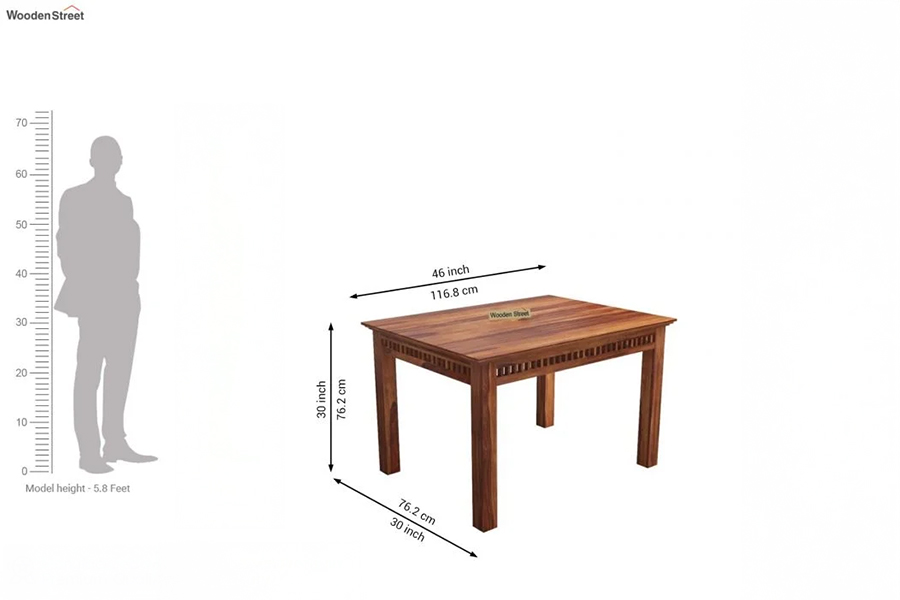
Image Source: images.woodenstreet.de
Deciphering Standard Kitchen Table Height
Finding the right height for your kitchen table is key for good mealtimes. If the table is too high or too low, eating becomes awkward and uncomfortable. This article will explore the typical sizes for kitchen tables and related furniture. We will look at what makes a table the right size for your needs.
The height of a table affects how you sit. It also impacts the overall look of your dining space. People often look for the average kitchen table height when buying new furniture. Knowing the right numbers helps you pick chairs that fit well too.
The Standard Dining Set Baseline
Most furniture makers follow set guidelines. These guidelines aim for comfort. They make sure that most people can eat without leaning too much or sitting too high.
Regular Dining Height Explained
The standard kitchen table height falls into a small range. This is the most common size you will see in homes.
| Table Type | Typical Height Range (Inches) | Ideal Chair Seat Height (Inches) |
|---|---|---|
| Standard Dining Table | 28″ – 30″ | 17″ – 19″ |
| Counter Height Table | 34″ – 36″ | 24″ – 26″ |
| Bar Height Table | 40″ – 42″ | 28″ – 30″ |
This table shows the difference clearly. The dining table dimensions for height are specific. This helps match them with the right chairs.
Fathoming Comfortable Dining Height
Comfort is not just about looks. It is about how your body rests while you eat. This is where the concept of comfortable dining height comes in. Good design allows your arms to rest naturally on the tabletop. Your feet should rest flat on the floor.
The Key Measurement: Knee Space
The most vital space is between the chair seat and the table bottom. Experts suggest a gap of about 10 to 12 inches. This space is needed for your thighs. If the gap is too small, your knees hit the table. If it is too large, you slump forward to eat. This gap directly relates to the table height for chairs.
To get this right, you must know the chair height first. If your chair seat is 18 inches high, your table should be near 29 or 30 inches high. This simple math helps set the kitchen table top height correctly.
Exploring Different Table Styles and Their Sizes
Not all tables in the kitchen area are the same height. As kitchens have changed, so have the furniture options. Today, you often see three main styles of eating surfaces.
Counter Height Table Size
Many modern kitchens feature islands or tables that match the kitchen counters. These are called counter height table size pieces. They are taller than standard tables.
These tables look modern. They often work well in smaller spaces. They also make serving food easier. You do not have to bend down as much from the main counter to the table.
The typical counter height table size runs from 34 inches to 36 inches tall. This height requires taller stools or chairs, usually around 24 to 26 inches high for the seat. This allows for that crucial 10- to 12-inch gap.
Bar Height Table Dimensions
Even taller than counter height tables are bar height tables. These mimic the height of a typical home bar or a pub table.
The bar height table dimensions usually sit between 40 and 42 inches high. Because they are so tall, they need very high seats. These seats are often called bar stools. The stools usually have seats around 28 to 30 inches high.
Bar height setups are great for casual eating or quick snacks. They offer a different feel than a formal dining setup. They are great for quick meals but might not be best for long, relaxed dinners for everyone.
The Importance of Ergonomic Dining Table Height
Ergonomics looks at making things fit the human body best. An ergonomic dining table height minimizes strain and maximizes comfort over long periods. This is important if you use your kitchen table for more than just eating, like working or doing homework.
Factors Influencing Ergonomic Choices
Several factors influence the best ergonomic height for you:
- User Height: Taller people need slightly higher tables. Shorter people need lower tables.
- Chair Type: The chair you use dictates the table height. Swivel chairs or chairs with thick cushions change the seated height.
- Activity: Eating needs a different height than working on a laptop. Working often benefits from a slightly higher surface to keep the neck straight.
For the ideal height for kitchen table usage, think about the main user. If a tall person uses the table most, aim for the higher end of the standard range (closer to 30 inches). If shorter people use it, aim for the lower end (closer to 28 inches).
Adjusting for Different Users
When a family has people of very different heights, finding one single standard kitchen table height can be tricky.
- Solution 1: Adjustable Chairs: Use chairs with adjustable heights. This lets each person set their seat height perfectly against the fixed table.
- Solution 2: Table with Leaves: Some tables come with leaves that can be added or removed. While these mainly change the table’s size, sometimes they come with adjustable legs, though this is rare for standard styles.
It is always easier to adjust the chair height than the table height. Always check the fit between your intended chairs and the table before you buy.
How to Measure and Select the Right Size
When you are shopping, sellers usually list the height. But sometimes they do not. You need to know how to measure or what to ask for.
Checking the Clearance
When you look at dining table dimensions, always look for the height specification. This is usually measured from the floor to the very top surface of the kitchen table top height.
If you are buying chairs separately, check the seat height. Remember the golden rule:
Table Height – Chair Seat Height = Ideal Clearance (Should be 10″ to 12″)
If you are buying a set, the manufacturer has already done this math for you. They pair the table with chairs that fit.
Measuring Your Space
The height of the table also impacts the feel of the room. Very tall tables, like bar height tables, can feel imposing in a small room. Standard height tables feel more balanced.
Consider the visual line in your room. If you have low ceilings, a very tall bar table might make the room feel cramped. If you have high ceilings, a standard table might look lost. Match the scale of the furniture to the scale of the room.
Comparing Table Heights: A Deeper Look
Let’s dive deeper into the differences between the three main types. This comparison helps clarify why you might choose one over the other.
Standard vs. Counter Height: The 6-Inch Difference
The difference between a standard kitchen table height (29″) and a counter height table size (35″) is significant—about six inches.
This six-inch jump changes how you interact with the table.
- Standard: Better for long conversations, formal meals, and accommodating younger children easily.
- Counter: Better for quick meals, standing tasks, and blending with kitchen cabinetry. It often feels more casual.
Bar Height: The Tallest Option
The jump from counter height (35″) to bar height (41″) is another six inches.
Bar tables are distinctly separate from standard dining areas. They often work best in open-concept spaces where they can act as a visual divider. Because they are so high, they are typically not suitable for very young children unless sturdy, fixed-height stools are available.
Why Manufacturers Stick to Averages
Manufacturers rely on averages because the vast majority of the population falls within a specific height bracket. Studies show that the average adult height allows them to sit comfortably at a 29-inch table. Deviations too far from this standard make mass production difficult and increase the risk of customer discomfort complaints.
Advanced Considerations for Table Height
Beyond the basic numbers, other elements can affect your final decision about the ideal height for kitchen table usage.
Table Thickness Matters
The thickness of the table top is usually not included in the height specification. A very thick wooden top might add an inch or two to the overall height. Always confirm if the listed height includes the apron (the frame beneath the top) or just the top surface. Most specs refer to the top surface.
Uneven Floors
If your home has old floors, they might not be perfectly level. A slight slope can change the comfort level drastically. This is another reason why chairs with adjustable feet or built-in levelers are useful. For the table itself, look for models that come with adjustable levelers on the legs. This allows you to fine-tune the kitchen table top height for perfect stability and comfort, even on an uneven surface.
Accommodating Leg Room Underneath
When determining the ergonomic dining table height, do not forget about the structure underneath. Some pedestal bases are great because they allow people to sit anywhere around the table without hitting legs on supports. Tables with four legs require careful placement, especially if the legs are thick or positioned too far inward. Ensure there is at least 24 to 27 inches of clear space width-wise for comfortable seating.
Maintaining the Right Fit: Chairs and Stools
The table is only half of the equation. The seating must match perfectly. Choosing the wrong seat height ruins the comfort of even the best table.
Selecting Dining Chairs for Standard Tables
For a standard 29-inch table, look for dining chairs with a seat height between 17.5 and 18.5 inches. This range allows for good leg clearance and proper posture. These chairs usually have four sturdy legs and often include supportive backs for long sitting periods.
Choosing Stools for Counter Height
Counter height table size requires a specific type of stool. These stools must elevate the sitter substantially. Look for seat heights between 24 and 26 inches. Many counter stools have footrests built in. This footrest is critical because the sitter’s feet cannot comfortably reach the floor from that height. Without a footrest, the user will swing their legs or press their feet against the bottom of the table apron, causing discomfort.
The Bar Stool Fit
For bar tables, the required bar height table dimensions mean tall stools are necessary. Seats should be 28 to 30 inches high. These stools are often taller and sometimes narrower than counter stools. Make sure the footrest on a bar stool is positioned correctly relative to the seat height to ensure proper support.
Summary of Height Guidelines
To make things easy, here is a final checklist based on the standard measurements we have discussed. This helps confirm you have the right standard kitchen table height or specialized height.
| Component | Standard Dining | Counter Height | Bar Height |
|---|---|---|---|
| Table Height | 28″ – 30″ | 34″ – 36″ | 40″ – 42″ |
| Chair/Stool Seat Height | 17″ – 19″ | 24″ – 26″ | 28″ – 30″ |
| Clearance (Gap) | 10″ – 12″ | 10″ – 12″ | 10″ – 12″ |
| Use Case | Formal/Family Meals | Casual Meals/Prep Work | Quick Snacks/Socializing |
Following these guidelines ensures you achieve an ergonomic dining table height setup. This will lead to happier, more relaxed mealtimes. Remember that these are guidelines, and personal comfort should always be the final judge when picking your dining table dimensions.
Frequently Asked Questions (FAQ)
Q: What is the absolute lowest acceptable height for a standard kitchen table?
A: While 28 inches is generally the low end of standard, anything significantly below 27 inches risks being too low for most adults to eat comfortably without hunching over.
Q: Can I use standard dining chairs with a counter height table?
A: No. Standard dining chairs are too short. If you use them with a counter height table (around 35 inches), the gap between the seat and the tabletop will be too large (more than 14 inches), making eating very difficult. You need counter stools designed for that height.
Q: Who benefits most from a bar height table?
A: Bar height tables are best for adults who prefer standing or leaning slightly while eating or socializing. They are also excellent space savers in small apartments where a single tall surface can serve as both prep space and a casual eating area.
Q: How do I know if my current kitchen table height is correct for me?
A: Sit down at your table with a typical dining chair. When seated, your elbows should be bent slightly above a 90-degree angle when your forearms rest on the table. Your feet should be flat on the floor, and your knees should not hit the underside of the table. This indicates a good comfortable dining height.
Q: Does the type of chair material affect the required table height?
A: Yes. Cushioned chairs compress when you sit down, effectively lowering your seat height. If you have very thick cushions, you might need a table slightly taller than the average to maintain that ideal 10–12 inch gap. Always measure the compressed seat height.
Q: What is the standard height range for round kitchen tables?
A: Round kitchen tables adhere to the same height standards as rectangular ones. A standard round table will still measure between 28 and 30 inches in height for the standard kitchen table height. The shape does not change the required vertical measurement.