
Can I change out my kitchen sink myself? Yes, you can change out your kitchen sink yourself if you have basic plumbing skills and the right tools. This guide will walk you through the steps for replacing kitchen sink fixtures. We will cover everything from taking out the old one to installing new sink hardware. This job might seem big, but breaking it down makes it easy.
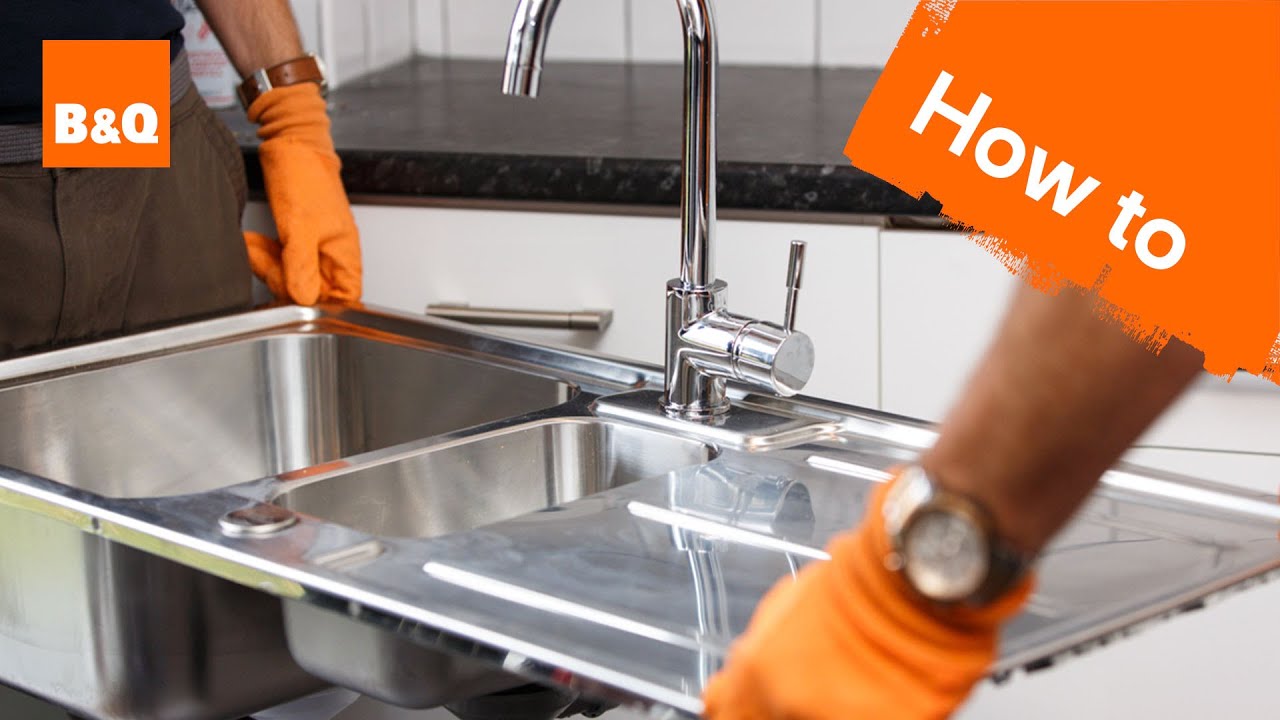
Image Source: i.ytimg.com
Preparing for Your Kitchen Sink Project
Before you start, good planning saves a lot of trouble. Knowing what kind of sink you have and what kind you want helps set you up for success.
Choosing the Right Replacement Sink
There are two main types of sinks. Drop-in sink replacement (or top-mount) sinks drop in from above. They rest on the countertop edge. Undermount sink installation requires the sink to mount below the counter. This looks sleek but needs a solid countertop like granite or quartz.
Table 1: Sink Types Comparison
| Feature | Drop-In Sink | Undermount Sink |
|---|---|---|
| Installation Ease | Easier, DIY friendly | Harder, needs strong counter |
| Countertop Edge | Edge visible over the counter | Edge exposed, sleek look |
| Cleaning | Can trap crumbs at the edge | Wipes straight into the sink |
| Cost | Usually less expensive | Often costs more for labor/materials |
Measure your existing cutout carefully. Get the new sink early. Ensure the size and shape match.
Gathering Your Tools and Supplies
You will need several things before starting the sink removal process. Get these ready in advance.
- Safety Gear: Gloves and safety glasses are a must.
- Basin Wrench: Needed to reach nuts under the sink.
- Adjustable Wrenches and Pliers: For tightening and loosening fittings.
- Putty Knife or Utility Knife: To cut old caulk or sealant.
- Screwdriver Set: For removing mounting clips.
- Bucket and Towels: To catch water during disconnection.
- Plumber’s Putty or Silicone Caulk: For sealing kitchen sink properly.
- New Supply Lines (Optional but Recommended): Especially if old ones look worn.
- New Sink Hardware: Including mounting clips.
Step 1: Turning Off the Water and Power
Safety first! You must stop the flow of water and electricity before doing any connecting sink plumbing.
Shutting Off Water Supply
Locate the shutoff valves under your sink. These control hot and cold water lines going to the faucet. Turn both valves clockwise until they stop. This shuts off the water. If you cannot find these valves, turn off the main water supply to your house. Test the faucet to make sure the water is off. Let any remaining water drain out.
Disconnecting Power (If Applicable)
If you have a garbage disposal installation sink, you must cut the power. Find the switch that controls the disposal. Turn it off. Better yet, locate the circuit breaker for the kitchen and switch it off. Double-check that the disposal will not start accidentally.
Step 2: The Sink Removal Process
This is where you take out the old fixture. Be patient; old sealant can be stubborn.
Disconnecting the Plumbing for New Sink
First, disconnect the drain lines. Place your bucket directly under the P-trap (the curved pipe). Use pliers or a wrench to loosen the slip nuts connecting the P-trap to the tailpiece coming down from the sink. Water trapped here will spill into the bucket.
Next, disconnect the water supply lines from the faucet tailpieces. You might need your basin wrench for the nuts holding these lines to the faucet shank. Keep towels handy for small drips.
Removing the Faucet and Disposal
If your faucet is mounted on the sink deck (common with drop-in sinks), you usually loosen large mounting nuts underneath. Use the basin wrench for this. Once the nuts are off, you can lift the faucet out from the top.
If you have a garbage disposal installation sink, disconnect the disposal next. First, unplug it or disconnect the wiring if it’s hardwired (ensure power is off!). Then, twist the disposal mounting ring counter-clockwise to detach it from the mounting bracket under the sink. Set the disposal aside safely.
Detaching the Sink from the Countertop
This step depends heavily on your sink type.
For Drop-In Sinks:
The sink is held in place by clips mounted underneath the counter rim and sealant (caulk or plumber’s putty).
- Use a sharp utility knife or putty knife. Carefully cut all the old caulk around the perimeter where the sink meets the countertop. Work slowly to avoid scratching the counter surface.
- Reach under the sink. Find the metal mounting clips holding the sink down. Use a screwdriver or wrench to loosen and remove these clips entirely.
- Gently try to lift the sink straight up. If it sticks, use your putty knife to gently pry the edges up evenly all around. Do not force it. Use slow, steady pressure.
For Undermount Sinks:
These are often secured with strong clips and epoxy glue.
- Make sure all plumbing and the faucet are disconnected first.
- Locate the mounting clips. Unscrew them.
- Undermount sinks rely heavily on adhesive. You will need to strike the sides of the sink gently but firmly with a rubber mallet to break the seal between the sink rim and the underside of the counter. Work your way around.
- Once loose, support the sink as you lift it down. Undermount sinks are heavy! Have a helper for this part.
Step 3: Preparing the Countertop for the New Fixture
Once the old sink is out, you must clean the area. A clean surface is key for good sealing kitchen sink performance.
Cleaning the Area
Scrape away all old caulk, putty, and adhesive residue from the countertop opening. Use mineral spirits or acetone sparingly to remove stubborn spots. The surface must be completely dry and smooth before the new sink goes in.
Preparing the New Sink
New sinks often come without holes drilled for the faucet or soap dispenser. If your new sink requires drilling, mark the spots carefully. Use the correct drill bits and a slow speed to avoid cracking the material.
Install the new faucet onto the sink basin before you set the sink into the counter. It is much easier to tighten the faucet nuts while the sink is accessible. You may also install the strainers and drain baskets now.
Step 4: Installing the New Sink
This is the main event: installing new sink hardware.
Drop-In Sink Replacement Installation
- Apply a continuous bead of silicone caulk or plumber’s putty along the underside rim of the new sink where it will touch the countertop. This provides a waterproof seal.
- Carefully lift the sink into the countertop opening. Align it so it sits evenly. Press down firmly to seat it into the caulk.
- Reach under the sink. Install the mounting clips provided with your new sink. Tighten these clips evenly around the perimeter. Do not overtighten, as this can warp the sink or crack the counter.
- Wipe away any excess caulk that squeezed out around the rim immediately with a damp cloth.
Undermount Sink Installation
Undermount sink installation requires precision and strong adhesive.
- Prepare the underside of the countertop surface. If using clips, sometimes it helps to apply a thin layer of silicone to the mounting points on the counter.
- Apply a thick, continuous bead of 100% silicone adhesive around the entire rim of the sink basin.
- Carefully lift the sink into position beneath the counter. Align it perfectly with the opening above.
- Secure the sink using the provided mounting clips or specialized mounting hardware that fastens to the underside of the counter. Follow the manufacturer’s instructions precisely regarding clip placement and tightening sequence.
- Some undermount sinks require temporary supports (like bracing bars across the opening) while the silicone cures. Wait the full curing time specified by the silicone maker before putting stress on the sink.
Step 5: Connecting Sink Plumbing and Fixtures
Now we focus on the plumbing for new sink setup.
Installing the Garbage Disposal (If Applicable)
If you are doing a garbage disposal installation sink, attach the new disposal mounting flange. Use plumber’s putty under the flange rim that sits against the sink drain hole. Secure the mounting bracket underneath the sink, then twist the disposal unit onto the bracket until it locks securely.
Reconnecting the Drains
Attach the tailpieces to the sink drains (or the disposal exit). Reinstall the P-trap assembly.
Remember the goals when reassembling the kitchen sink drain replacement:
- Use new gaskets or ensure old ones are in good shape.
- Hand-tighten slip nuts first.
- Use pliers for the final quarter-turn tightening. Do not crush the plastic nuts.
- Ensure the trap arm aligns correctly with the wall pipe. It must have a slight downward slope.
Connecting Water Supply Lines
Attach the new faucet supply lines to the shutoff valves. Ensure the threads are clean. Tighten them securely with an adjustable wrench. Avoid bending or twisting the flexible lines sharply.
Step 6: Testing for Leaks and Final Curing
This crucial final step confirms your work is sound.
Water Testing
- Ensure the faucet handles are in the OFF position.
- Slowly turn the water shutoff valves back on under the sink. Listen for unusual noises.
- Turn on the cold water faucet first, running it for a minute. Check all supply line connections underneath for drips. Tighten slightly if you see leaks.
- Repeat the process for the hot water.
- Fill the sink basin halfway with water. Pull the stopper. As the water drains, watch the P-trap and drain connections closely. Look for any drips coming from the connecting sink plumbing.
- If you installed a disposal, run it briefly to test that connection point as well.
Curing Time
If you used silicone caulk (especially for undermount sinks), avoid using the sink heavily for 12 to 24 hours. Allow the sealant to fully cure. If you used plumber’s putty, it is generally ready to use right away, but silicone needs time to set firmly.
Tips for Success and Common Pitfalls
Many DIY projects hit small snags. Here are ways to navigate them during your replacing kitchen sink job.
Tip 1: Take Photos Before Disassembly
Before you disconnect anything, take clear pictures of the existing setup. This serves as a map when you start the plumbing for new sink connections.
Tip 2: Dealing with Old Stubborn Plumbing
If pipes are corroded or fittings are rusted stuck, do not use excessive force. Apply penetrating oil (like WD-40) and let it sit for 15 minutes. Sometimes, gentle heat from a hairdryer can help loosen old putty or sealant.
Tip 3: Faucet Alignment
When installing the faucet onto the sink deck, many faucets have flexible alignment washers. Make sure these are seated correctly before tightening the mounting nuts underneath. Misalignment here can cause the handle to feel loose or bind later.
Tip 4: Disposal Hanger Bracket Issues
When installing a new disposal, sometimes the old countertop flange opening is slightly larger than the new one. If this happens, you might need a specific adapter kit or use extra plumber’s putty to ensure a tight seal.
Tip 5: Countertop Damage Check
If you are swapping a drop-in sink for an undermount sink, check the countertop edge underneath the old sink lip. If the counter material is soft (like laminate), it may have water damage. You may need to trim or reinforce that area before mounting the new sink securely.
Frequently Asked Questions (FAQ)
Q: How long does it usually take to change out a kitchen sink?
A: For an experienced DIYer replacing a drop-in sink, the job can take 3 to 5 hours. If you are performing an undermount sink installation or dealing with old, corroded plumbing, it could easily take a full day.
Q: What is the difference between plumber’s putty and silicone caulk for sealing the sink?
A: Plumber’s putty is soft and pliable; it is great for sealing drains, strainers, and often used on drop-in sink rims. Silicone caulk creates a strong, waterproof, flexible bond. Silicone is usually preferred for undermount sink installation because it handles weight better and provides a superior long-term seal against water intrusion.
Q: Do I need to replace the P-trap when replacing the sink?
A: You don’t always have to, but if the existing P-trap or drain pipes look old, cracked, or heavily corroded, it is the best time to replace them while everything is disconnected. This proactive kitchen sink drain replacement prevents future issues.
Q: My new faucet won’t fit the existing holes. What should I do?
A: Many modern faucets come with an escutcheon plate, which is a decorative cover plate designed to hide extra holes in the sink deck. If the holes are too large for the new faucet base, this plate will cover the gaps, allowing you to proceed with the connecting sink plumbing.