
Yes, you can clean grease from kitchen cabinets, and the best way often depends on the cabinet material. A simple solution of warm water and a few drops of dish soap is the safest starting point for most surfaces.
Kitchen grease is tough. It sticks everywhere, especially above the stove. Over time, this sticky film makes cabinets look dull and dirty. Getting rid of it might seem like a big chore. However, with the right steps and cleaning agents, you can make your cabinets shine again. This guide shows you the best methods to remove kitchen cabinet grease effectively and safely.
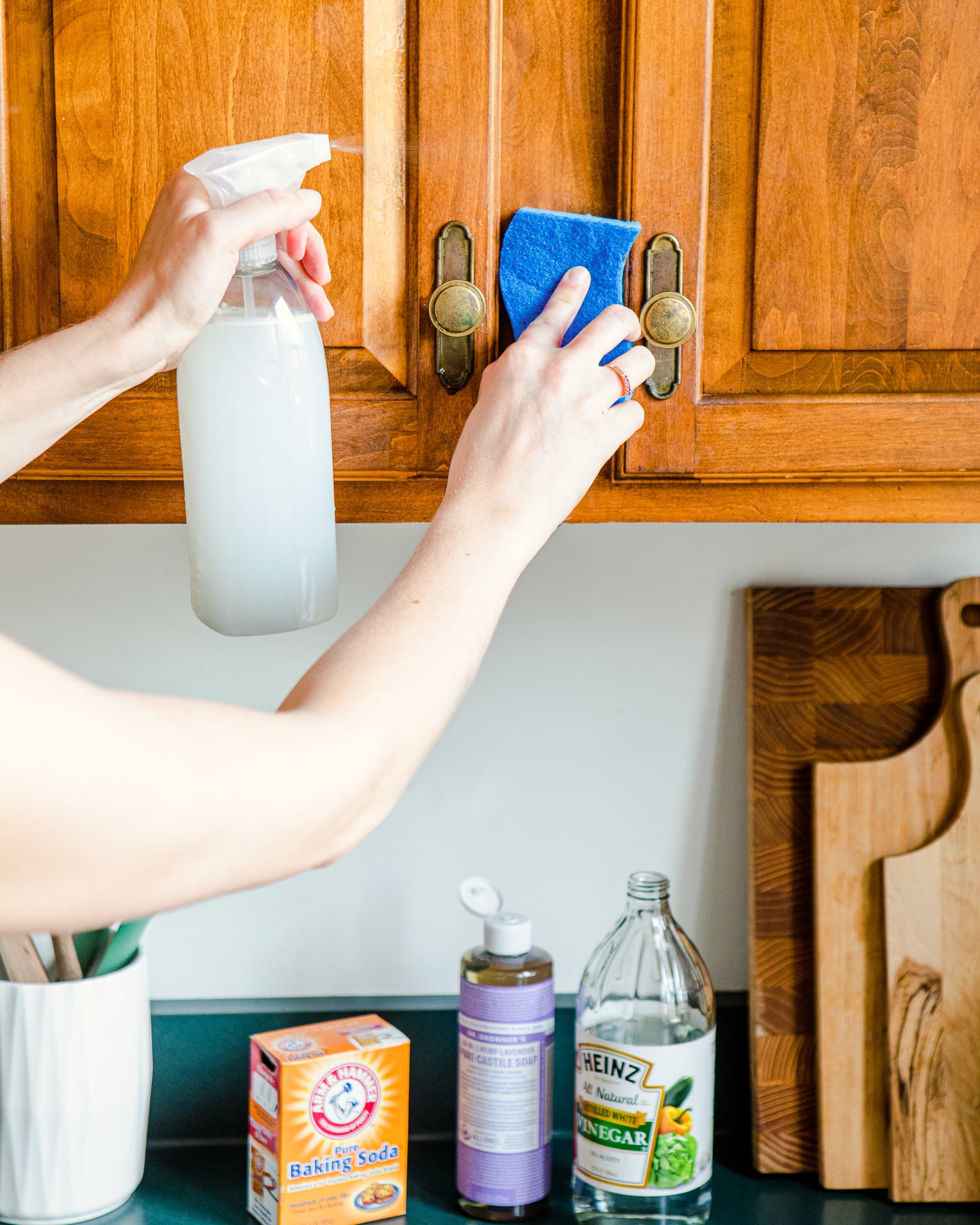
Image Source: cdn.apartmenttherapy.info
Why Kitchen Cabinets Get So Greasy
Grease comes from cooking. When you fry, sauté, or bake, tiny oil particles float in the air. These particles settle on surfaces. Your cabinets act like magnets for this airborne grease. Steam and heat make the grease stick harder. This sticky layer traps dust and dirt. Soon, you have a thick, hard-to-clean coating. Knowing this helps you choose the right way to degrease kitchen cabinets naturally or with stronger cleaners.
Safety First: What to Know Before You Start
Before applying any cleaner, always test it first. Pick a spot that is hidden, like the side or back of a cabinet door. Apply a small amount of your cleaner. Wait a few minutes. Wipe it off. Check for color change, dullness, or damage. This step is crucial for protecting your finish. Safe way to clean kitchen cabinets grease always starts with a patch test.
Choosing Your Cleaning Arsenal: Solutions for Every Surface
Different cabinet materials need different care. Wood, laminate, and painted surfaces react differently to strong chemicals. Let’s look at the most effective kitchen cabinet cleaning solutions.
Gentle Cleaning: Soap and Water
For light grease or routine cleaning, start here. This method is the safe way to clean kitchen cabinets grease, especially on sealed wood.
Steps for Basic Cleaning:
- Mix warm water in a bucket.
- Add a few drops of mild dish soap. Do not use harsh detergents.
- Dip a soft cloth into the solution. Wring it out well. The cloth should be damp, not dripping wet. Excess water can damage wood.
- Wipe down the greasy areas.
- Rinse the area with a cloth dipped in clean water.
- Dry the surface immediately with a soft, dry towel.
This works well for keeping things tidy. But what about tougher jobs?
Natural Degreasing Power
Many people prefer to degrease kitchen cabinets naturally. These methods use common household items and are often safer for the environment and your family.
Vinegar Solution
White vinegar is a mild acid. It cuts through grease well without harsh chemicals.
- Mix one part white vinegar with one part warm water in a spray bottle.
- Spray the solution directly onto the greasy area.
- Let it sit for five minutes. This gives the acid time to break down the oil.
- Wipe clean with a microfiber cloth.
- Rinse and dry as usual.
This is excellent for cleaning sticky kitchen cabinets.
Baking Soda Paste
Baking soda is a gentle abrasive. It scrubs away stuck-on grime without scratching most surfaces.
- Mix baking soda with a small amount of water. Make a thick paste.
- Apply the paste to heavy grease spots.
- Let it sit for ten to fifteen minutes.
- Gently scrub the area using a soft sponge or cloth. Do not scrub hard, especially on painted surfaces.
- Wipe away the residue with a damp cloth.
- Dry thoroughly.
This is a great homemade kitchen cabinet degreaser for spot treatments.
Lemon Juice Power
Lemon juice works like vinegar due to its acidity. It also leaves a fresh smell.
- Mix equal parts lemon juice and water.
- Use this mixture just like the vinegar spray.
- It is very effective for light to moderate grease buildup.
Stronger Solutions for Tough Grease
Sometimes, natural methods aren’t enough. When you are removing tough grease from cabinets, you need something stronger. Be very careful when using these, and always test first.
Dish Soap Concentrate
High-quality dish soap is designed to break down grease. Use it without much water for a stronger punch.
- Put a small amount of grease-cutting dish soap directly onto a damp sponge.
- Rub the sponge directly onto the greasy area.
- Work in small sections.
- Rinse the area very well. Soap residue attracts new dirt quickly.
- Wipe dry.
This is often considered the best cleaner for greasy kitchen cabinets if you want a commercial product that is still relatively gentle.
Rubbing Alcohol
For very sticky residue that soap won’t budge, isopropyl alcohol can work wonders. It dissolves oily residue quickly.
- Dampen a cotton ball or cloth with rubbing alcohol.
- Gently rub the sticky spots.
- Work fast, as alcohol evaporates quickly.
- Use immediately after testing on a hidden spot, as it can sometimes dull certain finishes.
Tailoring Your Technique by Cabinet Material
The material of your cabinets dictates which cleaning method is safest and most effective. Using the wrong cleaner can ruin the finish permanently.
Cleaning Finished Wood Cabinets
Wood requires gentle care. Too much water or harsh chemicals can strip the finish, warp the wood, or cause discoloration.
- Best Approach: Use mild dish soap solution or the vinegar/water mix.
- What to Avoid: Ammonia, bleach, abrasive pads, and excessive scrubbing.
When you are removing tough grease from cabinets made of wood, focus on dissolving the grease slowly rather than scrubbing it off immediately. A slightly warm, damp cloth pressed onto the grease for a moment can help soften it before wiping.
Degreasing Painted Kitchen Cabinets
Painted surfaces can easily chip or have the paint lift if the cleaner is too strong or the process is too rough. Degreasing painted kitchen cabinets needs patience.
- Best Approach: A very mild detergent solution or a baking soda paste applied gently.
- Tip: Always wipe with the grain of the paint if possible. Avoid stiff brushes. If the paint is old or already peeling, even gentle scrubbing can cause damage.
How to Clean Laminate Kitchen Cabinets Grease
Laminate cabinets are generally durable and non-porous, making them easier to clean than wood. However, water can seep into seams and cause bubbling or peeling.
- Best Approach: Spray bottle method using the vinegar solution or a mild cleaner.
- How to clean laminate kitchen cabinets grease effectively: Spray the cleaner, let it sit for two minutes, and wipe thoroughly. Since laminate tolerates moisture better than wood, a quick rinse might be possible, but always dry edges immediately.
- What to Avoid: Highly abrasive cleaners like scouring powders, which can scratch the plastic surface, making it look dull.
Cleaning Thermofoil Cabinets
Thermofoil is a vinyl film heated and applied over particleboard. It looks sleek but is sensitive to heat and harsh chemicals.
- Best Approach: Very mild soap and water.
- What to Avoid: Never use acetone, paint thinners, or strong solvents. High heat from a hairdryer or steam cleaner can cause the vinyl to bubble or peel away from the base material.
Advanced Techniques for Stubborn Grease Buildup
Sometimes, years of cooking lead to a thick, baked-on layer of grime. This requires more effort and specialized techniques. This section covers how to tackle the toughest spots and ensures you remove kitchen cabinet grease completely.
The Steam Method for Loosening Grime
Steam is excellent for softening old, hard grease without strong chemicals. This works well on most hard surfaces, but use caution near wood joints.
- Use a handheld garment steamer or a steam cleaner designed for household use.
- Hold the steam nozzle a few inches away from the cabinet surface.
- Apply steam briefly to a small, greasy section (about 10–15 seconds). The heat melts the hardened grease.
- Immediately wipe the softened grease away with a clean, slightly damp cloth.
- Follow up with a quick dry wipe.
This preparation step makes the actual wiping much easier, making it a key part of removing tough grease from cabinets.
Using Oil to Combat Oil (Mineral Oil Technique)
This sounds counterintuitive, but applying a small amount of oil can sometimes help lift very old, dried grease. This works best on finished wood or laminate surfaces that aren’t heavily soiled.
- Lightly dampen a clean cloth with mineral oil (food-grade oil).
- Gently rub the greasy area. The fresh oil helps re-emulsify the old, set grease.
- Wipe off the resulting mixture quickly with a dry cloth.
- Immediately clean the area with your mild dish soap solution to remove kitchen cabinet grease and the mineral oil residue itself.
Commercial Degreasers and When to Use Them
If everything else fails, a commercial degreaser might be necessary. Look for products specifically labeled as safe for kitchen use. Always check the label to ensure they are safe for your specific cabinet finish (wood, laminate, painted).
| Commercial Degreaser Type | Best For | Caution |
|---|---|---|
| Heavy-duty Oven Cleaner | Metal or extremely tough baked-on grease (Use as a last resort only on non-wood surfaces) | Extremely harsh; can strip paint and damage wood instantly. |
| TSP Substitute (Trisodium Phosphate) | Very heavy industrial grease buildup | Can dull some finishes; rinse extremely well. |
| Enzyme Cleaners | General, food-based grease | Generally safe but may take longer to work. |
If you are degreasing painted kitchen cabinets, stick to the mildest commercial option available and dilute it heavily.
Maintaining Clean Cabinets: Prevention is Easier Than Cleaning
Once you have successfully tackled the grime, keeping the cabinets clean is much simpler than deep cleaning later. Prevention is the best strategy for long-term cabinet health.
Daily Wipes
Make it a habit to wipe down cabinet fronts near the stove and sink daily or every other day. A simple dry microfiber cloth will catch most fresh splatters before they bond to the surface.
Managing Cooking Moisture
Cooking creates steam, which carries grease.
- Always use your exhaust fan when cooking. This vents the airborne grease outside or filters it.
- Cover pots and pans when boiling or simmering liquids. This reduces steam and splatter significantly.
Routine Cleaning Schedule
Establish a regular schedule for a deeper clean.
| Cleaning Frequency | Task | Goal |
|---|---|---|
| Daily | Quick wipe near stove/sink | Catch fresh splatters. |
| Weekly | Gentle wipe of all cabinet doors | Degrease kitchen cabinets naturally before buildup occurs. |
| Quarterly | Deeper clean of hardware and corners | Prevent dirt buildup in crevices. |
| Bi-Annually | Full surface deep clean | Remove kitchen cabinet grease before it hardens. |
Protecting Your Finish
For wood cabinets, occasional polishing with a furniture wax or conditioner can help seal the surface. This makes future grease harder to stick to the wood pores. This is an important step for maintaining the look after you remove kitchen cabinet grease.
Specific Challenges: Hardware and Sticky Residue
Cleaning the cabinet doors is only half the battle. Hardware and those sticky spots require special attention.
Cleaning Cabinet Hardware
Knobs and pulls accumulate hand oils and grime very quickly.
- Remove Hardware: If possible, unscrew the knobs and pulls. This allows you to clean the hardware and the cabinet face separately.
- Soak: Soak metal hardware in a bowl of warm water mixed with a strong solution of dish soap. Let it sit for 30 minutes.
- Scrubbing: Use an old toothbrush to scrub around the screw holes and crevices of the hardware.
- Rinse and Dry: Rinse thoroughly and dry completely before reattaching. Water left on metal can cause corrosion.
If you cannot remove the hardware, wrap a cloth around the base and use a cotton swab dipped in your cleaner to work around the edges.
Tackling Sticky Kitchen Cabinets
Sticky residue often happens near the dishwasher or trash cabinet handles from dirty hands. This is where homemade kitchen cabinet degreaser excels.
If the stickiness is from glue residue (perhaps after a sticker removal), try gently warming the area with a hairdryer. Then, use a small amount of cooking oil or WD-40 (on laminate/metal only, test wood first) to break down the adhesive, followed by a thorough cleaning with soap to remove the oil.
Summary of Best Practices
To achieve the best results when you need to remove kitchen cabinet grease, remember these key points:
- Always test your cleaner in a hidden spot first.
- Start mild: Soap and water is your first line of defense.
- Use dedicated kitchen cabinet cleaning solutions based on your cabinet material.
- For tough spots, let your cleaner dwell (sit) before wiping.
- Dry surfaces completely after cleaning to prevent water damage.
- Regular maintenance drastically reduces deep cleaning efforts.
By following these detailed steps, you can successfully restore the shine to your kitchen cabinets, making them look cleaner and last longer. Whether you are degreasing painted kitchen cabinets or how to clean laminate kitchen cabinets grease, a consistent, gentle approach works best.
Frequently Asked Questions (FAQ)
Q1: Can I use abrasive sponges to clean greasy kitchen cabinets?
A: Generally, no. Abrasive sponges (like the green side of a standard kitchen sponge or steel wool) can scratch painted, wood, or laminate surfaces, permanently damaging the finish. Use soft cloths, microfiber towels, or soft sponges only.
Q2: What is the safest way to clean grease from antique wood cabinets?
A: The safest way is using a specialized wood cleaner or a very mild solution of distilled water and a tiny amount of pH-neutral soap. Avoid vinegar or strong commercial degreasers, as antique finishes are often delicate and may not be sealed as well as modern ones.
Q3: How do I clean grease from the top of my kitchen cabinets that are near the ceiling?
A: This area is often the hardest. Use an extension duster first to knock down loose dust. Then, use a sponge mop or a stiff-bristled brush (covered with a cloth dampened with your chosen degreaser) attached to an extension pole. Work slowly and ensure your cleaning solution isn’t dripping excessively.
Q4: Is it okay to use straight dish soap on my cabinets?
A: Applying dish soap straight is fine for spot treatment, especially when removing tough grease from cabinets. However, you must rinse the area thoroughly afterward. Leaving soap residue behind will attract dirt and create a new sticky film faster.
Q5: Will ammonia-based cleaners work for degreasing kitchen cabinets naturally?
A: Ammonia is a strong degreaser, but it is not considered natural. Furthermore, ammonia can be harsh, potentially fading paint or damaging the finish on some wood types. It should be a last resort, used sparingly and heavily diluted.