
What is the best way to clean kitchen cupboard doors? The best way involves identifying the door material first, then choosing a gentle cleaner, and wiping gently with a soft cloth, often using warm, soapy water or a mild vinegar solution for general dirt.
Keeping your kitchen cupboards sparkling clean is simpler than you might think. Dirty cupboard doors can make your whole kitchen look dull. Grease, dust, and sticky splatters build up fast, especially around handles and stove areas. This guide will give you simple, step-by-step methods for every type of cupboard door. We will focus on easy, safe cleaning practices to keep your investment looking new for years.
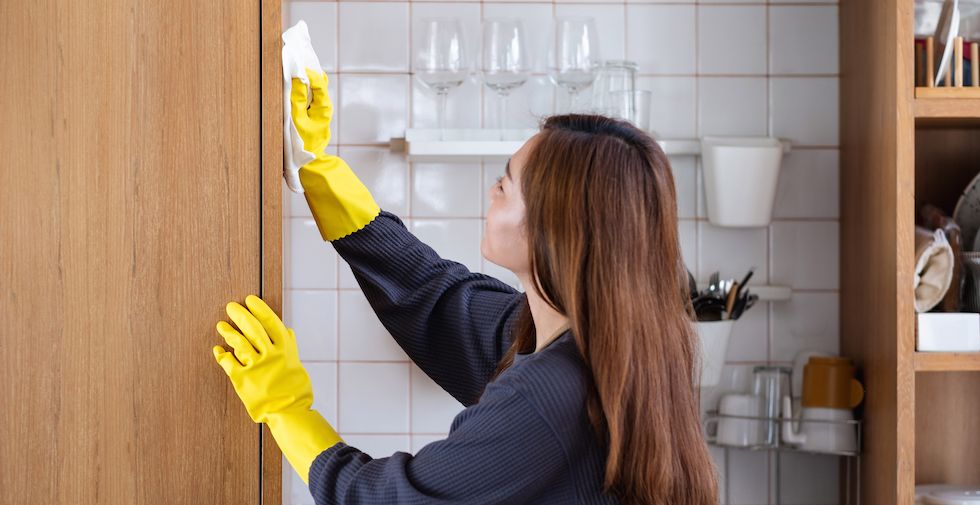
Image Source: d1hssmjjtjwagl.cloudfront.net
Why Keeping Cupboards Clean Matters
Clean cupboard doors do more than just look good. They help keep your kitchen healthy. Food particles and grease attract pests. Removing this grime regularly prevents it from hardening into tough, unsightly stains. Good kitchen cabinet cleaning tips start with knowing what you are cleaning.
Deciphering Your Cupboard Door Material
The most important step is knowing what your doors are made of. Different materials need different care. Using the wrong cleaner can scratch wood, warp laminate, or dull paint finishes.
Cleaning Laminate Kitchen Doors
Laminate doors are popular because they are tough and often budget-friendly. They have a plastic layer glued onto a core, usually particleboard.
Simple Cleaning for Laminate
For daily dirt, simple soap and water work wonders.
- Mix a few drops of mild dish soap into a bucket of warm water.
- Dip a soft cloth into the solution. Wring it out well. It should be damp, not dripping.
- Wipe down the entire surface of the laminate door.
- Rinse the cloth frequently in clean water.
- Use a dry, soft towel to buff the doors dry immediately. This stops water spots.
Tackling Sticky Kitchen Cupboard Grime on Laminate
Sometimes, cooking spatters turn into sticky messes. For this, you need a bit more power, but still gently.
- Try a solution of half white vinegar and half water. Spray lightly onto the sticky area.
- Let it sit for about five minutes. This helps break down the grime.
- Gently scrub with a soft cloth or a non-abrasive sponge.
- Always rinse the area with plain water afterward. Dry completely.
Cleaning laminate kitchen doors requires avoiding harsh chemicals like acetone, as these can break down the plastic surface.
Cleaning Painted Kitchen Cupboards
Painted finishes are beautiful but can be delicate. High-gloss paint might handle more scrubbing than a matte, soft finish.
General Care for Painted Surfaces
Always use the mildest cleaner first.
- Use warm water and a little bit of mild dish soap.
- Test a small, hidden spot first. Look for color transfer or dulling.
- Wipe doors gently. Do not rub hard. Hard rubbing can wear away the paint.
- Rinse well with a clean, damp cloth.
- Dry the surface right away.
How to Deal with Scuffs on Painted Doors
Small scuffs are common. For very light marks, try a magic eraser, but use extreme caution. These erasers are micro-abrasive.
- Dampen the corner of the magic eraser lightly.
- Rub very lightly over the scuff mark.
- Stop immediately if you see any paint lifting onto the eraser.
- Rinse and dry the spot.
Cleaning painted kitchen cupboards means avoiding abrasive powders or harsh scrubbers entirely.
Cleaning Wooden Cupboard Doors
Wood brings warmth to the kitchen. It can be solid wood or wood veneer. Wood needs moisture control. Too much water can cause swelling or cracking.
Standard Cleaning for Finished Wood
- Use a soft, dry cloth to dust first.
- Mix a very mild solution: one cup of warm water with just one or two drops of mild dish soap.
- Wipe the doors quickly. Do not let water sit anywhere.
- Immediately follow with a dry cloth to remove all moisture.
Restoring Wooden Cupboard Doors
If your wooden doors look dull, they might need conditioning after cleaning. This brings back the natural oils.
- After cleaning and drying, apply a small amount of furniture polish designed for wood.
- Use a soft, lint-free cloth. Rub the polish in small, circular motions, following the wood grain.
- Buff until shiny. This step helps in restoring wooden cupboard doors and protecting them from moisture.
Important Note: If you have oiled or waxed wood, use only specialized wood cleaners, not soap and water. Soap can strip the protective oil or wax layer.
Cleaning Thermofoil or Vinyl Doors
Thermofoil doors are plastic film vacuum-sealed onto a substrate. They are easy to clean but can be damaged by heat.
- Use mild soap and water only.
- Avoid steaming or using very hot water, as this can cause the film to peel away from the core material.
- When removing grease from kitchen doors that are thermofoil, use a gentle degreasing spray, but always rinse it off completely.
Mastering Grease Removal: How to Degrease Kitchen Cabinets
Grease is the biggest enemy in the kitchen. It sticks everywhere, especially near the stove and range hood vents. Removing grease from kitchen doors requires breaking down that oil.
The Power of Dish Soap
Dish soap is designed to cut grease. It is often the safest and most effective first attempt.
- Mix hot water with a generous amount of grease-cutting dish soap.
- Use a microfiber cloth dipped in this mixture.
- Focus on areas where you see sticky buildup.
- Let the soapy water sit on the grease for a minute or two before wiping.
- Rinse thoroughly with clean, warm water. Dry well.
Vinegar for Tougher Grease Spots
Vinegar is a fantastic, slightly acidic option that helps lift cooked-on grease without damaging most surfaces (always test first).
Recipe for a Degreasing Spray:
| Ingredient | Amount | Purpose |
|---|---|---|
| White Vinegar | 1 part | Cuts grease and disinfects |
| Water | 1 part | Dilutes the acid |
| Lemon Juice (Optional) | A few drops | Adds a fresh smell |
Spray this mixture directly onto the greasy spots. Let it sit for 5 to 10 minutes. This dwell time is crucial for how to degrease kitchen cabinets effectively. Wipe away with a scrubbing side of a non-scratch sponge if needed, then wipe clean with plain water and dry.
Baking Soda Paste for Baked-On Grime
For areas where grease has hardened and stuck fast, baking soda is mildly abrasive and works wonders. This method is best for durable surfaces like laminate or heavily varnished wood. Be very careful on painted or delicate surfaces.
- Mix baking soda with just enough water to form a thick paste.
- Apply the paste directly to the thick, sticky area.
- Let it sit for 15 minutes.
- Use a soft cloth or a damp sponge to gently rub the paste into the grime. The slight grit helps lift the mess.
- Wipe away all residue thoroughly. Rinse several times to ensure no white powder remains.
This method is excellent for tackling sticky kitchen cupboard grime that resists liquid sprays.
Choosing the Best Cleaner for Kitchen Cupboards
Best cleaner for kitchen cupboards depends heavily on the material and the type of dirt. Generally, mild is better than harsh.
Store-Bought Options
If you prefer commercial cleaners, look for products specifically labeled as multi-surface cleaners or cabinet cleaners.
- Look for “pH Neutral”: These are gentler on finishes.
- Avoid Ammonia or Bleach: These can discolor paint and damage wood sealants quickly.
- Cabinet Wipes: These are convenient for quick touch-ups but ensure they are not too saturated with chemicals, which can leave residue.
Natural Ways to Clean Cabinet Doors
Many people prefer natural ways to clean cabinet doors to avoid strong chemical smells and protect sensitive skin.
| Natural Cleaner | Best For | Application Tip |
|---|---|---|
| Dish Soap & Water | General dirt, light grease | Use warm water to boost cleaning power. |
| Vinegar Solution | Degreasing, light disinfection | Always rinse well afterward. |
| Lemon Juice & Water | Light cleaning, deodorizing | Use sparingly; acid can dull some finishes over time. |
| Baking Soda Paste | Heavy, sticky buildup | Use only as a spot treatment; rinse completely. |
Using these natural options is a great part of your overall kitchen cabinet cleaning tips routine.
Deep Cleaning Kitchen Cabinet Exteriors: A Seasonal Task
While daily wiping handles light spills, you should plan for a deep cleaning kitchen cabinet exteriors session at least twice a year. This involves cleaning hard-to-reach areas.
Step-by-Step Deep Cleaning Process
- Empty the Area: Remove everything from the countertops near the cabinets. You need clear space to work.
- Remove Hardware (Optional but Recommended): If possible, take off the handles and knobs. Clean them separately in a sink with soapy water. This ensures you clean completely around the screw holes.
- Dust Thoroughly: Use a vacuum cleaner with a soft brush attachment to suck up dust from the tops, sides, and crevices of the cabinets.
- Wash Systematically: Start at the top of the kitchen (where dust settles) and work your way down. Clean the top edge of the cabinet doors first, as this area collects the most debris.
- Focus on High-Traffic Zones: Pay extra attention to the cupboard doors next to the oven, sink, and trash can. These areas accumulate the most grease and handprints.
- Clean Handles/Knobs: Scrub handles well. If they are stainless steel, use a dedicated stainless steel cleaner after washing.
- Rinse and Dry Everything: This step cannot be rushed. Ensure no cleaning solution remains, especially on wood or painted surfaces. Reattach hardware only when completely dry.
Specific Challenges and Solutions
Cleaning Underneath Cabinets and Valances
Don’t forget the top edges! Grease vapor rises and settles on the top edge of your upper cabinets and any crown molding or valances.
- Use a stepladder for safety.
- Wipe this area with your strongest degreasing solution (vinegar mix or dish soap). You might need an old toothbrush to scrub away buildup in tight corners.
Dealing with Stubborn Fingerprints and Handprints
On darker cabinets, fingerprints show clearly.
- Use a very soft, slightly damp microfiber cloth.
- Use minimal pressure. If the print remains, slightly increase the soap concentration in your water, but avoid scrubbing hard.
- For high-gloss finishes, a small spritz of glass cleaner (ammonia-free) on a cloth can sometimes remove the oily print without streaking, followed by a dry buff.
Maintaining Hardware (Knobs and Pulls)
Hardware often gets overlooked. Metal knobs absorb oils from hands.
- Stainless Steel/Chrome: Warm, soapy water followed by a wipe with a microfiber cloth dampened with a tiny bit of white vinegar works well. Dry immediately to prevent water spots.
- Oil-Rubbed Bronze/Brass: Use only mild soap and water. Harsh chemicals will strip the patina finish.
Preventing Future Buildup: Maintenance is Key
The easiest way to clean is to prevent the dirt from setting in deeply.
Quick Daily Wipes
Keep a stash of clean microfiber cloths handy. After cooking, take 30 seconds to wipe down the doors closest to the stove. A quick wipe prevents grease from baking on later.
Use Cabinet Barriers
Consider using clear, peel-and-stick liners on the inside of cabinet doors below the sink to catch drips. While this isn’t for the exterior, it helps keep the overall kitchen environment cleaner.
Proper Ventilation
Always use your range hood fan when cooking. Good ventilation pulls grease-laden steam up and out, drastically reducing how much grease settles on your cupboard doors. This is one of the most effective kitchen cabinet cleaning tips for long-term maintenance.
Summary of Best Practices
To summarize the easiest, safest methods for keeping your kitchen bright:
- Identify Material: Always know if you are cleaning wood, laminate, or paint.
- Start Mild: Begin with warm, soapy water for every cleaning task.
- Address Grease Gently: Use vinegar solutions or specialized degreasers for oil, but rinse completely.
- Avoid Abrasives: Never use steel wool, scouring powders, or abrasive scrub pads on finishes.
- Dry Immediately: Moisture is the enemy of wood and can cause streaks on all materials.
By following these structured steps, you can tackle grime efficiently and keep your entire kitchen looking fresh. Whether you are cleaning laminate kitchen doors or carefully restoring wooden cupboard doors, consistency is your best tool.
Frequently Asked Questions (FAQ)
Can I use abrasive cleaners on my kitchen cupboard doors?
No, you should avoid abrasive cleaners like scouring powders or rough scouring pads on almost all kitchen cupboard door materials. Abrasives scratch surfaces, dulling the finish on paint, laminate, and wood, making them look older faster.
How often should I deep clean my kitchen cabinets?
A deep cleaning kitchen cabinet exteriors session should happen at least twice a year, typically during spring cleaning and before the busy holiday season. Daily spot cleaning and weekly light wipes will handle everyday messes between deep cleans.
My painted cabinets look dull. What can I do?
Dullness on cleaning painted kitchen cupboards often results from residue buildup or the paint wearing down. Try cleaning gently with a soft cloth and mild soap. If that doesn’t work, check if the paint manufacturer suggests a specific polish. Avoid harsh chemical sprays, as these strip the sealant layer.
What is the safest way to remove sticky kitchen cupboard grime near the stove?
The safest way involves breaking down the stickiness slowly. Use a 1:1 vinegar and water solution or a solution of hot water and grease-cutting dish soap. Apply it, let it sit for 5-10 minutes, and then wipe gently. This process addresses tackling sticky kitchen cupboard grime without damaging the finish.
Are commercial degreasers safe for all kitchen cupboards?
Commercial degreasers can be strong. While they are very effective for how to degrease kitchen cabinets, you must check the label. If your cabinets are wood or painted, test a small, hidden area first. Many strong degreasers contain solvents that can dissolve paint or warp laminates. For most jobs, a DIY vinegar or soap solution is safer.