
If your kitchen sink is clogged, the best first steps usually involve trying a plunger or using a mix of baking soda and vinegar. These methods are quick, use items you likely have at home, and often fix minor blockages right away.
Dealing with a slow draining sink or a full-blown blockage in your kitchen can stop your day in its tracks. Food scraps, grease, soap scum, and coffee grounds are common culprits that build up over time. Knowing how to properly unclog kitchen drain issues quickly can save you time, money, and a lot of stress. This guide walks you through simple fixes to more involved solutions for how to remove kitchen sink blockage. We will cover everything from safe home remedies to knowing when it is time for professional sink drain repair.
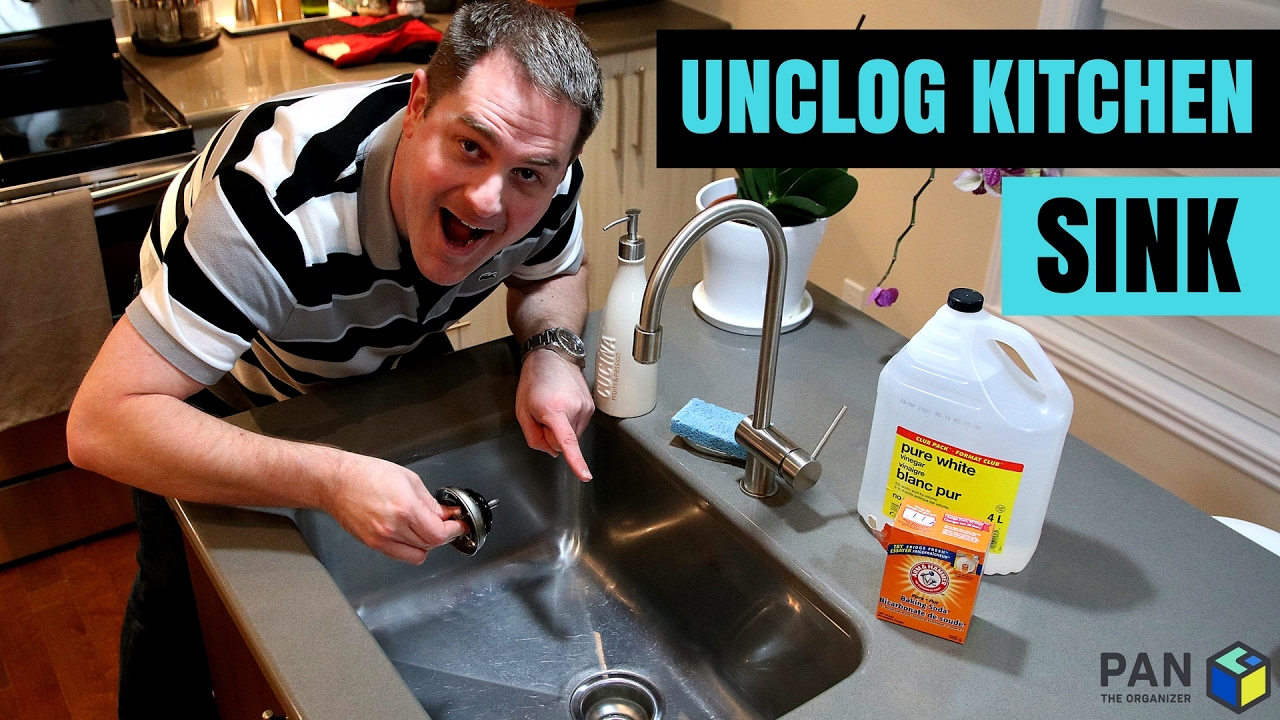
Image Source: i.ytimg.com
Quick Fixes for Minor Clogs
When water pools slowly, you have a small problem. These simple tricks often solve the issue fast.
Plunging Power: Your First Line of Defense
A sink plunger creates suction. This pressure pushes and pulls the clog, breaking it up. It’s often the best way to clear stopped sink issues without harsh chemicals.
How to Use a Sink Plunger Correctly
- Seal the Overflows: If you have a double sink, plug the second drain tightly with a stopper or a wet rag. If you don’t block the other side, the pressure escapes, and the plunger won’t work.
- Add Water: Make sure there is enough standing water in the clogged sink to cover the rim of the plunger cup. This water helps create a seal.
- Position the Plunger: Place the plunger cup firmly over the drain opening. You want a tight seal.
- Plunge Vigorously: Push down firmly, then pull up sharply. Do this about 10 to 20 times quickly. The upstroke is just as important as the downstroke.
- Check the Drain: Remove the plunger and see if the water drains. If it drains slowly, repeat the process a few more times.
Natural Sink Unclogger Remedies
If plunging doesn’t work, try a natural sink unclogger. These solutions use simple kitchen staples to break down grease and soap scum safely. They are much safer for your pipes than harsh chemical drain openers.
The Baking Soda Vinegar Drain Cleaner Trick
This popular method creates a fizzing action that can help loosen minor gunk. It’s a great first step before moving to stronger drain cleaning methods.
- Boil Water: Heat up about one to two kettles full of very hot (but not boiling) water.
- Pour Initial Water: Pour half of the hot water down the drain. This helps melt some grease already in the pipe.
- Add Baking Soda: Pour one cup of baking soda directly into the drain opening.
- Add Vinegar: Follow this with one cup of white distilled vinegar. It will foam up immediately.
- Wait it Out: Cover the drain opening with a stopper or rag to keep the reaction inside the pipe. Let it sit for 30 minutes.
- Flush: After waiting, pour the remaining hot water down the drain to flush everything away.
Table 1: Comparison of Quick Fixes
| Method | How It Works | Best For | Time Required |
|---|---|---|---|
| Plunger | Uses air pressure to dislodge material. | Simple grease and food clogs. | 2–5 minutes |
| Baking Soda & Vinegar | Chemical reaction breaks down mild buildup. | Soap scum and minor grease. | 30–40 minutes total |
| Boiling Water Only | Melts solidified fats and oils. | Freshly formed grease clogs. | 5 minutes |
Advanced Techniques for Stubborn Blockages
When the easy methods fail, it means the clog is deeper or more solid. These steps require more effort or specialized tools.
Cleaning the P-Trap
The P-trap is the curved section of pipe directly under your sink. It is designed to hold water to block sewer gas, but it also traps heavy debris like bottle caps, large food pieces, and grease buildup.
Steps to Clear the P-Trap
- Safety First: Turn off the water supply under the sink if possible. Place a large bucket directly under the P-trap to catch water and debris.
- Loosen the Nuts: The trap is held on by two slip nuts. Use channel-lock pliers or your hands (if they are loose enough) to turn these nuts counter-clockwise. Be gentle; old plastic pipes can crack easily.
- Remove the Trap: Once the nuts are loose, carefully slide the trap section off the pipes. Water and gunk will spill into the bucket.
- Clean Thoroughly: Use an old toothbrush or a wire hanger to scrape out all the slime, grime, and debris inside the P-trap. Rinse the section well in another sink or with a hose.
- Reassemble: Put the P-trap back in place. Hand-tighten the slip nuts, then give them a quarter-turn with the pliers. Do not overtighten.
- Test: Run water slowly at first to check for leaks around the connections. If it’s dry, run the water at full speed to confirm the drain is clear.
Employing the Plumbing Snake Use
If the clog isn’t in the trap, it is further down the line. A plumbing snake use, also called a drain auger, is the tool for reaching deep clogs. It is designed to bore through blockages or snag them so you can pull them out.
How to Use a Drain Auger
- Access Point: Start by removing the P-trap, as mentioned above. This gives you direct access to the main drain line opening in the wall.
- Insert the Snake: Feed the tip of the snake cable into the opening leading into the wall. Push gently.
- Feed and Turn: When you feel resistance, this is likely the clog. Lock the thumbscrew on the auger handle. Now, crank the handle clockwise while pushing slightly. This motion helps the tip either drill through the blockage or grab onto it.
- Break Through or Retrieve: Continue cranking until you feel the resistance lessen. If you think you snagged something, slowly pull the snake back out. If you just broke through, run water to confirm the flow.
- Rinse the Line: Run hot water for several minutes after the successful operation to wash away loose debris.
Addressing Garbage Disposal Blockages
If your sink has a disposal unit, a garbage disposal blockage fix might be needed instead of just focusing on the drainpipe. Disposals jam for two main reasons: they are jammed mechanically, or the drain leading away from them is clogged.
Clearing a Jammed Disposal
If the disposal hums but doesn’t spin, it is jammed.
- Shut Off Power: Crucially, turn off the power switch to the disposal unit or flip the corresponding breaker at your electrical panel. Never put your hand into a disposal with power running.
- Check for Foreign Objects: Use tongs or pliers (not your fingers!) to look inside the chamber for items like silverware, bottle caps, or hard fruit pits. Remove anything you find.
- Manual Turn: Look underneath the sink at the bottom of the disposal unit. You should see a small hexagonal hole. Insert the end of a disposal wrench (often provided when the unit was installed) or a 1/4-inch Allen wrench into this hole.
- Crank it Loose: Turn the wrench back and forth manually. This forces the blades to move and often dislodges whatever was wedged between them and the wall of the chamber.
- Restore Power and Test: Turn the power back on. Run a small amount of cold water, then flip the switch. If it runs freely, you fixed the jam. Grind up some ice cubes to clean the blades and remaining debris.
Disposals Causing Drain Clogs
Sometimes the disposal works fine, but the pipe immediately after it is clogged. This often happens if too many starchy foods (like rice or pasta) or coffee grounds were put through.
If the disposal is clean, the clog is likely just past the disposal outlet. Use a sturdy wet/dry vacuum to try sucking the clog out from the main drain opening (after removing the P-trap). Alternatively, use the plumbing snake carefully past the disposal connection point.
When Home Methods Fail: Moving to Commercial Products
Sometimes, food waste, hair (yes, even in the kitchen sink sometimes!), and solidified grease create a dense mat that baking soda and plunging cannot handle. For these tough situations, you might need commercial drain cleaners.
Selecting the Right Chemical Cleaner
Caution: Never mix different chemical drain cleaners. They can react violently, creating toxic fumes or heat. Also, avoid using harsh chemicals if you suspect your pipes are old, weak, or made of certain types of plastic.
Chemical cleaners typically work in one of two ways:
- Caustic Cleaners (Lye/Sodium Hydroxide): These create heat and break down grease and soap scum by turning them into soap.
- Oxidizing Cleaners: These use bleach or peroxide derivatives to eat through organic matter.
Always follow the product label directions exactly. If the product specifies waiting time, stick to it. If it fails to work, do not pour more down immediately; try plunging or snaking before trying another chemical solution.
Dealing with Slow Draining Sink Issues
A slow drain signals trouble is brewing. This usually means sludge is coating the pipe walls, restricting flow. If you notice this, act fast to prevent a total blockage.
Routine Maintenance to Prevent Clogs
Regular maintenance is the best way to avoid needing emergency fixes.
- Hot Water Flush: Once a week, pour a large pot of very hot water down the drain. This keeps grease from hardening inside the pipes.
- Enzyme Cleaners: Use an enzymatic cleaner once a month. These cleaners use safe bacteria to “eat” organic waste like fats, oils, and food debris without harming your pipes. They are a gentler alternative to the harsh baking soda vinegar drain cleaner if you want routine maintenance.
- Use Strainers: Always use a mesh strainer in the sink to catch large food particles before they go down the drain.
- Avoid Grease Disposal: Never pour cooking grease, oil, or fat down the sink, even if you have a disposal. Collect it in a can and throw it in the trash once cooled.
When to Call a Plumber
There is a point where DIY efforts become risky or ineffective. You should stop and call for professional sink drain repair if:
- Multiple Fixtures Are Affected: If the kitchen sink backs up when you run the bathroom tub, the clog is in the main sewer line, not just the sink branch. This requires professional equipment.
- Chemicals Fail: You have used a commercial cleaner, waited the specified time, and the sink still won’t drain.
- Pipes Are Damaged: You hear gurgling from other drains, or you notice sewer smells persistently.
- The Snake Hits an Impassable Barrier: If your heavy-duty snake cannot move past a certain point, you might have a structural issue, tree root intrusion, or a significant foreign object lodged deep in the line.
A professional plumber has specialized tools like motorized augers and video inspection cameras. They can diagnose the exact problem, whether it’s a collapsed pipe or a serious blockage far down the line, ensuring a lasting fix.
Advanced Diagnostics: Pipe Inspection
Sometimes, the problem isn’t just what you put down the drain. Old pipes can collapse, or tree roots can invade lines. Professional plumbers use drain cameras to see inside your pipes. This inspection helps them determine the best course of action, avoiding unnecessary guesswork or repeated repairs. This is crucial when dealing with slow draining sink issues that keep returning quickly after clearing.
Interpreting Drain Camera Findings
| Finding in Camera Inspection | Likely Cause | Recommended Action |
|---|---|---|
| Slimy Coating on Walls | Normal buildup, grease, soap scum. | Hydro-jetting or enzyme treatment. |
| Small Cracks or Fractures | Pipe degradation due to age or temperature swings. | Sectional pipe repair or replacement. |
| Tree Roots Intrusion | Roots seeking water find small pipe gaps. | Mechanical cutting followed by root barrier installation. |
| Complete Collapse | Old pipe material failure (e.g., clay pipe). | Pipe replacement (trenching or trenchless). |
Summary of Key Drain Cleaning Methods
To effectively unclog kitchen drain problems, remember the hierarchy of actions: start gentle and escalate only as needed.
- Heat & Home Remedies: Boiling water, baking soda, and vinegar. (Best for simple grease/soap clogs.)
- Mechanical Force: Plunger application. (Good for mild, localized clogs.)
- Manual Probing: Cleaning the P-trap. (Targets the most common collection spot.)
- Augering: Plumbing snake use. (Reaches clogs further down the line.)
- Disposal Specific Fixes: Addressing jams or clearing the immediate discharge pipe.
- Chemical Intervention: Use commercial cleaners sparingly and carefully for stubborn organic matter.
- Professional Help: When the clog is deep, structural, or affects multiple drains.
Fixing a clog fast relies on correctly identifying the severity. A simple grease plug needs five minutes of hot water; a deep blockage from broken pipe segments requires professional help.
Frequently Asked Questions (FAQ)
Q: Can I use boiling water on PVC pipes?
A: Yes, you can use very hot tap water or water that has been boiled and allowed to cool slightly (about 170°F to 180°F). Truly boiling water (212°F) can sometimes soften or warp older PVC fittings, especially if the water sits on them for too long. Use caution and pour steadily.
Q: How often should I use a natural sink unclogger like baking soda and vinegar?
A: For preventative maintenance, using the baking soda vinegar drain cleaner once a month can help keep minor buildup from hardening. If you notice the sink draining slowly, you can try this method immediately, followed by a hot water flush.
Q: Will plunging a drain damage my garbage disposal?
A: Plunging is generally safe, provided you plunge correctly. Ensure the disposal switch is OFF. If the disposal is jammed, plunging might not work well, and forcing it could damage the internal components or the motor if the blades cannot turn. If the disposal hums but won’t spin, manually fix the jam first.
Q: Is it safe to use a drain snake on a toilet drain connected to the kitchen sink line?
A: Kitchen sinks usually drain to a separate branch line or directly to the main sewer line. If you suspect a main line issue affecting both, a regular plumbing snake use designed for sinks might not be long or strong enough to reach the main line blockage. A professional plumber uses different, longer augers for main sewer lines.
Q: What is the safest way to remove kitchen sink blockage if I have hard water buildup?
A: Hard water scale builds up slowly, often mixing with grease. For this, enzymatic cleaners are very effective over time, as they slowly dissolve mineral deposits and organics. For a fast fix, the best way to clear stopped sink caused by scale is often a combination of boiling water followed by a dedicated descaler product or professional hydro-jetting.