
Yes, you can get rid of flies in your kitchen fast by combining immediate removal techniques with long-term prevention strategies. Fast results often involve setting up effective traps and eliminating breeding spots quickly.
Flies in the kitchen are more than just annoying; they pose health risks by spreading germs. Dealing with them requires a multi-step plan. You need to act fast to clear the current infestation and then take steps to stop them from coming back. This guide gives you simple, proven ways to clear your kitchen of flying pests. We will cover quick fixes and lasting solutions for every type of common kitchen fly.
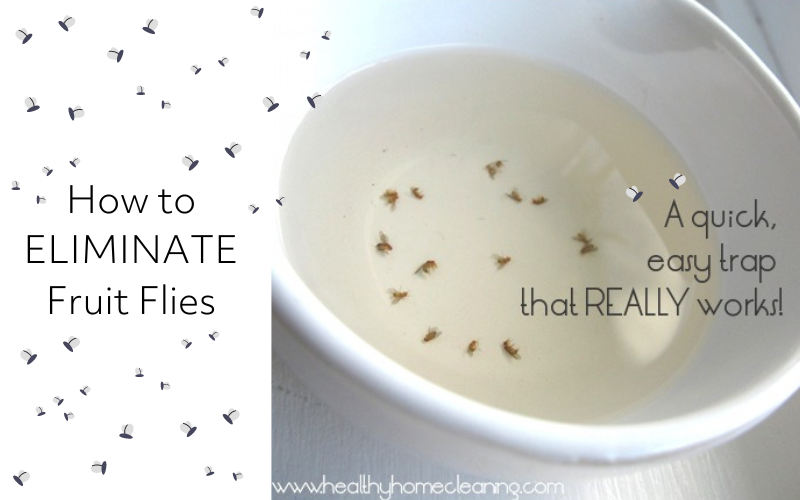
Image Source: healthyhomecleaning.com
The Main Types of Flies You Find in Kitchens
Not all kitchen flies are the same. Knowing which one you have helps you fight it better.
- House Flies (The common, larger ones): They land everywhere. They breed in garbage and decaying matter.
- Fruit Flies (Tiny, often near fruit bowls): They love sweet, fermenting liquids. They multiply very fast.
- Drain Flies (Fuzzy, moth-like, near sinks): They live in the slimy gunk inside drains.
Immediate Action: Getting Rid of Existing Flies
When you need to get rid of flies right now, you need fast-acting methods. These focus on trapping and killing the pests already flying around.
Fast-Acting DIY Fly Traps for Kitchen
You do not need fancy store-bought sprays to catch flies quickly. You can make very effective diy fly traps for kitchen using things you already own.
Simple Vinegar Traps for Fruit Flies
Fruit flies are easy to lure with fermentation smells. These traps work almost instantly for them.
- Apple Cider Vinegar Power: Pour an inch of apple cider vinegar into a small jar.
- Add Soap: Put three drops of dish soap in the vinegar. The soap breaks the surface tension. Flies go in but cannot fly out.
- Cover and Poke: Cover the top tightly with plastic wrap. Poke a few tiny holes in the top using a toothpick.
For larger flies, a variation works even better. Use a bit of old, overly ripe fruit instead of just vinegar. This is one of the most popular homemade fruit fly traps.
The Paper Cone Trap
This trap works well for house flies.
- Take a glass jar.
- Place bait inside. Sweet juice, a piece of raw meat (for house flies), or old fruit work well.
- Roll a piece of paper into a cone shape. The small opening should point down into the jar, but not touch the bait.
- Tape the cone to the rim of the jar. Flies fly in through the wide opening and get trapped by the narrow exit point.
Quick Kill Methods: Non-Toxic Ways to Kill Flies
If you see a fly buzzing, you need a direct solution. Look for non-toxic ways to kill flies that keep your food prep areas safe.
Rubbing Alcohol Spray
A spray bottle filled with plain rubbing alcohol (isopropyl alcohol) is a great emergency tool.
- Spray directly onto a fly. Alcohol dissolves the waxy coating on the fly’s body, causing it to drop quickly.
- It evaporates fast and leaves no harmful residue behind.
Fly Swatters and Electric Racquets
Sometimes the oldest methods are the fastest. A good manual fly swatter works for single targets. Electric fly swatters use a small battery-powered charge to zap flies on contact. They are quick and satisfyingly effective for individual pests.
Targeting Specific Pest Problems
Different flies need different approaches. Focus your efforts where the pest is thriving.
Eradicating Drain Flies: The Slimy Secret
If you constantly see small, fuzzy flies hovering near your sink or shower, you have drain flies. To get rid of drain flies completely, you must clean the breeding ground.
Deciphering Drain Fly Breeding
Drain flies do not breed in water. They breed in the moist, slimy biofilm (the gunk) that sticks to the inside of your pipes.
The Best Way to Eliminate Drain Flies
Store-bought chemical cleaners can be harsh. Try these methods first:
- Boiling Water Flush: Pour several pots of boiling water down the drain, especially before bed when the drain won’t be used for hours. Do this for several nights in a row.
- Baking Soda and Vinegar: Pour half a cup of baking soda down the drain. Follow it quickly with one cup of white vinegar. Let it foam and sit for 30 minutes. Finish by flushing with hot water. This combination physically scrubs the slime.
- Enzymatic Drain Cleaner: For tough jobs, use a commercial drain cleaner that contains live enzymes or bacteria. These products eat away the organic matter where the flies lay eggs, offering a long-term solution.
Dealing with Gnats in the Kitchen
Get rid of gnats in kitchen areas often means looking at damp spots or stored items. Gnats are often fungus gnats or fruit flies, but sometimes they cluster around houseplants or damp sponges.
- Check all houseplants for overly wet soil. Allow the top inch of soil to dry completely between waterings.
- Replace old sponges or mop heads that stay damp.
Natural Fly Repellents for Lasting Defense
Once the initial invasion is handled, switch to defense. Natural fly repellents kitchen areas rely on strong scents that flies hate but humans tolerate well.
Using Essential Oils for Repelling Flies
Many strong essential oils for repelling flies can be used safely around food areas when properly diffused or applied to surfaces away from direct food contact.
| Essential Oil | Primary Target | Application Method |
|---|---|---|
| Peppermint | General Flies, Ants | Diffuse in an oil diffuser or mix with water for wiping counters. |
| Clove | House Flies | Place a few drops on cotton balls and set them near windows or doors. |
| Lavender | Moths, Flies | Spray a diluted solution around window screens. |
| Lemongrass | Mosquitoes, Flies | Ideal for outdoor kitchen areas or windowsills. |
Caution: Never use essential oils directly on food preparation surfaces without diluting them heavily or using them only in a diffuser.
Herb Defense: Planting and Placing
Flies detest the smell of certain common herbs.
- Basil: Keep a pot of fresh basil near your kitchen door or window. Its strong scent acts as a barrier.
- Mint: Similar to basil, mint is a potent blocker.
- Bay Leaves: Place dried bay leaves in your trash can or near fruit bowls. Flies generally avoid them.
These provide great natural fly repellents kitchen scent barriers.
Prevention: How to Keep Flies Out of Kitchen Naturally
The most effective long-term strategy is preventing flies from entering kitchen in the first place. This means eliminating their food sources and access points.
Absolute Cleanliness: Starving Them Out
Flies need food and water to survive and multiply. Remove these, and you stop the cycle.
Managing Trash Effectively
The kitchen trash can is Fly Central.
- Use Tight Lids: Ensure your indoor trash can has a lid that seals well.
- Take it Out Often: Do not let trash sit for days, especially if it contains meat scraps or fruit peels. Take it out every evening.
- Clean the Can: Once a week, empty the can, spray the inside with a diluted bleach solution or vinegar, and rinse thoroughly. Let it dry completely.
Sink and Counter Vigilance
- Wipe Spills Immediately: Even a drop of juice or soda can attract fruit flies. Wipe down counters after every meal prep.
- Rinse Recycling: Rinse bottles and cans before putting them in the recycling bin. Sticky residue is a major attractant.
- Keep Fruit Covered: Store ripe fruit in the refrigerator or under a screen dome. How to keep flies out of kitchen naturally often starts here.
Sealing Entry Points
Flies find tiny ways in. You must seal them up.
- Check Screens: Inspect all window and door screens for rips or holes. Patch even small tears immediately.
- Door Discipline: Make a habit of closing the door quickly when entering or exiting. If you entertain outside, use screens on porches.
- Vent Covers: Ensure exhaust fan covers are securely fastened and undamaged.
Advanced Tactics for Tough Infestations
If simple traps and cleaning aren’t enough, you may need more strategic approaches to dealing with eliminating house flies in the kitchen.
The Power of UV Light Traps
If you have a persistent problem, especially with house flies, consider a UV light trap. These devices use ultraviolet light to attract flies and then trap them on a sticky board or electrocute them. Place them away from the primary food prep area to draw flies away from where you cook and eat.
Understanding Fly Life Cycles
To truly win, you must break their breeding cycle. Flies reproduce rapidly. A single female house fly can lay hundreds of eggs. These hatch into larvae (maggots) in less than a day in warm weather, and develop into adults in about a week.
- Consistency is Key: If you clean a breeding spot but miss a few eggs, the problem returns within days. This is why consistent cleaning of drains and trash is critical.
When to Call a Professional
If you have tried all the above methods consistently for two weeks and still see high numbers of flies, you might have a hidden source. This could be:
- A dead rodent inside a wall.
- Severe mold or moisture issues behind cabinets.
- A major plumbing blockage that is inaccessible.
In these rare cases, pest control professionals can use specialized equipment to locate and treat the source.
Readability Focus Section
We have kept the sentences short and the words simple for easy reading. We use direct steps rather than complex explanations. This makes the advice easy to follow, even when you are stressed about a fly invasion.
Simple Check List for Quick Results:
- Empty the trash now.
- Mix vinegar and soap for a trap.
- Pour boiling water down the drain.
- Wipe all sticky spots on counters.
- Close the door fast.
This direct style helps ensure everyone can quickly grasp the steps needed to reclaim their kitchen space.
Frequently Asked Questions (FAQ)
What attracts flies to my kitchen most often?
Flies are mainly attracted by fermenting sugars, decaying organic matter, and moisture. This includes uncovered ripe fruit, dirty dishes left in the sink, crumbs left on counters, and moist sludge inside drains.
Can I use bug spray safely near food?
It is best to avoid using chemical bug sprays near where you prepare or store food. Use non-toxic ways to kill flies like vinegar traps, alcohol spray, or natural essential oils near food areas. Always ventilate well if you use any pesticide indoors.
Why are the flies only coming from my sink drain?
If you only see small, fuzzy flies near the sink, these are drain flies. They live in the organic slime coating the inside of the pipes. You must physically or chemically dissolve this slime to stop them. Boiling water or enzymatic cleaners are the best solutions for this.
How fast can fruit flies multiply?
Fruit flies have a very fast life cycle, especially in warm kitchens. They can go from egg to adult in about 8 to 10 days. This means a small problem can explode into a large infestation very quickly if not addressed immediately with traps and source removal.
Are essential oils really effective against flies?
Yes, many essential oils for repelling flies work well because flies have a very sensitive sense of smell. Oils like peppermint, clove, and lemongrass contain strong compounds that overwhelm their senses, making the area undesirable for them to land or linger.