
Can I hide a washer and dryer in a kitchen? Yes, you absolutely can hide a washer and dryer in a kitchen. Many homeowners choose this option when they lack a dedicated laundry room, especially in smaller homes or apartments. Integrating laundry appliances into the kitchen offers a clever way to use existing space efficiently and maintain a clean aesthetic.
This guide will walk you through everything you need to know to successfully integrate your laundry units into your cooking area. We look at design choices, installation tips, and how to keep things neat and tidy. This process often involves creating a laundry closet kitchen or utilizing space-saving laundry solutions kitchen.
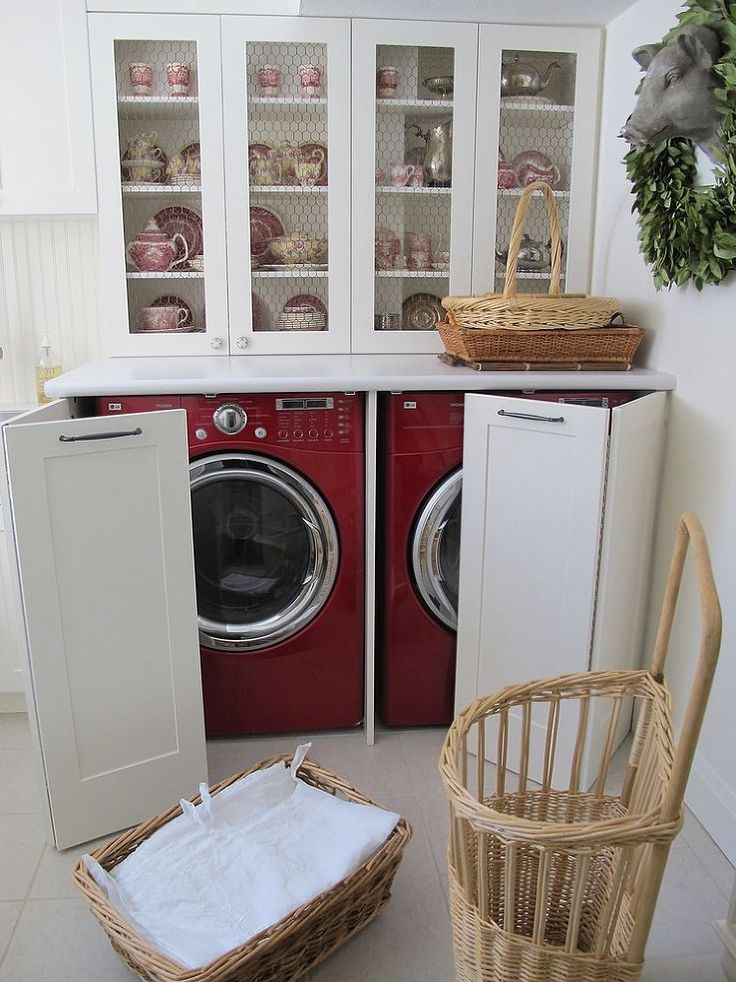
Image Source: cdn.decoist.com
Why Choose the Kitchen for Laundry?
Putting your washer and dryer in the kitchen is often a practical necessity. If you live in a city apartment or a compact home, space is a big issue. The kitchen usually has the necessary plumbing and electrical hookups already available. This saves money and hassle compared to running new lines elsewhere.
This setup is perfect for achieving a hidden laundry space kitchen. You want your kitchen to look nice for cooking and eating, not like a utility room.
Deciphering Appliance Choices for Kitchen Integration
The size and type of laundry machines you pick greatly affect how easily you can hide them. Not all washers and dryers fit well into standard cabinetry.
Compact and Slimline Units
When space is tight, standard full-sized units rarely work. You need to look for smaller options.
- Under Counter Washer Dryer Kitchen: These models are designed to fit beneath standard countertop heights (usually around 34 inches tall). They are often called “apartment-sized” or “compact” units.
- Ventless Dryers: Many compact units use condensation drying rather than needing an external vent. This is a huge plus for hidden installations, as venting can be tricky inside kitchen cabinets.
All-in-One Washer Dryer Combos
These machines wash and dry clothes in one drum. They save significant floor space. They are often narrower and shallower than standard stacked units. They are fantastic for a cabinet laundry pair.
| Appliance Type | Typical Width (Inches) | Best For | Key Benefit |
|---|---|---|---|
| Standard Stacked | 27-30 | Larger Kitchens | Higher capacity |
| Compact Pair | 24 | Standard Cabinets | Easier to conceal |
| Combo Unit | 24 | Very Small Spaces | Single appliance footprint |
Installation Considerations: Plumbing and Power
The success of your discreet appliance installation kitchen depends heavily on utilities. You must have water supply, drainage, and electrical power ready.
Water Supply and Drainage
The kitchen sink plumbing offers a convenient source for hot and cold water lines.
- Tee Connections: Plumbers use tee fittings to tap into the existing hot and cold water lines under the sink.
- Drainage: The drain hose needs to empty into the sink drain pipe or the garbage disposal connection. Ensure the drain hose is secured properly to prevent leaks onto the kitchen floor. Always install a drip pan underneath the units just in case of failure.
Electrical Requirements
Washers and dryers require dedicated outlets. Most modern dryers need a 240-volt outlet, while washers often use a standard 120-volt outlet.
- Check Local Codes: Always check your local building codes. In some areas, running new, dedicated circuits for laundry appliances within kitchen cabinetry might require an electrician’s sign-off.
- Dedicated Circuits: To prevent tripping breakers, ensure the washer and dryer do not share a circuit with heavy-duty kitchen appliances like a microwave or dishwasher.
Designing the Perfect Kitchen Laundry Enclosure
The goal is camouflage. You want your laundry setup to blend seamlessly into your kitchen decor. This is where smart design choices come into play for your kitchen renovation laundry integration.
Concealing Washer and Dryer in Cabinetry
The most popular method is building custom cabinetry around the units. This makes them look like regular pantry cupboards.
1. Fully Integrated Look
This method uses cabinet doors that open to reveal the appliances.
- Door Style: Use doors that match your existing kitchen cabinets exactly. This is crucial for the seamless look.
- Hardware: Use standard cabinet handles or pulls. No special hardware should suggest laundry inside.
- Ventilation: This is critical. Appliances generate heat and moisture. You must ensure there is airflow. Leave gaps at the top and back, or build in subtle ventilation slats near the toe kick area.
2. The Pull-Out Drawer System
For very tight spaces, some people opt for specialized drawer slides.
- The entire unit (or just the dryer) sits on heavy-duty slides.
- You pull the entire unit out slightly to load or unload.
- This is less common but works well for under counter washer dryer kitchen setups where you need easy access without swinging open large doors.
Creating a Dedicated Laundry Closet Kitchen
If you have a slightly larger area, a dedicated closet works best. This is ideal if you need space for supplies too.
- Depth: A standard pantry depth (12-15 inches) is too shallow for most machines. You typically need at least 30-34 inches of depth.
- Door Choice: Bi-fold or pocket doors work well here. They don’t swing out into the main kitchen walkway when open. Pocket doors disappear completely into the wall, offering the best concealment.
- Storage: Use the space above the machines for detergent and supplies. Install shelving that looks like standard kitchen pantry shelving.
Aesthetics and Sound Dampening
A major drawback of kitchen laundry is the noise. Kitchens are high-traffic areas, often right next to dining spaces.
Sound Control Strategies
- Appliance Quality: Invest in high-quality, vibration-reducing machines if possible. Look for “Quiet” or “Vibration Reduction” features listed by the manufacturer.
- Isolation Pads: Place rubber or specialized anti-vibration pads underneath the machines. This stops vibrations from transferring to the floor and cabinets.
- Cabinet Insulation: Line the inside walls of the kitchen laundry enclosure with acoustic dampening material. Products designed for home theaters or car audio installation work well. Use materials that resist moisture, like mass-loaded vinyl (MLV).
Finishing Touches for Concealment
When planning your custom laundry cabinet for kitchen, think about the details:
- Countertop Integration: If the appliances sit under a counter, use the same countertop material (quartz, granite, etc.) that you used elsewhere in the kitchen. This makes the area look unified.
- Backsplashes: If the laundry area is exposed when the doors are open, ensure the backsplash material inside matches the main kitchen backsplash.
Planning Your Kitchen Renovation for Laundry Integration
If you are remodeling, integrating the laundry should be part of the initial layout discussions. Trying to squeeze it in later is much harder.
Layout Strategies
Where you place the machines impacts workflow:
- Near the Back Door/Mudroom Entrance: If your kitchen connects to an exterior door, this might be logical for bringing in dirty clothes.
- Away from Primary Prep Zones: Place the laundry units away from the main cooking and sink areas. This keeps noise and humidity away from where you prepare food.
Working with Professionals
For a successful integration, collaboration is key.
- Cabinet Maker: They need the exact specifications (width, depth, required clearance) of your chosen cabinet laundry pair before building the units.
- Plumber/Electrician: They must ensure the connections meet safety codes for an area where food is handled. Discuss venting and outlet placement early on.
Key Dimensions Checklist for Cabinet Makers
| Component | Required Clearance (Minimum) | Notes |
|---|---|---|
| Machine Width | Machine width + 1 inch total | Allows for easy sliding in/out. |
| Machine Depth | Machine depth + 3-4 inches total | Accounts for hoses, power cords, and ventilation space. |
| Door Opening | Door swing must fully clear machine fronts | Essential for easy loading/unloading. |
| Height | Standard counter height (34-36 inches) | If installing under counter washer dryer kitchen. |
Maintenance Access and Longevity
Even the best-hidden appliances need servicing. You need a plan for repairs.
Ensuring Easy Access
If you completely seal the unit behind custom panels, getting behind it for a repair can become a nightmare.
- Removable Panels: Consider making the back panel of the kitchen laundry enclosure removable, perhaps screwed in rather than glued.
- Service Loops: Ensure your plumber leaves a little extra slack (a service loop) in the water hoses, tucked neatly behind the machine, in case the unit needs to be pulled out slightly for repair.
Dealing with Humidity and Moisture
Kitchens are generally warm, but washers create steam.
- Exhaust Fan: Ensure the kitchen exhaust fan is robust. Run it during the entire drying cycle, even if the dryer is ventless.
- Water Alarm: Place a small, battery-operated water leak alarm underneath the machine inside the drip pan. It alerts you immediately if a hose bursts.
Maximizing Space: Beyond Just Hiding the Machines
When you dedicate prime kitchen real estate to laundry, you must maximize the utility of that area.
Storage Solutions Above and Around
Since you are using valuable cabinet space, the surrounding areas must pull double duty.
- Detergent Storage: Use dedicated pull-out trays or shallow drawers immediately above the washer/dryer area for supplies. Keep these organized with dividers.
- Folding Area: If possible, ensure the counter space above the units is clear. This counter can then serve as a temporary folding station.
Alternative Hiding Spots
If a full cabinet integration is too complex, consider these other space-saving laundry solutions kitchen options:
- Appliance Garages: If you have a dedicated appliance garage (usually for toasters), you might adapt this for a very small, compact washer. This usually only works for single-load, portable washers.
- End of an Island: In large kitchens, a section of the island facing away from the main traffic flow can house a cabinet laundry pair. This usually requires significant structural modification to the island base.
Legal and Health Aspects of Kitchen Laundry
People often ask about the safety of having laundry appliances near food preparation areas.
Hygiene Concerns
While modern appliances are sealed, the concept of washing dirty clothes near where you cook makes some people uncomfortable.
- Physical Barrier: The solid cabinet doors act as a very effective physical barrier when closed.
- Cleaning Routine: Maintain an excellent cleaning routine for the exterior of the machines and the surrounding cabinetry. Wipe down counters frequently.
Building Codes and Permits
This is non-negotiable, especially if you are doing a full kitchen renovation laundry integration.
- Permits: Installing new plumbing and electrical connections almost always requires a permit. Unpermitted work can cause issues when selling your home or if an insurance claim arises from a leak.
- Appliance Rating: Ensure the appliances you install are approved for residential use and meet local safety standards.
Case Studies in Kitchen Laundry Integration
Seeing real-world examples helps visualize the possibilities for your hidden laundry space kitchen.
Case Study 1: The City Apartment Retrofit
A small urban condo lacked a utility closet. The owners chose a 24-inch wide combo unit. They built a simple, floor-to-ceiling cabinet unit next to the refrigerator. The doors match the shaker style of the rest of the kitchen. The only visible clue is a small, continuous line where the doors meet the machine’s control panel, easily hidden by strategic placement of a tall spice rack beside it. This is a prime example of a successful discreet appliance installation kitchen.
Case Study 2: The Large Farmhouse Remodel
In a large kitchen, the owners wanted the laundry accessible but unseen. They converted an existing deep pantry into a laundry closet kitchen. They used pocket doors that slide completely into the wall cavity. Above the stacked units, they installed pull-down shelving for storing linens and cleaning supplies, maximizing vertical space.
Comparing Concealment Methods
| Method | Pros | Cons | Best Used When… |
|---|---|---|---|
| Cabinet Doors | Looks fully integrated; easy access. | Requires machine width to fit standard cabinet frames. | You have standard 24-inch appliance space. |
| Pocket Doors | Doors disappear entirely; saves walkway space. | More complex installation; slightly reduced depth capacity. | Space saving in front of the unit is critical. |
| Appliance Drawers | Unique, modern look; good for very low under counter washer dryer kitchen. | Expensive hardware; heavy lifting required to pull out. | Aesthetics are a top priority and budget is high. |
Frequently Asked Questions (FAQ)
Q: Are compact washer and dryer units as effective as full-sized ones?
A: Compact units are very effective for smaller loads. They use less water and energy. However, their capacity is smaller, meaning you may need to run more cycles for a large family. They are perfect for singles or couples.
Q: How noisy are laundry units installed under the kitchen counter?
A: Noise levels vary greatly by model. Always check decibel (dB) ratings. Modern, high-end compact units can run as quietly as 50 dB during washing, which is similar to a quiet conversation. However, the spinning cycle will always be louder. Good insulation within the kitchen laundry enclosure is essential.
Q: Do I need a vent for a ventless dryer in the kitchen?
A: Condenser or heat pump dryers (the most common ventless types) do not require an exterior vent. They collect moisture in a tank or drain it directly into the sink plumbing. You must still ensure good general room ventilation, like running the kitchen hood fan.
Q: What is the best way to handle ventilation if I must use a vented dryer?
A: If you must use a standard vented dryer, you need to install a dedicated duct run. This usually involves running ductwork through an exterior wall or through soffits, often requiring specialized carpentry during your kitchen renovation laundry integration. This is the trickiest part of integrating vented units.
Q: Can I install a portable washer/dryer combo without major plumbing changes?
A: Portable units often use a quick-connect adapter that attaches directly to the kitchen faucet. They drain into the sink basin. While this avoids major plumbing installation, it is less concealed and requires you to connect and disconnect the unit for every use, defeating the purpose of a hidden laundry space kitchen.
This comprehensive guide should give you the knowledge needed to plan and execute the installation of a washer and dryer in your kitchen successfully, ensuring functionality without sacrificing style or open space.