
Yes, you can easily hook a new faucet sprayer hose in your kitchen sink. Most homeowners can complete this simple fix in under an hour with basic tools. This guide will walk you through every step needed to successfully connect faucet sprayer hose parts, whether you are installing a brand new sprayer or finishing a kitchen faucet sprayer hose repair.
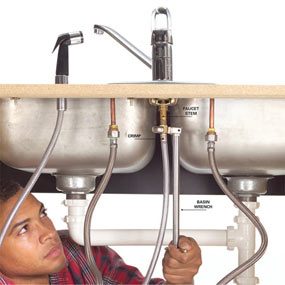
Image Source: images.tmbi.com
Why Replace Your Kitchen Faucet Sprayer Hose?
Your kitchen sprayer hose handles a lot of work. It moves often. It gets wet daily. Over time, the hose or its connections can fail. You might see slow leaks under the sink. Maybe the sprayer head doesn’t retract well. Or perhaps you are replacing an old sprayer with a new design, like when you attach pull-down faucet sprayer units. Fixing or replacing the hose keeps your sink area dry and working right. This guide helps you replace sink sprayer hose connection points easily.
Tools and Materials Needed
Gathering the right supplies first makes the job much faster. You don’t need many fancy tools for this task.
| Tool/Material | Purpose | Notes |
|---|---|---|
| New Sprayer Hose Kit | Replacement part | Ensure it fits your faucet model. |
| Bucket or Towels | Catching water | Essential for leaks under the sink. |
| Adjustable Wrench | Tightening nuts | Use carefully to avoid damage. |
| Pliers (Channel Lock) | Gripping stubborn parts | Helpful for older connections. |
| Flashlight or Headlamp | Seeing under the sink | It is usually dark down there! |
| Plumber’s Putty or Thread Tape (Teflon Tape) | Sealing kitchen sprayer hose connection | Used on threaded connections for a watertight seal. |
| Safety Glasses | Protecting eyes | Always good practice when working below. |
Step 1: Shut Off the Water Supply
Safety first! Before you touch any part of the plumbing, stop the water flow.
Locating the Shut-Off Valves
Look directly under the kitchen sink cabinet. You should see two small knobs or handles attached to the water lines leading to the faucet.
- Identify the Valves: One valve controls the hot water. The other controls the cold water.
- Turn Them Off: Turn both valves clockwise until they stop. They should feel snug. Do not overtighten them.
- Test the Faucet: Turn the kitchen faucet handles on (both hot and cold) above the sink. Only a small trickle or no water should come out. This confirms the water is off. Keep the faucet handles open so any trapped water drains out.
Step 2: Removing the Old Sprayer Hose
This part involves working in the tight space beneath your sink. Use your flashlight to see clearly.
Disconnecting the Hose at the Faucet Base
Modern faucets often have the hose connected up near the main faucet body under the sink deck. This is where the faucet sprayer hose coupling often sits.
- Find the Connection Point: Trace the sprayer hose up toward the faucet structure. You will find where the hose connects to the main faucet mechanism or the diverter valve faucet sprayer connection.
- Loosen the Nut: Use your adjustable wrench or pliers. Hold the main faucet pipe steady with one hand or a second wrench. Use the other wrench to turn the nut connecting the hose counter-clockwise. Be gentle. If it is stiff, apply steady pressure.
- Remove the Old Hose: Once the nut is loose, carefully pull the old hose down and away from the faucet assembly.
Handling the Sprayer Weight (If Applicable)
Many pull-out sprayers have a weight clipped onto the hose beneath the sink. This weight helps the sprayer head retract properly.
- Remove the Weight: Unclip or unscrew the weight from the old hose. You will need to install kitchen sink sprayer attachment parts correctly, so save this weight if you plan to reuse it on the new hose.
Step 3: Installing the New Sprayer Hose
Now it is time to put the new parts in place. This is crucial for a leak-free setup.
Attaching the Hose to the Faucet Body
If you are using a complete new sprayer unit, you may attach pull-down faucet sprayer components now, or if you are just replacing the hose, you focus on the connection point.
- Prepare the Threads: Look at the threaded connection point on the new hose and the faucet assembly. If you are using Teflon tape (thread tape), wrap it clockwise around the male threads 2 or 3 times. This helps seal the connection.
- Hand Tighten First: Align the new hose connector with the faucet connection point. Turn it clockwise by hand until it is snug.
- Wrench Tighten: Use your wrench to give the coupling a final turn, about a quarter to half a turn more. Do not overtighten. Overtightening can crack plastic fittings or damage threads. We are aiming for a firm, watertight fit.
Installing the Sprayer Weight (If Needed)
If your faucet requires a weight for retraction, attach it to the new hose now, before you secure the bottom connection.
- Positioning: Consult your faucet manual for the exact placement. Generally, the weight goes onto the slack part of the hose, leaving enough slack for the sprayer head to reach all corners of the sink, but ensuring it can pull back fully.
- Secure the Weight: Clip or screw the weight securely onto the hose line.
Connecting the Hose to the Water Supply Line
This connection joins the sprayer hose to the supply water line coming from the diverter valve faucet sprayer connection.
- Identify Lines: Locate the output line from the diverter valve (or the dedicated sprayer outlet on the faucet base). This is where the other end of the new hose attaches.
- Use the Correct Coupling: Some systems use quick-connect fittings. Others use threaded nuts. If yours uses threads, apply thread tape if required by the manufacturer.
- Secure the Connection: Align the new hose connection. Hand-tighten first. Then use your wrench for a final snug turn. This is a very common spot for leaks, so pay close attention to sealing kitchen sprayer hose connection points properly here.
Step 4: Fathoming the Diverter Valve Connection
The diverter valve is key to making the sprayer work. It directs water flow either to the main faucet spout or to the sprayer hose.
What is a Diverter Valve?
The diverter valve is a small part, often built into the faucet body under the sink, that shifts water pressure. When you pull the sprayer trigger, this valve changes the path of the water.
Checking the Hose Connection at the Diverter
If you are only doing a kitchen faucet sprayer hose repair on the flexible line itself, you must ensure the connection to the diverter is sound.
- Inspect the Old Connection: If you kept the old diverter connection point, check the seal. If you are using a new diverter (often supplied with new sprayers), ensure the seals or O-rings inside the new fitting are correctly seated.
- Attaching Flexible Sprayer Hose: When attaching flexible sprayer hose components, the natural bend of the hose should not cause undue stress on the connection points. Ensure the hose has a smooth, natural curve without sharp kinks.
Step 5: Testing and Final Adjustments
Never turn the water back on without checking that everything looks properly attached first.
Slowly Restoring Water Flow
This is the moment of truth for your replace sink sprayer hose connection job.
- Check All Connections: Look under the sink one last time. Are the wrenches put away? Are all nuts finger-tight plus a small turn?
- Turn Water Back On Slowly: Go back to the shut-off valves under the sink. Turn the hot and cold valves counter-clockwise very slowly. Listen for any immediate rushing water sounds that might indicate a huge leak.
- Inspect for Leaks: As the pressure builds in the lines, use your flashlight to watch every connection you just worked on. Look for drips or sprays of water. If you see a leak immediately, turn the water back off right away and tighten that specific fitting slightly more.
Testing Sprayer Function
Once you confirm no major leaks at the supply lines:
- Test the Faucet: Run the main faucet on hot and cold for a minute to clear the lines.
- Test the Sprayer: Pull the sprayer head out. Press the trigger. Water should flow strongly from the sprayer head.
- Check Retraction: Release the trigger and let the hose retract back into its resting spot. If it sticks, you might need to adjust the position of the sprayer weight. Proper weight placement is key to secure sprayer hose to faucet body operation.
If you notice a small drip around a threaded connection, try tightening it just a hair more while the water is running. Sometimes a slight adjustment under pressure seats the seal better.
Tips for Success When You Connect Faucet Sprayer Hose
Working under a sink can be cramped and frustrating. Keep these tips in mind to make the process smoother.
Dealing with Tough Connections
Older plumbing fittings often corrode or seize up.
- Use Penetrating Oil (Sparingly): For metal connections that won’t budge, a small spray of penetrating oil can help loosen rust. Wipe it off completely before turning the water back on.
- Heat Application: For very stubborn metal nuts, gently warming the nut (not the pipe) with a hairdryer can cause it to expand slightly, making it easier to turn. Use caution with plastic parts, as heat will melt them.
Ensuring Proper Hose Alignment
The path the hose takes matters for longevity.
- Avoid Sharp Bends: When attaching flexible sprayer hose, ensure it doesn’t rub harshly against sharp cabinet edges or plumbing pipes underneath the sink. Constant friction will wear out the hose material.
- Proper Slack: Too little slack means the sprayer won’t reach the corners. Too much slack means the sprayer weight might not pull it back far enough, or the hose might tangle. Aim for smooth movement when installing kitchen sink sprayer attachment components.
Material Matters
When you replace sink sprayer hose connection parts, always match the material if possible. Metal fittings are more durable than plastic, but plastic is lighter. Always follow the manufacturer’s guidance on whether to use thread tape or plumber’s putty for specific couplings. For most modern faucets, Teflon tape is the standard for sealing kitchen sprayer hose connection points on threaded pipes.
Advanced Troubleshooting: When Leaks Persist
If you have followed all steps and still see drips, the issue is likely with the seal, not the connection tightness.
The O-Ring Check
Many connections rely on small rubber O-rings or gaskets for sealing, rather than just the threads.
- Check O-Ring Placement: Take the connection apart again. Look for a small black rubber ring inside the coupling nut.
- Inspect for Damage: If the O-ring is cracked, flattened, or missing, it cannot seal. If it looks damaged, replace it. Even if it looks fine, sometimes lightly coating a good O-ring with silicone grease can help it seat better and seal perfectly.
Diverter Valve Issues
If the leak only occurs when the sprayer is activated, the problem might be the diverter valve faucet sprayer connection mechanism itself, not the hose you just attached.
- If you have an older faucet and the leak is coming from the diverter body, it might be time to replace the entire diverter unit, or possibly the entire faucet assembly if the diverter is not separately replaceable.
Too Much Force
If you used too much force while tightening, you might have cracked a plastic housing or over-compressed a plastic fitting. If a plastic part is cracked, it must be replaced. No amount of tightening will fix a structural break.
Summary of Secure Sprayer Hose to Faucet Body Steps
To ensure a long-lasting fix, remember these core actions:
- Turn off the water.
- Disconnect the old hose assembly carefully.
- Apply thread tape to new threads if required.
- Hand-tighten all couplings before wrenching them down.
- Use only gentle force to tighten; avoid stripping threads.
- Reinstall the sprayer weight correctly for good retraction.
- Turn water on slowly and check every joint for leaks.
Successfully finishing your kitchen faucet sprayer hose repair means you have mastered several basic plumbing skills. Being able to connect faucet sprayer hose parts reliably saves you a call to the plumber for a common household fix.
Frequently Asked Questions (FAQ)
Q: Can I reuse the old sprayer hose if it looks okay?
A: It is generally not recommended. Old hoses become brittle and are the most likely cause of future leaks. If you are replacing fittings, use a new hose to ensure all seals match and fit tightly.
Q: What if my new hose doesn’t have threads but uses a quick-connect fitting?
A: Quick-connect fittings require you to push the hose in firmly until you hear or feel a definite click. To disconnect, you usually have to press a small locking tab or collar on the fitting while pulling the hose away. Make sure the connection is fully seated for proper water flow.
Q: How tight should I make the connection using the wrench?
A: For most faucet connections, hand-tightening plus about a quarter to a half turn with the wrench is enough. If it’s a metal-to-metal connection, be firm but stop before you feel serious resistance. If you crush plastic fittings, they will leak or break.
Q: My sprayer head won’t retract fully after I attach pull-down faucet sprayer parts. What is wrong?
A: This is almost always due to the counterweight. Check that the weight is installed on the hose line underneath the sink. If it is installed, it might be too high or too low. Try moving the weight an inch or two up or down the hose until the sprayer retracts smoothly on its own.
Q: Do I need plumber’s putty or Teflon tape for sealing kitchen sprayer hose connection?
A: Teflon tape (thread tape) is used on threaded pipe connections to aid sealing. Plumber’s putty is usually reserved for seating sink drains or escutcheons (decorative plates). For hose connections, rely on the rubber O-rings and proper tightening, using Teflon tape only if the threads are metal and designed for it, as specified by your faucet manual.