
What are the best ways to organize a small kitchen? The best ways involve smart decluttering, using vertical space, and choosing multi-functional items to maximize every inch of your limited area.
Running out of room in your kitchen is a common problem. Small kitchens can feel cramped quickly. But don’t worry! With the right plans, you can make even the tiniest kitchen work well. This guide gives you clear steps and clever ideas for small kitchen storage solutions. We focus on making your space work harder for you.
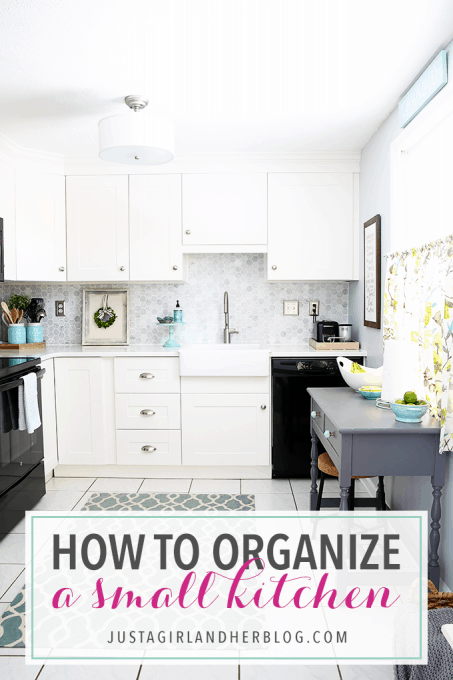
Image Source: justagirlandherblog.com
Decluttering: The Essential First Step
Before buying any new organizing tools, you must clear out what you do not need. Decluttering a small kitchen is vital. Less stuff means more space for things you actually use.
Removing Unnecessary Items
Be strict when looking at your items. Think about when you last used each thing.
- Expired Food: Check all food in the pantry and fridge. Toss anything past its date.
- Duplicate Tools: Do you need three spatulas? Keep the best one or two.
- Single-Use Gadgets: If a gadget only does one job and you rarely use it, it might need to go. Be honest about novelty items.
- Mismatched Containers: Get rid of plastic lids without matching bottoms, or containers that won’t close right.
The One-Year Rule
If you have not used an item in one year, it is likely clutter. This applies to specialty bakeware or rarely used appliances. If you keep it, find it a specific home. If not, donate or toss it.
Maximizing Counter Space: Making Room to Work
The kitchen counter is prime real estate. In a small space, maximizing counter space feels like finding a hidden room. You need clear surfaces for prepping food.
Wall Mount Everything Possible
Look up! Walls are your best friend when counters are small.
- Magnetic Knife Strips: These free up an entire knife block taking up space. They keep knives safe and within easy reach.
- Hanging Pot Racks: If you have the ceiling height, a hanging rack removes heavy pots and pans from lower cabinets.
- Spice Racks on Walls: Small wall-mounted racks keep spices visible and off the counter.
Small Appliance Strategy
Large appliances eat up counter space fast. Store them away if you do not use them daily.
- The Daily Three: Only keep items used every day on the counter (e.g., coffee maker, maybe a toaster).
- Appliance Garage: If possible, designate a low cabinet or deep drawer for items like blenders or mixers.
- Slim Profiles: When replacing appliances, choose the slimmest model that fits your needs.
Utilizing Rolling Carts
A narrow rolling cart is a game-changer. It offers extra prep space when needed and can be rolled out of the way later. It can also act as a mobile coffee station.
Vertical Storage for Small Kitchens: Going Up
When you cannot build out, you must build up. Vertical storage for small kitchens turns unused air space into functional storage.
Shelving Above Cabinets
Look at the space between the top of your cabinets and the ceiling. If there is a gap, use it.
- Store seldom-used items here.
- Use attractive, matching baskets to keep things neat and dust-free. Label the baskets clearly.
Tiered Shelving Inserts
Cabinets often have too much open air above items. Use shelf risers or tiered shelves inside cabinets.
- Mugs and Glasses: Stack them neatly using wire risers.
- Plates: Use plate racks vertically so you don’t have to unstack a whole pile to get the bottom plate.
Hanging Organizers
Look for organizers that hang from shelves or hang on the inside of cabinet doors. These use thin, often wasted space.
Types of Vertical Organizers
| Organizer Type | Best For | Where to Place |
|---|---|---|
| Over-the-Door Shoe Organizer (Clear Pockets) | Small spice jars, cleaning supplies | Inside pantry or utility cabinet doors |
| Tension Rods | Holding spray bottles upright | Under the sink |
| S-Hooks on Pegboard | Measuring cups, small pans | Back of pantry door or empty wall space |
Cabinet Organization: Making Every Shelf Count
Small kitchen cabinet organization needs careful planning. Cabinets can quickly become black holes of misplaced items.
The Magic of Pegboards
A pegboard system is incredibly flexible. You can move pegs and hooks around as your needs change. Install a pegboard on an empty wall or the inside of a deep pantry door. You can hang small racks, hooks for utensils, or even small shelves.
Using Lazy Susans (Turntables)
Lazy Susans excel in corners or deep cabinets where items get lost in the back.
- Spices and Oils: Place these on a small turntable in a corner cabinet. Spin to find what you need.
- Baking Supplies: Keep extracts, food coloring, and small bottles together on one.
Organizing Deep Cabinets
Deep cabinets are difficult because you cannot reach the back. Fix this with pull-out systems.
- Roll-Out Drawers: Install wire or wood pull-out drawers. This brings the back items to the front easily.
- Stackable Bins: Use clear, sturdy bins that you can slide out one by one.
Drawer Management: Keeping Things Tidy Inside
Drawers get messy fast. Good tools keep small items from migrating. Drawer dividers for small kitchens are essential for containment.
Customizing Drawer Space
Do not buy generic dividers if you can avoid it. Measure your drawers precisely.
- Utensil Trays: Choose trays that fit the drawer depth perfectly. Look for expandable bamboo or plastic trays.
- Knife Blocks in Drawers: If you want knives off the counter, use a specialized in-drawer knife block. This keeps blades safely tucked away.
- Wrap Storage: Keep foil, plastic wrap, and parchment paper organized using upright slots inside a deep drawer.
The Vertical Stack in Drawers
For linens or cutting boards, store them vertically instead of horizontally. Use tension rods or narrow dividers to keep them standing up. This allows you to grab one item without disturbing the stack.
Pantry Organization for Small Spaces: Smart Food Storage
If you have a small pantry or only a small section of a cabinet for food, careful pantry organization for small spaces is key. Visibility saves food and money.
Decanting Dry Goods
Move bulk items like flour, sugar, pasta, and cereal into clear, airtight containers.
- Benefits: They look uniform, stack better, and you can see how much you have left instantly.
- Shape Matters: Choose square or rectangular containers over round ones. Square shapes fit together tightly without wasted air space.
Zoning Your Pantry
Group like items together. Label the shelves clearly.
- Baking Zone: Flours, sugars, sprinkles, chocolate chips.
- Breakfast Zone: Cereals, oatmeal, pancake mix.
- Snack Zone: Granola bars, crackers, dried fruit.
Utilizing the Door
The back of the pantry door is prime storage space. Use narrow wire baskets or over-the-door racks here for lightweight items like spice packets, small jars, or seasoning blends.
Small Kitchen Cabinet Organization: Focusing on Cookware
Cookware takes up the most space. Organizing it efficiently is critical for an efficient use of small kitchen space.
Nesting and Stacking Strategically
- Nesting Bowls and Measuring Cups: Always buy sets that nest perfectly inside each other.
- Pot Lids: Lids are the biggest problem. Use a tiered lid organizer placed inside a cabinet door or standing vertically inside a cabinet.
Pot and Pan Organization Hacks
- Vertical Racks: Install a U-shaped or wire rack inside a lower cabinet. Slide pots and pans in vertically, like files in a cabinet. This prevents heavy stacking and chipping.
- Hang Skillets: If you have an exposed cabinet side or a pantry wall, use heavy-duty hooks to hang skillets by their handles.
Under-Sink Organization Small Kitchen: Taming the Clutter
The area under the sink often becomes a dumping ground for cleaners and sponges. Under-sink organization small kitchen requires using the odd shape around the plumbing.
Customizing for Pipes
Standard shelf units rarely fit under the sink because of the pipes.
- U-Shaped Shelves: Look for shelving units designed with cut-outs to fit around the drain pipe.
- Tiered Drawers: Some pull-out systems are specifically made with a U-shape to work around plumbing, maximizing the space left.
Cleaning Product Storage
Group all cleaning supplies onto a single shelf or tray that can be pulled out completely. This lets you grab the whole batch at once. Use tension rods placed across the cabinet width to hang spray bottles by their triggers, freeing up the floor space below.
Tiny Kitchen Organization Hacks: Creative Solutions
Sometimes, you need ideas that are outside the box. These tiny kitchen organization hacks use creative solutions for maximum impact.
Using the Sides of Cabinets
The narrow side panel of a kitchen island or the side of a standard cabinet, usually ignored, can be useful.
- Attach Thin Shelves: Screw a narrow shelf unit onto the side panel for cookbooks or mail.
- Use Hooks: Attach adhesive hooks to hold dish towels or oven mitts.
Magnetic Accessories
Magnets are your best friend in a small kitchen.
- Spice Tins on Fridge: Transfer spices into small metal tins and stick them to the side of the refrigerator.
- Magnetic Measuring Spoons: Attach these to the fridge or the side of a metal utensil holder.
Multi-Functional Furniture
When space is tight, every piece of furniture must pull double duty.
| Furniture Item | Primary Use | Secondary Use (Space Saver) |
|---|---|---|
| Kitchen Cart/Island | Prep space | Storage (shelves/drawers below) |
| Dining Table | Eating | Temporary staging area for large batches |
| Step Stool | Reaching high shelves | Extra, temporary seating |
Efficient Use of Small Kitchen Space: Maintenance
Organization is not a one-time event. To maintain an efficient use of small kitchen space, you need simple systems that stick.
The “One In, One Out” Rule
If you buy a new gadget, an old one must leave. This prevents clutter buildup immediately. This is especially helpful for mugs, containers, and tools.
Daily Reset
Spend five minutes at the end of the day putting everything back in its designated spot. Wiping counters clear and putting utensils away makes the next morning much smoother.
Label Everything
If you use bins or opaque containers, label them clearly. This stops family members from opening five containers looking for the sugar. Clear labels save time and reduce rummaging, which creates mess.
Summary of Top Space Saving Hacks
| Area | Best Hack for Small Kitchens |
|---|---|
| Counters | Wall-mount knives and magnetic strips. |
| Cabinets | Use pull-out drawers and tiered shelving inserts. |
| Vertical Space | Install shelves above cabinets or use pegboards. |
| Drawers | Use expandable dividers for tailored organization. |
| Pantry | Decant dry goods into uniform, stackable containers. |
| Under Sink | Utilize U-shaped shelves and tension rods for hanging. |
By adopting these methods—focusing on decluttering, thinking vertically, and using specialized organizers—you can transform a cramped kitchen into a highly functional and pleasant cooking space.
Frequently Asked Questions (FAQ)
Q1: How can I store large pots and pans in a small kitchen?
You can store large pots and pans by utilizing vertical racks installed inside lower cabinets. These racks allow you to slide pots in sideways, like files, instead of stacking them. If you have wall space, hanging them from strong hooks is also very effective. Always look into nesting sets when buying new cookware, as they save substantial space.
Q2: Are open shelves better than cabinets in a tiny kitchen?
Open shelves can make a tiny kitchen look larger because they don’t have bulky doors breaking up the sightline. However, they require more maintenance. Everything must look neat. For efficiency, use open shelves for frequently used, attractive items (like matching white dishes). For messy items or lesser-used tools, enclosed cabinets or attractive, labeled bins on shelves are better for hiding visual clutter.
Q3: What should I do with plastic food containers that have lost their lids?
If a plastic container has lost its lid, or the lid has no matching container, it contributes to clutter. Immediately dispose of the mismatched piece. To organize the ones you keep, use a narrow, upright file holder on a shelf or inside a drawer. Store the containers upright, and slide the matching lids next to them, or use a lid rack attached to the inside of a cabinet door.
Q4: Can I use the top of my refrigerator for storage?
Yes, the top of the refrigerator is excellent for items you access infrequently. Because it is high, it is not ideal for daily use. Use this space for bulk paper goods (like extra paper towels) or seasonal serving platters. Always place these items in sturdy, labeled containers to keep dust out and maintain a tidy appearance.