
Can I install kitchen tiles myself? Yes, you absolutely can install kitchen tiles yourself. Putting tiles in your kitchen, whether on the floor or the walls, is a rewarding DIY project. This comprehensive guide walks you through every step. We will cover everything from planning to the final sealant. This makes installing your new kitchen surfaces simple and successful.
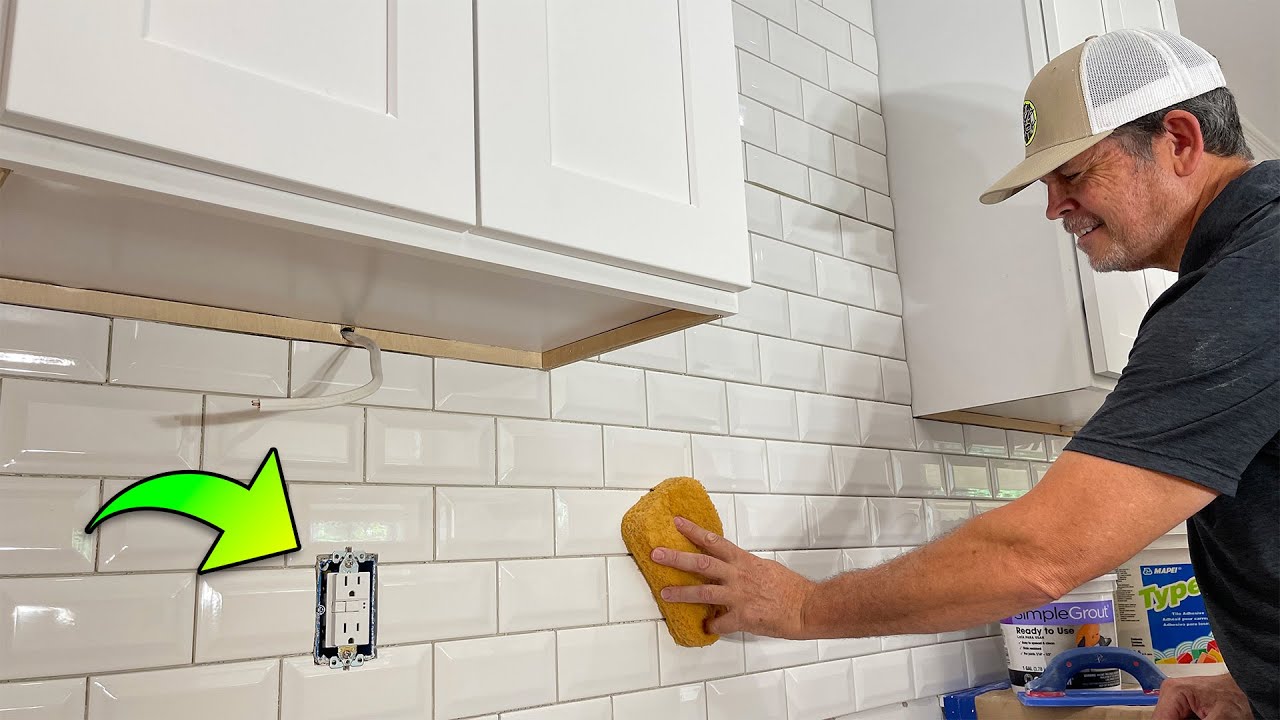
Image Source: i.ytimg.com
Getting Ready: Planning Your Tiling Project
Good preparation is key to perfect tiling. Do not rush this stage. Proper planning saves time and money later. You need to decide where the tiles go. Will you tackle the whole kitchen floor or just put up installing kitchen backsplash tiles?
Choosing Your Kitchen Tiles
Tiles come in many materials. Ceramic and porcelain are popular choices for kitchens. They resist water well. Stone tiles look great but need more care.
Consider the look and feel. Tiles should match your kitchen style. Think about foot traffic. A busy kitchen needs strong, durable tiles.
Figuring Out Your Kitchen Tile Layout Patterns
How will your tiles look on the surface? This is your tile layout pattern. A simple grid layout is easy for beginners. Diagonal patterns look fancy but waste more tile material.
- Grid Layout: Tiles meet at 90-degree angles. It is the fastest way to lay tiles.
- Running Bond (Offset): Like bricks. Good for rectangular tiles.
- Diagonal Layout: Tiles run at 45 degrees to the walls. Looks complex but hides flaws well.
Always lay out a few rows dry first. This helps you see the final look. It also shows you where tricky cuts will happen.
Gathering the Right Tools for Tiling a Kitchen
To succeed, you need the right gear. Having all the tools for tiling a kitchen ready makes the job smooth.
| Tool Category | Essential Tools | Purpose |
|---|---|---|
| Surface Prep | Stiff brush, vacuum, level, scraper | Cleaning and checking the surface flatness. |
| Measuring & Marking | Tape measure, chalk line, pencil | Accurate layout and marking cuts. |
| Mixing & Spreading | Buckets, trowel (notched), mixing drill paddle | Mixing adhesive and spreading it evenly. |
| Cutting Tiles | Wet tile saw (best), snap cutter, tile nippers | Making straight, curved, and outlet cuts. |
| Setting & Finishing | Tile spacers, rubber grout float, sponge, clean cloths | Keeping joints even and applying grout. |
A wet tile saw is a great investment. It makes clean cuts, especially for hard tiles like porcelain.
Preparing Subfloor for Kitchen Tiles
This is perhaps the most vital step. A weak base leads to cracked tiles. Poor preparing subfloor for kitchen tiles is the main reason tiles fail. The subfloor must be clean, dry, and very strong.
Cleaning the Surface Thoroughly
For floors, remove all old flooring, glue, and debris. Sweep and vacuum often. The surface must be dust-free. Tile adhesive will not stick well to dust or grease.
Checking for Flatness
Tiles need a flat base. Use a long straight edge (like a level). Lay it across the surface in many directions. Gaps larger than 1/8 inch over 6 feet often need fixing.
- Use a self-leveling compound if the floor is too low in spots.
- Use thin layers of mortar or patching material to fill high spots.
Dealing with Walls (for Backsplashes)
Walls must be smooth and sound. Remove wallpaper completely. Fill any large holes with patching plaster. Make sure the wall paint is firmly stuck on. If it peels easily, scrape it off first.
Selecting Your Materials
The materials you pick directly affect how long your tiles last.
Tile Adhesive Types for Kitchen
The adhesive is the glue holding your tiles down. Choosing the right tile adhesive types for kitchen surfaces is crucial due to moisture and grease.
- Thin-set Mortar (Cement-based): The most common type. Good for most ceramic and porcelain tiles on cement backer board or concrete. Mix it yourself.
- Mastic (Organic Glue): Pre-mixed. Easier to use but less water-resistant. Use it only on dry walls, not floors. It cures slowly.
- Epoxy Adhesive: Very strong and waterproof. Best for very wet areas, but harder to work with.
For kitchen floors, always use a high-quality thin-set mortar specified for floor use.
Selecting the Best Grout for Kitchen Tiles
Grout fills the gaps between tiles. It must be tough because kitchen floors get heavy use. What is the best grout for kitchen tiles?
- Cementitious Grout: Standard and cheap. Needs to be sealed well in a kitchen.
- Epoxy Grout: Highly recommended for kitchens. It resists stains and water better than cement grout. It is chemical-resistant, which is great near cooking areas.
Laying the Tiles: Step-by-Step Installation
This is the main tiling phase. Work slowly and check your work often.
Marking the Center Line
Find the exact center of the room or area you are tiling. Use chalk lines to draw guidelines. This helps you keep lines straight. Start setting tiles from the center point outwards. This ensures any necessary cuts are small and hidden near the edges.
Mixing the Thin-set Mortar
Follow the manufacturer’s instructions exactly. Add water slowly to the dry mix while stirring with a drill paddle. The mix should look like thick peanut butter. Let it sit (slake) for about 10 minutes. Then, mix it one more time briefly. Only mix what you can use in about 30 minutes.
Applying the Adhesive
Use the flat side of the trowel first. Press a thin layer of mortar onto the subfloor or wall. Then, use the notched side of the trowel. Hold the trowel at a 45-degree angle. “Comb” the mortar to create even ridges.
Tip: Only spread adhesive on an area you can tile in 15 to 20 minutes. If it starts to dry (skin over), scrape it up and re-mix.
Setting the First Tile
Place the first tile gently onto the adhesive. Press down firmly. Twist it slightly to ensure good contact. Place spacers on all four sides. Spacers keep the gaps (grout lines) even.
Use a level on the first few tiles. Make sure they are flat and level with each other. If a tile is too high, pull it up, add a little mortar to the spot, and reset it. If it is too low, add a bit more mortar to the back of the tile.
Working Out Your Cuts
Most edges will need cuts. This is where knowing how to measure for cutting tiles for kitchen outlets is important.
- Measure Twice, Cut Once: Measure the space the tile needs to fill. Mark the tile clearly with a pencil.
- Straight Cuts: Use a wet saw for the cleanest results. Measure the distance from the last full tile to the wall. Subtract the width of one grout spacer. This gives you the tile size needed.
- Outlet Cuts: For cutting tiles around electrical boxes or plumbing pipes, use a wet saw or tile nippers after scoring the tile. You might need a diamond hole saw attachment for perfect circles if the cut is complex. Always plan these cuts before spreading adhesive near them.
Continue setting tiles. Tap each new tile lightly with a rubber mallet to set it into the mortar. Wipe off any excess mortar or adhesive that squishes up into the grout lines immediately with a damp sponge.
Tiling Backsplashes: Specific Notes
Installing kitchen backsplash tiles requires attention to vertical surfaces.
- Use a high-quality mastic or thin-set suitable for vertical application.
- Work in small sections. Gravity works against you on walls.
- Keep checking that the tiles are not sliding down before the adhesive sets. Use tile supports or wedges if needed for heavy tiles.
Grouting the Kitchen Tiles
Wait for the adhesive to cure fully. This usually takes 24 to 48 hours. Check the adhesive instructions. Do not grout too soon, or the tiles might move.
Mixing the Grout
Mix the grout powder with water as directed. It should be thicker than pancake batter—more like frosting. Let it sit (slake) for 5–10 minutes, then remix.
Applying Grout with a Float
Scoop some grout onto the tile surface. Hold the grout float at a 45-degree angle. Spread the grout across the tiles, forcing it deep into all the gaps. Work diagonally across the grout lines. This ensures the joint fills completely.
Remove excess grout from the tile faces using the edge of the float. Keep the float angle steep (around 90 degrees) when scraping the surface clean.
Cleaning Up the Haze
Wait about 15 to 30 minutes for the grout to firm up slightly. This is the “haze” stage. Use a large, slightly damp (not soaking wet) grout sponge. Wipe the tiles in circular motions. Rinse the sponge often in clean water. Be careful not to drag the grout out of the joints.
Rinse the sponge again and wipe the tiles lightly to remove the final film (haze). After the grout dries fully (usually 24 hours), a light haze might remain. Use a specialized grout haze remover if needed.
Finishing Touches and Maintenance
The job isn’t done until you seal and maintain your new surface.
Sealing the Grout and Tiles
If you used cement-based grout, you must seal it. Sealing protects it from spills and stains common in kitchens.
- Wait about 72 hours after grouting before sealing.
- Apply the grout sealer with a small brush or applicator, wiping off any excess quickly.
For natural stone tiles, you will likely need to sealing kitchen floor tiles too, as stone is porous. Porcelain and glazed ceramic tiles usually do not need sealing.
Addressing Issues: Fixing Loose Kitchen Tiles
If you ever find yourself fixing loose kitchen tiles later on, the process is straightforward.
- Gently chip out the grout surrounding the loose tile.
- Carefully use a chisel to pry the tile up. Try not to damage the subfloor.
- Scrape off all old adhesive from the back of the tile and the floor.
- Apply fresh thin-set mortar to the area.
- Reset the tile firmly, use spacers, and allow it to cure for 24 hours before regrouting.
Maintenance Tips for Your New Kitchen Floor
Proper care keeps your tiling looking new for years.
- Sweep or vacuum daily to remove grit that can scratch tiles.
- Clean floors with pH-neutral cleaners. Harsh chemicals can damage grout sealer.
- Wipe up spills immediately, especially acidic ones like vinegar or tomato sauce.
Frequently Asked Questions (FAQ)
Q: How long does it take to tile a standard kitchen floor?
A: For an average-sized kitchen (10×10 feet), a DIYer can expect the laying process to take 1 to 2 full days, plus 2 to 3 days for drying/curing before you can grout and seal. Plan for a full week for the whole project start to finish.
Q: Can I tile directly over existing vinyl flooring in my kitchen?
A: Generally, no. Vinyl is too flexible. Tiles need a rigid, solid base. You must remove vinyl that is soft or spongy. If the vinyl is adhered perfectly flat, you might be able to use a primer and apply a special decoupling membrane, but removing it is safer.
Q: What is the difference between grout and caulk in tiling?
A: Grout fills the joints between two fixed tiles. It is cement-based and hardens solidly. Caulk (or sealant) is flexible. Use caulk anywhere the tile meets a surface that moves, like where the floor tile meets the cabinet toe-kick, or around the tub/shower joints.
Q: Do I need to seal porcelain tiles?
A: No. Porcelain tiles are fired at high temperatures, making them nearly non-porous. You only need to seal the grout lines between the porcelain tiles.
Q: How thick should the adhesive layer be when tiling?
A: The thickness depends on the trowel size you use. After combing the ridges, the average thickness should be about 1/8 inch to 3/16 inch, or whatever the adhesive manufacturer recommends for the tile size you are using.