
Yes, you can remove a kitchen countertop yourself, but the process varies greatly depending on the material, such as laminate, granite, or solid surface. This kitchen countertop removal guide will walk you through the steps for a safe countertop removal process, whether you are preparing for a remodel or simply replacing a worn-out surface. If you plan to reuse the old top, extra care is needed for salvaging kitchen countertops.
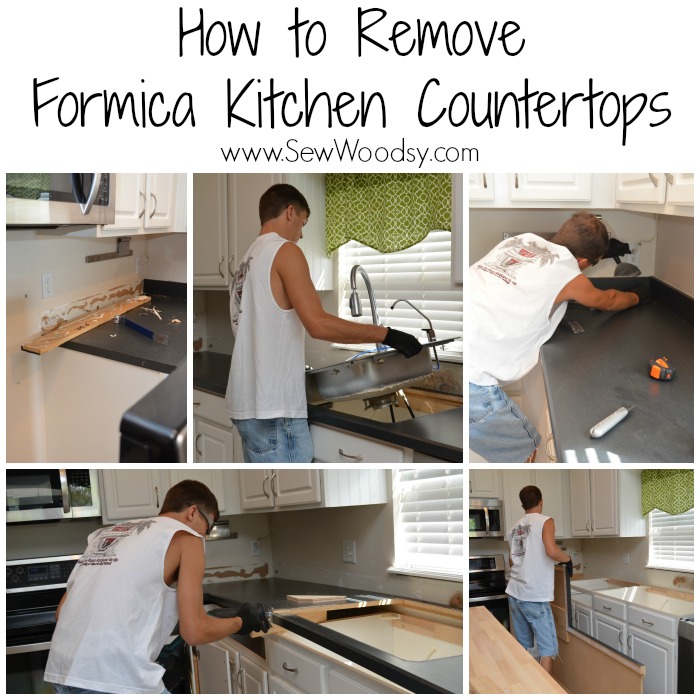
Image Source: sewwoodsy.com
Preparing for Kitchen Countertop Removal
Before grabbing any tools, careful planning makes the job much smoother and safer. This stage is vital for kitchen countertop replacement preparation.
Assessing Your Current Countertop
First, figure out what you have. Different materials require different approaches for detaching kitchen countertops.
- Laminate: Usually glued or lightly fastened. Easier to remove but often needs more brute force if glued down well.
- Solid Surface (e.g., Corian): Glued securely, sometimes with hidden screws.
- Natural Stone (Granite, Marble, Quartz): Heavy and brittle. These require extra help for lifting and extreme care to avoid breakage. Taking out granite countertops is the heaviest job.
Gathering Essential Tools for Removing Countertops
Having the right gear prevents frustration and injury. Here is a list of tools for removing countertops:
- Safety glasses and heavy gloves (a must for stone).
- Pry bars (flat and curved).
- Utility knife.
- Screwdriver set (Phillips and flathead).
- Power drill/driver.
- Putty knife.
- Caulk gun and removal tool.
- Shims or scrap wood.
- A helper (essential for stone and large sections).
- Dolly or appliance hand truck (for moving heavy stone).
Shutting Off Utilities
Safety first! If your countertop has a sink or cooktop, you must shut off the water and power.
- Water Supply: Locate the shut-off valves under the sink. Turn both hot and cold handles clockwise until tight. Turn on the faucet to drain any remaining water.
- Electricity: If you have an electric cooktop or outlets built into the counter, turn off the power at the main circuit breaker box. Test the area with a voltage tester to confirm the power is off.
Step-by-Step Guide to Detaching Kitchen Countertops
The steps for detaching kitchen countertops depend on whether they are attached from the top or the bottom.
Phase 1: Disconnecting Fixtures and Appliances
Remove everything sitting on top of or built into the counter.
Removing the Sink and Faucet
- Disconnect Plumbing: Use a basin wrench or adjustable wrench to disconnect the water supply lines under the sink. Be ready for some residual water.
- Drain Lines: Loosen the slip nuts connecting the drain assembly and the P-trap. Let the water drain into a bucket.
- Garbage Disposal: If you have one, unplug it. Twist the mounting ring counter-clockwise to release the disposal unit from its bracket.
- Unfasten the Sink: Look underneath. Sinks are often held by clips fastened to the underside of the counter. Unscrew or pry off these clips. If the sink is glued (common with solid surface or undermount sinks), you will need to carefully cut the caulk seal around the rim using a utility knife before proceeding.
Removing the Cooktop or Range
- Gas Cooktops: If you have a gas unit, you must turn off the gas supply line, usually via a small shut-off valve behind the range. Disconnect the flexible gas line carefully (use two wrenches to avoid bending the pipes).
- Electric Cooktops: Ensure the power is off at the breaker. Unscrew the retaining clips holding the cooktop to the counter surface. Lift the unit out gently and set it aside.
Phase 2: Separating the Countertop from Cabinets
This is where the process differs significantly based on the material.
Removing Laminate Countertops (The DIY Countertop Tear Out)
Laminate is often the easiest, but glue can be tricky.
- Check for Screws: Look inside the cabinets under the countertop. Many laminate tops are attached with screws driven up through the cabinet braces into the particleboard base of the counter. Remove all visible screws.
- Cutting the Sealant: Use a utility knife to slice through any caulk or adhesive where the backsplash meets the wall or where the counter meets the side panels.
- Prying Up: Start at a seam or end piece. Gently insert a pry bar between the cabinet frame and the underside of the counter. Apply slow, steady upward pressure. If it resists, stop and check for missed screws or stubborn glue. Work your way across the length. For a DIY countertop tear out, aim for long, intact sections if possible.
Taking Out Granite Countertops and Stone Surfaces
Stone is heavy, sharp, and easily cracked. Never attempt this alone.
- Locate Supports: Granite is often glued directly to the cabinet tops or secured using silicone and sometimes small plastic clips screwed into the cabinet braces. Remove any visible clips first.
- Scoring the Seal: Use a utility knife to cut through all silicone caulk joints where the counter meets the wall or surrounding cabinetry. Be aggressive but careful not to gouge the drywall.
- Applying Leverage (The Lift): This requires a helper. Insert thin, stiff plastic wedges (not metal pry bars, which can chip the stone) between the cabinet frame and the underside of the stone slab.
- Gentle Prying: Slowly drive the wedges in, a few taps at a time, alternating sides. The goal is to break the silicone bond. Once a small gap appears, slide thin pieces of wood underneath to maintain the gap.
- Lifting the Slab: Once the seal is broken across the length, use the pry bars (now often using slightly thicker wooden wedges for better grip) to lift the slab evenly. Lift the stone straight up off the cabinets. A 10-foot slab can weigh 300 to 500 pounds. Use proper lifting techniques or a dolly immediately.
Removing Solid Surface or Engineered Stone
These materials behave similarly to granite but are often less heavy. They are usually glued very strongly. Follow the stone removal process, but expect the adhesive to be much stronger, requiring more patience in the prying stage.
Phase 3: Removing Backsplashes and Trim Pieces
The backsplash, if integrated or glued directly to the wall or counter, needs separate attention.
- Tile Backsplash: If it’s tile set onto the wall, you are essentially demolishing it. Use a hammer and chisel or a demo bar, starting from the top edge and working downward. Wear eye protection, as chips fly.
- Laminate or Solid Surface Backsplash: These are usually fastened with screws from behind the cabinet or glued to the wall. Score the top edge where it meets the wall paint. Pry it away gently. If the wall covering behind it is damaged, plan for patching later.
Post-Removal Cleanup and Preparation
Once the old surface is gone, your job is not over. You must prepare the base for the new installation.
Debris Management
Dispose of the old material properly. Laminate and wood products can often go into regular construction waste, but check local rules. Stone, even broken, is usually very heavy and may require special disposal or recycling depending on its composition.
Cabinet Surface Inspection
This is crucial for kitchen countertop replacement preparation.
- Remove Adhesive/Caulk Residue: Use a razor blade scraper or a heavy-duty putty knife to remove all remaining silicone, caulk, or dried glue from the tops of the cabinets. Scrape lightly to avoid damaging the cabinet wood itself.
- Check Cabinet Integrity: Look for signs of water damage, mold, or warping on the cabinet tops, especially near where the sink sat. Water infiltration is common if the old sealant failed. Repair any soft or damaged wood now before installing the new counter.
- Leveling Check: Place a long level across the cabinet tops. They must be level or slightly sloped away from the wall (for drainage, although most modern installations are level). Use shims between the cabinet frames and the floor if necessary to ensure the base is flat and level for the new installation.
Tips for Salvaging Kitchen Countertops
If your goal is salvaging kitchen countertops for reuse, the care taken during removal is paramount.
- Material Dictates Success: Laminate is rarely salvageable in large, usable pieces due to water damage at seams. Solid surface and stone are highly salvageable if removed whole.
- Support the Stone: When removing a granite slab, ensure it is immediately placed on a flat, stable surface like sawhorses covered with blankets or plywood sheets. Never allow a stone slab to sit unsupported on its narrow edge, as it can crack under its own weight.
- Labeling Seams: If the countertop is made of multiple sections joined in the middle (a seam), mark the pieces clearly (e.g., “A-Front,” “B-Back”) before lifting, so you know how they fit back together.
Special Considerations for Different Materials
While the general steps apply, certain materials demand specific techniques during detaching kitchen countertops.
| Material Type | Primary Fastening Method | Key Removal Challenge | Required Lifting Assistance |
|---|---|---|---|
| Laminate | Screws through cabinet braces, light adhesive | Glued seams, potential particleboard crumbling | 1-2 people (if long piece) |
| Granite/Quartz | Strong silicone adhesive, plastic clips | Extreme weight, brittleness/chipping risk | Minimum 2-3 strong people or professional movers |
| Solid Surface | Strong epoxy adhesive, sometimes screws | Very strong, continuous glue line | 1-2 people (lighter than stone) |
| Butcher Block | Screws through braces, heavy weight | Very heavy, potential swelling from water | Minimum 2 people |
Deciphering Granite Fastening Systems
Many modern taking out granite countertops projects reveal plastic clips. These clips are often hidden just inside the cabinet frame, screwed into the base of the granite slab. They look like small plastic ‘L’ brackets. Finding and removing these screws is vital; otherwise, prying will crack the stone rather than break the silicone bond.
Safety Focus: Making the Safe Countertop Removal Process
Safety cannot be overstated, especially when dealing with heavy stone or sharp edges.
- Always Wear PPE: Safety glasses protect against dust and flying chips when cutting caulk or hammering chisels. Gloves protect against sharp edges on broken stone or old metal fasteners.
- Lifting Mechanics: When lifting anything heavy, lift with your legs, not your back. Communicate clearly with your helper: “Lift on three. One, two, three, lift!”
- Tool Handling: Never leave pry bars leaning where they can fall or where someone might trip over them. Secure them safely after use.
Frequently Asked Questions (FAQ)
Q: Can I reuse my old kitchen countertop?
A: You can often reuse solid surface or natural stone countertops if they are removed carefully without major cracks or chips. Laminate countertops are rarely reusable due to particleboard deterioration around wet areas.
Q: How long does it take to remove kitchen counters?
A: For a standard kitchen (15-20 linear feet) with laminate counters, a capable DIY countertop tear out might take 3 to 5 hours, including sink and fixture removal. For granite, budget a full day, especially if the adhesive is old and stubborn, and factor in time for cleanup and debris removal.
Q: Do I need to hire a professional for taking out granite countertops?
A: While possible for a determined DIYer with strong help, hiring professionals is often recommended for natural stone. They have specialized equipment (suction cups, dollies) and experience to prevent thousands of dollars in breakage costs, ensuring a truly safe countertop removal process.
Q: What is the hardest part of countertop removal?
A: The hardest part is usually breaking the adhesive seal. Whether it is old silicone, construction adhesive, or epoxy, this bond resists separation and often requires slow, careful prying to avoid damaging the cabinets or the counter itself.
Q: Should I remove the backsplash before or after the countertop?
A: Generally, remove the countertop first if the backsplash sits on top of the counter. If the backsplash extends several inches down the wall behind the counter, it is better to score and remove the backsplash first to ensure a clean break when pulling the main slab away from the wall line.