
Can I replace my kitchen cabinets myself? Yes, you absolutely can replace your kitchen cabinets yourself if you are comfortable with basic tools and careful measuring. This guide will walk you through the entire process of DIY kitchen cabinet replacement, from taking out the old units to the final touches of cabinet hardware installation.
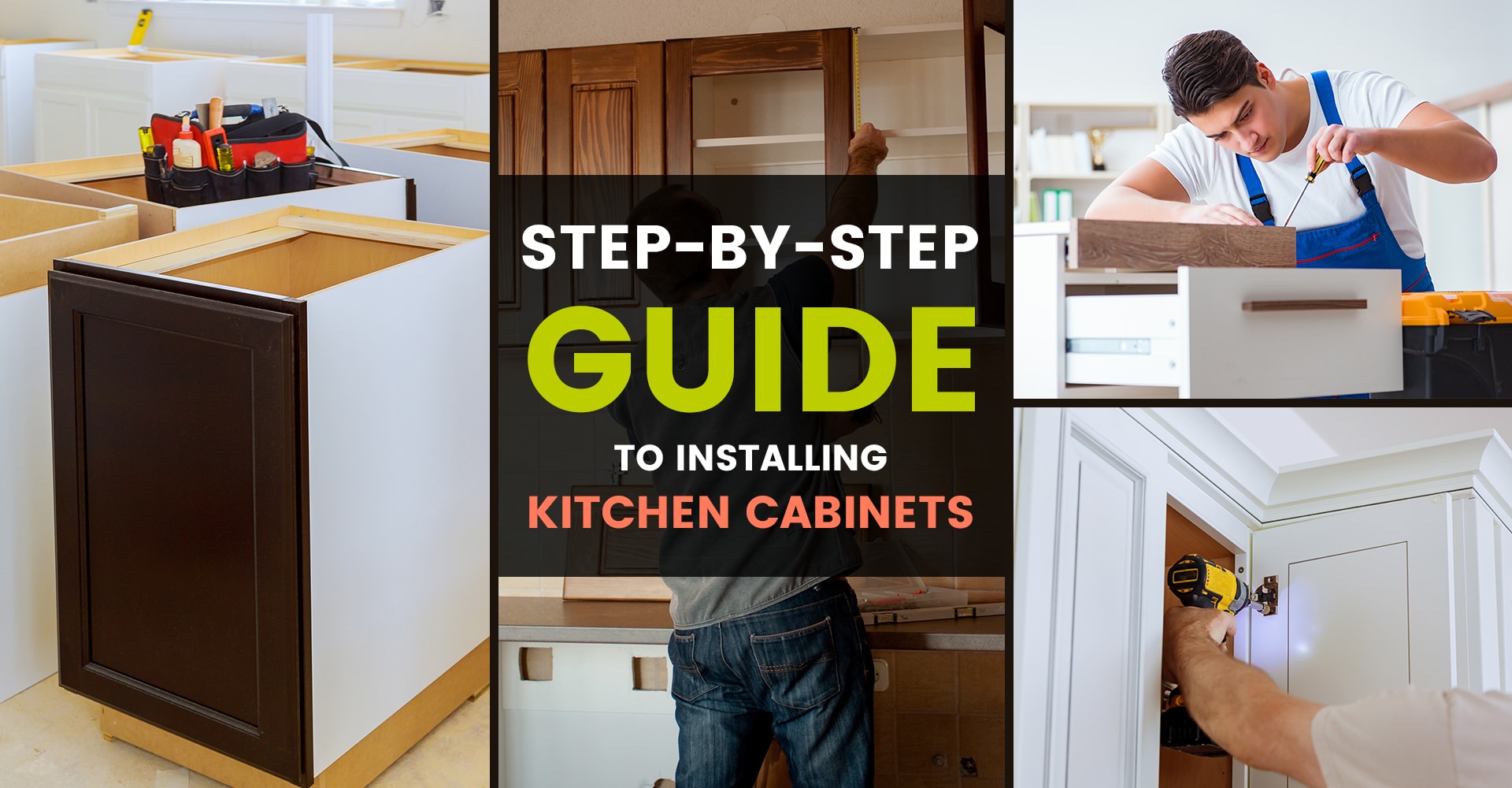
Image Source: www.cabinetcorp.com
Getting Ready for Your Kitchen Cabinet Replacement Project
Replacing kitchen cabinets is a big job. Taking time for good planning saves headaches later. This phase sets the stage for successful kitchen cabinet installation.
Deciphering Your New Cabinet Layout
Before you buy anything, measure your space well. Draw a simple map of your kitchen. Note where the sink, stove, and refrigerator will sit. This helps decide where your base cabinet installation and upper cabinet installation will go.
- Measure wall to wall.
- Measure floor to ceiling.
- Note the location of all windows and doors.
- Mark where water lines and gas lines enter the room.
Choosing the Right Cabinets
Cabinets come in three main styles:
- Stock Cabinets: Ready-made, standard sizes. These are often the cheapest and fastest to get.
- Semi-Custom Cabinets: Offer more choices in size, finish, and door style.
- Custom Cabinets: Built just for your space. These take the longest and cost the most.
If you are keeping the same layout, measuring the depth, height, and width of your current cabinets helps ensure the new ones fit. Remember to factor in the toe kick space at the bottom.
Gathering Your Tools and Supplies
You need the right tools for the job. Having everything ready speeds up the kitchen cabinet removal and installation.
| Tool Category | Essential Items |
|---|---|
| Safety Gear | Safety glasses, work gloves |
| Measuring & Marking | Tape measure, level (4-foot is best), chalk line, pencil |
| Demolition | Pry bar, flat-head screwdriver, utility knife, hammer |
| Installation | Power drill/driver, various drill bits, stud finder, clamps |
| Fastening | Construction adhesive, wood shims, screws (long enough for studs) |
A Quick Note on Refacing vs. Replacing: If your current cabinet boxes are sturdy but the doors look old, consider refacing kitchen cabinets. Refacing is faster and cheaper than a full tear-out. This guide focuses on full replacement.
Removing Old Kitchen Cabinets: The Take-Down Phase
The first step in DIY kitchen cabinet replacement is saying goodbye to the old units. This process is called kitchen cabinet removal. Always work safely and turn off the power and water first.
Step 1: Shut Off Utilities and Clear the Area
Locate the circuit breaker for the kitchen and switch off the power. If you have a gas stove, turn off the gas line valve. If you are removing the sink base, shut off the water valves under the sink.
Empty all items from the cabinets. Take off all doors and drawers. This makes the boxes lighter for removal.
Step 2: Removing Cabinet Hardware and Doors
Take off the door hinges. Most modern hinges use simple screws. Keep the hinges and screws safe; you might need them later, or you can toss them.
Remove drawer slides. Unscrew the slides from the cabinet box and the drawer sides. Label any parts if you think you might get confused.
Step 3: Disconnecting Utilities (If Necessary)
If you have electrical wiring inside the cabinets (like for under-cabinet lights), turn off the breaker, and then carefully disconnect the wires. If you have plumbing lines going to a sink base cabinet, disconnect these and cap the lines if needed.
Step 4: Removing the Cabinets from the Wall
This is where having a helper makes a huge difference, especially for upper cabinet installation removal.
- Locate Mounting Screws: Look inside the cabinet, often near the top corners or along the back rail. These screws anchor the cabinet to the wall studs. Remove them all.
- Break the Seal: Old cabinets often stick to the wall with dried paint or old adhesive. Use a utility knife to cut through any caulk or paint lines around the edges.
- Pry Carefully: Start with the top cabinets. Have one person hold the cabinet steady. Use a pry bar gently between the cabinet back and the wall. Work slowly to avoid damaging the drywall severely.
- Lower the Units: Once loose, carefully pull the cabinet away from the wall and set it aside. Heavy base cabinets may require more muscle to slide out.
Step 5: Preparing the Site After Kitchen Cabinet Removal
Once all the old units are out, clean the wall and floor area. Scrape off old glue or loose plaster. Patch any large holes in the drywall if needed. Now you have a blank slate for installing new kitchen cabinets.
Base Cabinet Installation: Setting the Foundation
Base cabinet installation must be perfect. If the base cabinets are crooked, everything on top—the countertop—will look wrong. We use shims and a level constantly here.
Step 1: Locating the Studs and Marking the Layout
Use a stud finder to mark the center of every wall stud. Draw a light vertical line through these marks. This shows where the cabinet screws will go.
Next, you must establish the final height line. Cabinets usually sit on a finished floor. If you plan to tile later, the finished floor height will be higher. Measure the height of your planned finished floor and snap a level line on the wall where the bottom of your new base cabinets will rest.
Important: Most cabinet manufacturers recommend setting the bottom of the cabinets about 3.5 inches above the finished floor height to allow for the toe kick space.
Step 2: Placing and Shimming the First Base Cabinet
Always start with the cabinet that meets a perpendicular wall (a corner cabinet, if you have one). This cabinet anchors the whole run.
- Position the Cabinet: Move the cabinet into place against the wall, resting it on the floor.
- Leveling: Place your level on the top surface of the cabinet, checking front-to-back, and side-to-side.
- Shimming: Slide wood shims between the cabinet bottom and the floor, or between the cabinet back and the wall studs, until the cabinet is perfectly level and plumb (perfectly vertical).
Step 3: Securing the Base Cabinet (Kitchen Cabinet Mounting)
Once the first cabinet is level and plumb:
- Drill Pilot Holes: Drill pilot holes through the cabinet’s mounting rail and into the wall studs you marked earlier. Use screws long enough to pass through the cabinet wood, the shim, and penetrate the wall stud by at least 1.5 inches.
- Drive Screws: Drive the screws in, but do not overtighten. Overtightening can warp the cabinet box. Leave the screws slightly loose until you connect the next cabinet.
Step 4: Connecting Adjacent Base Cabinets
When you set the next cabinet next to the first one:
- Level and Plumb Again: Ensure this new cabinet is level on its own.
- Connecting Boxes: Use specialized cabinet screws or long wood screws to join the two boxes together tightly where they meet side-by-side. This keeps them flush.
- Final Tightening: Once all adjacent cabinets are aligned and screwed together, you can go back and fully tighten the screws holding the cabinets to the wall studs.
This process forms the backbone of your base cabinet installation.
Upper Cabinet Installation: Reaching New Heights
Upper cabinet installation requires more caution due to working overhead. Always use stable ladders and have a partner to help lift the heavy units.
Step 1: Establishing the Upper Cabinet Height Line
The height of your upper cabinets is critical, especially around the stove or microwave space. The standard gap between the countertop (once the base cabinets are set) and the bottom of the upper cabinets is 18 inches.
- Measure Up: Measure 18 inches up from the top of your newly installed base cabinets.
- Snap the Line: Snap a level line around the room at this height. This is the line where the bottom of your upper cabinets will sit.
Step 2: Locating Studs for Upper Support
Upper cabinets hold a lot of weight, especially when loaded with dishes. You must secure them into wall studs. Mark all studs along the layout line you just drew.
Step 3: Installing the First Upper Cabinet
Start the upper cabinet installation run again in a corner, just like the base cabinets.
- Lift and Hold: Have your helper lift the cabinet to the marked line. You may need temporary supports (like a 2×4 braced between the base cabinets and the ceiling) to hold it steady while you drill.
- Check Level: Use your level to confirm it is level side-to-side and plumb front-to-back, aligning the bottom edge with your marked line.
- Mounting: Drill pilot holes through the back rail into the wall studs. Drive mounting screws firmly.
Step 4: Securing Subsequent Upper Cabinets
- Align and Join: Place the next cabinet up. Line up its bottom edge with the first cabinet. Use clamps to temporarily hold the two boxes tightly together where they meet.
- Fasten: Secure the cabinets to the studs, then secure the two boxes together using screws placed near the top and bottom edges inside the cabinet space.
Proper kitchen cabinet mounting ensures stability for years to come. This completes the main structural work for your kitchen cabinet installation.
Finishing Touches: Making Your Cabinets Shine
Once the main boxes are secure, the project moves into the details, making the whole DIY kitchen cabinet replacement look professional.
Installing Shelves and Drawer Boxes
Insert any internal shelves. Assemble the drawer boxes according to the manufacturer’s directions. Slide the drawer boxes onto the installed tracks. Test that they open and close smoothly.
Installing Cabinet Hardware Installation
This is the final, satisfying step. You will install the handles, knobs, and pulls.
- Marking Locations: Decide on the placement for your pulls. Consistency is key. Use a template if you have one, or measure precisely from the edge of the door/drawer. Measure twice, drill once!
- Drilling Holes: Drill small pilot holes from the inside of the door or drawer face outward. This prevents the wood veneer from blowing out on the visible side.
- Attaching Hardware: Push the handle screws through the inside and secure the knob or pull on the outside. Tighten them until they are snug, but don’t over-torque them, especially on soft woods.
Adding Trim and Toe Kicks
The final aesthetic elements complete the look:
- Crown Molding: This trim sits on top of the upper cabinets, giving a finished, built-in look. It requires careful cutting (often miter cuts) to fit the corners perfectly.
- Light Rail Molding: This covers any under-cabinet lighting strips.
- Toe Kicks: These are the decorative wooden panels that cover the gap between the bottom of the base cabinets and the floor. Cut them to fit and secure them with clips or adhesive.
Comprehending Countertop Considerations
While this guide focuses on installing new kitchen cabinets, it’s vital to note the next step: countertops.
You cannot install heavy stone or laminate countertops until all the base cabinets are perfectly secured, leveled, and connected. The cabinets must provide a flat, stable plane for the counter fabricator or installer. If the base cabinets are off by even a quarter of an inch, the countertop template will be wrong, leading to expensive fixes.
Alternative Approach: Refacing Kitchen Cabinets
If the structure of your existing boxes is sound, refacing kitchen cabinets is a worthy alternative to full removal. Refacing involves:
- Removing all existing doors and drawer fronts.
- Applying new, thin veneer panels over the exterior faces of the old cabinet boxes (the “face frames”).
- Installing brand new doors and drawer fronts.
Pros of Refacing:
- Much faster completion time.
- Less demolition mess and debris from removing old kitchen cabinets.
- Usually less expensive than a full replacement.
Cons of Refacing:
- The interior structure remains old.
- Limited ability to change the cabinet layout (e.g., turning a single cabinet into a double).
Final Checklists for Successful Kitchen Cabinet Installation
Use these checklists to ensure a smooth project completion.
Pre-Installation Checklist
- [ ] Utilities (Power, Water, Gas) confirmed OFF.
- [ ] New cabinets unpacked and inspected for damage.
- [ ] All tools gathered and accessible.
- [ ] Layout lines marked on walls (height and stud locations).
- [ ] Helper confirmed for lifting heavy units.
Post-Installation Checklist
- [ ] All cabinets are plumb and level.
- [ ] Adjacent cabinets are screwed tightly together.
- [ ] Cabinets are securely fastened to wall studs (kitchen cabinet mounting complete).
- [ ] Drawers slide smoothly; doors hang straight.
- [ ] Cabinet hardware installation is complete and tight.
- [ ] Toe kicks and trim pieces are installed.
Successfully completing your DIY kitchen cabinet replacement is rewarding. Take your time during the measurement and leveling steps, and you will enjoy beautiful new cabinets for years.
Frequently Asked Questions (FAQ)
How much does it cost to replace kitchen cabinets?
The cost varies widely. Stock cabinet replacement can start around \$2,000 to \$4,000 for a small kitchen if you do the labor yourself. Custom cabinet replacement, including professional kitchen cabinet installation, can easily exceed \$15,000 to \$25,000 or more, depending on materials and size. Refacing kitchen cabinets usually falls between full replacement and simple painting costs.
Do I have to remove the old countertop before removing old kitchen cabinets?
Yes, usually. Base cabinets are often screwed into the wall above the countertop line, and the countertop rests on top of the base cabinets. Removing the counter first provides clear access to the mounting screws that secure the base cabinet installation to the studs.
How long does DIY kitchen cabinet replacement take?
For an experienced DIYer with a standard kitchen (10-15 boxes), removing the old units might take a day. Installing new kitchen cabinets (base and upper) can take another 2 to 4 days, depending on how complex the leveling and shimming is. Adding trim and hardware can take an extra day. Budget at least a week for a full replacement project if you are doing it solo.
What is the standard gap between the base cabinet and the upper cabinet?
The industry standard gap for clearance above the countertop is 18 inches. This allows enough space to comfortably use small appliances on the counter while ensuring the bottom of the upper cabinet installation does not interfere with your work.
Can I reuse my old cabinet hardware?
You can reuse knobs and pulls if they fit the new doors and drawers. However, if you are replacing the doors, the hole patterns might not match the old hardware placement. It is often recommended to buy new hardware during a full DIY kitchen cabinet replacement to ensure a perfect fit and a fresh look.