
What is the immediate first step for treating a kitchen burn? The immediate first step for treating a kitchen burn is to cool the area quickly with cool, running water.
Kitchen accidents happen fast. A moment of distraction can lead to a nasty burn from hot oil, steam, or a hot surface. Knowing how to handle these emergencies well is vital. Good burn care for kitchen accidents keeps small problems from becoming big ones. This guide will show you the right steps for treating minor burns at home and when to seek medical help. We cover first aid for cooking burns, home treatment for scalds, and ways to speed up recovery using natural remedies for burns.
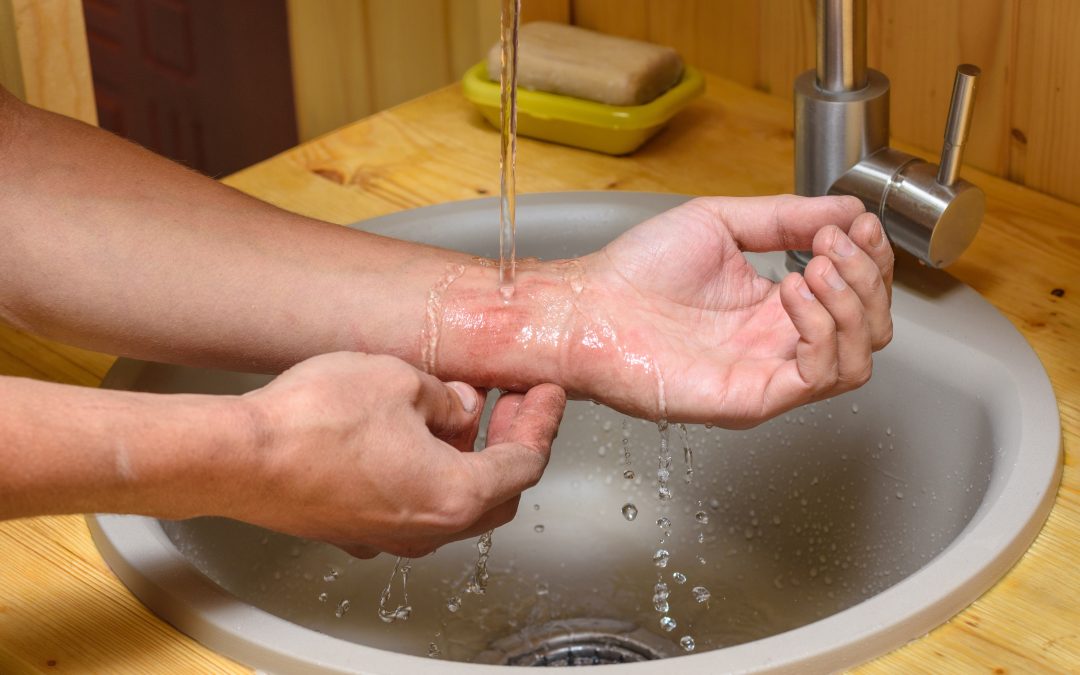
Image Source: www.afcurgentcare.com
Immediate Action: What To Do Right Away
When a burn happens, time is key. Quick action reduces damage deep in the skin.
Cooling the Burn: The Critical First Step
The single most important thing you can do is cool the burned skin. This stops the burning process and lessens pain.
- Use Cool Water: Place the burned area under cool (not icy cold) running tap water.
- Time is Important: Keep the burn under the water for at least 10 to 20 minutes. This helps draw heat out of the skin.
- Avoid Ice: Never use ice or iced water directly on a burn. Extreme cold can damage the skin further. This is a common mistake in immediate treatment for heat burns.
Removing Clothing and Jewelry
If clothing covers the burn, act quickly but carefully.
- Remove Gently: Take off rings, watches, bracelets, or tight clothing near the burn area before swelling starts. Swelling happens quickly, and jewelry can cut off blood flow.
- If Stuck, Don’t Pull: If clothing is stuck to the burn, do not try to pull it off. Cut around the stuck fabric. Leave the stuck part for medical staff.
Protecting the Burn Site
After cooling, you need to protect the skin from infection.
- Cover Loosely: Cover the burn gently with a clean, non-stick bandage or a clean cloth. Do not use fluffy cotton wool, as fibers can stick to the wound.
- No Ointments Yet: Do not put butter, oil, toothpaste, or any home remedies directly onto a fresh, severe burn. These trap heat and can cause infection. We will discuss safe topical kitchen burn remedies later for minor burns.
Assessing the Severity of the Kitchen Burn
Not all burns are the same. Knowing the type of burn helps you choose the right first aid for cooking burns. Burns are graded based on how deep they go into the skin layers.
First-Degree Burns (Superficial)
These are the mildest burns. They only affect the top layer of skin (epidermis).
- Looks Like: Redness, mild swelling, and pain. The skin is not broken. Think of a mild sunburn.
- Treatment: These are usually fine for treating minor burns at home.
Second-Degree Burns (Partial Thickness)
These burns affect the top layer and the layer beneath it (dermis).
- Looks Like: Intense pain, redness, swelling, and blisters. Blisters might break open, leaving a wet, weeping surface.
- Treatment: Small second-degree burns can often be managed at home with proper home treatment for scalds. Large ones need medical attention.
Third-Degree Burns (Full Thickness)
These are the most serious. They destroy the top two skin layers and may damage fat, muscle, or bone underneath.
- Looks Like: The area might look white, leathery, brown, or charred black. Paradoxically, there might be little or no pain because nerve endings are destroyed.
- Treatment: These need immediate emergency care. Do not try to treat these yourself.
Effective Home Care for Minor Kitchen Burns
For small, first-degree burns, or very small second-degree burns (smaller than 2-3 inches across), you can use safe methods for healing kitchen burns fast.
Soothing Oven Burns and Minor Scalds
Once the burn is cooled properly, soothing the pain and inflammation is the next goal.
Using Aloe Vera
Aloe vera is famous for its cooling properties.
- Application: Use pure aloe vera gel, ideally straight from the plant or a product without added alcohol or perfumes.
- Benefit: It helps reduce inflammation and moisturize the skin, aiding in soothing oven burns. Reapply several times a day.
Honey: A Natural Healer
Honey has been used for centuries due to its natural antiseptic and anti-inflammatory traits.
- Why it Works: Medical-grade honey (or clean, pure raw honey) helps keep the wound moist, which aids healing, and fights germs. It’s one of the best natural remedies for burns.
- How to Apply: Apply a thin layer over the cooled burn and cover it lightly with sterile gauze. Change the dressing twice daily.
Cold Compress Alternatives (After Initial Cooling)
If running water isn’t available after the initial 20 minutes, a clean, cool compress works.
- Method: Soak a clean cloth in cool water, wring it out, and apply it gently to the burn. Replace the cloth frequently to keep it cool.
Managing Blisters
Blisters form to protect the raw skin underneath from infection.
- Leave Them Alone: Do not deliberately pop blisters. Popping them exposes the sensitive layer underneath, increasing the risk of infection.
- If They Pop Naturally: If a blister breaks on its own, clean the area gently with mild soap and water. Apply an antibiotic ointment (like Neosporin, if you are not allergic) and cover it with a non-stick dressing.
Pain Relief
Over-the-counter pain relievers can manage discomfort and swelling.
- Options: Acetaminophen (Tylenol) or Ibuprofen (Advil, Motrin) are good choices for managing pain associated with minor burns. Follow dosage instructions carefully.
Dressings and Ongoing Care for Faster Healing
Proper dressing keeps the burn clean and promotes a healthy environment for skin repair. This is key for healing kitchen burns fast.
Choosing the Right Dressing Material
The dressing needs to keep germs out but allow air circulation when appropriate.
| Dressing Type | Best For | Why It Works |
|---|---|---|
| Non-Stick Gauze Pads | Small, weeping burns | Does not stick to the wound when changed. |
| Gauze with Petroleum Jelly | Minor, dry burns | Keeps the area moist, prevents sticking, aids comfort. |
| Hydrocolloid Dressings | Small, clean second-degree burns | Creates a moist healing environment; may stay on for several days. |
Changing Dressings
Change dressings daily, or sooner if they become wet or dirty.
- Wash your hands thoroughly before touching the burn area or dressing.
- Gently remove the old dressing.
- Clean the area lightly with mild, unscented soap and water, or a saline solution if recommended by a doctor. Pat dry gently—do not rub.
- Apply a thin layer of your chosen topical treatment (e.g., aloe, specific burn cream).
- Apply a fresh, sterile dressing.
Recognizing When to Seek Medical Help
While many kitchen burns are manageable at home, some require professional medical evaluation. Knowing when to see a doctor for burns prevents serious complications.
Red Flags Requiring Immediate Medical Attention
If you notice any of the following signs, stop home treatment for scalds and seek emergency care:
- Size: Any second-degree burn larger than 3 inches (about the size of your palm).
- Depth: Any suspicion of a third-degree burn (charred or white skin, numbness).
- Location: Burns on the face, eyes, hands, feet, major joints, or groin. These areas are high-risk for functional impairment.
- Infection Signs: Increased redness spreading away from the burn site, pus drainage, foul odor, or increasing pain after the first 48 hours.
- Electrical or Chemical Burns: These burns often cause damage unseen beneath the surface and always require a doctor.
- Smoke Inhalation: If the burn happened in a fire and the person is coughing or having trouble breathing.
Special Considerations for Vulnerable Groups
Certain individuals need closer monitoring, even for seemingly minor burns:
- Elderly Individuals: Skin is thinner, and healing is slower.
- Infants and Young Children: They have a larger surface area to body weight ratio, meaning smaller burns can be more serious.
- People with Diabetes or Weak Immune Systems: They are at much higher risk for infection.
Specific Scenarios in Kitchen Burn Treatment
Different types of kitchen heat sources cause different kinds of damage. Tailoring your response is part of effective burn care for kitchen accidents.
Treating Grease and Oil Burns
Grease and hot oil cause very deep, severe burns quickly because oil retains heat much longer than water or steam. They cause significant damage in seconds.
- Cool Immediately: Apply the 20-minute cooling rule religiously. Oil splatters often result in scattered, small deep burns.
- Assess Depth: Because oil transfers so much heat, treat these burns as potentially serious second-degree burns until you are certain they are superficial.
- Avoid Oily Substances: Do not apply more oil-based products (like butter) to these burns. Stick to cool water and gentle, water-based dressings.
Dealing with Steam Burns (Scalds)
Steam carries immense heat energy. Steam burns are often deep second-degree burns, even if they look minor initially.
- Speed is Essential: Steam penetrates clothing quickly. Immediate, prolonged cooling is vital for home treatment for scalds.
- Watch for Swelling: Steam burns often swell significantly around the burn site. Ensure any jewelry or clothing near the area is removed quickly.
Contact Burns from Hot Surfaces (Stovetops, Pans)
These burns happen when skin touches a hot metal surface. The depth depends on how long contact was made.
- Quick Removal: If clothing or skin is stuck to a hot pan, do not pull away forcefully. Cool the entire area, and let medical professionals separate the stuck material.
- Dry Heat Damage: These burns tend to be drier injuries compared to wet steam burns. Moisturizing after the initial cooling phase helps prevent excessive drying of the damaged skin.
Utilizing Natural Remedies Safely
When it comes to kitchen burn remedies, many traditional methods can be helpful, provided they are used correctly on superficial burns.
The Role of Cool Liquids (Beyond Water)
While water is best for initial cooling, other liquids can provide comfort afterward.
- Black Tea Bags: Tannins in black tea can help soothe pain and reduce swelling due to their astringent properties.
- Method: Steep two black tea bags, let them cool completely in the refrigerator, then gently place the cool, damp bags on the minor burn area for 15-20 minutes. This is a popular kitchen burn remedy.
Comparing Common Home Treatments
It is important to separate scientifically backed care from old wives’ tales.
| Remedy | Scientific Basis | Safety Note |
|---|---|---|
| Aloe Vera | Anti-inflammatory, cooling, moisturizing | Very safe for superficial burns. |
| Honey | Antimicrobial, moist wound healing | Use clean, pure honey only. |
| Butter/Oil | None | Traps heat; DO NOT USE. Increases burn severity. |
| Toothpaste | None | Contains chemicals that irritate and can cause infection. DO NOT USE. |
| Ice | Immediate intense vasoconstriction | Can cause frostbite and further skin damage. DO NOT USE. |
Promoting Long-Term Healing and Scar Reduction
After the initial healing phase, focusing on skin regeneration minimizes scarring.
Moisturization is Key
Once the wound closes and stops weeping, regular moisturizing is essential for healing kitchen burns fast.
- Gentle Lotions: Use fragrance-free, hypoallergenic moisturizers several times a day. Keeping new skin supple prevents cracking and itching.
- Silicone Sheets: For a noticeable scar developing, silicone sheets or gels can help flatten and fade scars over time. Consult a dermatologist about their use.
Sun Protection for New Skin
New skin cells lack the natural protection of pigment.
- Strict Sun Avoidance: Protect the healed burn area from direct sunlight for at least six months to a year. Sun exposure can cause the healing tissue to become permanently darker (hyperpigmentation). Use broad-spectrum sunscreen (SPF 30 or higher) if sun exposure is unavoidable.
Frequently Asked Questions (FAQ)
Can I put antibiotic ointment on a second-degree burn immediately?
Yes, once the burn has been thoroughly cooled for 10-20 minutes, a thin layer of over-the-counter antibiotic ointment (if the skin is broken or blistered) can be applied before covering it loosely with a sterile dressing. However, for very small burns, aloe vera or honey might be preferred initially for natural soothing.
How long does it take for a minor kitchen burn to heal?
First-degree burns usually heal within 3 to 6 days. Minor second-degree burns, if properly cared for, typically take 1 to 3 weeks to heal. Deep burns take much longer and often require specialized medical care.
Is it okay to use cold tea bags for soothing oven burns?
Yes, cool (not cold) black tea bags can be effective for minor burns. The tannins in the tea help reduce swelling and pain. Ensure the tea bags are cooled in the refrigerator, not the freezer, and never apply directly frozen items to the skin.
What should I do if I get hot oil in my eye during cooking?
This is a serious medical emergency. Immediately flush the eye with large amounts of lukewarm water for at least 15 minutes. Hold the eyelid open gently while flushing. Seek emergency medical attention immediately; do not wait.
Are there any specific kitchen burn remedies for deep burns?
No. For anything suspected to be a third-degree burn or a large second-degree burn, the only effective treatment is professional medical care. Do not apply any topical substances other than clean water cooling before transport to the hospital. Delaying professional care for deep burns increases the risk of severe scarring and infection.