
Yes, you can unclog a kitchen sink without a garbage disposal using simple tools and household items like baking soda and vinegar. Many times, blockages happen right in the P-trap or just beyond it, and you do not need fancy tools to clear them out. This guide offers many easy, step-by-step methods to fix that slow or stopped-up drain.
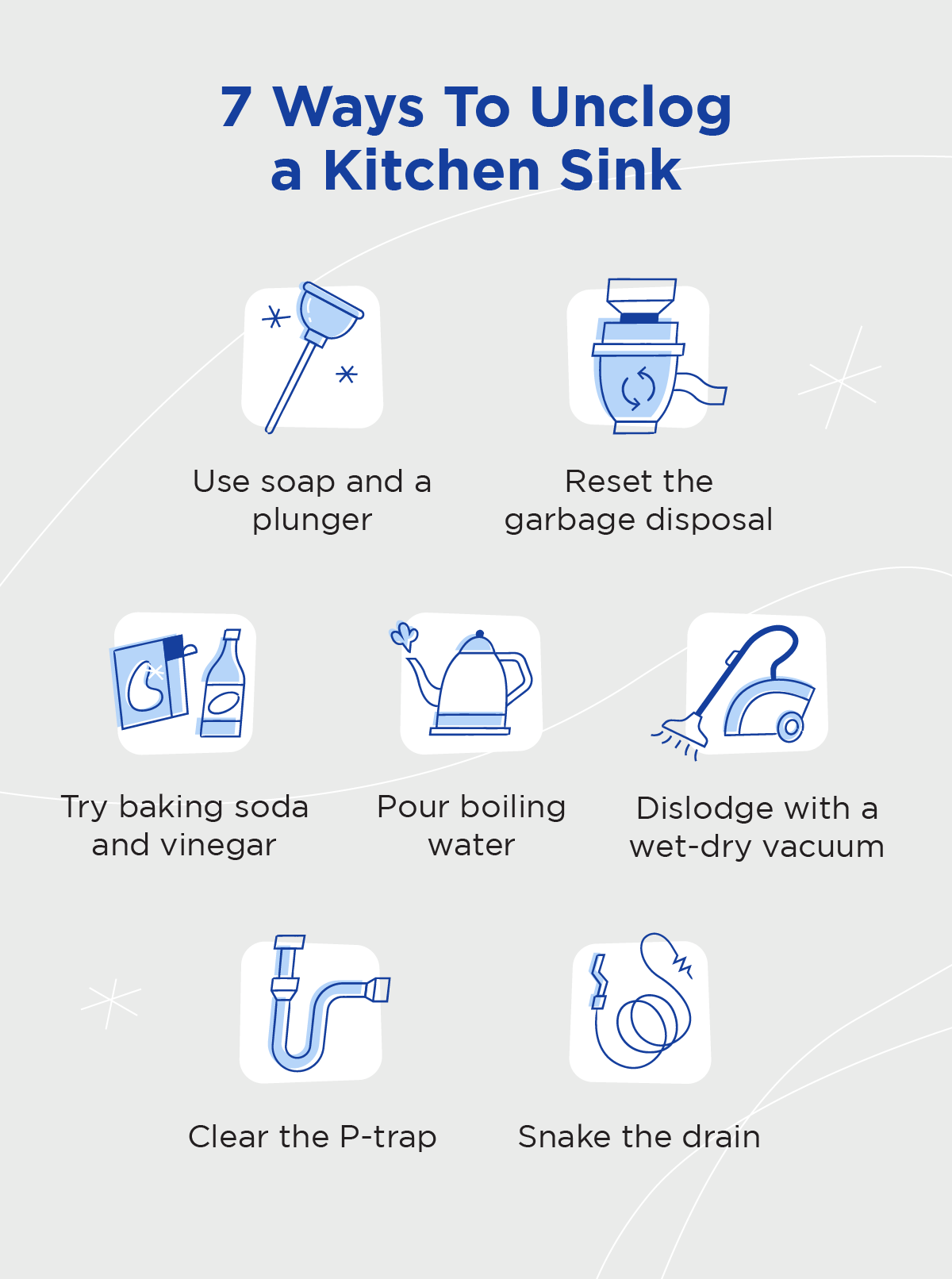
Image Source: www.mrrooter.com
Why Kitchen Sinks Clog Without a Disposal
Kitchen sinks clog often. They handle grease, food scraps, soap scum, and coffee grounds. Without a disposal to grind everything up, these materials easily build up. This buildup narrows the pipe. Over time, water moves slowly, leading to a total blockage. Knowing what causes the clog helps you pick the best fix.
Common Culprits in Kitchen Drains
The most frequent things that stop water flow are:
- Fats, Oils, and Grease (FOG): When hot, these liquids flow easily. But as they cool, they stick to pipe walls. They trap other bits of food.
- Starchy Foods: Pasta, rice, and potato peels swell up when wet. They become a sticky mass in the pipes.
- Coffee Grounds: These grounds do not dissolve. They settle at the bottom of the P-trap, creating a solid plug.
- Soap Scum: Bar soap leaves a residue that mixes with grease, making clogs thicker.
Quick Fixes: Starting with Simple Methods
Before diving into tougher solutions, always start with the easiest steps. Sometimes, a minor slowdown just needs a nudge. These methods are great for clearing slow kitchen drain issues.
Using Hot Water to Unclog Sink
This is the first line of defense, especially if grease is the main problem.
Steps:
- Boil a large pot of water. Use about half a gallon to a full gallon.
- Slowly pour the hot water to unclog sink directly down the drain opening. Pour slowly, letting the heat work on any grease buildup.
- Wait five minutes.
- Run the tap water. If the water drains faster, you have solved the problem.
Note: If you have plastic (PVC) pipes, use very hot tap water instead of boiling water. Boiling water can sometimes damage older PVC joints.
Plunging Kitchen Sink Effectively
Plunging kitchen sink is a powerful manual action. It uses water pressure to push the clog loose.
What You Need:
- A small or cup-style plunger (kitchen sink size).
- Water.
- A rag or stopper.
Method for Best Results:
- Fill the sink basin with enough warm water to cover the rubber bell of the plunger.
- If you have a double sink, plug the second drain tightly with a stopper or a wet rag. This keeps the pressure focused.
- Place the plunger cup firmly over the clogged drain. Make sure you get a tight seal around the edge.
- Push down gently at first to push air out.
- Give the handle several sharp, firm up-and-down strokes. Do not lift the plunger off the drain while pushing. The pumping action is what moves the water back and forth, breaking up the blockage.
- Quickly pull the plunger up on the last stroke.
- Check the drain. Repeat the plunging action a few times if necessary to fully clear the removing sink blockage.
Natural Drain Cleaner Solutions
If hot water and plunging do not work, try chemical drain cleaner alternatives using common pantry items. These natural drain cleaner methods are safer for pipes and the environment.
Using Baking Soda and Vinegar for Sink
This classic combo creates a safe, fizzy reaction that can loosen minor blockages. This is great for minor clogs or general maintenance.
Procedure:
- Remove any standing water from the sink basin.
- Pour one full cup of baking soda directly down the drain.
- Follow it immediately with one cup of white vinegar.
- Cover the drain opening with a plug or rag quickly. The reaction needs to be trapped inside the pipe to be effective. You will hear fizzing.
- Let this mixture sit for at least 30 minutes, or even overnight for tougher jobs.
- After waiting, flush the drain with a pot of very hot water (or boiling water if your pipes allow).
This fizzing action helps scrub the pipe walls and breaks apart soft clogs.
Salt and Boiling Water Treatment
Salt acts as a gentle abrasive, helping to scour the sides of the pipe.
- Pour half a cup of table salt down the drain.
- Slowly follow with the hot or boiling water.
- Let it sit for 15 minutes.
- Rinse with running tap water.
This method works well for greasy residues that stick to the pipe walls.
Mechanical Methods for Removing Sink Blockage
When chemicals and simple hot water fail, it is time for mechanical intervention. These methods physically break up or pull out the obstruction. These techniques are part of manual sink unclogging methods.
Cleaning Out the P-Trap
The P-trap (the curved pipe directly under the sink) is the most common spot for blockages. Food debris and grease often collect here. This is a direct way of removing sink blockage.
Safety First:
- Place a large bucket or towel directly under the P-trap. Water will spill out!
- Wear gloves and eye protection.
Steps to Access the P-Trap:
- Locate the curved section of pipe beneath the sink basin.
- Look for two slip nuts connecting the P-trap to the rest of the drain line.
- Carefully turn these nuts counter-clockwise by hand. If they are too tight, use channel-lock pliers, but be gentle to avoid cracking the plastic.
- Once the nuts are loose, remove the P-trap section. Water and debris will fall into your bucket.
- Inspect the removed section. Use an old toothbrush or a coat hanger bent into a hook shape to scrape out any built-up gunk.
- Inspect the pipes leading into the wall (the trap arm) for remaining blockage.
- Reassemble the P-trap, making sure the nuts are hand-tightened securely. Do not overtighten plastic fittings.
- Run water to check for leaks, then test the drain speed.
Using a Drain Snake for Kitchen Sink
A drain snake for kitchen sink (also called a hand auger) is a long, flexible metal cable used to reach deeper clogs that are past the P-trap.
How to Use a Drain Snake:
- If you have already removed the P-trap, this is easier. If not, feed the snake down the drain opening.
- Push the snake cable slowly into the pipe while turning the handle clockwise. The turning action helps the tip navigate bends.
- When you feel resistance, you have hit the clog.
- Keep turning the handle. The corkscrew tip of the snake will either bore a hole through the blockage or snag the material.
- Slowly pull the snake back out. Be prepared for the debris stuck on the end.
- Flush the drain with hot water to clear any loosened material.
It is essential to use the snake carefully. Aggressive pushing or turning can scratch porcelain or damage older pipes.
The Bent Wire Hanger Trick (For Very Shallow Clogs)
For very close-to-the-surface clogs, a straightened wire coat hanger can work.
- Unwind the hanger until it is mostly straight.
- Bend a small, tight hook shape (about half an inch long) at one end.
- Gently feed the hooked end down the drain.
- Twist and fish around to try and snag hair or soft food matter.
- Pull out whatever you catch. Do not push the clog further down.
This is a last resort for surface debris and should be used with care to avoid scratching the metal flange of the sink drain.
When Manual Methods Are Not Enough
Sometimes, the blockage is too deep, too hard, or too far down the main drain line. If the water still backs up after trying the plunger and cleaning the P-trap, you might need more specialized tools or assistance.
Assessing the Need for a Professional Sink Unclogging Service
If you have tried two or three different methods without success, it is time to consider calling a plumber. Attempting to force a drain snake for kitchen sink too aggressively can lead to pipe damage. If you suspect the clog is in the main sewer line rather than just your sink drain, stop immediately.
Signs You Need a Professional:
- Multiple drains are slow or clogged (toilet, tub, and sink all draining poorly).
- Water backs up into the sink when you flush the toilet.
- You have used a drain snake, but it did not reach the problem area.
- You smell sewage backup rather than just standing water.
Hiring a professional sink unclogging service ensures they use powerful equipment, like motorized augers or hydro-jetting, to clear tough obstructions without harming your plumbing system.
Choosing Between Chemical and Natural Drain Cleaner Alternatives
When a simple flush fails, some people reach for harsh commercial drain cleaners. It is important to know the risks versus the benefits of these products compared to chemical drain cleaner alternatives.
| Product Type | Pros | Cons | Best For |
|---|---|---|---|
| Harsh Chemical Cleaners (Lye/Acid Based) | Very fast action; strong dissolving power. | Highly corrosive; dangerous if misused; damages older pipes; bad for the environment. | Extreme, tough organic clogs only if other methods fail and pipes are new. |
| Enzymatic/Bio Cleaners | Safe for pipes and septic systems; slow, continuous action. | Very slow (can take 12-24 hours); expensive. | Regular maintenance; preventing clogs. |
| Baking Soda/Vinegar | Safe, cheap, readily available. | Only effective on minor grease or soap scum. | Light clogs or general upkeep. |
For kitchen sinks without a disposal, sticking to the natural drain cleaner options or mechanical removal is highly recommended to protect the drain lines from corrosive damage.
Preventing Future Slow Drains
Once your sink is flowing freely, maintenance is key to avoiding the need for constant unclogging. Preventing buildup is much easier than clearing it.
Proper Kitchen Disposal Habits (Even Without a Disposal)
Even without a grinding unit, you need to treat the drain with respect.
- Never Pour Grease Down the Drain: Wipe greasy pans with a paper towel before washing. Pour cooled, solidified grease into an old can and throw it in the trash. This prevents FOG buildup.
- Use a Drain Strainer: Place a fine mesh screen over the drain opening. This catches larger food particles. Empty the strainer into the trash regularly.
- Run Hot Water After Use: Make it a habit to run very hot water for a minute after washing dishes, even if the sink is empty. This helps push residual fats through the pipes before they cool and stick.
Regular Maintenance Schedule
Schedule regular cleaning to keep pipes clear. This keeps water moving and prevents clearing slow kitchen drain emergencies.
- Weekly: Pour very hot water down the drain for one minute.
- Monthly: Perform the baking soda and vinegar treatment described above.
- Quarterly: Pour a strong stream of very hot water down the drain to flush out any minor buildup.
Step-by-Step Guide to Manual Sink Unclogging Methods Summary
If you are facing a complete backup, follow this sequence of manual sink unclogging methods:
| Step | Method Used | Goal | Result if Successful |
|---|---|---|---|
| 1 | Hot Water Flush | Melt light grease. | Water begins to drain slowly. |
| 2 | Plunger Action | Create pressure to dislodge the clog. | Water drains quickly with a gurgle. |
| 3 | Baking Soda & Vinegar | Chemical reaction to break down residue. | Clog softens; water level drops. |
| 4 | P-Trap Removal | Directly remove the collected debris. | Sink drains perfectly; debris is physically removed. |
| 5 | Drain Snake Use | Reach clogs beyond the immediate trap area. | Deep clog is hooked or broken apart. |
| 6 | Call Professional | For severe or main line issues. | Total drain restoration. |
By systematically working through these steps, from the simplest hot water flush to more involved plunging kitchen sink techniques, you significantly increase your chances of removing sink blockage without resorting to harsh chemicals or expensive service calls. Remember that persistence and careful application of pressure are key to successful manual sink unclogging methods.
Frequently Asked Questions (FAQ)
Q: Can I use boiling water if I have an old metal drain pipe?
A: Yes, boiling water is generally safe for older cast iron or metal pipes. The main caution with boiling water applies to modern PVC or ABS plastic pipes, where extreme heat can soften joints.
Q: How long should I wait before calling a professional when my drain is clogged?
A: If you have tried the hot water flush, plunging, and the baking soda/vinegar method without any improvement, it is best to call for a professional sink unclogging service. Do not attempt to use a drain snake repeatedly if you are uncomfortable, as this can cause damage.
Q: Is using a drain snake going to scratch my sink basin?
A: If you feed the snake in through the drain opening directly, it should not scratch the visible porcelain or stainless steel, as the cable usually enters vertically. However, excessive force near the flange could cause minor cosmetic marks if you are not careful.
Q: What is the best way to stop coffee grounds from clogging my drain?
A: Coffee grounds are dense and settle easily. The best way is to never pour them down the drain. Scrape them into the trash or compost bin. If you must rinse some down, always follow immediately with a large volume of very hot water to keep them suspended.
Q: Are enzyme cleaners effective for clearing slow kitchen drain issues?
A: Enzyme cleaners are very effective for maintenance and breaking down organic waste slowly over time. They are generally not fast-acting enough to clear a fully blocked sink immediately, but they are excellent chemical drain cleaner alternatives for prevention.