
Yes, in most developed areas, kitchen sink water is generally safe to drink directly from the tap, but safety depends heavily on local water treatment and plumbing conditions. While municipal systems work hard to maintain municipal water safety, there are always potential risks from aging pipes or localized issues, meaning you should always check the source and test when in doubt.
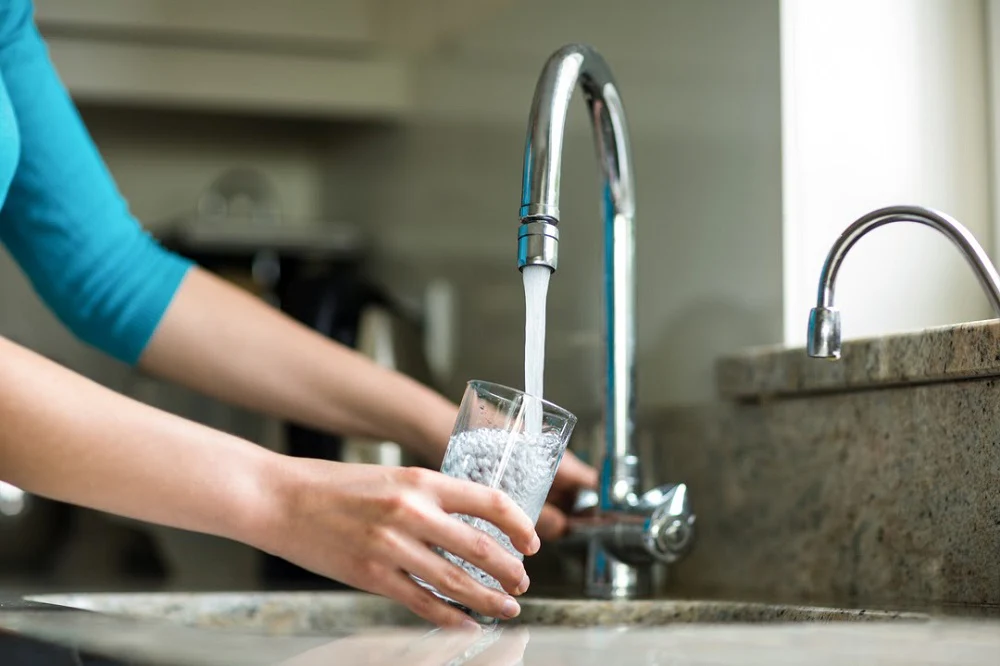
Image Source: drinkflowater.com
Assessing Your Local Water Source Reliability
The safety of the water coming out of your kitchen faucet starts long before it reaches your home. It begins at the source and the treatment plant. Most people rely on public water systems. These systems must meet strict federal standards for drinking water contamination. However, compliance does not always mean perfection, especially when considering localized plumbing.
Faucet Water Quality: A Tale of Two Systems
Faucet water quality is a combination of what leaves the treatment plant and what happens on the final leg of its journey to your glass.
- Municipal Treatment: Large cities use complex processes—filtration, disinfection (usually with chlorine or chloramine), and testing—to kill waterborne pathogens. This makes the water safe from common germs like E. coli.
- Private Wells: If you rely on a private well, the responsibility for safety falls entirely on you. Well water testing becomes crucial because wells are not regulated by the Environmental Protection Agency (EPA) standards applied to public systems.
Common Municipal Water Concerns
Even treated water can have issues. These often relate to chemicals used in treatment or contamination picked up later.
- Disinfection Byproducts (DBPs): When chlorine mixes with organic matter in the water, it can create small amounts of DBPs, which are linked to long-term health risks.
- Pharmaceutical Traces: Modern testing sometimes finds very low levels of medications or personal care products, though the health risks of drinking sink water from these traces are still being studied.
Household Water Contaminants: Hidden Dangers in Your Pipes
Your home’s plumbing is often the weakest link in the chain of water safety. Even if the water entering your street main is pristine, your own pipes can introduce harmful substances. Household water contaminants frequently come from the building materials themselves.
Lead in Drinking Water: The Silent Threat
The most serious plumbing concern is lead in drinking water. Lead is toxic, especially to children. It leaches into the water primarily from older pipes, lead solder used in joining copper pipes, or fixtures containing lead alloys.
- When is Lead Highest? Water sitting undisturbed in pipes overnight flushes out the most lead when you first turn on the tap in the morning.
- Identifying the Risk: Homes built before 1986 are at a much higher risk for lead contamination. Even newer fixtures can sometimes contain lead.
Table 1: Comparing Water Contaminant Sources
| Contaminant Type | Primary Source | Immediate Danger Level | Mitigation Strategy |
|---|---|---|---|
| Bacteria/Viruses | Source Water/Old Main Lines | High (Acute Illness) | Proper municipal disinfection |
| Lead | Home Plumbing/Service Lines | High (Chronic/Developmental) | Testing; Flushing; Filtration |
| Pesticides | Agricultural Runoff (Well Water) | Medium to High (Chronic) | Routine Well Water Testing |
| Chlorine Residual | Municipal Treatment Process | Low (Taste/Odor) | Letting water stand or carbon filters |
Waterborne Pathogens: Germs in the System
While rare in public systems, waterborne pathogens remain a significant threat, especially after severe weather events, main breaks, or if you rely on untreated water. These include bacteria (like E. coli, Salmonella) and protozoa (like Giardia).
When to Worry About Pathogens
If your local municipality issues a “Boil Water Advisory,” stop drinking untreated tap water immediately. This notice means disinfection levels are too low or contamination is suspected. For well owners, this is a constant consideration; regular testing for coliform bacteria is essential.
Fathoming Water Filter Effectiveness
If you are worried about tap water safety, using a filter is a common solution. However, not all filters remove the same things. Water filter effectiveness depends entirely on the filter type and what it is certified to remove.
Types of Filters and What They Target
- Pitcher Filters (Activated Carbon): Good for improving taste and reducing chlorine. They offer limited protection against heavy metals or serious drinking water contamination.
- Faucet Mount/Countertop Filters: Better flow and more contact time than pitchers. They often use high-quality carbon blocks.
- Under-Sink Reverse Osmosis (RO): This is usually the most comprehensive home treatment. RO systems force water through a semi-permeable membrane, removing up to 99% of dissolved solids, including lead, arsenic, and nitrates. They are highly effective against most household water contaminants.
Key Certification Standards
Look for filters certified by NSF International (or equivalent bodies) for the specific contaminants you want to remove.
- NSF/ANSI Standard 53: Certifies reduction of specific health-related contaminants like lead, asbestos, or volatile organic compounds (VOCs).
- NSF/ANSI Standard 58: Specifically for Reverse Osmosis systems, covering dissolved solids.
If your concern is lead in drinking water, ensure the filter explicitly states it meets Standard 53 for lead reduction.
Interpreting Your Home’s Water Report
Every community using public water must provide an annual Consumer Confidence Report (CCR). This document details where your water comes from, what chemicals were detected, and if levels were within legal limits.
Decoding the CCR
The CCR is your primary tool for assessing municipal water safety directly from the source.
- Maximum Contaminant Levels (MCLs): These are the EPA’s legal limits for contaminants. If the report shows a contaminant is below the MCL, the water is considered “safe” by federal standards.
- Action Levels: For lead and copper, there are “Action Levels,” not MCLs. If lead levels exceed the Action Level, the utility must take corrective action (like corrosion control treatment).
If you see any detected contaminant near the MCL, it warrants closer scrutiny, potentially leading to home testing or filtration.
Specific Safety Checks for Well Water Users
For those on private wells, the safety profile changes drastically. Public systems regulate flow; wells rely on the surrounding geology and maintenance.
The Importance of Well Water Testing
Regular well water testing is non-negotiable. You should test at least once a year, and always after flooding or heavy nearby construction.
- What to Test For: Bacteria (total coliform/E. coli), Nitrates/Nitrites (especially near farms or septic systems), pH, and hardness. Every few years, test for heavy metals like arsenic, depending on local geology.
If contamination is found, the fix may involve shock chlorination of the well, installing sediment filters, or using specialized treatment like UV light for biological issues or ion exchange for mineral removal.
Evaluating the Health Risks of Drinking Sink Water
What are the actual health risks of drinking sink water on a day-to-day basis? For most urban dwellers connected to reliable public utilities, the immediate risk is very low. The risks tend to fall into two categories: acute (immediate sickness) and chronic (long-term exposure).
Acute Risks
Acute risks usually involve microbiological contamination (waterborne pathogens). Symptoms are rapid onset: vomiting, diarrhea, or fever. These are often caused by system failures or well contamination.
Chronic Risks
Chronic risks come from long-term, low-level exposure to chemicals like lead, arsenic, or certain disinfection byproducts. These risks accumulate over decades and can affect development, kidneys, or increase cancer risk. This is why removing lead is critical, even if levels seem slightly elevated rather than extremely high.
Maintaining Safe Water: Practical Steps for Homeowners
Ensuring tap water safety requires proactive steps, especially when dealing with aging infrastructure.
Flushing Your Lines
If your home hasn’t used water for several hours (like overnight or during a vacation), flush the system before using the water for drinking or cooking.
- Run the cold water tap in the kitchen for 30 seconds to 2 minutes.
- If you are testing for lead, flush the system for 5 minutes, let it sit for 30 minutes, and then take a sample without running any water in between.
Hot Water Safety Rule
Never use hot tap water for drinking, cooking, or making baby formula. Hot water tanks can corrode and leach higher concentrations of metals (like copper or lead) into the water stored within them. Always use cold water directly from the faucet for consumption.
Repairing and Replacing Plumbing
If testing confirms lead in drinking water, you must take definitive action:
- Install an NSF-certified filtration system targeted at lead.
- If service lines are lead, contact the municipality about replacement programs.
- Replace old fixtures that are not certified “lead-free.”
The Role of Infrastructure Investment
Ultimately, the question of whether kitchen sink water is safe relies heavily on public spending. Aging infrastructure directly affects faucet water quality. When water mains break, they create negative pressure, potentially sucking in groundwater and contaminants. Investing in pipe replacement and modernizing treatment plants is the best way to safeguard community water supplies.
Frequently Asked Questions (FAQ)
How often should I test my tap water?
If you are on a public system, review your annual CCR. If you live in an older home or suspect plumbing issues, test for lead every 1 to 3 years. If you use a well, test annually for bacteria and nitrates, and test for chemicals every 3 to 5 years.
Does boiling water make it safe from all contaminants?
Boiling kills most waterborne pathogens (bacteria, viruses). However, boiling concentrates heavy metals like lead or arsenic, making the water more dangerous if those contaminants are present. Only boil water if the concern is germs.
Can I trust bottled water over tap water?
Bottled water is regulated by the FDA, not the EPA, and standards differ. While bottled water is generally safe, it is often more expensive and creates plastic waste. For most, treating your safe tap water safety profile with a good filter is a better long-term solution than relying solely on bottled water.
What is the primary concern regarding drinking water contamination in rural areas?
In rural areas, the primary concerns are often agricultural runoff leading to pesticide or nitrate contamination, or issues with septic systems polluting groundwater accessed via private wells.
Is it okay if my water smells or tastes like chlorine?
A slight chlorine smell means the disinfectant is still active, which is good—it shows the system is working to prevent waterborne pathogens. If the smell is overpowering, let the water sit in an open pitcher for an hour; the chlorine will dissipate.