
What are the must-have items for a kitchen? A well-stocked kitchen needs a mix of basic tools, reliable cookware, and smart storage. This list covers everything you need, from the beginner kitchen necessities to thoughtful additions that make cooking fun and easy.
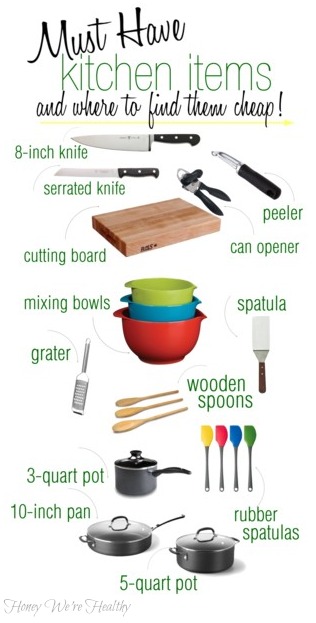
Image Source: 4.bp.blogspot.com
Building Your Foundation: The Core Kitchen Essentials
A great kitchen starts with a solid base. You do not need every fancy tool right away. Focus on quality items that you will use daily. These are the items that form your core kitchen essentials checklist.
Cutting and Prepping Gear
Good cutting tools make cooking safer and faster. Dull knives are dangerous. Invest in a few good pieces here.
Knives: Your Kitchen Workhorses
Every kitchen needs three key knives. Do not buy a huge, cheap set. Buy these three well.
- Chef’s Knife (8-inch): This is your main tool. Use it for chopping veggies, slicing meat, and mincing herbs. A good 8-inch chef’s knife handles almost everything.
- Paring Knife (3 to 4 inches): Perfect for small jobs. Think peeling apples or hulling strawberries. It offers great control.
- Bread Knife (Serrated): Essential for cutting bread without crushing the loaf. The serrations saw right through crusts.
Cutting Boards
You need surfaces to protect your knives and counters. Use different boards for different food types.
- Plastic or Composite Boards: Great for raw meat and poultry because you can clean them safely in the dishwasher.
- Wood Board: Ideal for bread and vegetables. Wood is gentler on your knife blades.
Basic Prep Tools
These simple tools save time and effort when getting ingredients ready. They are part of the important kitchen utensils you will reach for often.
- Measuring Cups and Spoons: Get sets for both dry and liquid ingredients. Liquid measures should have a pour spout.
- Mixing Bowls (Various Sizes): Stainless steel or glass bowls are best. You need at least three sizes: small, medium, and large.
- Colander/Strainer: Necessary for draining pasta or rinsing vegetables. Look for one with sturdy feet.
- Can Opener: A reliable manual can opener is a must. Test it before you buy it if possible.
Essential Cooking Tools and Gadgets
When we talk about essential kitchen gadgets, we mean tools that serve multiple purposes reliably. Skip the single-use gadgets for now.
Stirring and Flipping Tools
You need tools that handle heat well and won’t scratch your cookware.
- Wooden Spoons: They last long and do not conduct heat well. Perfect for stirring sauces.
- Silicone Spatulas: Versatile for scraping bowls clean or folding ingredients. Silicone handles high heat well.
- Whisk: Get a balloon whisk for incorporating air into eggs or batters.
- Tongs: Tongs are vital for gripping, turning, and serving food hot off the stove. Look for a pair with a locking mechanism.
Specialty Prep Tools
These fall under the umbrella of must-have cooking tools that simplify complex steps.
- Vegetable Peeler: A swivel peeler offers the best control for removing skins.
- Grater/Zester: A box grater works well, but a microplane zester is fantastic for fine cheese or lemon zest.
- Garlic Press (Optional but useful): If you use a lot of garlic, this speeds things up.
Cookware: The Heart of the Kitchen
The pots and pans you choose affect how well your food cooks. Invest wisely here. You want items that heat evenly and last years.
Choosing Your Pots and Pans
The quality of your cookware truly matters. When deciding, think about the best non-stick cookware versus traditional materials.
The Cookware Core Set
You do not need a giant 20-piece set. Start with these four versatile pieces:
- 10-inch Skillet (Frying Pan): Use this daily for eggs, searing meat, and sautéing.
- 3-Quart Saucepan with Lid: Perfect for heating soup, boiling water for rice, or making sauces.
- 6 to 8-Quart Stockpot with Lid: Necessary for pasta, large batches of soup, or boiling potatoes.
- Large Sauté Pan (12-inch): Good for larger meals or simmering dishes that need shallow sides.
Material Matters
Different materials offer different benefits.
| Material | Pros | Cons | Best For |
|---|---|---|---|
| Stainless Steel | Durable, non-reactive, oven-safe. | Can stick if not used correctly. | Searing, making pan sauces. |
| Cast Iron | Retains heat incredibly well, long-lasting. | Heavy, requires seasoning, reactive with acidic foods. | Frying, baking cornbread. |
| Non-Stick | Easy cleanup, requires less oil. | Coating wears out over time, cannot use metal utensils. | Eggs, delicate fish. |
If going for non-stick, choose a reputable brand. High-quality ceramic or PTFE coatings are key for the best non-stick cookware. Replace them when they start showing wear.
Baking Essentials
Even if you only bake occasionally, you need a few basics to handle simple recipes.
- Baking Sheets (Half-Sheet Size): These are incredibly versatile. Use them for roasting vegetables or baking cookies.
- Muffin Tin: Essential if you plan to make muffins or cupcakes.
- Oven-Safe Casserole Dish (9×13 inch): Needed for lasagnas, brownies, and baked sides.
- Rolling Pin: A simple, sturdy wooden or marble pin works fine.
Appliances: Smart Choices for Modern Cooking
Appliances can range from simple electric tools to large investments. Decide what fits your cooking style and budget. Many people consider these key kitchen upgrades to consider.
Small Appliances That Deliver Big Value
Focus on appliances that perform a task better, faster, or easier than manual methods.
Must-Have Countertop Helpers
- Coffee Maker or Kettle: Decide if you prefer drip coffee, a pour-over setup, or just an electric kettle for instant hot water.
- Toaster or Toaster Oven: Great for quick breakfasts and reheating small items without turning on the big oven.
- Blender: A decent blender is essential for smoothies, soups, and purees. Look for a model with good power if you crush ice often.
- Microwave Oven: Almost universally necessary for quick reheating.
Investing in Multi-Functional Devices
Modern cooking often benefits from appliances that do more than one job.
- Instant Pot/Pressure Cooker: A very popular item for cutting down cooking time on things like beans, tough meats, and rice. It saves time and energy.
- Slow Cooker (Crock-Pot): Ideal for busy days. Set it in the morning and have dinner ready in the evening.
- Hand Mixer or Stand Mixer: A hand mixer is fine for most people. A stand mixer is a real benefit if you bake bread or large batches of cookies often.
Organization and Storage: Keeping Things Tidy
A cluttered kitchen is stressful. Good organization keeps your important kitchen utensils easy to find and keeps counters clear. Good storage is part of smart kitchen upgrades to consider.
Countertop Clarity and Utensil Holders
Keep only the absolute daily use items on the counter.
- Utensil Crocks: Use ceramic or stainless steel holders near your stove for spatulas, whisks, and wooden spoons. This keeps them accessible.
- Knife Block or Magnetic Strip: A safe and accessible way to store your sharp knives. Magnetic strips save counter space.
Maximizing Cabinet Space
Cabinets often become dumping grounds. Use these ideas for smart organization.
- Drawer Dividers: Essential for sorting essential kitchen gadgets and cutlery. Keep like items together.
- Vertical Shelf Inserts: Use these metal or wire racks to stack plates, bowls, or cutting boards vertically instead of just piling them up. This greatly improves access.
- Pot Lid Organizers: These racks stop the annoying clatter of lids when you open the cabinet.
Temperature and Freshness Control
Proper storage keeps food safe and reduces waste. You need quality food storage solutions.
Refrigerator and Freezer Storage
Move away from flimsy plastic wrap for long-term storage.
- Glass Containers (A Must-Have): Glass containers are great for leftovers. They do not stain, do not retain odors, and you can often move them from the fridge to the oven (check manufacturer guidelines).
- Freezer Bags (Heavy Duty): For freezer storage, buy thick bags designed for freezing. They resist freezer burn better.
- Airtight Dry Goods Containers: Crucial for keeping flour, sugar, pasta, and cereal fresh and free from pests. These are key quality food storage solutions.
| Storage Type | Material Recommendation | Key Benefit |
|---|---|---|
| Leftovers | Glass with locking lids | Odor/stain resistance, oven safe (lids off). |
| Dry Goods (Pantry) | Clear, sturdy plastic or glass | Pest control, visible inventory. |
| Freezing Meat/Veggies | Heavy-duty zip-top bags | Prevents freezer burn. |
Space-Saving Kitchen Organizers
If your kitchen is small, these items are game-changers.
- Over-the-Door Racks: Use the back of the pantry door for spices, wraps, or foil boxes.
- Roll-Out Drawers: If you have deep cabinets, installing simple roll-out shelves makes accessing items in the back easy.
- Under-Sink Caddies: Use stackable caddies to organize cleaning supplies neatly under the sink.
Linens and Safety Items
These items are often overlooked but critical for daily function and safety. They are the basics of any beginner kitchen necessities list.
Kitchen Textiles
- Dish Towels (Cotton): You need several for drying hands, dishes, and wiping down counters. Cotton absorbs water well.
- Oven Mitts and Potholders: Invest in heat-resistant ones. They should cover your hands and wrists adequately to prevent burns.
- Apron: Keeps your clothing clean while cooking.
Safety First
Never skimp on safety items.
- Fire Extinguisher (Kitchen Rated): Keep a small ABC-rated extinguisher easily accessible, but not right next to the stove. Know how to use it.
- First Aid Kit: Keep a basic one handy, especially stocked with burn creams.
- Rubber Sink Mat: Prevents dishes from cracking when washed in the sink.
Specialty Items for Enthusiasts
Once you have the basics, you can look at items that enhance specific cooking styles. These aren’t strictly essential kitchen gadgets but are excellent top rated kitchen accessories for home cooks who want to expand their skills.
Advanced Prep Tools
- Immersion Blender (Stick Blender): Wonderful for pureeing soups directly in the pot. No need to transfer hot liquids to a regular blender.
- Mandoline Slicer: Offers fast, uniform slicing for potatoes or veggies, but use extreme caution and always use the guard.
- Food Processor: A major step up if you make large batches of hummus, dough, or finely chop large quantities of vegetables regularly.
Flavor Enhancers
- Mortar and Pestle: Excellent for grinding spices fresh. Freshly ground spices taste much better than pre-ground ones.
- Spice Grinder: If you prefer an electric method over a mortar and pestle, a dedicated electric spice grinder is worth it.
- Instant-Read Thermometer: This is perhaps the single most important item for cooking meat perfectly. It removes all guesswork regarding doneness.
Assessing Your Current Kitchen: What to Buy Now
Before rushing out to buy everything, take stock of what you already own. This list acts as a guide for assessing your current inventory.
Reviewing Your Kitchen Essentials Checklist
Go through the items below and check what you have and what condition it is in.
- Knives: Are they sharp? Do you have the three main types?
- Cookware: Is your non-stick pan flaking? Is your stainless steel scratched badly?
- Storage: Are your plastic containers mismatched and stained? Are your pantry items still fresh?
- Safety Gear: Are your oven mitts burned or thin? Do you have a functioning extinguisher?
When to Upgrade Your Cookware
If you have a pan with a scratched or peeling surface, it needs replacing. Flaking non-stick can leach material into your food. This is a good time to look for top rated kitchen accessories in stainless steel or cast iron as alternatives.
A good quality, heavy stainless steel pan will outlive several generations of non-stick pans. They may require slightly more care, but the results are often superior for browning and searing.
Making Smart Kitchen Upgrades to Consider
Think about what you cook most often.
- If you bake often: Upgrade to a better stand mixer or invest in silicone baking mats.
- If you cook meat daily: Buy that instant-read thermometer. It is an investment in perfect results.
- If you eat out of containers: Focus on acquiring quality food storage solutions, ideally glass sets that stack well.
Readability Focus: Simple Language for Better Cooking
We aim to keep this guide simple so you can focus on cooking, not complex reading. We use short sentences and common words. This ensures that gathering your must-have cooking tools feels easy, not overwhelming.
For instance, instead of saying, “The judicious selection of materials facilitates optimal thermal transference,” we say, “Pick good materials so the heat moves evenly.” This clear approach applies to selecting all your important kitchen utensils.
Deciphering Cookware Terms Simply
When shopping, terms like “clad” or “gauge” pop up. Here is a quick breakdown:
- Clad: Means layers of different metals bonded together (like steel and aluminum). This helps the pan heat evenly.
- Gauge: Refers to the thickness of the metal. Thicker metal (lower gauge number) usually means better quality and less warping.
Choosing best non-stick cookware often involves looking for thicker gauge aluminum cores.
Organizing for Efficiency: Space-Saving Kitchen Organizers in Action
Small kitchens demand smart layouts. Think vertically!
Vertical Storage Examples:
- Spice Jars: Store them vertically on a tiered rack or a magnetic wall strip, freeing up valuable drawer space for essential kitchen gadgets.
- Cutting Boards/Trays: Use tension rods or thin wire racks vertically inside a cabinet door to keep them upright instead of stacked flat.
- Pots and Pans: If you must stack them, place a thin cloth or paper towel between each piece to prevent scratching. Better yet, use pot racks.
These small efforts turn a chaotic drawer into a system where every piece of your kitchen essentials checklist is ready when you need it.
Final Thoughts on Equipping Your Kitchen
Setting up a kitchen does not happen overnight. It is a process built around how you cook. Start small with the beginner kitchen necessities. Then, as you cook more, identify the tools that truly make your life easier.
Do you hate peeling vegetables? Get a good peeler. Do you constantly overcook chicken? Buy that thermometer.
By focusing on quality over quantity for items like your must-have cooking tools and essential kitchen gadgets, you build a kitchen that supports happy, healthy cooking for years to come. Remember that maintenance—like keeping your knives sharp and your best non-stick cookware in good shape—is just as important as the initial purchase. Enjoy the journey of building your perfect culinary space!
Frequently Asked Questions (FAQ)
What is the single most important item on the kitchen essentials checklist?
The single most important item is arguably a high-quality 8-inch Chef’s Knife. If you can only buy one tool, make it a sharp, comfortable chef’s knife, as it is used for the most fundamental tasks like chopping and slicing.
Are single-use gadgets worth it?
Generally, no, especially for a new kitchen. Focus on multi-purpose items. For example, a good immersion blender does the job of many specialized pureeing tools. Only buy single-use tools if you use that function very frequently (e.g., a dedicated citrus juicer if you make cocktails daily).
How often should I replace my non-stick pans?
Most manufacturers suggest replacing non-stick pans every 1 to 5 years, depending on the quality and how heavily you use them. If you see significant scratching, peeling, or notice food sticking even with oil, it is time for a replacement to ensure food safety and cooking performance.
What are good budget alternatives for quality food storage solutions?
While glass is superior, large, sturdy rectangular plastic containers are budget-friendly. Look for BPA-free options and ensure they have strong, locking lids. Buying in bulk when these items go on sale is a great way to stock up affordably.
Do I really need specialty metal tongs?
Yes, high-quality metal tongs (especially locking ones) are among the important kitchen utensils. They provide better grip and heat resistance than plastic or wooden ones, making them invaluable for flipping hot items safely.
How can I best organize my space-saving kitchen organizers if I have very small drawers?
If drawers are shallow, use the vertical space inside your cabinets instead. Utilize tension rods placed across the cabinet width to hang measuring cups or small strainers by their handles. For cutlery, consider a narrow tiered drawer insert that stacks spoons over forks, maximizing the depth.