
What are the essential must-have kitchen accessories? The essential must-have kitchen accessories are the core tools and gadgets that make cooking and baking easier, safer, and more efficient, ranging from quality knives and measuring cups to useful smart kitchen appliances.
Every home cook, whether a beginner or a seasoned chef, benefits from having the right gear. A well-equipped kitchen saves time and effort. It also helps you make better food! This guide breaks down the truly necessary items you should stock. We look at everything from essential cooking tools to kitchen organization essentials.
Image Source: cb.scene7.com
The Foundation: Essential Cooking Tools
Before diving into fancy gadgets, you need the basics. These are the workhorses of your kitchen. They should be durable and reliable. Good quality basics last a long time.
Cutting and Prep Mastery
Sharp knives make cooking enjoyable. Dull knives are dangerous and make prep work a chore.
Must-Have Knives
You don’t need a massive knife block. Focus on three key knives:
- Chef’s Knife (8-inch): This is your main tool. Use it for chopping vegetables, slicing meat, and general tasks.
- Paring Knife (3-4 inch): Perfect for small, detailed work like peeling fruits or trimming small items.
- Serrated Bread Knife: Great for cutting bread without squishing it. It also works well for tomatoes or soft cakes.
Cutting Boards
Protect your counters and your knives. Use different boards for different foods. This keeps germs from mixing.
- Plastic/Polypropylene Boards: Great for raw meat and poultry because you can wash them safely in the dishwasher.
- Wood or Bamboo Boards: Best for vegetables, fruits, and bread. They look nice, too.
Mixing and Measuring
Accuracy matters in the kitchen. Getting measurements right helps your recipes turn out well every time.
Measuring Essentials
These items are crucial for consistent results.
- Dry Measuring Cups: Use these for flour, sugar, and other dry goods. Level them off with a straight edge.
- Liquid Measuring Cups: These are clear and have spouts for pouring. Read them at eye level.
- Measuring Spoons: Needed for spices, extracts, and leavening agents like baking soda.
Mixing Gear
You need containers to put things in!
- Nesting Mixing Bowls: Get a set of three or four bowls in different sizes. Stainless steel is durable. Glass bowls are good for seeing contents.
- Whisks: A balloon whisk is best for whipping air into eggs or cream. A flat whisk is good for stirring sauces in shallow pans.
- Silicone Spatulas: These are flexible. They scrape every bit of batter from the bowl. They also handle heat well for stirring.
Cookware Choices: Pots and Pans
What you cook in is just as important as what you cook! The right cookware heats food evenly. This prevents burning and ensures good texture. Many people look for the best non-stick cookware for easy cleanup.
The Core Cookware Collection
Start with these reliable pieces.
| Item | Size/Type | Primary Use | Why It’s Essential |
|---|---|---|---|
| Large Pot (Stockpot) | 6-8 Quarts | Boiling water, making soup, cooking pasta. | Needed for large batches and liquid-heavy tasks. |
| Saucepan | 2-3 Quarts with lid | Making sauces, heating soup, boiling small amounts of food. | Versatile for stovetop heating. |
| Large Skillet/Frying Pan | 10-12 Inches | Searing meat, frying eggs, sautéing vegetables. | Needs good heat distribution. |
| Dutch Oven | 5-7 Quarts (Cast Iron Preferred) | Braising, slow cooking, baking bread. | Holds heat very well for long cooking times. |
Focus on the Non-Stick Surface
For eggs, pancakes, and delicate fish, a quality non-stick pan is a lifesaver.
- Care is Key: To keep your best non-stick cookware working well, never use metal utensils. Hand wash them gently. Avoid super high heat.
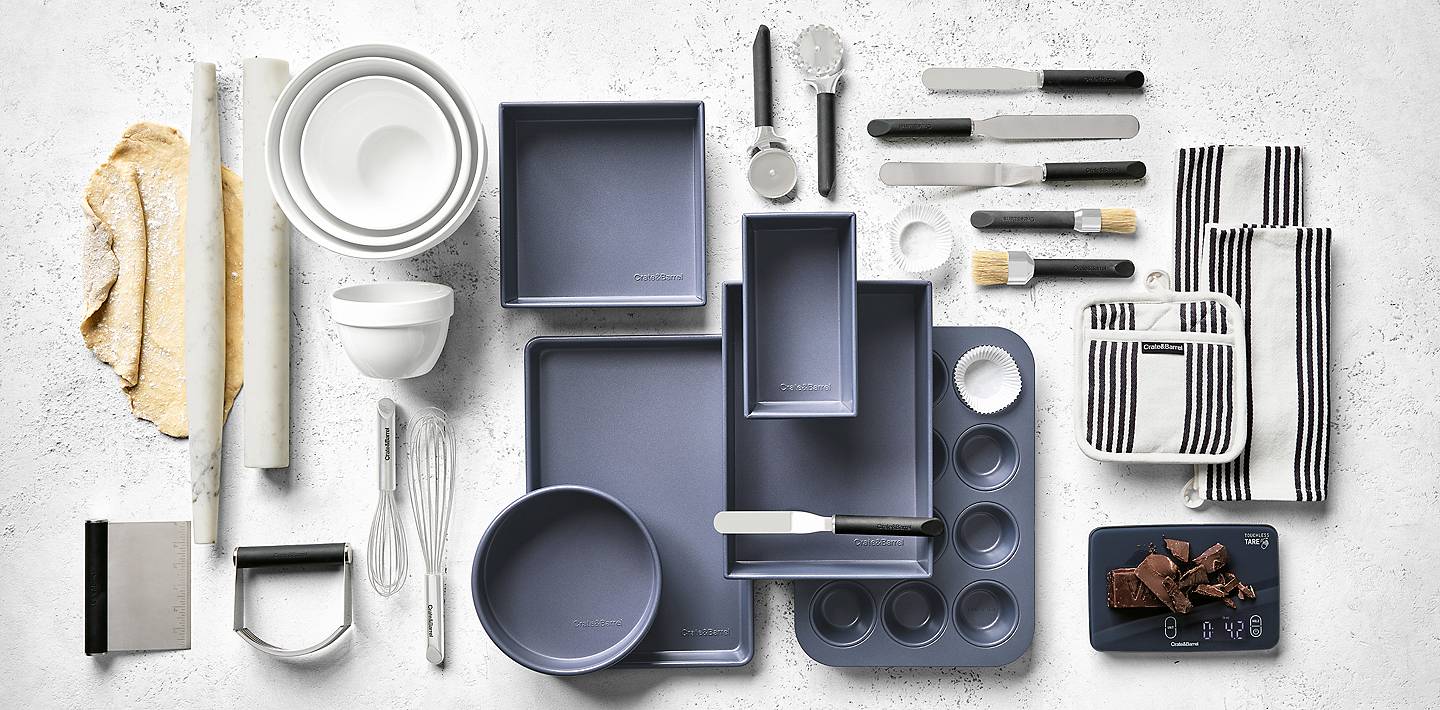
Baking Essentials: Essential Baking Supplies
Baking requires more precision than everyday cooking. Having the right gear makes a huge difference in your final product.
Tools for Precision and Mixing
Baking is chemistry! Precise measurements and gentle mixing are vital.
- Parchment Paper and Silicone Baking Mats: These prevent sticking better than grease alone. Silicone mats are reusable and eco-friendly.
- Rolling Pin: Essential for pies, cookies, and pastries. A simple wooden one works fine.
- Cooling Racks: Placing hot baked goods on racks lets air circulate. This stops the bottoms from getting soggy.
- Sifter or Fine-Mesh Sieve: Used to aerate flour and remove lumps. This makes cakes lighter.
Bakeware Basics
You need sturdy pans that transfer heat evenly.
- Two 9-Inch Round Cake Pans: Standard for layer cakes.
- One 9×13 Inch Baking Dish: Great for sheet cakes, brownies, or casseroles.
- One Standard Muffin/Cupcake Tin: For muffins, cupcakes, or small savory bites.
Top Kitchen Gadgets That Really Help
Gadgets can be fun, but some really do earn their spot in the drawer. These items solve common kitchen frustrations.
Time Saving Helpers
These modern kitchen tools streamline tedious steps.
- Vegetable Peeler: Look for a Y-shaped peeler. They are fast and easy to use for most vegetables.
- Can Opener: A manual, smooth-edge can opener is usually safer and takes up less counter space than electric ones.
- Garlic Press: If you use garlic often, a good press saves time and effort compared to mincing by hand.
- Microplane Zester/Grater: This tool is amazing. It zests citrus perfectly without hitting the bitter white pith. It also finely grates hard cheese.
Specialized but Useful Tools
These aren’t used daily, but when you need them, you really need them.
- Instant-Read Thermometer: A game-changer for meat safety and baking success. You know exactly when meat is done without guessing.
- Salad Spinner: If you eat fresh salads often, this quickly dries washed greens. Wet lettuce ruins salad dressing!
- Colander/Strainer: Necessary for draining pasta or washing vegetables. Get one with feet so it sits above the sink bottom.
Small Kitchen Appliance Must-Haves
Some appliances speed up prep work significantly. These items often replace tedious manual labor.
The Power Players
These appliances justify the counter space they occupy.
- Blender (High-Powered): Essential for smoothies, soups, and sauces. A strong motor handles ice and frozen fruit easily.
- Immersion Blender (Stick Blender): Fantastic for blending soups right in the pot. Less mess than pouring hot liquid into a traditional blender.
- Toaster Oven or Air Fryer: Many modern cooks find that an air fryer replaces the need for a traditional toaster oven. Air fryers cook small portions quickly and crisp food beautifully with less oil.
- Coffee Maker/Electric Kettle: Decide based on your beverage preference. A good electric kettle boils water faster than a stove.
Considering Smart Kitchen Appliances
Technology is making kitchens smarter. These tools connect to Wi-Fi to offer new features.
- Smart Scale: Connects to apps to track nutrition data automatically. Great for careful meal prepping.
- Smart Oven: Can preheat based on your schedule or offer guided cooking programs.
Table: Appliance Comparison
| Appliance | Best For | Why Choose It? |
|---|---|---|
| Standard Blender | Large batches of smoothies, crushing ice. | Raw power and capacity. |
| Immersion Blender | Blending soups, small sauce batches. | Minimal cleanup; blends in the pot. |
| Air Fryer | Crisping veggies, reheating leftovers. | Fast, uses less oil than deep frying. |
| Stand Mixer | Heavy doughs, large-batch baking. | Provides hands-free power for kneading and whipping. |
Maintaining Order: Kitchen Organization Essentials
A messy kitchen slows you down. Good organization keeps your must-have cooking utensils in easy reach.
Drawer and Cabinet Management
Use dividers to keep things tidy.
- Drawer Dividers: Keep knives, measuring spoons, and smaller tools from becoming a jumbled mess.
- Vertical Storage: Use tension rods or racks inside cabinets to store baking sheets, cutting boards, and lids vertically. This saves space and makes grabbing one item easy.
Pantry Setup
Storing dry goods smartly keeps them fresh longer.
- Airtight Containers: Transfer flour, sugar, rice, and pasta into clear, airtight containers. This keeps pests out and lets you see how much you have left.
- Lazy Susans (Turntables): Perfect for deep cabinets or pantries. They bring back-row items forward with a simple spin. Use them for oils, spices, or condiments.
Countertop Control
Keep countertops clear for prep space. Only store items you use daily on the counter.
- Utensil Crock: Store your must-have cooking utensils like spatulas and wooden spoons in a crock next to the stove.
- Knife Block or Magnetic Strip: Keep knives safely stored off the counter surface but easily accessible.
Safety First: Kitchen Safety Accessories
Safety gear protects you from common kitchen hazards like burns, cuts, and fires.
Fire and Burn Protection
These items are non-negotiable in any functional kitchen.
- Oven Mitts and Potholders: Invest in thick, high-quality mitts that go past your wrist. Silicone-coated mitts offer great heat resistance.
- Fire Extinguisher (Kitchen Rated): Keep a small, accessible extinguisher rated for grease fires (Class K or ABC) near the kitchen, but not directly next to the stove.
- Splatter Screen: A must-have for frying. It keeps hot oil from popping onto you or your stovetop.
Handling and Hygiene
Keeping things sanitary prevents illness.
- Instant-Read Thermometer: We mentioned this before, but it’s a safety tool. Cooking meat to the correct internal temperature kills harmful bacteria.
- Tongs: Tongs are better than forks for turning meat. They don’t pierce the surface, keeping juices locked inside. They also keep your hands farther from the heat.
Deciphering Your Needs: Cooking Style Assessment
The best accessories depend on how you cook. Think about your routine to prioritize spending.
The Daily Cook
If you cook dinner most nights, focus on prep and cleanup tools.
- You need the best knives.
- Durability in pots and pans is key.
- Kitchen organization essentials will save you time when things are rushed.
The Avid Baker
Baking demands precision and specific tools.
- Invest in accurate scales and multiple types of measuring cups.
- Get quality essential baking supplies like silicone mats.
- A stand mixer moves from luxury to near necessity if you bake often.
The Health Enthusiast
If smoothies, steaming, and quick meals are your focus, prioritize blending and steaming.
- A powerful blender is your small kitchen appliance must-have.
- Look into multi-cookers or pressure cookers (smart kitchen appliances often include these) for fast, healthy meals.
Expanding Your Collection: Next-Level Items
Once you have the basics covered, you can add specialty items to enhance specific types of cooking.
Advanced Prep Tools
- Mandoline Slicer: Provides perfectly uniform slices quickly. Caution: These require extreme care. Always use the hand guard.
- Immersion Circulator (Sous Vide): For perfectly cooked meats, cooked low and slow in temperature-controlled water. A truly modern kitchen tool.
Specialized Cookware
- Wok: If you enjoy Asian cuisine, a carbon steel wok is unmatched for high-heat stir-frying.
- Cast Iron Skillet: While heavy, cast iron retains heat beautifully. It moves easily from stovetop to oven and creates an amazing sear. It’s a great alternative to some best non-stick cookware when you want extreme heat retention.
Maintaining Your Investments
The finest essential cooking tools will fail if not cared for properly. Maintenance extends their life and protects your investment.
Caring for Metals and Knives
- Sharpening: Knives need professional sharpening once or twice a year. Keep a honing steel handy for daily use to keep the edge straight between sharpenings.
- Seasoning Cast Iron: Your cast iron cookware needs regular oiling and baking (seasoning) to create a natural, durable non-stick layer.
Caring for Plastics and Silicone
- Avoid High Heat: While silicone handles heat well, prolonged exposure to direct flame or the hottest parts of the oven can degrade it faster.
- Watch for Staining: Tomato sauces can stain light-colored silicone over time. A quick wash with a paste of baking soda can often remove surface stains.
Frequently Asked Questions (FAQ) About Kitchen Accessories
Q: Should I buy an electric can opener or a manual one?
A: Manual can openers are generally more reliable, take up no counter space, and are easier to clean. Electric openers often break down faster. Choose manual unless you have severe hand strength issues.
Q: What is the difference between a whisk and a blender?
A: A whisk incorporates air and mixes liquids by hand or with moderate electric power (hand mixer). A blender uses high-speed blades to puree, emulsify, or crush solid ingredients like ice or nuts into a smooth liquid.
Q: Are expensive kitchen knives worth the extra cost?
A: Yes, for your primary chef’s knife, quality matters. Expensive knives often use better steel, hold an edge longer, and are balanced better for comfortable, prolonged use. This is key among must-have cooking utensils.
Q: How many baking sheets do I really need?
A: At a minimum, two standard half-sheet pans (about 18×13 inches). This allows you to rotate pans in the oven, which ensures even baking, and lets you bake two different items at once. They are essential baking supplies.
Q: What are the best kitchen organization essentials for spices?
A: For frequent use, store spices in a drawer near your prep area using tiered inserts so you can see every label. For spices you rarely use, use an airtight, labeled container in a cool, dark cabinet to maintain freshness.