
Kitchen sponges are made from a variety of materials, including cellulose, synthetic polymers like polyurethane, and sometimes natural fibers like loofah. The specific sponge material composition determines how the sponge feels, how well it cleans, and how long it lasts.
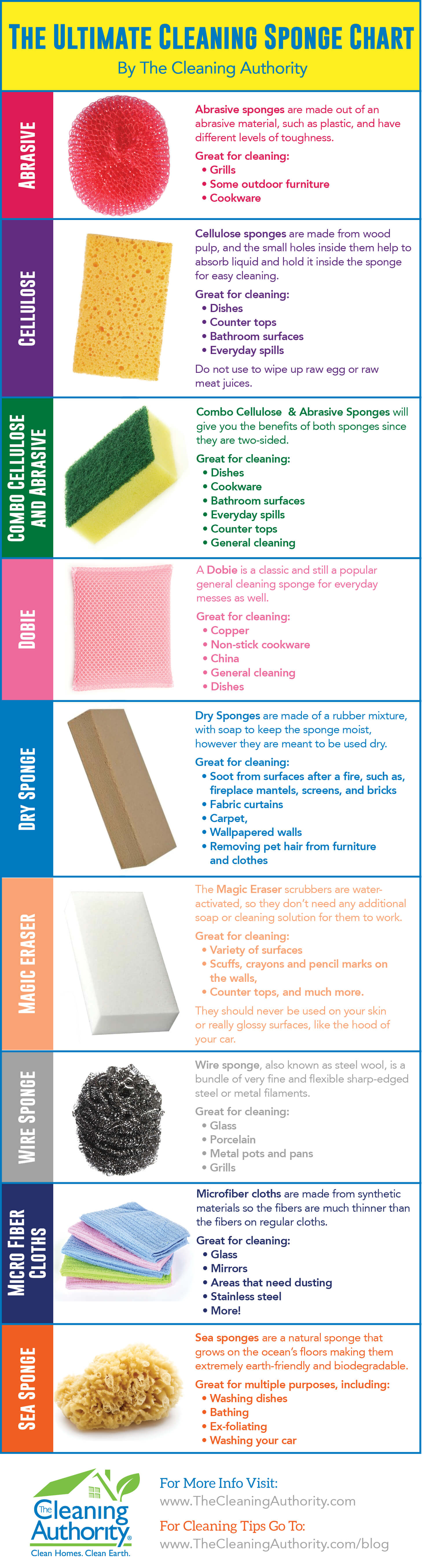
Image Source: www.thecleaningauthority.com
Why the Material Matters in Your Kitchen Cleaner
Sponges are essential kitchen tools. They help us clean dishes, wipe counters, and soak up spills. But not all sponges are the same. What they are made of changes how they work. A good sponge cleans well without scratching your pots. It should also dry fast to stop bad germs from growing.
This guide will look closely at the different stuff used to make your cleaning sponges. We will explore plant-based options and man-made foams. Knowing the parts helps you choose the best sponge for your sink.
The Big Two: Natural vs. Synthetic Sponges
Most kitchen sponges today fall into two main groups. They are either mostly from plants or mostly from chemicals. Each type has good points and bad points.
Cellulose Sponge Ingredients: Nature’s Helper
Cellulose sponges come from plants. This makes them a popular choice for people wanting greener products.
Source of Cellulose
Cellulose is the main part of a plant’s cell walls. Think of the wood in a tree or the fibers in cotton. To make a sponge, manufacturers take wood pulp. They treat this pulp chemically. This process breaks down the wood into a soft mass.
The Sponge-Making Process
- Mixing: The wood pulp slurry is mixed with water and other things.
- Adding Salt: Salt crystals are often mixed in. These crystals create the small holes (pores) in the sponge as they dissolve later.
- Drying and Curing: The mixture is poured into molds. It is then dried and heated.
- Washing: The salt is washed out. This leaves behind the familiar, absorbent sponge structure.
The resulting cellulose sponge ingredients make a sponge that soaks up water very well. They often feel soft when wet. They are also usually biodegradable, which is a big plus.
Pros and Cons of Cellulose
| Benefit | Drawback |
|---|---|
| Highly absorbent (holds lots of water) | Can dry very hard and stiff |
| Generally biodegradable | May break down faster than plastic ones |
| Soft when wet | Needs frequent cleaning |
Synthetic Sponge Makeup: Man-Made Power
Most sponges you see in stores are synthetic. These are made in factories from oil-based products. They are strong and hold their shape well.
Polyurethane Foam Sponge
The most common synthetic sponge is made from polyurethane foam sponge. Polyurethane is a polymer—a long chain of molecules. It starts as two liquids that mix together. When mixed, they react quickly. They bubble up and create gas. This gas forms the millions of tiny holes that make the sponge soft and useful.
This reaction is similar to baking bread. The rising gas creates the airy structure we need for cleaning.
Characteristics of Synthetic Sponges
Synthetic sponges are known for their uniform structure. This means the holes are usually about the same size. They tend to hold their shape better after being squeezed. They resist tearing better than plant-based sponges.
- They are very good at holding soap.
- They dry out more slowly than cellulose sponges.
- They are not usually biodegradable.
Beyond the Basic Block: Sponge Layers and Features
Many modern kitchen sponges are not just one block of material. They often have two parts glued together. This lets the sponge do two jobs at once: soaking up messes and scrubbing tough dirt.
Scrubber Pad Construction
The colorful, rough layer on one side of many sponges is the scrubber pad. This part handles the heavy work. The scrubber pad construction is vital for removing stuck-on food.
Scouring Pad Materials
What makes these pads tough? They use abrasive materials. These materials are much harder than the soft sponge part.
- Nylon: Many standard green or blue scrubbers are made of tough nylon fibers. Nylon is strong and resists chemicals.
- Polyester: Sometimes used for durability and stiffness.
- Mineral Additives: In very tough pads, small, hard mineral particles might be embedded in the plastic fibers to make them more gritty.
These pads are designed to scrape surfaces without letting the soft sponge behind tear away. The way the fibers are looped and bonded to the sponge base is the scrubber pad construction.
Non-Scratch Sponge Composition
A major concern for many cooks is protecting expensive cookware, like non-stick pans. For this, manufacturers create sponges with gentle scrubbing surfaces. The non-scratch sponge composition relies on softer plastics or specialized mesh.
Soft Abrasives
Instead of harsh nylon, non-scratch pads use materials that are tough on grime but soft on coatings.
- Fine Polyester Mesh: This mesh has gentle bumps but lacks the sharp edges of coarse nylon.
- Polypropylene: This plastic is often used because it is durable but less likely to scratch smooth surfaces like glass or ceramic.
- Color Coding: Often, the soft, non-scratch pads are colored white, yellow, or light blue. This color is a signal to the user: Use this on delicate items.
If a sponge pad feels very rough, it should not be used on a Teflon pan. The non-scratch sponge composition prioritizes surface protection over raw scrubbing power.
Exploring Natural Alternatives: Loofah Sponges
While synthetic and cellulose sponges dominate the market, there is a truly natural option: the loofah.
Loofah Sponge Natural Material
The loofah sponge comes from a plant in the gourd family, related to cucumbers and squash. When the fruit matures and dries, the inside pulp disappears. What is left is a fibrous, net-like skeleton. This skeleton is what we use to clean.
The loofah sponge natural material is entirely plant-based and fully compostable.
Harvesting and Preparation
- Growing: Loofahs are grown on vines.
- Drying: Once picked, the outer skin is peeled off. The inner fibers are washed thoroughly.
- Curing: The fibers are often dried in the sun to become light and ready for use.
Loofahs are very rough when completely dry. They soften significantly when put in water. They do not foam soap as well as synthetic sponges but offer excellent scrubbing action.
Keeping Sponges Clean: Antimicrobial Features
Sponges are wet, warm, and full of food residue—the perfect home for bacteria. To fight this, many sponges now include special additives.
Antimicrobial Sponge Ingredients
Manufacturers add chemicals during the sponge-making process to slow down or kill germs. These are known as antimicrobial sponge ingredients.
Common Additives
- Silver Ions: Silver is a natural germ killer. When mixed into the sponge material, silver ions slowly release. They disrupt the cell walls of bacteria, stopping them from growing.
- Quaternary Ammonium Compounds (Quats): These are common disinfectants. They can be bonded to the sponge material so they last longer, even after rinsing.
- Triclosan (Less Common Now): While once popular, triclosan use in sponges has decreased due to environmental concerns. Manufacturers are moving toward safer alternatives like silver.
It is important to remember that even sponges marketed as “antimicrobial” are not self-cleaning. They still need regular rinsing and sanitizing (like microwaving or soaking in bleach water) to stay safe.
The Details of Sponge Types: A Deeper Look
Let’s break down the common forms sponges take based on their primary material.
Cellulose Sponges in Detail
Cellulose sponges are the heavy lifters for soaking up liquids. They can hold many times their weight in water.
Structure and Porosity
The structure of a cellulose sponge is open and irregular. This is due to the salt crystal method used in making them.
- High Absorption: This structure acts like a thousand tiny straws sucking up water.
- Fast Release: When you squeeze a wet cellulose sponge, the water releases quickly and completely. This allows them to dry out faster than some plastics, which can help reduce mold growth between uses.
Synthetic Sponges: The Plastic Family
Synthetic sponges rely on polymers for their durability. We have already mentioned polyurethane, but there are variations.
Non-Woven Abrasives
The scrubbing side of many synthetic sponges is a non-woven abrasive pad. This means the fibers are tangled together randomly, not woven like cloth.
The scouring pad materials used here need to be tough. These sponges are popular because they often last longer than pure cellulose sponges. They resist falling apart even when used with harsh cleaners.
A Comparative Chart of Sponge Material Composition
To help you decide which sponge fits your needs, here is a summary comparing the main types based on their core materials.
| Sponge Type | Primary Material | Key Feature | Cleaning Action | Biodegradable? |
|---|---|---|---|---|
| Cellulose | Plant-derived wood pulp | High water retention | Soft when wet, gentle to medium scrub | Yes (slowly) |
| Polyurethane Foam | Synthetic Polymer | Shape retention, durability | Soft to medium scrub | No |
| Loofah | Dried Gourd Fiber | Natural texture | Medium to heavy scrub | Yes (quickly) |
| Non-Scratch | Polyester/Polypropylene | Surface protection | Very light scrub | No |
Fathoming Sponge Lifespan and Replacement
Knowing what a sponge is made of helps predict how long it will last.
Degradation of Natural Fiber Kitchen Sponges
Natural fiber kitchen sponges, like those made of loofah or pure cellulose, break down naturally. Water, soap, and physical scrubbing weaken the plant fibers over time. They will start to look ragged and thin out.
If you use a cellulose sponge daily for dishes, it might last 2 to 4 weeks before it starts shedding pieces noticeably.
Durability of Synthetic Sponge Makeup
Because they are plastic, polyurethane sponges do not rot or decompose quickly. They fail when they become compressed, tear, or get too soiled to clean effectively.
- The abrasive pad often detaches from the foam body.
- The foam itself can become permanently hardened or break into small pieces.
A synthetic sponge might look okay for longer, but hygiene often requires replacing it monthly, even if it seems intact.
Interpreting the Role of Additives
We discussed antimicrobial agents, but other minor ingredients affect performance.
Stabilizers and Binders
In synthetic sponges, binders are used to keep the foam structure stable. These are chemicals that help the polymer chains stick together firmly. In cellulose sponges, small amounts of stabilizers might be added during processing to ensure the color stays bright or the sponge doesn’t dissolve too fast during manufacturing. These are usually inert once the sponge is dry and in use.
Grasping the Difference: Scouring Pads vs. Sponges
Sometimes, people confuse heavy-duty scouring pads with kitchen sponges. While both clean, their scouring pad materials are often much tougher.
A standard green scouring pad is often made entirely of coarse, stiff plastic fibers, sometimes with harsh mineral grit added. It is designed only for scraping, not for absorbing liquid.
A sponge, by definition, must have a porous structure intended to hold liquid. Even when a sponge has a scouring pad attached, the foam base serves the absorption role. Pure scouring pads lack the sponge material composition needed for soaking.
Final Thoughts on Sponge Selection
Choosing a kitchen sponge involves balancing cleaning power, surface safety, and environmental impact.
If absorption is your main goal, choose a high-quality cellulose sponge ingredients product. If you need a sponge that lasts through heavy scrubbing cycles, look at the synthetic sponge makeup based on polyurethane foam, possibly with a dedicated non-scratch side if you have delicate dishes.
Always remember that no matter the sponge material composition, regular sanitizing is key to keeping your cleaning tool safe.
Frequently Asked Questions (FAQ)
Q1: Are all kitchen sponges made of plastic?
No. While many sponges use synthetic plastics like polyurethane, many others are made from natural cellulose (wood pulp) or entirely natural fibers like loofah.
Q2: Can I put my sponge in the dishwasher to clean it?
Yes, most kitchen sponges can be cleaned in the dishwasher. High heat helps sanitize them. However, frequent washing will cause the sponge to break down faster, especially natural fiber sponges.
Q3: What makes a sponge “non-scratch”?
A non-scratch sponge composition uses softer abrasive materials like fine polyester or polypropylene instead of coarse nylon. These materials are gentle enough not to damage non-stick coatings or delicate glass.
Q4: How do antimicrobial sponges actually work?
Antimicrobial sponge ingredients, such as silver ions or quaternary ammonium compounds, are added during manufacturing. These chemicals actively fight the growth of bacteria and mold within the sponge structure, though they do not replace the need for regular cleaning.
Q5: Is a loofah sponge better for the environment than a cellulose sponge?
A loofah is usually more biodegradable than a cellulose sponge because cellulose often contains chemical treatments and binders during its manufacturing process. Both natural options are generally better for the environment than synthetic plastic sponges.