
What are the utensils in a kitchen? Kitchen utensils are all the small tools and gadgets used for cooking, preparing food, and eating. These kitchen tools are vital for any successful meal, from chopping vegetables to serving the final dish. Having the right set of cooking implements makes cooking fun and easy. This guide will explore the many different types of utensils you might find in a well-stocked kitchen.
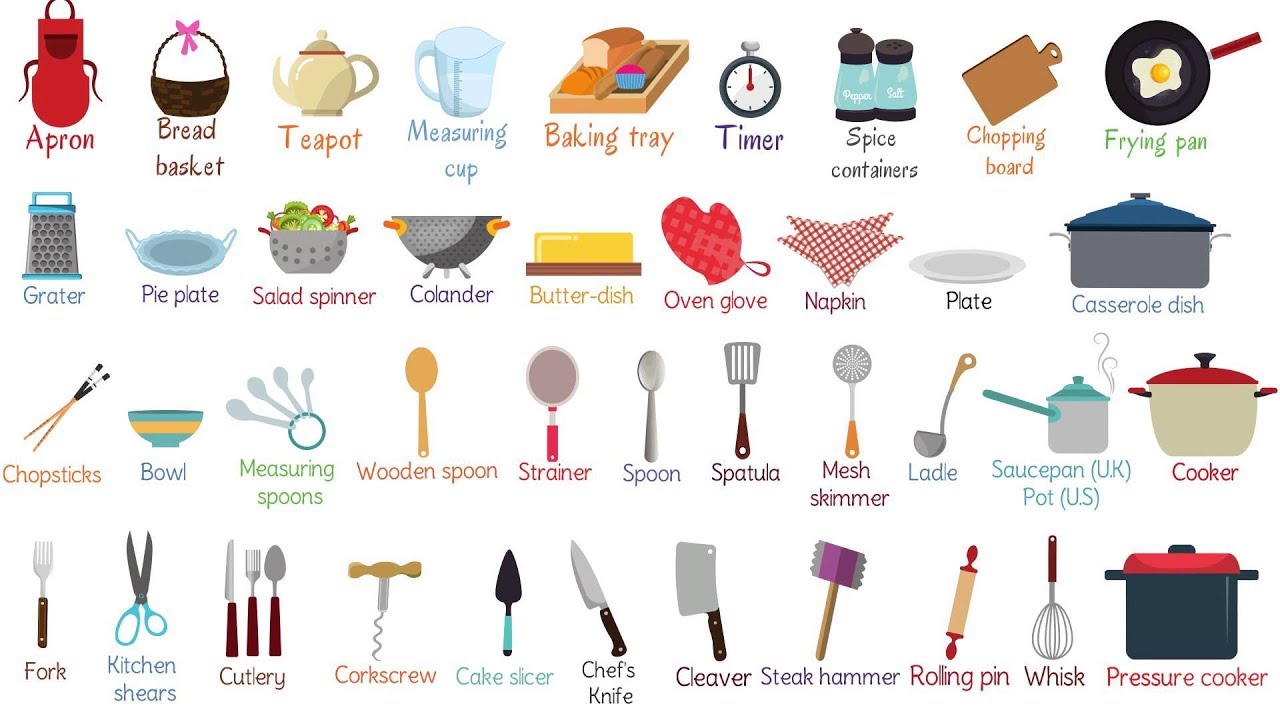
Image Source: i.ytimg.com
The Big Picture: Categorizing Kitchen Utensils
Every kitchen has many items. We can group these items to make them easier to talk about. Think of them in a few main groups. These groups help organize all the different kitchen essentials.
The main groups are:
1. Prep Tools
2. Cooking Implements (Used during heating)
3. Baking Tools (Bakeware and related items)
4. Serving and Eating Items (Serving utensils and tableware)
Knowing these groups helps you shop for what you need.
Deciphering Prep Tools: Getting Ready to Cook
Prep tools are what you use before the heat comes on. They help you get ingredients ready. These are the first steps in making any recipe work well. Good prep tools save a lot of time and effort.
Cutting and Chopping Gear
Cutting is a big part of cooking. You need sharp, safe tools for this job.
Knives: The Chef’s Best Friend
Knives are perhaps the most important prep tools. A good set of knives makes chopping fast and safe.
- Chef’s Knife: This is the main knife. It handles most tasks. It has a curved blade for rocking motions.
- Paring Knife: Small and sharp. Use it for peeling or small, detailed work.
- Bread Knife: This knife has teeth (serrations). It cuts soft bread without squashing it.
- Utility Knife: A middle-sized knife. Good for tasks between the chef’s knife and paring knife.
Keep knives sharp! A dull knife is more dangerous than a sharp one.
Cutting Surfaces
You must cut on a safe surface. This keeps your counter clean and protects your knives.
- Cutting Boards: These come in plastic or wood. Plastic is often easy to clean. Wood looks nice but needs more care. Use different boards for raw meat and vegetables. This stops germs from spreading.
Measuring Implements
Accuracy matters in the kitchen, especially when baking. Using the wrong amount can ruin a recipe.
Measuring Liquids
Liquid ingredients need special tools for exact amounts.
- Liquid Measuring Cups: These usually have a spout. You read the lines from the side at eye level. Glass or clear plastic works best here.
Measuring Solids
Dry goods like flour, sugar, or spices need different tools.
- Dry Measuring Cups: These are cups that level off at the top. Do not shake them once filled. Use a straight edge to scrape off the top.
- Measuring Spoons: Used for small amounts like teaspoons or tablespoons of salt or extracts.
Other Handy Prep Tools
Many other small cooking implements help with prepping food.
- Peelers: Used to remove the skin from fruits and vegetables. Y-shaped peelers are often fast.
- Grater/Zester: These have sharp holes. They break down hard foods like cheese or zest citrus fruit.
- Colanders and Sieves: Used for draining water from pasta or rinsing berries. Sieves often have finer mesh for sifting flour.
- Can Openers and Corkscrews: Necessary for getting into sealed containers. Get a sturdy model that lasts.
Grasping Cooking Implements: Heat Application Tools
These kitchen tools are used when food is actively being cooked. They need to handle high heat well. Materials like metal, silicone, or wood are common here.
Stirring and Mixing Tools
You need tools to move food around in pots and pans.
- Wooden Spoons: These are classics. They do not scratch non-stick pans. They also do not get hot easily.
- Spatulas (Turners): Used to flip food like pancakes or burgers. Metal ones work best for scraping stuck bits. Silicone ones are great for folding ingredients or scraping bowls clean.
- Whisks: These blend ingredients smoothly. They incorporate air into eggs or cream. Balloon whisks are good for large volumes. French whisks are narrower for smaller bowls.
Utensils for Handling Food During Cooking
Moving hot food safely is key.
- Tongs: These act like giant tweezers. Use them to grab, turn, or serve food. Locking tongs store better.
- Ladle: A deep, long-handled spoon. Perfect for scooping soup, stew, or sauces from a deep pot.
- Slotted Spoon: Looks like a spoon but has holes. This lets you lift solids out of liquid, letting the liquid drain away.
Specialized Cooking Gadgets
Some culinary gadgets do one job very well.
- Meat Thermometer: Essential for safety. It tells you if meat is cooked to the right internal temperature. Digital ones are fast.
- Kitchen Shears (Scissors): Strong scissors used for cutting herbs, trimming fat, or opening tough packaging.
- Garlic Press: Used to crush garlic cloves quickly. This releases lots of flavor fast.
Exploring Cookware and Bakeware
Cookware refers to pots and pans used on the stovetop. Bakeware refers to items used in the oven. Both are essential parts of the kitchen setup.
Essential Cookware
What you use on the stove matters a lot for how food cooks.
Pots
Pots are deep vessels with high sides.
- Saucepan: Small to medium pot with high, straight sides and a long handle. Great for sauces or boiling small amounts of water.
- Stockpot: Very large and deep. Used for making big batches of soup or boiling pasta for a crowd.
- Dutch Oven: A heavy pot, often made of enameled cast iron. It keeps heat very steady. Good for slow cooking, braising, or baking bread.
Pans
Pans are typically shallower than pots.
- Skillet (Frying Pan): Has sloped sides. Used for frying, searing, and browning food. Cast iron skillets hold heat better than almost anything.
- Sauté Pan: Has straight, tall sides. Better than a skillet when you need to stir vigorously or keep liquids contained.
| Cookware Type | Primary Use | Key Material Features |
|---|---|---|
| Saucepan | Heating liquids, small batches | Long handle, versatile size |
| Stockpot | Soups, large volume boiling | Deep sides, large capacity |
| Skillet | Frying, searing | Sloped sides, good heat retention |
| Dutch Oven | Braising, slow cooking | Heavy lid, even heating |
Important Bakeware
If you bake, you need specific bakeware. These items need to transfer heat evenly in the oven.
- Baking Sheets (Cookie Sheets): Flat metal trays. Used for cookies, roasting vegetables, or making sheet-pan dinners.
- Muffin Tins/Cupcake Pans: Pans with multiple cups for individual servings.
- Loaf Pans: Deep, rectangular pans for bread or meatloaf.
- Casserole Dishes: Deep glass or ceramic dishes. Used for layered dishes that bake slowly. Glass heats differently than metal, so recipes may need small timing adjustments.
- Mixing Bowls: While not strictly bakeware, you need large bowls to combine batter and dough. Stainless steel is durable. Glass is microwavable.
Examining Cutlery and Tableware: Eating and Serving
Once the food is cooked, you need tools to get it onto the plate and into your mouth. This involves cutlery (eating utensils) and serving utensils.
Cutlery: For Personal Use
Cutlery refers to the implements used to eat the meal.
- Forks: Used to spear or hold food. Dinner forks are larger than salad forks.
- Knives: Dinner knives have a dull edge, meant for pushing food onto the fork or gentle cutting of soft items. Steak knives are sharper.
- Spoons: Come in various sizes. Teaspoons are small for stirring drinks or eating dessert. Tablespoons are larger. Soup spoons are often rounder.
A complete set of tableware includes enough cutlery for every diner.
Serving Utensils: Moving Food from Pot to Plate
These tools are often larger versions of the prep tools, designed to handle portions for multiple people.
- Serving Spoons: Large, deep spoons for scooping side dishes like mashed potatoes or beans.
- Serving Forks: Often two-pronged and long. Used to steady or lift large cuts of meat or hold salad while serving.
- Pie/Cake Server: A flat, triangular tool used to lift a clean slice of dessert from a round pan.
- Salad Tongs or Servers: Often a combination of a spoon and a fork designed to work together to toss and lift greens.
Material Science of Kitchen Utensils
The material a utensil is made of affects how it works, how long it lasts, and how you clean it. Choosing the right material for the right job is important.
Metal Utensils
Metals are strong and handle high heat well.
- Stainless Steel: The most common material. It is durable, rust-resistant, and generally dishwasher safe. It is a staple for most kitchen tools.
- Cast Iron: Very heavy and retains heat incredibly well. Requires seasoning (oiling and heating) to prevent rust. Excellent for searing.
- Aluminum: Lightweight and heats up fast, but it can react poorly with acidic foods (like tomatoes), sometimes leaving a metallic taste.
Non-Metal Utensils
These materials are often preferred for their gentleness on surfaces or for heat resistance.
- Silicone: Heat-resistant, flexible, and non-scratch. Great for spatulas and baking mats. It is easy to clean.
- Wood and Bamboo: Naturally antimicrobial and gentle on cookware. They should not be soaked in water as they can crack or harbor bacteria.
- Nylon/Plastic: Cheaper and safe for non-stick pans. However, cheap plastics can melt if left resting on a hot edge of a pan. They are not meant for very high heat.
Organizing Your Kitchen Toolkit
A cluttered drawer makes finding the right cooking implement hard. Good organization saves time when you are rushing to cook.
Drawer Organization Strategies
Drawers should hold the smaller, frequently used items.
- Drawer Dividers: These are crucial. Use adjustable dividers to separate whisks from peelers from measuring spoons.
- In-Drawer Knife Blocks: Some specialized blocks fit inside drawers, safely storing sharp blades while keeping them accessible.
- Pegboards for Hanging: If you have wall space, pegboards are excellent for hanging larger serving utensils or frequently used items like ladles and strainers.
Countertop Storage
Items used daily should live on the counter, ready to grab.
- Crock or Utensil Holder: Keep wooden spoons, spatulas, and whisks in a large crock next to the stove. This keeps them handy and frees up drawer space.
Maintenance: Keeping Utensils in Top Shape
Even the best culinary gadgets will fail if not cared for properly. Proper care ensures your investment lasts for years.
Cleaning Best Practices
- Dishwasher Safety: Always check the label. Many wooden items and sharp knives should be hand-washed only.
- Caring for Cast Iron: Never use soap on seasoned cast iron. Wipe it out while warm and rub a light coat of oil on it.
- Sharpening Knives: Dull knives are unsafe. Learn to use a honing steel regularly to keep the edge aligned between professional sharpenings.
Storage for Longevity
- Protecting Non-Stick: When stacking non-stick cookware, place a soft cloth or paper towel between the pieces. This stops scratches that ruin the coating.
- Dry Everything Thoroughly: Wood and certain metals must be completely dry before being put away. Moisture leads to rust or mold.
The Role of Specialty Gadgets
Beyond the kitchen essentials, there are many niche culinary gadgets designed for specific tasks. While not necessary for basic cooking, they can enhance specific areas of culinary arts.
Baking Specific Tools
These help make pastries and breads perfect.
- Rolling Pin: Used to flatten dough evenly. French dowel pins offer more control than pins with handles.
- Pastry Blender: Used to cut cold butter into flour for flaky crusts.
- Bench Scraper: A flat, rectangular tool used to divide dough or clean sticky surfaces.
Beverage and Bar Tools
These focus on drinks, both alcoholic and non-alcoholic.
- Jiggers and Measuring Tools: For accurate cocktail making.
- Muddler: Used to crush herbs and fruits to release their flavors into a drink.
These tools, though specialized, are still part of the broader category of kitchen tools.
Conclusion: Your Kitchen, Your Tools
A kitchen is only as good as the tools within it. From the sturdy cookware that handles the heat to the delicate cutlery used for eating, every item plays a part. Whether you are building your first set of kitchen essentials or upgrading your professional prep tools, take time to choose wisely. The right cooking implements will make your time in the kitchen safer, more efficient, and much more enjoyable. Focus on quality over quantity, and you will have a functional space ready for any culinary adventure.
Frequently Asked Questions (FAQ) About Kitchen Utensils
Q1: What are the five most important kitchen utensils everyone should own?
A: The five most important kitchen essentials are a good Chef’s Knife, a sturdy cutting board, a set of measuring cups and spoons, a quality spatula/turner, and a large stainless steel mixing bowl. These cover most prep and cooking needs.
Q2: Can I use metal utensils on non-stick pans?
A: Generally, no. Metal utensils can easily scratch the non-stick coating on cookware. Use wooden, silicone, or nylon cooking implements instead to keep your pans lasting longer.
Q3: What is the difference between bakeware and cookware?
A: Cookware refers to pots and pans used on the stovetop for frying, boiling, or simmering. Bakeware refers to the dishes and trays used inside the oven for baking things like bread, cookies, or casseroles.
Q4: How should I store sharp knives safely?
A: The best way to store knives is on a magnetic strip mounted to the wall or in a wooden knife block. Do not store sharp knives loose in a drawer with other cutlery or kitchen tools, as this dulls the blade and is dangerous.
Q5: What are serving utensils for?
A: Serving utensils are large versions of eating cutlery designed to transfer food from a large serving dish to an individual plate easily. They help keep meal presentation neat.