
Kitchen utensils are the basic tools you use to prepare, cook, and serve food. They range from simple spoons to complex electric mixers. Knowing which kitchen implements you need makes cooking much easier and faster. This guide will show you the main types of tools every kitchen should have.
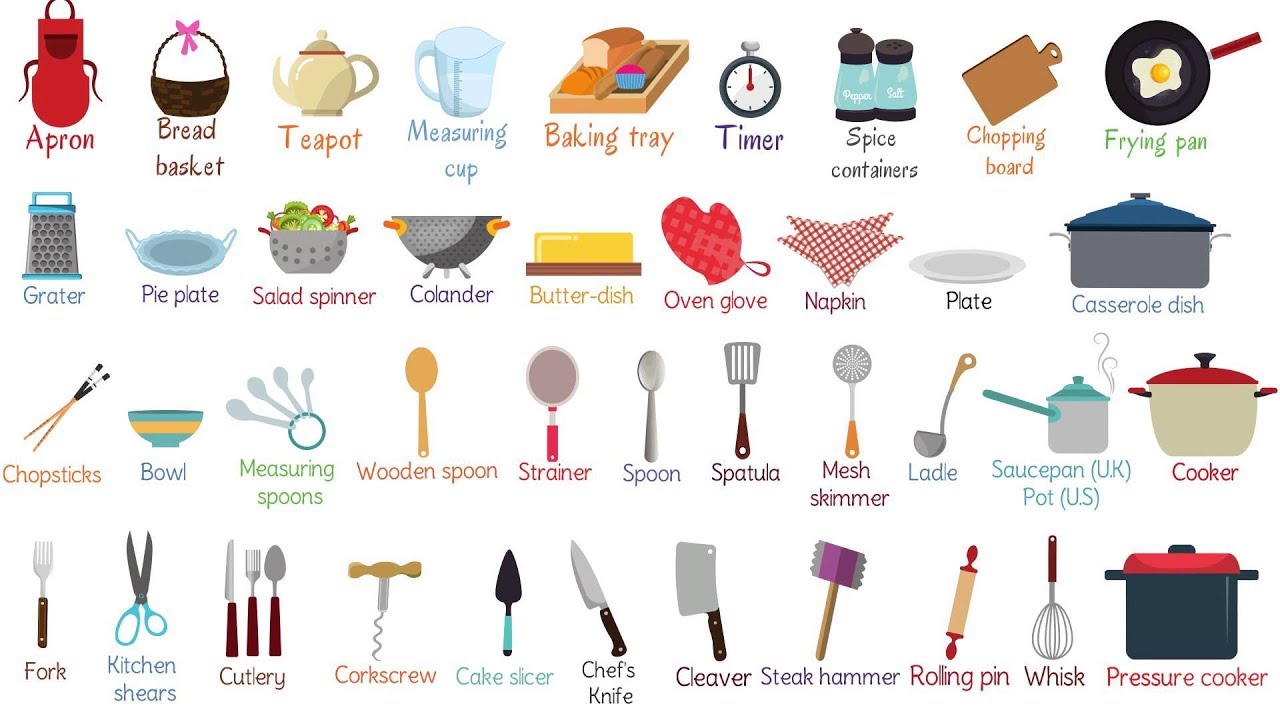
Image Source: i.ytimg.com
The Core Categories of Kitchen Utensils
All kitchen tools fall into a few main groups based on what they do. You need tools for getting food ready, tools for cooking it, and tools for setting the table or serving the finished meal. These cooking tools are the backbone of any functional kitchen.
Food Preparation Equipment: Getting Started
Before the heat comes on, you need tools to get ingredients ready. This stage involves chopping, mixing, measuring, and peeling. Good food preparation equipment saves you time and effort.
Cutting and Chopping Tools
Chopping is perhaps the most common kitchen task. Having the right knife makes a huge difference.
Knives: The Essential Cutting Instruments
A good set of knives is vital. You do not need twenty knives, but you need a few high-quality ones.
| Knife Type | Primary Use | Material Focus |
|---|---|---|
| Chef’s Knife | General chopping, slicing, dicing | High carbon stainless steel |
| Paring Knife | Small, detailed peeling and trimming | Sharp edge for control |
| Serrated Knife (Bread Knife) | Slicing bread or soft items | Saw-like edge |
| Utility Knife | In-between tasks, general slicing | Medium size |
Always keep your knives sharp. A dull knife is more dangerous than a sharp one. Learning basic knife skills helps you use these culinary instruments safely.
Other Cutting Aids
Beyond knives, other items help with prep work.
- Cutting Boards: You need surfaces to protect your counters and knives. Wood or plastic boards work well. Use separate boards for raw meat and fresh produce.
- Peelers: These remove skins from fruits and vegetables easily. Swivel peelers are often the easiest to use.
- Graters and Zesters: Used for cheese, citrus zest, or shredding vegetables. Box graters offer multiple surfaces for different textures.
Measuring and Mixing Implements
Accuracy matters in baking, but it helps in regular cooking too. Correct measurements ensure good results.
Measuring Tools
- Measuring Cups (Dry): Used for flour, sugar, and solids. They should be leveled off with a straight edge.
- Measuring Cups (Liquid): These are see-through, often with a spout, to measure liquids at eye level.
- Measuring Spoons: Used for small amounts of spices, extracts, or leaveners.
Mixing and Combining Tools
You need tools to combine ingredients properly.
- Mixing Bowls: Get a set of sturdy bowls in various sizes. Stainless steel or glass bowls are popular choices.
- Whisks: These incorporate air or smooth out lumps. Balloon whisks are great for whipping cream or egg whites.
- Spatulas (Rubber/Silicone): Perfect for scraping the sides of bowls to get every bit of batter or dough.
Specialized Preparation Gadgets
Some kitchen gadgets speed up specific tasks.
- Can Openers: Essential for opening canned goods. Manual or electric versions exist.
- Colanders and Strainers: Used to drain pasta or rinse vegetables. Look for sturdy metal ones.
- Manual Juicers: Great for squeezing lemons or limes quickly.
Cookware: The Heat Application Essentials
Cookware refers to the vessels you use directly on the stove or in the oven for cooking food. The material matters greatly for heat distribution and longevity.
Stovetop Cookware
This category includes pots and pans used over direct heat.
Frying Pans (Skillets)
Frying pans are shallow with sloped sides, ideal for searing, sautéing, and frying.
- Non-Stick Skillets: Best for delicate items like eggs or fish. Take care not to use metal utensils on them.
- Cast Iron Skillets: Hold heat exceptionally well and can go from stovetop to oven. They require seasoning.
- Stainless Steel Skillets: Durable and great for getting a good sear on meat.
Saucepans and Stockpots
These deep vessels are for liquids.
- Saucepans: Smaller with high, straight sides, perfect for sauces, boiling water for eggs, or heating soup. They usually come with lids.
- Stockpots: Very large and deep. Use these for making large batches of soup, boiling pasta, or simmering stocks.
Specialized Pots
- Dutch Ovens: Heavy pots with tight-fitting lids. They are fantastic for braising meats or baking bread because they distribute heat evenly.
- Sauté Pans: Similar to skillets but usually have straight, high sides. They are better for simmering sauces after searing.
Material Focus in Cookware
The material affects how your cooking tools perform.
- Aluminum: Light and heats up fast. Non-stick versions are common.
- Stainless Steel: Durable, non-reactive, and easy to clean. Often has an aluminum or copper core for better heating.
- Cast Iron: Heavy, retains heat perfectly, but needs careful maintenance to prevent rust.
Bakeware: Tools for Oven Mastery
Bakeware refers to the items used inside the oven for baking things like cakes, cookies, and bread.
Cake and Dessert Molds
These shapes determine the final look of your baked goods.
- Cake Pans: Usually round or square. Springform pans are special pans where the sides release from the base, perfect for cheesecakes.
- Muffin Tins/Cupcake Pans: Have multiple cups for individual servings. Use liners for easy removal.
- Loaf Pans: Rectangular pans ideal for bread, meatloaf, or quick breads like banana bread.
Sheet Pans and Baking Trays
These are flat or slightly rimmed metal sheets.
- Baking Sheets (Cookie Sheets): Large, flat surfaces for cookies or roasting vegetables.
- Jelly Roll Pans: Similar to baking sheets but usually have a very shallow rim all around.
Tip: Lining bakeware with parchment paper prevents sticking and makes cleanup simple.
Essential Utensils for Handling and Turning
Once food is cooking, you need tools to safely move, flip, and serve it. These are often small, handheld kitchen implements.
Flipping and Turning
- Spatulas (Metal or Heat-Resistant Plastic): Used for flipping pancakes, burgers, or scraping baked goods from a tray. A slotted turner lets grease drain away.
- Tongs: Excellent for grabbing, turning, and lifting food like chicken pieces or asparagus. They offer a secure grip without piercing the food.
Stirring and Serving
- Wooden Spoons: A classic choice. They won’t scratch non-stick surfaces, and they don’t conduct heat like metal spoons. They are great for stirring thick sauces.
- Ladle: A deep, long-handled spoon designed specifically for scooping and serving soups, stews, or punch.
Storage and Organization Utensils
Where you keep your tools is almost as important as what tools you have. Good organization keeps your food preparation equipment handy.
Storing Knives Safely
Knives should never just rattle around in a drawer.
- Knife Blocks: Countertop blocks with slots to safely store knives upright.
- Magnetic Strips: Strips mounted on the wall that hold knives securely by the blade. This saves counter space.
Storing Other Utensils
- Crocks/Utensil Holders: Ceramic or metal jars kept on the counter to hold frequently used items like whisks, spatulas, and wooden spoons.
- Drawer Organizers: Trays that divide drawers into sections, keeping smaller kitchen gadgets tidy.
Tableware and Serving Utensils
Once the food is cooked, you need tools to get it to the table and onto individual plates. These are sometimes called tableware or serving utensils.
Serving the Meal
- Serving Spoons: Larger than regular eating spoons, used for scooping side dishes like mashed potatoes or vegetables.
- Serving Forks: Long, two-tined forks used to lift and transfer larger items like roasts or pasta.
- Pie/Cake Servers: Flat, wedge-shaped tools for lifting and plating slices of dessert.
Eating Implements
While technically separate from preparation tools, eating implements complete the set of essential kitchenware.
- Forks, Knives, and Spoons (Flatware): The basic set for eating. Stainless steel is most common for durability.
Selecting Your Essential Kitchenware
When building your kitchen inventory, focus on quality over quantity. A few excellent pieces will serve you better than many cheap ones. Think about what you cook most often.
The Starter Set Checklist
If you are just setting up a kitchen, prioritize these items:
- One good Chef’s Knife and a cutting board.
- One medium saucepan with a lid.
- One large skillet (stainless steel or cast iron).
- One set of measuring cups and spoons.
- A sturdy spatula, tongs, and a wooden spoon.
This core group covers 80% of everyday cooking needs. You can add specialized kitchen gadgets later as your skills and recipes grow.
Maintenance: Keeping Your Implements Usable
Even the best culinary instruments fail if not cared for properly. Maintenance extends the life of your cooking tools.
Caring for Cookware
- Non-Stick: Never use abrasive sponges or metal kitchen implements on non-stick surfaces. Clean gently with soft soap and water.
- Cast Iron: Wash quickly, dry immediately, and apply a thin layer of oil (seasoning) after use. Never soak cast iron.
- Stainless Steel: Use a non-abrasive cleaner if food is stuck. Avoid harsh scouring pads that can scratch the finish.
Knife Sharpening
Knives must be sharp for safety and efficiency.
- Use a honing steel regularly (weekly for frequent cooks) to realign the blade edge.
- Get knives professionally sharpened or learn to use a whetstone periodically (every few months, depending on use).
The Role of Modern Kitchen Gadgets
The world of kitchen gadgets is always expanding. While some are unnecessary, others truly simplify complex tasks.
- Immersion Blenders (Stick Blenders): Great for pureeing soups right in the pot, saving you from transferring hot liquids to a regular blender.
- Digital Scales: Offer superior accuracy for baking compared to volume measuring cups.
- Instant Read Thermometers: Ensure meats and baked goods reach the correct internal temperature for safety and perfection.
These modern additions enhance the efficiency of your food preparation equipment, allowing you to focus more on the flavor.
Final Thoughts on Kitchen Tools
Every successful meal begins with the right kitchen implements. By choosing quality cookware, stocking up on necessary food preparation equipment, and maintaining your culinary instruments, you build a foundation for enjoyable cooking. Remember that the best tools are the ones you use often and take care of well. This guide provides the blueprint for stocking your kitchen with the right essential kitchenware and serving utensils needed for any culinary adventure.
Frequently Asked Questions (FAQ)
What is the single most important kitchen utensil to own?
The single most important kitchen implement is a high-quality, sharp Chef’s Knife. It is used in almost every aspect of food preparation equipment setup, from chopping vegetables to trimming meat.
Should I buy non-stick or stainless steel cookware?
It depends on use. Stainless steel cookware is excellent for searing and high-heat cooking where you want fond (browned bits) to develop. Non-stick is best for delicate foods like eggs or pancakes, where easy release is the priority. Many chefs suggest owning both types.
What are tableware accessories?
Tableware accessories refer to the items used for setting the table and serving the finished food. This includes serving utensils like ladles and large spoons, as well as flatware (eating forks and knives) and serving dishes.
Are expensive kitchen gadgets worth the money?
It depends on the kitchen gadget. Basic, useful tools like a good immersion blender or a digital scale are often worth the investment because they save time and improve results. Overly specialized cooking tools that only perform one niche task might not be worth the counter space or cost unless you cook that specific item very frequently.
How do I keep my wooden cooking tools from splitting?
Wooden culinary instruments should be hand-washed only. Do not soak them in water or put them in the dishwasher. After washing, dry them thoroughly. Occasionally rubbing them with food-grade mineral oil helps keep the wood conditioned and prevents drying out or splitting.