
A kitchen range hood is a device placed above your stove or cooktop. Its main job is to pull smoke, grease, steam, and odors out of your kitchen air. This helps keep your kitchen clean and the air healthy to breathe.
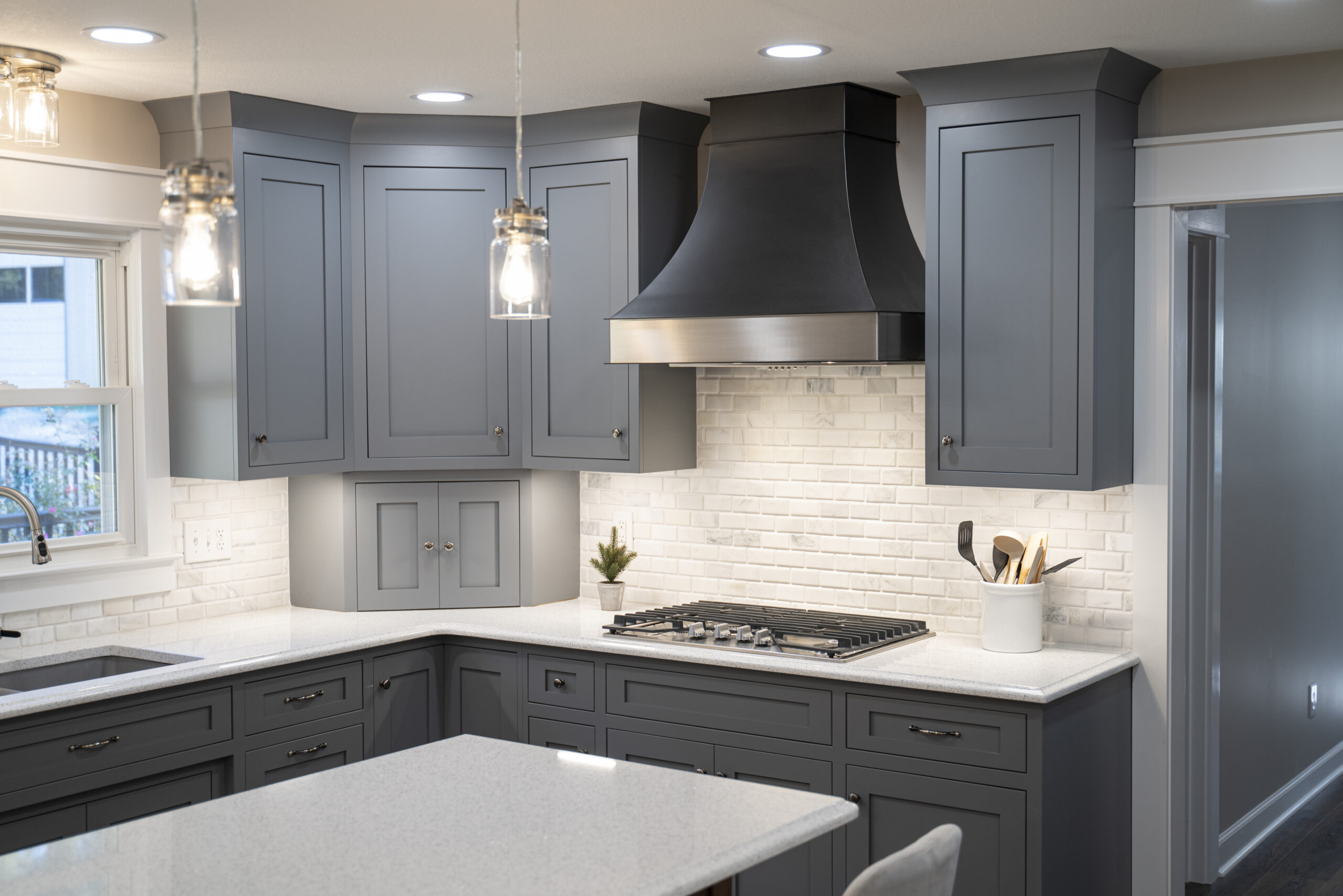
Image Source: www.stollindustries.com
The Essential Role of Range Hood Ventilation
Cooking creates a lot of unwanted things in the air. When you fry food, boil water, or sauté vegetables, small particles fill your kitchen. These particles include grease, smoke, and moisture. A good range hood ventilation system manages this air pollution effectively.
Keeping Your Kitchen Clean
Grease is sticky. If it floats in the air, it settles on cabinets, walls, and ceilings. Over time, this builds up, making surfaces look dull and greasy. It is hard to clean this film later.
- Reduces Grease Build-up: The hood traps airborne grease particles before they can land on surfaces.
- Prevents Stains: Smoke and cooking fumes can discolor paint and wallpaper. Good ventilation stops this damage.
- Controls Moisture: Boiling water creates a lot of steam. Too much steam can damage wood cabinets and promote mold growth. The hood pulls this steam away.
Health and Air Quality Benefits
Cooking fumes are not just smelly; some can be bad for your health. Burning food or using gas stoves can release harmful gases and fine particles.
A kitchen exhaust fan works like the lungs of your kitchen. It removes these airborne pollutants. This is especially important for people with asthma or allergies. Better air quality means a healthier home environment for everyone.
Deciphering Range Hood Types
Not all range hoods look the same or work the same way. Choosing the right type depends on your kitchen layout and your venting options. We will explore the main styles available today.
Ducted vs. Ductless Range Hood Options
The biggest difference between hoods is how they handle the air they suck in. This leads to two main categories: ducted vs. ductless range hood systems.
Ducted Systems (Vented)
A ducted system is the gold standard for ventilation. It moves all the collected air outside your home through a pipe (a duct).
- Pros: It removes all smoke, grease, heat, and moisture completely. This offers the best performance.
- Cons: Installation is complex. It requires running ducts to an exterior wall or the roof. This can be costly, especially in older homes.
Ductless Systems (Recirculating)
Ductless hoods do not vent air outside. Instead, they clean the air and blow it back into the kitchen.
- How They Work: They use filters. Usually, they have a metal mesh filter to catch grease. Then, they use a charcoal filter to trap odors and smoke particles.
- Pros: Easy to install. They are great for apartments or kitchens where external venting is impossible.
- Cons: They only filter odors and some grease; they do not remove heat or moisture. Filters need regular cleaning or replacement to work well.
Styles of Range Hoods
Within these two venting categories, hoods come in several common styles to fit different kitchen designs.
Under Cabinet Range Hood
The under cabinet range hood is the most common style. It mounts directly under the existing kitchen cabinets above the stove.
- Best For: Standard kitchens where space is limited. They are usually the most budget-friendly option.
- Venting: They can often be installed as either ducted or ductless.
Wall Mount Range Hood
These hoods attach directly to the wall above the cooktop. They look like a chimney or a canopy extending out from the wall.
- Best For: Kitchens with a modern or professional look. They offer great capture area over the cooking surface.
- Venting: They are almost always ducted, running the vent pipe up the wall and out.
Island Range Hood
If your cooktop is on a kitchen island, you need an island range hood. This hood hangs down from the ceiling directly over the island stove.
- Best For: Open-concept kitchens where the stove is not against a wall.
- Installation Note: Because they hang in the open, they must look good from all angles. They generally require extensive ceiling ductwork installation.
Microwave Hood Combo
The microwave hood combo is a space-saving unit. It integrates a microwave oven with a ventilation fan underneath.
- Best For: Smaller kitchens where counter space is precious.
- Performance Note: While convenient, their fan power (CFM) is usually lower than dedicated hoods. They are typically ducted out the back or top.
Fathoming Fan Power: Range Hood CFM Rating
The most important specification when comparing hoods is the range hood CFM rating. CFM stands for Cubic Feet per Minute. This number tells you how much air volume the fan can move in one minute. Higher CFM means better ventilation power.
Why CFM Matters
A high CFM rating means the hood can capture and move heavy smoke and grease quickly. If your CFM is too low for your stove size, the smoke will escape the capture zone.
Calculating Your Needs
There is no single perfect CFM number. Your required CFM depends on three main factors: the size of your cooking surface, the fuel source (gas vs. electric), and ductwork length.
Gas vs. Electric Cooktops
Gas cooktops burn fuel, releasing more combustion byproducts, including nitrogen dioxide. Therefore, they need more ventilation than electric cooktops.
| Cooktop Type | Recommended Minimum CFM |
|---|---|
| Electric (Smooth Top) | 100 – 200 CFM |
| Electric (Coil Top) | 200 – 300 CFM |
| Gas (Under 15,000 BTUs) | 300 – 400 CFM |
| Gas (Over 15,000 BTUs) | 400 – 600+ CFM |
Rule of Thumb for Gas Stoves: For every 100 BTUs of burner power, you should have at least 100 CFM of ventilation. If you have a powerful 60,000 BTU professional gas range, you might need 600 CFM or more.
Impact of Ductwork on CFM
Even a powerful fan loses efficiency if the ductwork is poor. Long ducts or ducts with too many bends slow the air down.
- Duct Length: Every foot of duct run reduces performance slightly. Keep runs as short and straight as possible.
- Duct Size: Using ducts that are too small (e.g., using 4-inch ducts on a powerful hood meant for 8-inch ducts) drastically lowers effective CFM. Always match the duct size to the hood outlet size.
Features That Improve Performance
Modern range hoods offer features beyond just turning on and off. These additions enhance usability and cleaning.
Filter Types and Maintenance
Filters are crucial for grease trapping.
- Baffle Filters: These are metal filters (usually stainless steel or aluminum). They use overlapping plates to trap grease through gravity and changes in air direction. They are very effective and usually dishwasher-safe.
- Mesh Filters: Common in lower-cost or ductless models. They are fine metal screens that catch grease. They require frequent hand washing.
Lighting
Good lighting helps you see what you are cooking safely. Most modern hoods come with built-in lighting, often using energy-efficient LED bulbs. Look for adjustable brightness levels.
Noise Levels (Sones)
Fan speed often correlates with noise. Noise is measured in Sones (not decibels). A lower Sone rating means a quieter hood.
- A quiet hood might be 1 to 3 Sones at low speed.
- A loud, powerful hood might reach 7 to 9 Sones on high.
When shopping for the best range hoods, check user reviews specifically for noise complaints, as a powerful hood that is too loud can be frustrating.
The Process of Installing a Range Hood
Installing a range hood can be a DIY project or one best left to professionals. The complexity depends entirely on whether you are installing a ducted or ductless system.
Ductless Installation Simplicity
Installing a ductless (recirculating) hood is relatively straightforward.
- Mount the hood bracket to the wall or cabinet, ensuring it is level.
- Connect the electrical wiring (usually plugging it into an existing outlet or hardwiring).
- Install the grease filter and the charcoal filter.
- Mount the hood onto the bracket.
Ducted Installation Challenges
Ducted installation is significantly harder because it involves cutting holes in your walls or roof to run the external vent pipe.
- Mapping the Route: Determine the shortest, straightest path for the ductwork to the outside.
- Cutting the Opening: Drill a precise hole through the exterior wall or roof for the vent cap. This must be sealed properly to prevent leaks.
- Running the Duct: Install rigid metal ductwork. Avoid flexible plastic ducting, as it traps grease and hinders airflow. Keep bends to a minimum (ideally no more than three 90-degree turns).
- Electrical Work: Ensure the hood has a dedicated circuit if required by local code, or is properly wired to an existing power source.
If you are unsure about cutting into your exterior structure or electrical work, hiring a licensed contractor is highly recommended to ensure safety and code compliance.
Choosing the Right Hood for Your Kitchen Setup
Selecting the perfect hood requires matching its style and power to your existing kitchen architecture.
Kitchen Layout Considerations
Your stove location dictates the primary style you should consider.
- Stove Against an Exterior Wall: An under cabinet range hood or a wall mount range hood works best. Ducted installation is often simplest here because the ducting can run directly out the back.
- Stove on an Interior Wall: You must use a hood that vents up through the ceiling or cabinet space and then across to an exterior wall. This makes ducting harder, sometimes pushing people toward ductless options.
- Stove on an Island: An island range hood is necessary. Since these often require long duct runs up to the ceiling and through the attic, they usually involve the most complex installation.
Selecting the Best Range Hood for High-Heat Cooking
If you frequently sear steaks or wok-cook, you generate a large, intense plume of smoke and heat.
- Focus on CFM: Look for hoods with a range hood CFM rating of 600 or higher.
- Capture Area: Ensure the hood canopy extends slightly beyond the edges of your cooktop. A wider hood captures more effluent.
- Consider Make-Up Air (MUA): Very high-CFM hoods (usually over 1200 CFM) can depressurize your home. This means they suck out air faster than your house can draw replacement air in, potentially causing furnaces or water heaters to backdraft dangerous gases. In many areas, local codes require a Make-Up Air system when installing powerful fans like this. MUA systems bring fresh, tempered air into the house to replace the air being vented out.
When a Microwave Hood Combo is Acceptable
While dedicated hoods outperform them, the microwave hood combo is suitable if:
- Your cooking is light (mostly boiling or reheating).
- You have very strict space constraints.
- Your budget is tight, and professional installation of a ducted system is too expensive.
Always check the CFM on a microwave hood combo; many are below 200 CFM, which is barely adequate for light electric cooking.
Comparing Major Range Hood Styles in Detail
Let’s look closer at how the specific styles function in real-world settings.
Wall Mount Range Hoods: The Statement Piece
Wall mount hoods often look like pieces of modern art. They usually offer excellent performance because they have a direct vertical path for ducting.
| Feature | Wall Mount Range Hood |
|---|---|
| Appearance | Dominant, professional aesthetic |
| Ducting Path | Direct vertical or short horizontal run |
| Maintenance | Baffle filters are often standard and easy to access |
| Placement | Requires clear wall space above the stove |
Island Range Hoods: The Centerpiece Challenge
Island hoods must provide powerful ventilation while remaining visually appealing. They must pull air from all directions, making proper capture crucial.
- Capture Zone: They need wider coverage than wall-mounted units because cross-drafts from open spaces can pull smoke away from the capture area.
- Ducting Complexity: Ducts must travel up through the chimney chase and then horizontally through the ceiling joists or attic space before exiting the roof. This added length significantly impacts fan effectiveness unless compensated for with higher initial CFM.
Under Cabinet Range Hoods: The Workhorse
These are the most common choice for good reason: they are efficient and blend in well with standard cabinetry.
- If you upgrade from an old, weak hood to a new, powerful under cabinet range hood, you might be able to utilize existing ductwork, reducing installation costs significantly compared to switching to a wall mount.
Maintenance for Longevity and Peak Performance
Even the best range hoods will fail prematurely if not cared for properly. Routine maintenance keeps your kitchen exhaust fan running efficiently and quietly.
Cleaning Grease Filters
This is the most frequent task.
- Frequency: Clean grease filters at least once a month if you cook daily, especially if you fry foods often.
- Method: For metal baffle filters, soak them in hot, soapy water or run them through the dishwasher. Rinse thoroughly and dry completely before reinstalling.
Cleaning the Hood Exterior and Interior
The exterior surface needs regular wiping to remove settled grease film. The inside surface, above the filters, collects condensed grease splatter.
- Unplug the unit first.
- Use a mild degreaser spray and a non-abrasive cloth to wipe down the interior surfaces carefully, avoiding the motor housing and lights.
Checking the Ductwork (Ducted Systems Only)
If you notice a significant drop in ventilation power, the ductwork might be clogged with heavy, sticky grease.
- If accessible, inspect the first few feet of the duct near the fan.
- For safety, only attempt deep duct cleaning if you are experienced or hire a professional duct cleaner. Clogged ducts are a serious fire hazard.
Frequently Asked Questions About Range Hoods
H5: Do I have to have a ducted system?
No, you do not strictly have to have a ducted system, especially if you rent or cannot modify your exterior walls. Ductless (recirculating) hoods are an alternative. However, ducted systems offer vastly superior air cleaning by removing heat, moisture, and pollutants completely from your home.
H5: How do I know if my current range hood CFM rating is enough?
If you often smell strong cooking odors lingering for hours after you finish cooking, or if steam fogs up your windows even with the fan on high, your CFM rating is likely too low for your cooking habits. Measure your stove’s total BTU output (for gas) or estimate your usage, and compare it to the chart provided earlier to determine if an upgrade is necessary.
H5: Can I install an island range hood myself?
Installing a range hood, especially an island model, is often complex. Island hoods require running large ducts through the ceiling, which involves navigating beams and potentially insulation. Electrical wiring must also be run overhead. It is generally best to hire a professional carpenter and electrician for island installations.
H5: What is the difference between range hood CFM and makeup air?
CFM measures the volume of air the fan moves out of your house. Makeup Air (MUA) is the system that brings fresh, outside air into the house to replace the volume that the high-powered range hood just exhausted. If you have a powerful hood (typically over 600 CFM, depending on local rules), you might legally require an MUA system to prevent negative air pressure inside your home.