
What kitchen utensils do I need? You need a core set of essential cooking tools that make everyday cooking safe, efficient, and enjoyable. Building a kitchen from scratch can feel overwhelming, but focusing on the basics first ensures you have the necessary culinary equipment for almost any recipe.
Starting your culinary journey or simply refreshing your collection requires smart choices. You do not need every fancy gadget available. Instead, focus on quality over quantity. A well-chosen starter kitchen inventory simplifies meal preparation significantly. This guide breaks down the best everyday cooking utensils you truly need, focusing on durability and versatility.
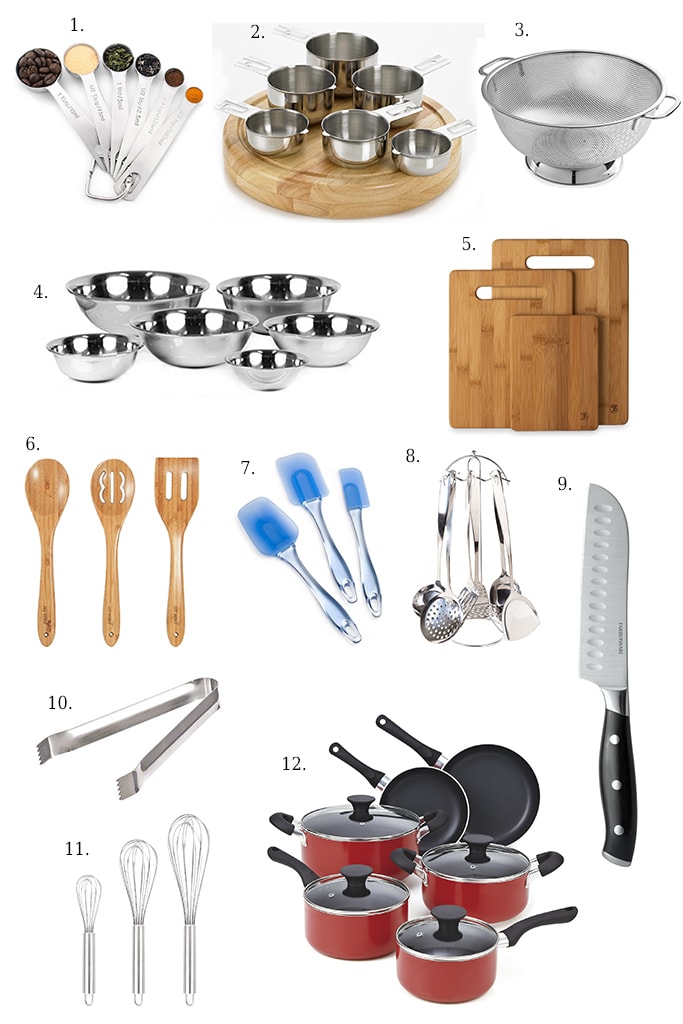
Image Source: thecookingjar.com
Core Categories of Necessary Kitchen Implements
We can group the standard kitchen implements into several key areas. Each group serves a vital purpose in the kitchen, from handling heat to precise measurement.
I. The Importance of Proper Cutting Tools (Knives)
Sharp knives are perhaps the most important tools in your kitchen. They increase speed and safety. Dull knives slip, causing accidents. Investing in a few high-quality important kitchen knives is crucial.
Essential Kitchen Knives Selection
A full knife block is often overkill for a beginner. You can manage most tasks with just three excellent knives.
- Chef’s Knife (8-inch): This is your workhorse. It chops, slices, and dices. Look for a balanced, comfortable handle.
- Paring Knife (3-4 inch): Perfect for small, detailed tasks. Think peeling, trimming, and coring.
- Serrated Bread Knife (9-10 inch): Essential for bread, tomatoes, and soft items where sawing motion works best.
Table 1: Core Knife Set Needs
| Knife Type | Primary Use | Key Feature |
|---|---|---|
| Chef’s Knife | General chopping, slicing | Versatility and balance |
| Paring Knife | Peeling, small tasks | Precision control |
| Serrated Knife | Cutting bread and soft items | Saw-like edge |
Knife Care Essentials
Even the best knives need care. You must keep them sharp. A simple honing steel keeps the edge straight between professional sharpenings. Never put good knives in the dishwasher; hand washing preserves the blade.
II. Mixing, Measuring, and Prep Tools
Accurate measurements ensure recipes turn out right. Prep tools make chopping and mixing easy before the heat comes on. These are fundamental food prep tools.
Measuring Devices
Baking, especially, relies on correct measurements. Gather both dry and liquid measures.
- Dry Measuring Cups: Sets usually go from 1 cup down to 1/4 cup.
- Liquid Measuring Cups: Clear, glass or plastic cups with pour spouts and clear markings are best.
- Measuring Spoons: A standard set (tablespoon down to 1/4 teaspoon) is necessary.
- Kitchen Scale: While not strictly necessary for every dish, a scale offers the most accurate results, especially for baking.
Mixing and Combining Implements
You need tools to bring ingredients together smoothly.
- Mixing Bowls: Get a set of three or four bowls in varying sizes (small, medium, large). Stainless steel or sturdy glass bowls work well because they don’t stain or break easily.
- Whisks: A balloon whisk is great for incorporating air into eggs or batters. A smaller flat whisk works well for sauces in shallow pans.
- Rubber Spatulas (Scrapers): These are crucial for scraping every bit of batter or sauce from a bowl. Heat-safe silicone spatulas are the best choice today.
III. Tools for Turning, Stirring, and Serving
When the food is cooking, you need tools that can handle heat and move food around safely. These items protect your pots and pans.
Heat-Resistant Utensils
If you use non-stick pans, using the wrong tools can ruin their coating quickly. Silicone or wooden tools are your friends here.
- Wooden Spoons: Timeless and cheap. They do not scratch pans and do not conduct heat well. Buy a couple of different sizes.
- Silicone Spatulas/Spoons: These are heat-resistant and flexible. They are superior for stirring thick sauces or folding ingredients.
- Slotted Spoons: Good for lifting food out of liquid, like draining boiled vegetables or poached eggs.
- Tongs (Locking): Tongs are incredibly useful for turning meats, tossing salads, or handling hot items. Locking tongs (that stay closed when not in use) save space and are easier to store.
IV. Specialized Prep Gadgets
While some must-have kitchen gadgets are specialized, a few offer such high utility that they earn a spot in the essential list.
Peeling and Grating
- Vegetable Peeler: A Y-shaped peeler is often faster and easier to use than the straight type.
- Box Grater: This multi-sided tool handles shredding cheese, grating vegetables (like carrots or zucchini), and zesting citrus fruits.
Openers and Strainers
These items solve common kitchen problems efficiently.
- Can Opener: A sturdy, manual can opener that cuts the side of the can is generally more reliable than electric models.
- Colander/Strainer: Needed for rinsing grains, washing vegetables, or draining pasta. A stainless steel model is durable.
- Garlic Press (Optional but Helpful): If you use garlic often, a good press saves time and effort compared to mincing by hand.
Essential Baking Supplies
If you plan to bake, your starter kitchen inventory needs a few additions beyond the basics used for savory cooking. Baking is chemistry; accuracy matters a lot.
V. Dedicated Baking Implements
These tools help you achieve light textures and perfectly formed goods.
- Rolling Pin: A simple, heavy wooden or marble pin works best for flattening dough evenly.
- Pastry Brush: Used for applying egg washes, butter, or glazes. Silicone brushes clean up much easier than natural bristle brushes.
- Wire Rack (Cooling Rack): Essential for allowing baked goods to cool completely and evenly. If air cannot circulate underneath, the bottoms will become soggy.
- Sifter or Fine Mesh Sieve: Necessary for aerating flour and removing lumps.
VI. Essential Cookware Accessories
Tools complement cookware. Having the right accessories makes using pots and pans much safer and cleaner. These are vital core cookware accessories.
- Pot Holders and Oven Mitts: High-quality, heat-resistant protection is non-negotiable for safety.
- Trivets: Protect your counters and tables from hot pots pulled straight from the stove or oven.
- Instant-Read Thermometer: A digital thermometer is a game-changer. It ensures meats are cooked safely to the right temperature without overcooking them. This is one of the most useful must-have kitchen gadgets for any serious cook.
Beyond the Utensils: Small Appliances That Matter
While this list focuses on handheld tools, a few small appliances drastically improve efficiency and are considered part of the necessary culinary equipment for a modern kitchen.
VII. High-Utility Small Appliances
Focus on tools that save significant time or perform tasks manual methods cannot easily replicate.
- Blender (High-Speed): Critical for smooth soups, smoothies, and purees. A quality blender lasts for years.
- Immersion Blender (Stick Blender): Fantastic for pureeing soups right in the pot, avoiding the messy transfer to a traditional blender.
- Toaster or Toaster Oven: Depending on your space and needs, one of these is key for quick breakfasts or reheating small items.
Deciphering Materials: What Should I Buy?
The material of a utensil affects its durability, safety, and interaction with your food and cookware.
Stainless Steel
Stainless steel is the standard for many items like whisks, measuring cups, and tongs.
- Pros: Very durable, easy to clean, highly heat resistant.
- Cons: Conducts heat (bad for spoons left in a hot pot), can scratch softer cookware surfaces.
Silicone
Silicone has become incredibly popular for spatulas and spoons.
- Pros: Extremely heat resistant (usually safe up to 500°F), very flexible, non-stick friendly.
- Cons: Can sometimes absorb strong food odors or colors over time.
Wood
Wooden spoons and spatulas are traditional favorites.
- Pros: Inexpensive, will never scratch any surface, feels nice in the hand.
- Cons: Porous (can harbor bacteria if not cleaned well), can stain, needs occasional oiling to prevent drying and cracking. Important Note: Always dispose of wooden utensils if they develop deep cracks.
Nylon and Plastic
Generally used for less expensive tools or certain prep tasks.
- Pros: Cheap, lightweight.
- Cons: Low heat resistance (melts easily), often stains, wears out faster than metal or silicone. Use only nylon tools rated for high heat near the stove.
Table 2: Material Guide for Utensils
| Material | Best For | Avoid For | Durability Score (1-5) |
|---|---|---|---|
| Stainless Steel | Whisks, Tongs, Measuring cups | Non-stick pans (unless coated) | 5 |
| Silicone | Spatulas, Mixing spoons | Cutting | 4 |
| Wood | General stirring, mixing | Long soaking in water | 3 |
| Heat-Resistant Nylon | Budget-friendly prep tools | Directly over high heat | 2 |
Organizing Your Essential Cooking Tools
Having the best everyday cooking utensils is only half the battle. If you cannot find them quickly, they are useless. Organization is key to a functional kitchen workflow.
Drawer Organization Strategy
Most smaller items—peelers, measuring spoons, small spatulas—should live near where you use them most.
- Near the Prep Area: Store knives (safely!), peelers, graters, and measuring cups here. Use drawer dividers to keep things separated.
- Near the Range: Keep tongs, wooden spoons, and ladles in a crock right next to the stove. This keeps them handy for stirring without having to open a drawer mid-sauté.
Hanging Storage for Space Saving
If drawer space is limited, vertical storage is your solution.
- Pegboards or Rail Systems: Install a sturdy rail system above your counter or backsplash. Hang frequently used items like ladles, whisks, and tongs. This keeps them visible and accessible, turning your essential cooking tools into part of the kitchen decor.
Frequently Asked Questions About Kitchen Utensils
Do I really need a specific utensil for every task?
No. The goal is efficiency, not accumulation. Focus on versatile tools. For instance, a good silicone spatula can scrape bowls, fold batter, and stir sauces. A quality set of essential cooking tools should overlap in function to save you money and storage space.
What are the absolute minimum necessary culinary equipment items for a new apartment?
If you must keep the list ultra-short, focus on:
1. One good Chef’s knife.
2. A cutting board.
3. One large stainless steel pot and one medium non-stick pan.
4. A set of measuring cups/spoons.
5. One rubber spatula and one wooden spoon.
6. Tongs.
How important are core cookware accessories like trivets?
They are important for protecting your surfaces. While you can use a folded towel, a dedicated trivet is safer and more stable, especially when dealing with heavy, hot Dutch ovens or baking sheets.
Can I use metal utensils on my non-stick pans?
Generally, no. Metal can scratch the non-stick coating, leading to peeling and reduced effectiveness. Stick to silicone or wood when cooking in non-stick pans. Stainless steel is fine for stainless steel cookware.
What makes certain gadgets must-have kitchen gadgets while others are gimmicks?
Must-have kitchen gadgets solve common, frequent problems efficiently (like an instant-read thermometer or a reliable can opener). Gimmicks solve very specific, rare problems (like an avocado slicer with five different functions). Stick to tools with broad application.
Why are important kitchen knives such a big investment?
Good knives are made from higher quality steel that holds a sharper edge longer. They are balanced for comfort, reducing hand strain during long periods of chopping. This directly impacts the safety and speed of your food preparation.
How do I choose the right size for my mixing bowls?
A starter kitchen inventory should include one large bowl (for mixing big batches of dough or salads), one medium bowl (for whisking eggs or sauces), and one small bowl (for thawing or holding ingredients). Three sizes cover 90% of home cooking needs.
What makes a vegetable peeler one of the fundamental food prep tools?
Peelers remove the tough, often bitter outer skin of vegetables (like potatoes, carrots, or cucumbers) much more safely and efficiently than a knife, saving edible flesh in the process. It is a cornerstone of basic vegetable prep.