
The best location for a microwave depends on your kitchen size, layout, and how often you use it. Ideally, it should be at a comfortable height for safe access, away from heat sources, and integrated smoothly into your workflow.
Deciding where to place your microwave is a big step in kitchen design. It impacts your daily routine. It also affects the look of your cooking space. A well-chosen spot makes cooking easier and safer. A poor spot can cause clutter or even be dangerous. This guide helps you explore all the top microwave placement ideas. We look at everything from sleek built-ins to practical countertop options.
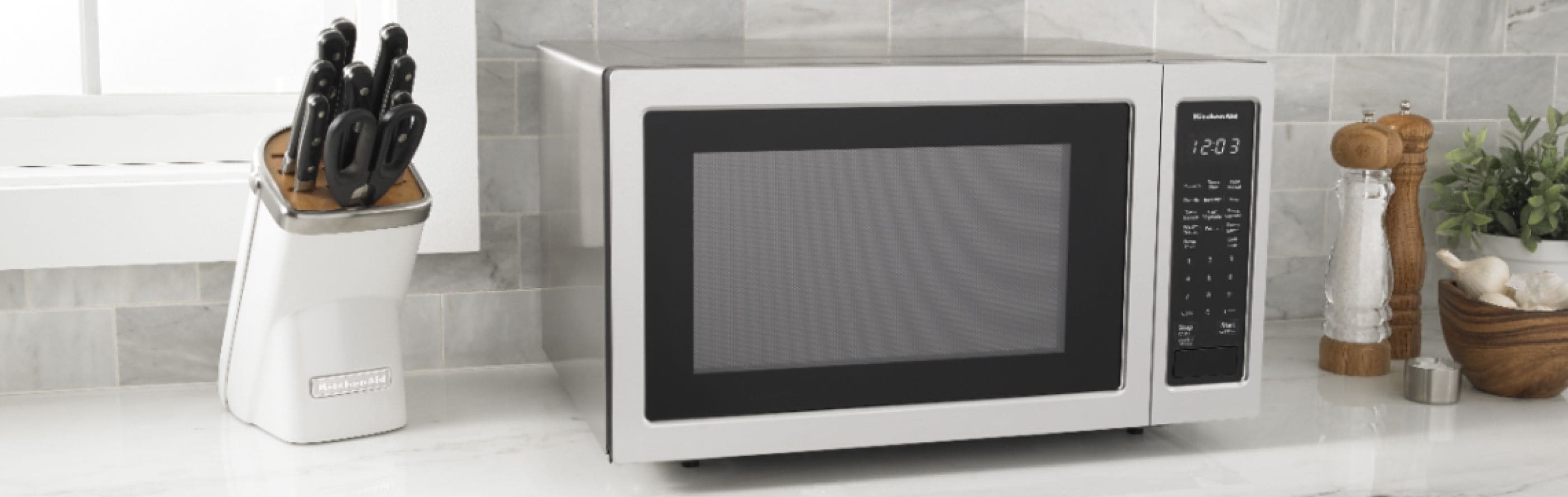
Image Source: www.kitchenaid.com
Evaluating Your Kitchen Layout for Microwave Placement
Your existing kitchen layout microwave placement options are often limited by plumbing, wiring, and cabinet structure. Before choosing a spot, look at your kitchen triangle (sink, fridge, stove). The microwave should fit logically within this flow.
Countertop Microwave Location Considerations
The easiest solution is often the countertop microwave location. It needs minimal installation. You just need a clear, sturdy surface near an outlet.
Pros:
- Easy to move if needed.
- No special cabinetry required.
- Simple installation—just plug it in.
Cons:
- Takes up valuable counter space.
- Can look cluttered if the cord shows.
- Height might be too low or too high for some users.
If you choose the counter, make sure the area around it has good ventilation. Microwaves release heat. Placing it too close to a wall or cabinet corner traps this heat. This is not good for the appliance or the cabinet finish.
The Case for Over the Range Microwave Installation
Over the range microwave installation is a popular choice, especially in smaller kitchens. This unit serves two purposes: it heats food and acts as a ventilation hood for your cooktop.
Pros:
- Saves counter space completely.
- Often includes necessary venting features.
- Positions the microwave at a good height for many adults.
Cons:
- Requires professional installation for proper venting and electrical setup.
- If the range vents poorly, cooking performance suffers.
- It might be too high for shorter users or children to reach safely.
When installing over the range, check local building codes. Ensure the microwave height guidelines are followed. Generally, the bottom of the microwave should be between 54 and 58 inches off the floor. This keeps the controls accessible but the cooking chamber safely above the stovetop.
Dedicated Cabinet Solutions: Built-In and Drawer Options
For a high-end, seamless look, dedicated cabinetry is the way to go. This hides the appliance and keeps counters clear.
Built-in Microwave Cabinet Dimensions and Integration
A built-in microwave cabinet dimensions must match the appliance specifications exactly. These microwaves are designed to sit flush within cabinetry, often using trim kits for a polished look.
- Measure Twice, Buy Once: Always check the cabinet opening dimensions against the microwave’s outer casing and the required internal ventilation space.
- Ventilation Space is Key: Even built-in models need airflow, usually at the front or top/bottom vents. The cabinet must allow this air to move freely.
- Support: The shelf holding the microwave must be strong enough. Microwaves are heavy, especially when fully loaded with hot food.
When planning your built-in microwave cabinet dimensions, remember accessibility. The interior light and controls should be easily visible when the door opens.
The Modern Solution: Microwave Drawer Installation
The microwave drawer installation offers supreme convenience and accessibility. Instead of a door that swings open, the microwave slides out like a drawer, usually mounted below the counter or in a lower cabinet stack.
Pros:
- Excellent accessibility, especially good for wheelchair users or children.
- Sleek, modern look when closed.
- Frees up eye-level cabinet space for dishes or spices.
Cons:
- Usually more expensive than standard models.
- Requires dedicated lower cabinetry space, which might impact storage elsewhere.
- Loading and unloading hot items requires bending down slightly.
If you opt for a drawer, ensure the floor beneath it is clear. You do not want tripping hazards near the opening drawer.
Optimizing Height and Accessibility
A crucial factor in any microwave placement ideas discussion is ergonomics. Where to place microwave for easy access significantly affects daily use comfort and safety.
Establishing Proper Microwave Height Guidelines
The optimal height ensures you can safely put food in and take it out without strain or risk of spills.
| User Height Category | Ideal Control Panel Height (from floor) | Recommended Shelf Height |
|---|---|---|
| Average Adult (5’4″ – 5’10”) | 48 to 54 inches | Slightly above waist level |
| Taller Adults (Over 5’10”) | 52 to 58 inches | Eye level, or just below |
| Shorter Users/Children | 36 to 45 inches | Below shoulder level |
If the microwave is too high, lifting heavy, hot liquids becomes dangerous. If it is too low, frequent users may experience back strain from bending over constantly.
Balancing Aesthetics and Function
Sometimes, the best location for microwave is not immediately obvious. It might be tucked away slightly, sacrificing immediate convenience for better kitchen flow.
Microwave shelf placement within a pantry cabinet or a dedicated appliance garage is a great compromise.
- Appliance Garage: This cabinet has a door that rolls up or folds down. You can keep the microwave ready to use but hidden when company comes over.
- Pantry Integration: If your pantry is near the prep area, placing the microwave inside ensures it’s accessible during meal prep without dominating the main counter area. Ensure the pantry has good ventilation holes if you choose this spot.
Advanced Placement Scenarios and Design Integration
For custom kitchens or major remodels, you can integrate the microwave in ways that completely transform the workspace.
Microwave Placement in Kitchen Islands
Placing a microwave in a kitchen island is modern and convenient, especially if the island is the primary prep zone. However, this demands careful planning.
- Drawer Units are Best: In an island, a microwave drawer is usually the safest and most elegant solution.
- Ventilation Challenges: Islands often lack immediate access to exterior walls for venting, so most island microwaves are compact, countertop-style units placed inside a deep drawer cabinet that vents into the kick space below.
- Avoid Water Lines: Ensure the microwave cabinet is far from the sink plumbing to prevent moisture issues.
Using Open Shelving for Microwaves
Open shelving, while trendy, presents some specific challenges for microwaves. Microwaves generate heat and sometimes steam.
- Sturdy Shelving: The shelf must be robust (at least 1 inch thick) and securely fastened to wall studs.
- Clearance: Provide several inches of clear space above and to the sides for heat escape. Do not place the microwave directly under hanging cabinets unless it is an approved over-the-range model meant for that purpose.
- Aesthetics: If you choose this route, select a microwave with a clean, modern design to match the open look.
Key Placement Mistakes to Avoid
Knowing where not to put your microwave is as important as knowing where to put it. Avoiding these common pitfalls ensures safety and longevity for your appliance.
Heat and Moisture Hazards
The microwave should never be located near intense heat or steam sources.
- Near the Oven/Stove: Placing it right next to the main oven unit, especially if the oven vents upward, can cause the microwave’s electronics to overheat.
- Above the Dishwasher: While sometimes done out of necessity, the heat and steam released when a dishwasher finishes its cycle can affect the microwave controls over time.
Electrical and Safety Issues
Always follow electrical codes for appliance placement.
- Recessed Outlets: If you are building a cabinet niche, ensure the outlet is recessed inside the niche. The cord should not run outside the cabinet space to plug in.
- Door Swing Interference: Make sure the microwave door, when fully opened, does not hit cabinet handles, refrigerator doors, or nearby walkways. This is a major safety hazard.
Comparing Placement Strategies Summary
To help finalize your decision, here is a quick comparison of the main strategies regarding microwave placement ideas:
| Placement Type | Space Efficiency | Installation Difficulty | Accessibility (Average User) | Best For |
|---|---|---|---|---|
| Countertop | Low (Uses counter) | Very Low | Medium | Renters, small budgets |
| Over the Range (OTR) | High (Dual purpose) | High (Venting required) | Good | Small kitchens needing ventilation |
| Built-in Cabinet | High (Integrated look) | Medium (Cabinet modification) | Excellent | Medium to large kitchens, custom look |
| Drawer Unit | High (Low profile) | High (Specialized cabinet required) | Excellent (Low height) | Modern designs, high-end remodels |
Fathoming Placement Based on Kitchen Size
The right choice heavily depends on how much space you have to work with.
Small Kitchens (Galley or U-Shape)
In small spaces, every inch counts. OTR installation is often the default because it sacrifices no counter space. If OTR isn’t possible, look for very compact built-in microwave cabinet dimensions placed high up, perhaps in a wall cabinet above a separate wall oven, if applicable.
Medium Kitchens (L-Shape or Open Concept)
These kitchens offer more flexibility. You can afford to dedicate a standard cabinet section to a built-in unit at a comfortable height (around 48 inches from the floor). This is where a standard shelf placement works well within a bank of cabinets.
Large Kitchens/Gourmet Kitchens
Large kitchens often incorporate a separate baking zone or prep island. This is the ideal setting for a dedicated microwave drawer or a large built-in unit placed near the primary prep counter, ensuring it is easily reachable from multiple work stations.
Accessibility Focus: Designing for Everyone
When planning, always consider all potential users. This is key when determining where to place microwave for easy access.
If you are designing a multi-generational home, accessibility must be a primary concern. This often pushes the decision toward the microwave drawer, which keeps the opening mechanism low to the ground. If a drawer is not feasible, mounting the microwave lower within a standard cabinet bank, possibly sacrificing the bottom shelf of that cabinet, ensures safer use.
Remember that the door itself matters. Microwaves with side-opening doors (like ovens) are often easier to manage when reaching into a high spot than traditional drop-down doors.
Final Checks Before Installation
Once you have selected your preferred method—be it over the range microwave installation, a drawer, or a dedicated shelf—run through this final checklist.
- Power Check: Is the dedicated circuit available and rated for the microwave’s wattage? Most modern microwaves need a dedicated 15-amp circuit.
- Ventilation Path: If OTR, is the ducting sized correctly and leading outside? If built-in, are the required side/top clearances maintained inside the cabinet?
- Clearance Test: Open and close all surrounding cabinet doors and drawers. Does the microwave door interfere with anything?
- Load Test: Can an average person safely lift a full pitcher of water (about 8 lbs) from the microwave floor to counter height without hitting the cabinet above?
Making the right choice for microwave placement ideas ensures your kitchen functions beautifully for years to come.
Frequently Asked Questions (FAQ)
Can I place a microwave inside a standard closed cabinet without specific ventilation?
Generally, no. Microwaves produce heat and steam. Placing them in a standard cabinet without ventilation holes or keeping the door open during use can cause overheating, shortening the appliance’s life, and potentially damaging the wood finish.
What are the standard built-in microwave cabinet dimensions for clearance?
While the exact built-in microwave cabinet dimensions depend on the model and manufacturer, most require at least 1 to 2 inches of clear space above and on the sides for airflow, even when using a trim kit. Always defer to the specific microwave installation manual.
Is a microwave drawer installation worth the extra cost?
For many, yes. The drawer system offers superior accessibility, especially for shorter individuals or those with mobility issues. It also provides a clean, integrated look superior to standard built-in models.
What is the rule of thumb for microwave height guidelines to avoid burns?
The general rule is that the top surface of the food inside the microwave should not be higher than your elbow level when reaching in. This keeps the hottest part of the container below eye level, minimizing the risk of steam burns or spills when lifting heavy items out.